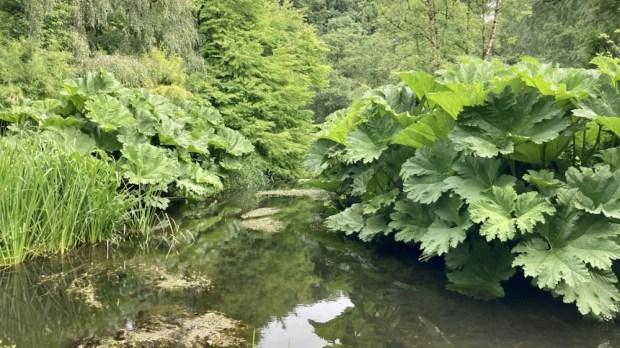
Another quick overnight expedition in the camper saw us down in the rich farmland of north Co Cork to visit a couple of places in the care of the OPW and discover a couple of others.
First up was a 30 acre garden and historic house on the river Awbeg, which rises in the Ballyhoura mountains and joins the Blackwater at Bridgetown Priory a few kms south of Castletownroche from where they flow east to the sea at Youghal.

Anne’s Grove was home to the Annesley family from the 1600’s until it was gifted to the Irish state in 2015. The gardens were developed by Richard Arthur Grove Annesley in the Robinsonian style of naturalistic landscape design in the early 1900’s.

Robinson was an Irish gardener who proposed a break from the regimented blocks of 1000’s of bedding plants and formal layouts popular at the time. Made possible by the removal of the ” glass tax” in1845 and the subsequent construction of large glasshouses on the estates, the amount of tender bedding raised and planted out was a gauge of wealth and status. 
Robinson’s ideas were for more sustainable and ecological planting, more climate appropriate, less wasteful and labour intensive. His book The Wild Garden, written 150 years ago, was ahead of its time and became a major influence on later gardeners like Gertrude Jekyll.

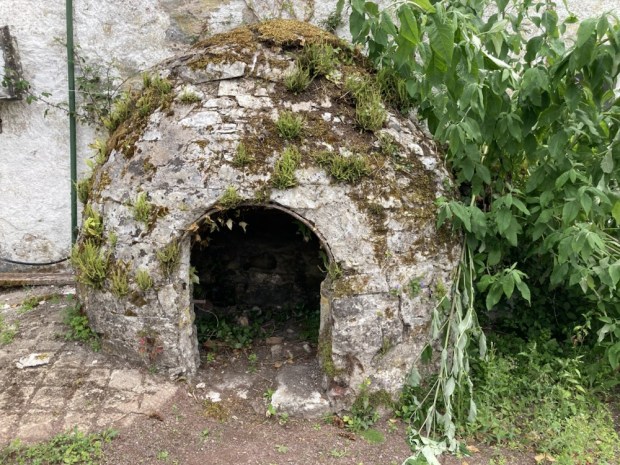
We started our rambles at the house and courtyard where the restoration is a long term work in progress. There was an impressive bread oven and cobbled dung pit and a collection of carriages.



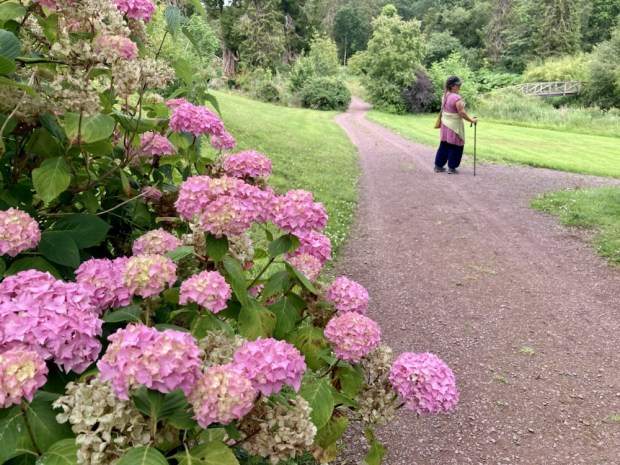
Down to the river past a collection of tree ferns and perennial beds with a backdrop of many tree species. Richard Annesley supported plant hunting expeditions to Tibet, Burma and Bhutan and assembled an exotic collection of plants at Anne’s Grove.



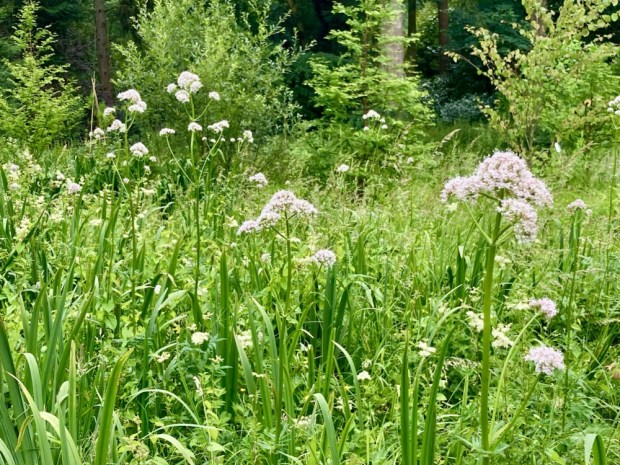
In the lush water meadows meadowsweet and Angelica were rampant and bamboo, gunnera, skunk cabbage and Himalayan primula crowded around a wealth of recent tree planting.

The Woodlands Garden holds some of the earliest rhododendrons introduced into Ireland but their flowering was over and we moved into the more formal walled garden, originally laid out in the 18th century.

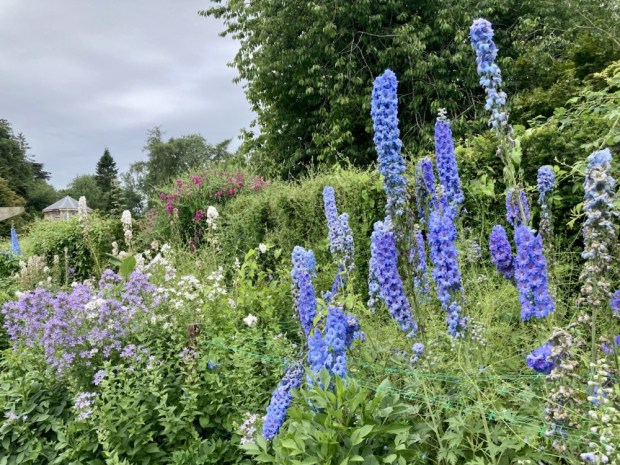


In 1996 the Tree Council of Ireland planted 14,000 sessile oak with help from the Mitsubishi Electric Ireland Foundation, the same year we started our woodland plantation and it was good to see they were in similar health.


The river levels were very low after such a protracted dry spell so it was not a spectacular sight but we couldn’t get to it at all at our next stop, Bridgetown Priory.

Although on the confluence of the Awbeg and Blackwater we were foiled from our hoped for riverside walk by fencing, cattle and impenetrable vegetation, so confined ourselves to exploring the impressive 800 yr old ruins.


Dissolved by Henry VIII in 1541 it stood cloaked in ivy for centuries until Cork county council undertook restoration work in the 1970’s and again in the 1990’s and 2010.
Alexander FitzHugh the Norman Lord of Castletownroche, patron of religious orders, gave land, pasture, woodland, water mills and fisheries to the Augustian Cannons to found the priory around 1210 and it became the most valuable in the diocese housing 300 canons.


The remains of the choir and presbytery, the cloisters and refectory were impressive as was a 13th century grave slab but most poignant was the tomb vault where an old woman and her two cats lived for at least a couple of years, supported by charitable locals.


Looking for a nearby level park up by the Blackwater Google Maps threw up the Nano Nagle Centre for Heritage, Spirituality and Ecology. Intriguing. The website mentioned a Cosmic Walk alongside the river- enough said.

Home to the “Old English” Nagle family of Norman descent from the mid 1300’s the estate, which gave its name to the Nagle Hills south of the Blackwater, was lost and regained twice when supporting the losing side in the Cromwellian Wars and as supporters of Catholic James 11 against William of Orange.
Nano Nagle was born here in 1718 and educated , as a catholic illegally, in France. After 20 years away she returned and , shocked by the poverty, decided to dedicate her life to the education and betterment of the poor catholic, particularly girls. To that end she became an ordained nun and founded the Presentation Congregation.
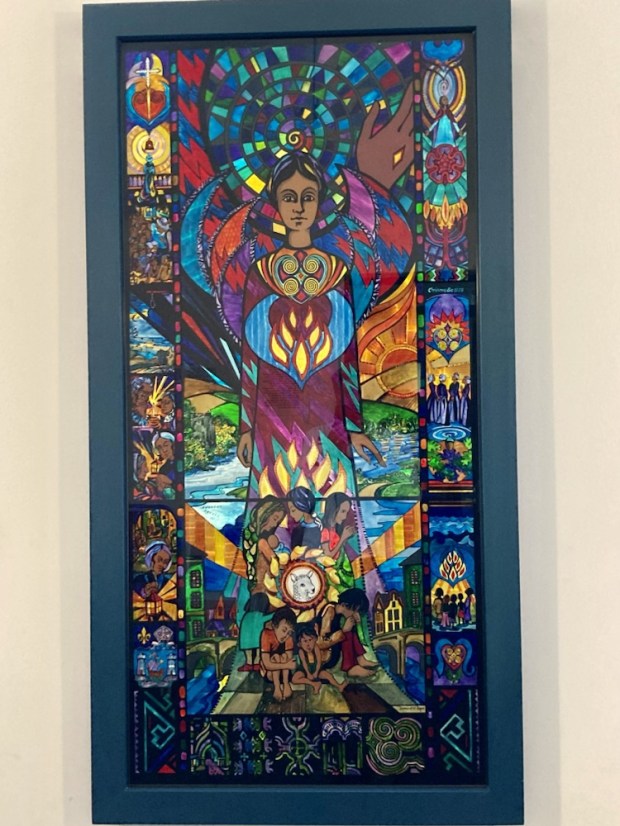
Their website states that the centre “provides tranquillity and spirituality and is the perfect location for those looking for some time out in a peaceful setting. ” That was us.
Unfortunately one of the Sisters we met said we couldn’t park up for the night because they had ” no insurance “. Hmm.
Still, the others were very nice and friendly and recommended we do the Cosmic Walk, a 2 km trail around their 30 acre organic farm with 16 stations marking out life on Earth since the Big Bang with info provided to your phone by scanning QR codes.

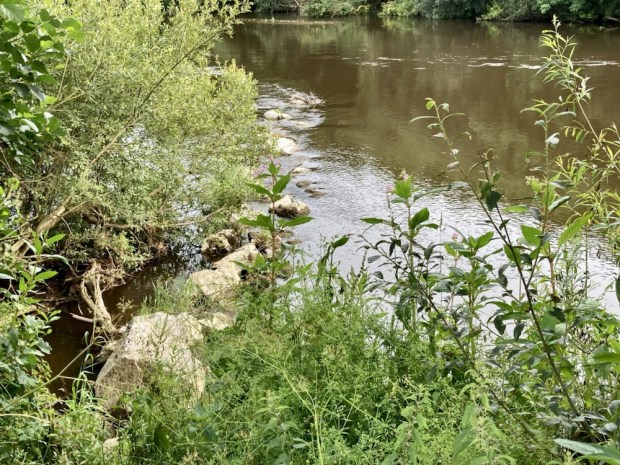
They say ” Our mission is to promote a vision of eco spirituality – the natural inter connectedness of everything, which leads to personal transformation and a sense of responsibility to our Earth and to all living beings”.

The info stations were sometimes adorned with sculptures of various life forms from the illustrated period and sat on rocks from all over Ireland formed at that time such as red sandstone, limestone, chalk, basalt and a lump of the ” oldest rock in Ireland” from the Annagh Series on the coast of north Mayo. They’d gone to a lot of trouble creating this Cosmic Walk.


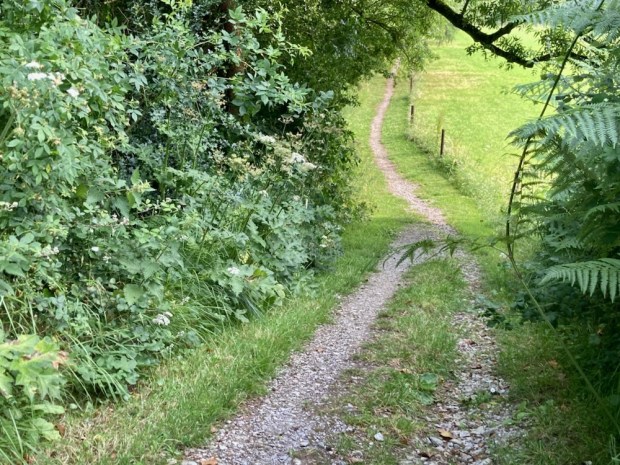

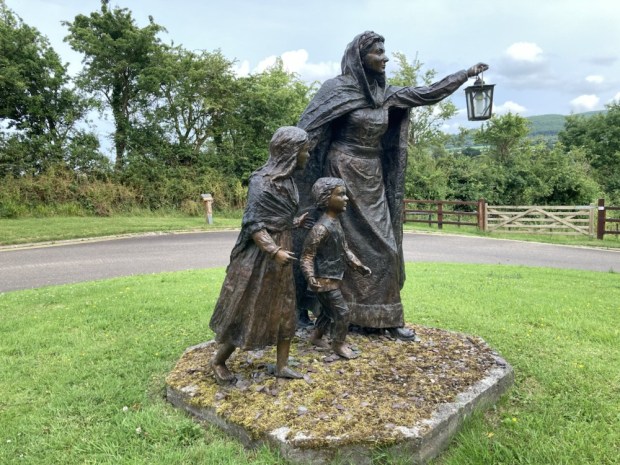 Fair play to Nano Nagle- May her good work continue. We moved off to the neighbouring village of Killavullen for the night and more riverside rambles before heading northwest, back to the Awbeg at Doneraile. The richness of the land was such a contrast to our surroundings in the Wild West with vast fields of ripening cereal and huge farm sheds for all the straw and grain.

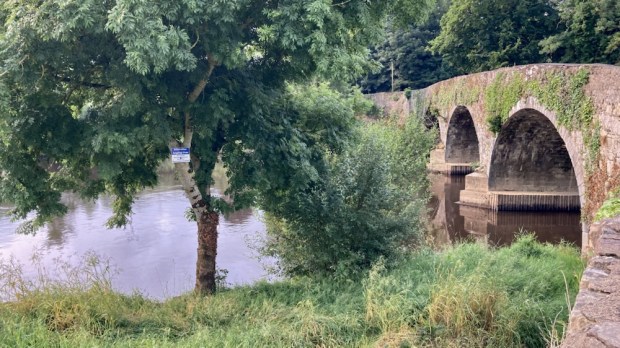


Doneraile Court, another property in the care of the OPW, is a fine example of Georgian architecture built of the site of the original St Leger family home of 1645 and surrounded by 160 hectares of walled in parkland designed in the naturalistic style of Capability Brown. A network of paths fan out across the estate free for all to enjoy.

We decided on the 3.5km Lower Walk which would take us along the river and through a variety of woodland, starting at a deer park. The sight lines towards the big house across the landscape of mature trees had been thought out for the long haul.

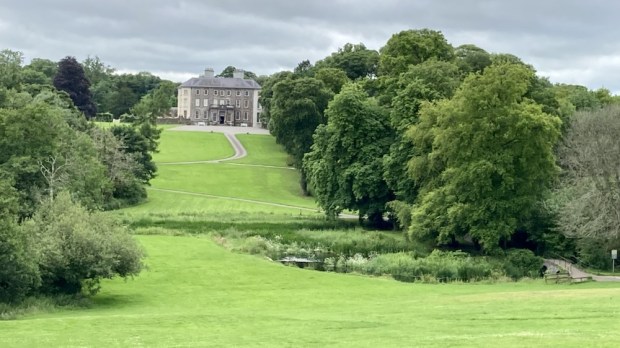

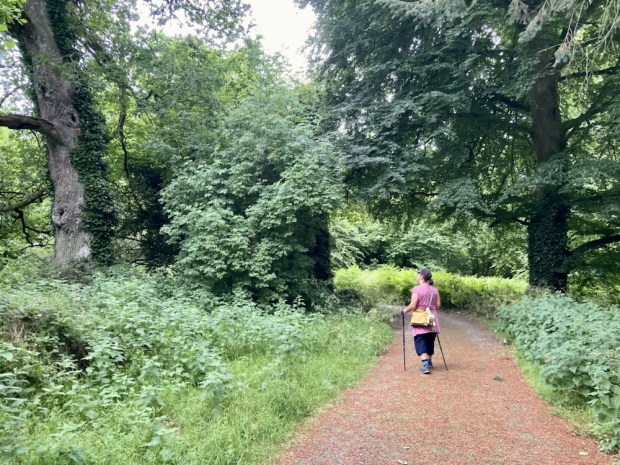


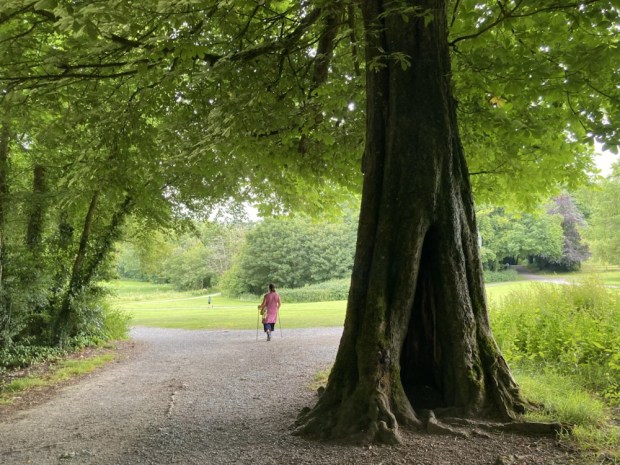
Most of the magnificent trees here were planted in the 18th century although lots of work continues across the estate. There are fine specimen trees of Lime, Cedar of Lebanon, Spanish Chestnut, Larch, Beech and Oak.
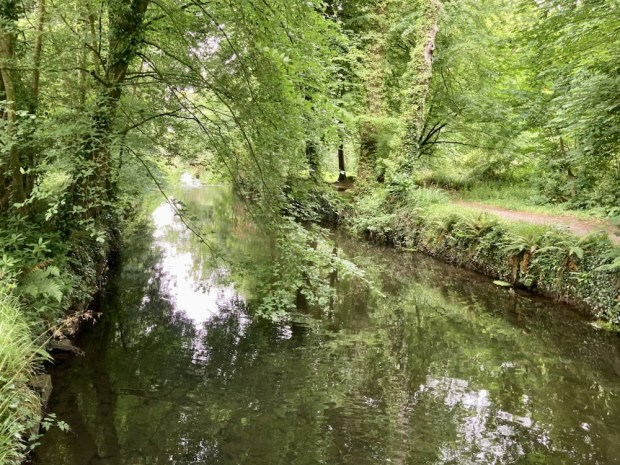
We followed the riverside path though verdant lush wetland areas of Alder and Willow being developed as wildfowl sanctuary, in contrast to the past when duck decoys were constructed to net the wild birds for the table. Rich in wildlife the habitat now supports swans, geese, ducks, herons and kingfishers feeding on the perch, pike and roach. The Awbeg here is also home to Otters and the prints of their webbed feet can be seen in the muddy river banks.
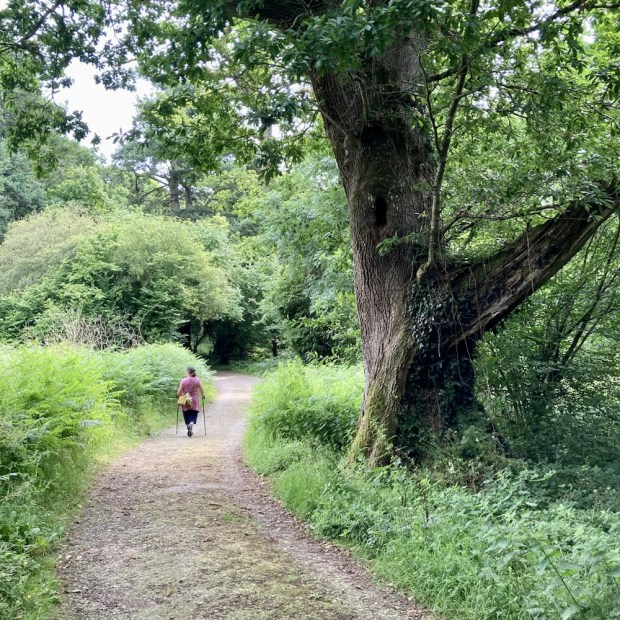


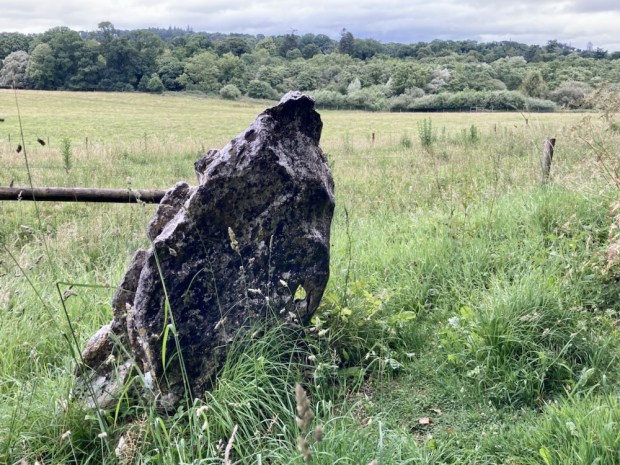
The large open grazing areas are home to Sika, Fallow and Red Deer and rare Kerry cattle. Alongside of the track stood a large stone known as the Toll Stone with some peculiar holes in it which seem to indicate a tollgate was here at some point. Nicely carved benches chainsawed from fallen trunks made for a resting spot as we admired the richness of the flower and grasses in the meadows.


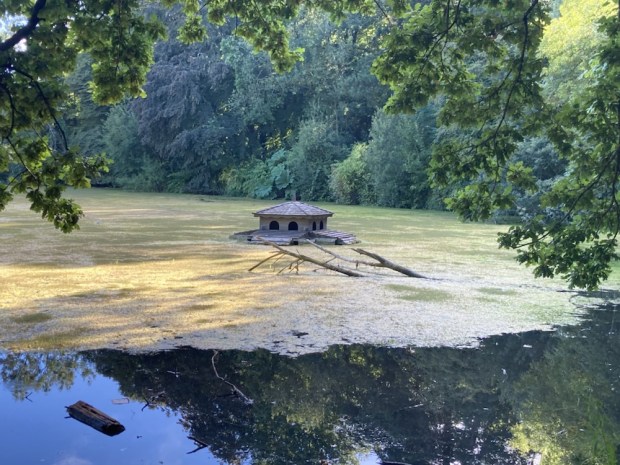
The large fishponds originally built to contain fish for the table became mostly ornamental in the 19th century and water lillies planted in the upper pond became so rampant they blotted out the water completely in the summer.

Water and the control of it was a big feature in the design of Doneraile with dams, weirs, pools and canals constructed to create cascades and islands visible from the house.


It had been a nice little trip out to the fat of the land(ed gentry) in Co Cork but it was time to return to the rushes of Co Galway. A modest and sedate ramble that seems to be the way we go these days.
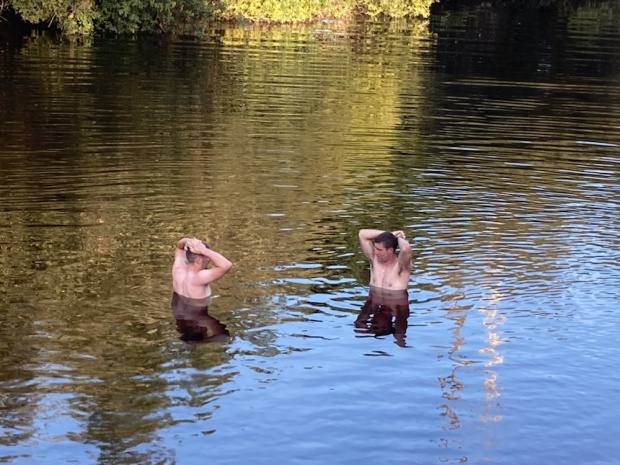
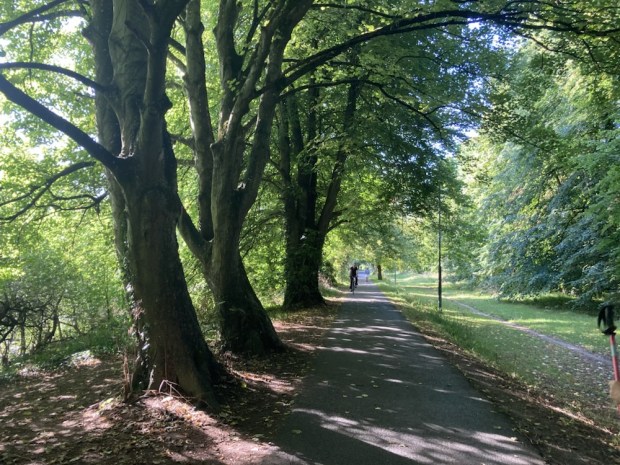
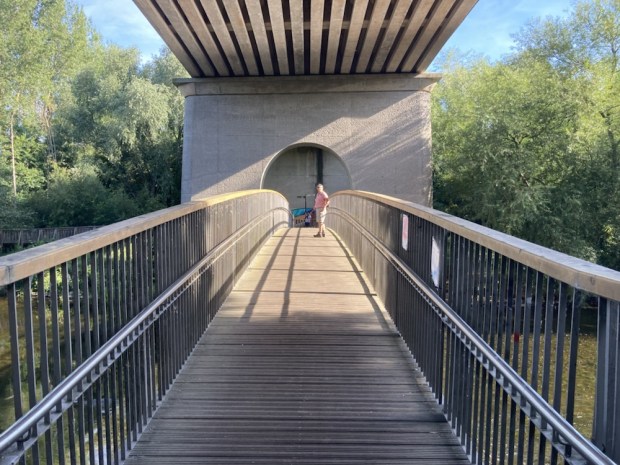
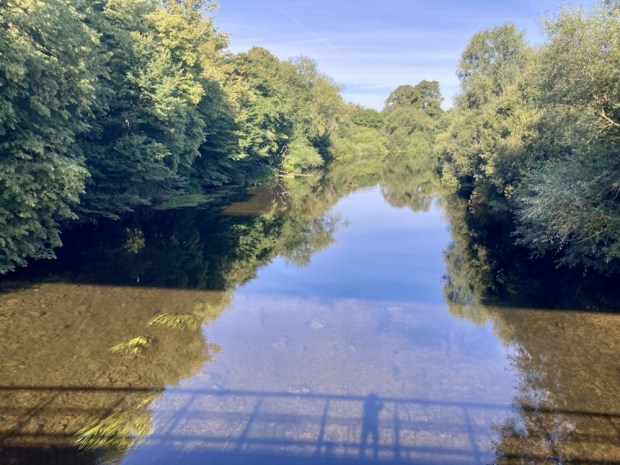
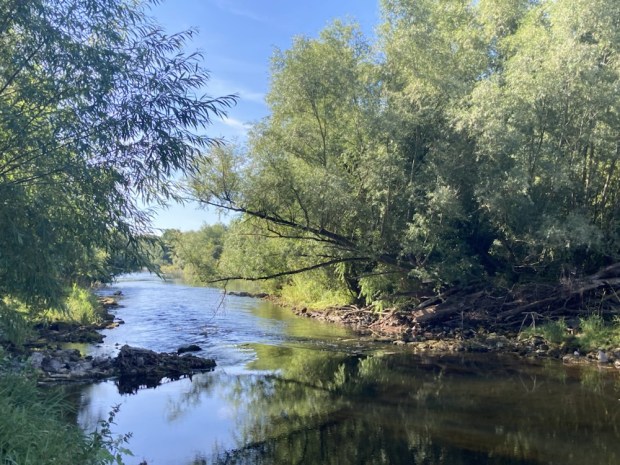
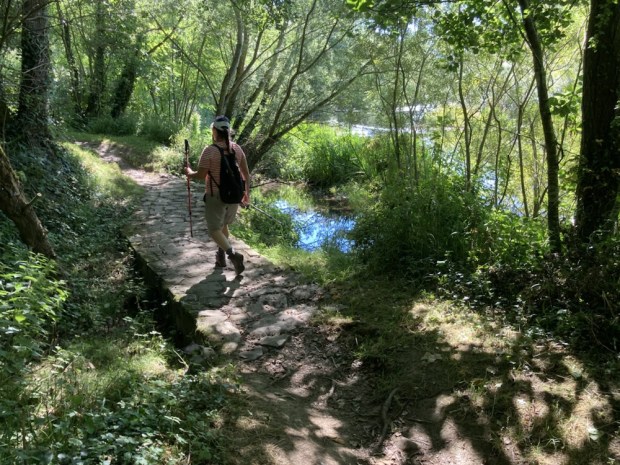
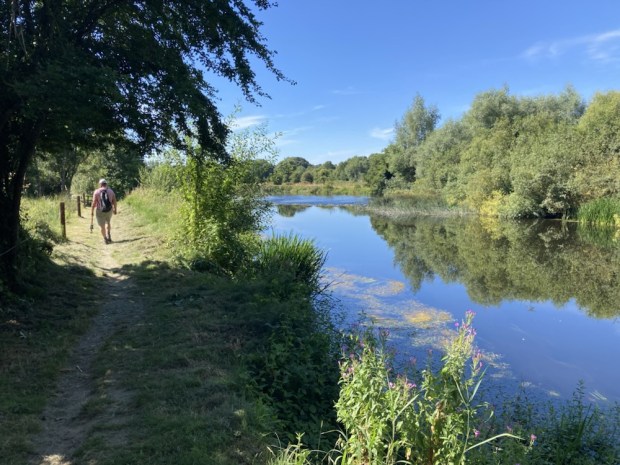
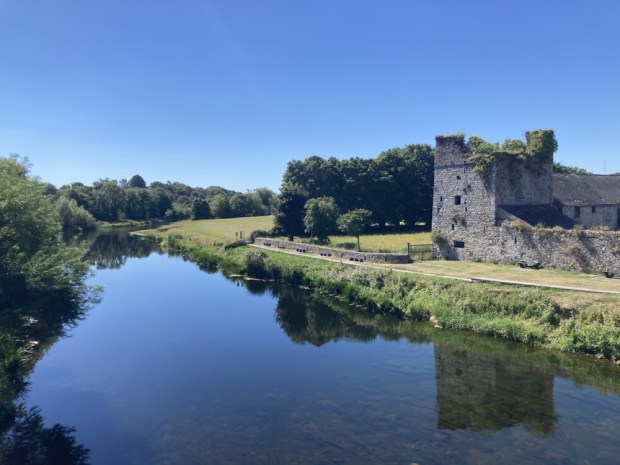
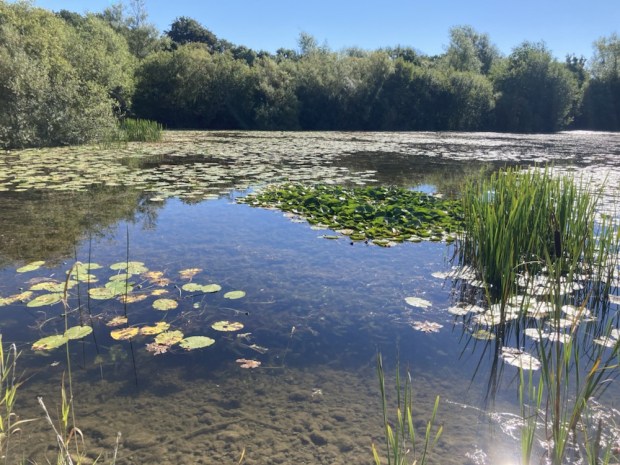
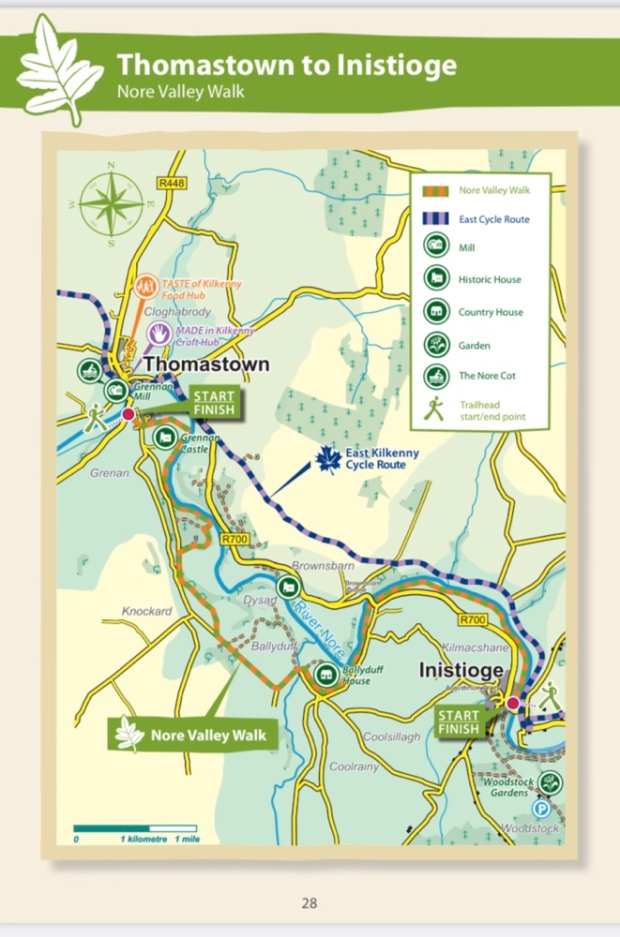
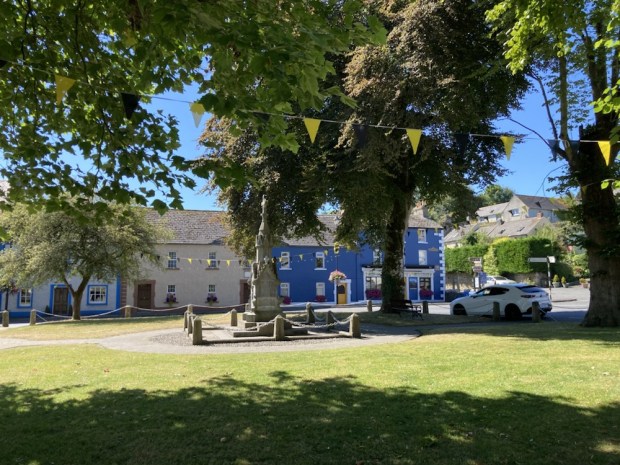
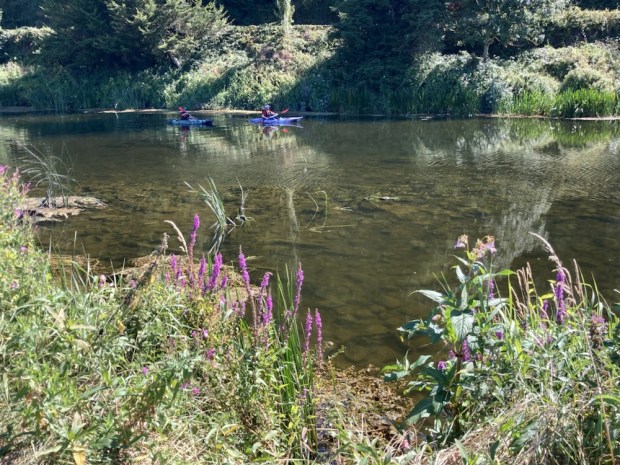
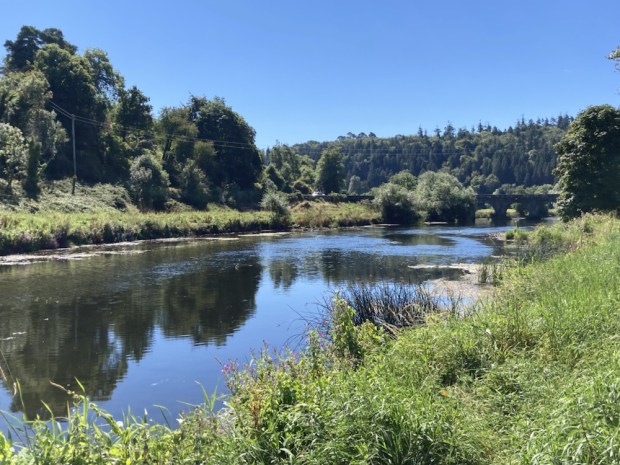
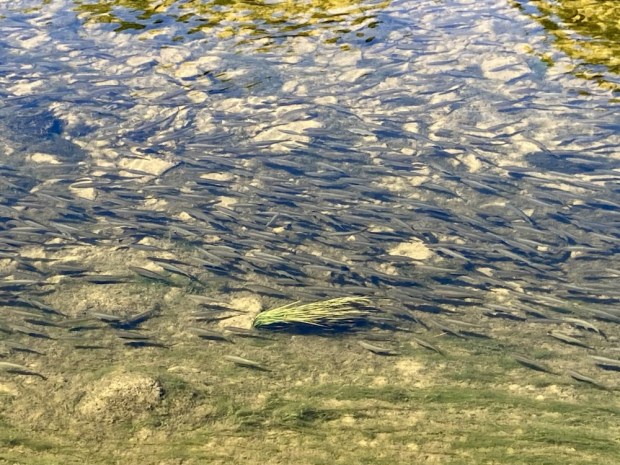
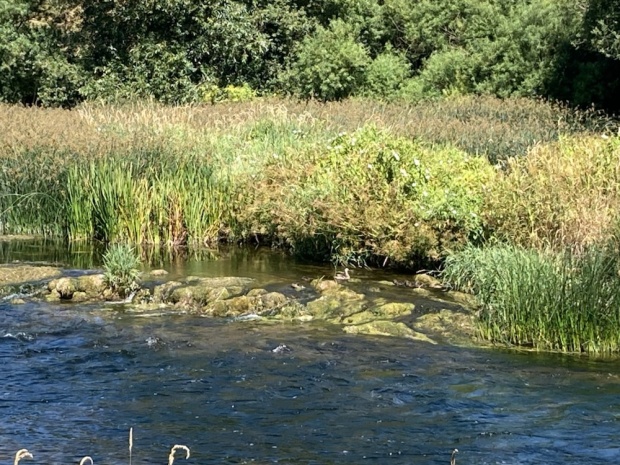
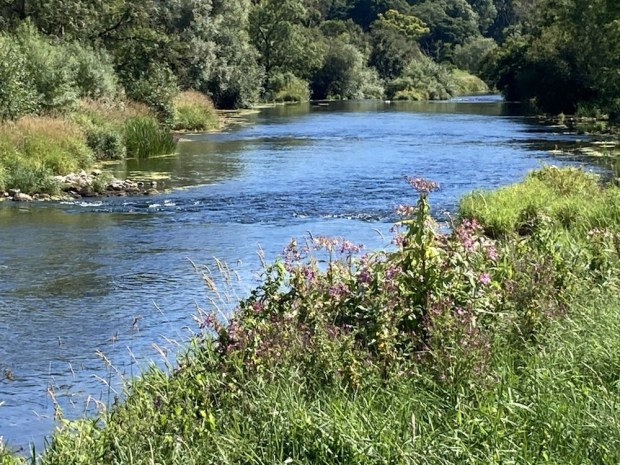
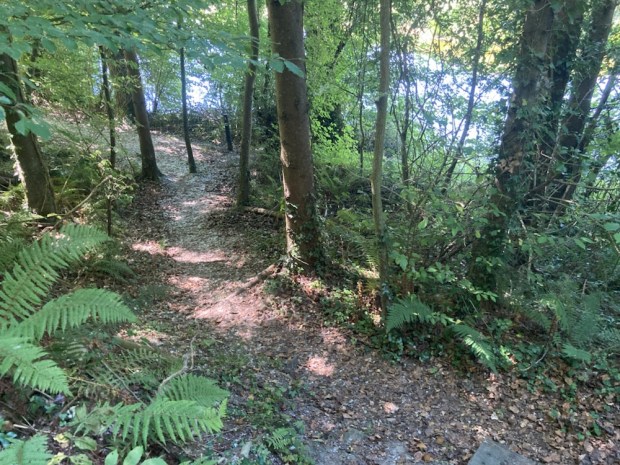
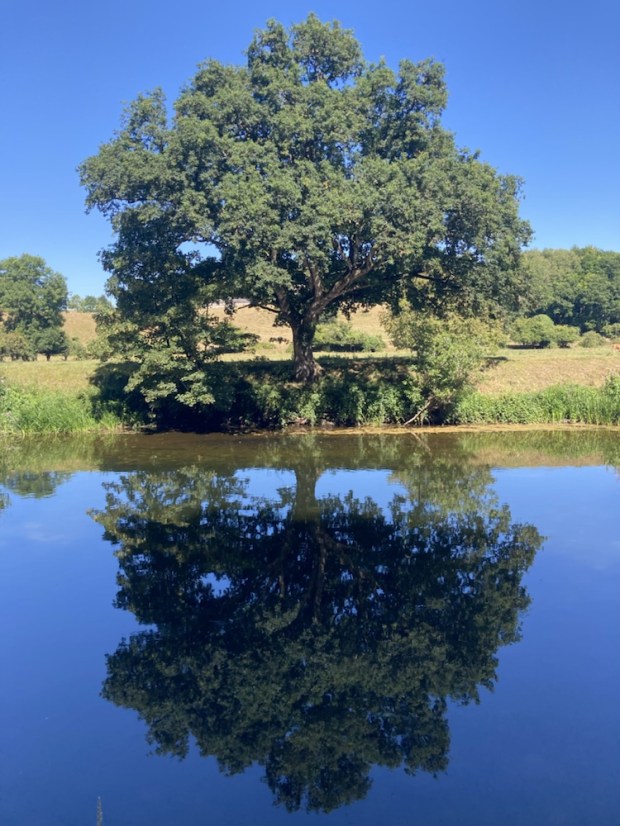
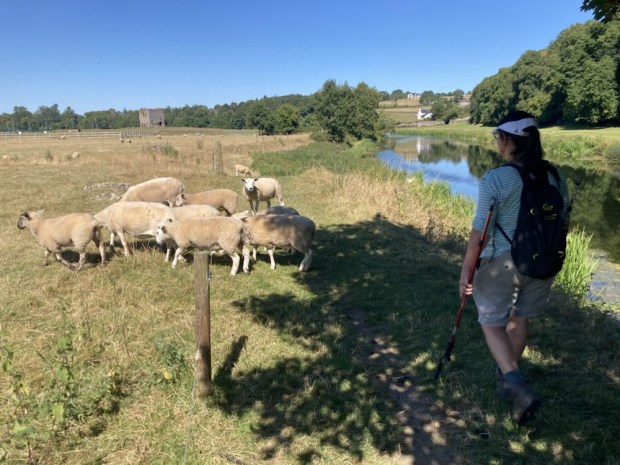
 A heatwave upon us we decided on a watery walk shaded by mature hardwoods growing from the fertile soils of the south east. Having boated and hiked both the Barrow and the Suir it was to the last of the three sisters we headed – the Nore.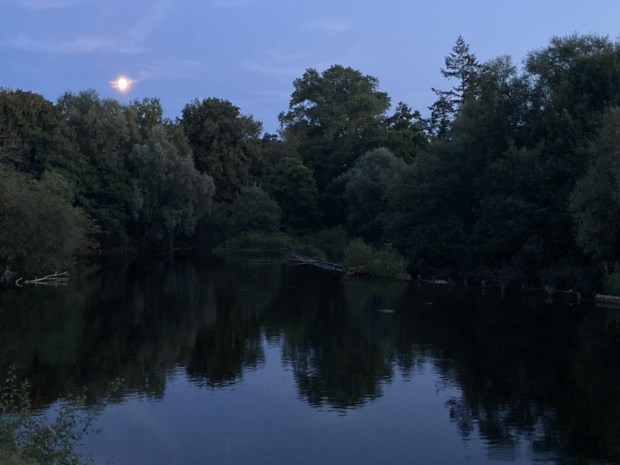



























 Steve Barham