 It’s been 10 years since I first wrote anything on the Ramblingman blog and this is the first post published this year.
Strangely,in the last year, without a post, the website has been visited far more than in any other- I wonder what that says!
Perhaps that the writing and stories are timeless or non topical, non linear. The posts can be treated as individual reports on rambles throughout a decade- and as such I have decided to keep the site going after I have taken that One Step Beyond.
Which I will be soon enough. Over 2 years into a 1-2 year prognosis for terminal lung cancer my step counter is well and truly defunct. A stalled statistic on a once soaring scale.
Still, I thought I would post about some tiny traces my feet have made throughout my final rambling year, for old times sake.
I hope some people still get value from reading the decade of posts I’ve made. I’ve loved every walk and they instilled a deep love and connection with the natural world I journeyed through. I cannot encourage people enough to put on their boots and explore- while they can.

Back in February we went to the Donana Natural Park south of Huelva on the Costa de la Luz. This is southern Europe’s greatest marshland wildlife reserve, a vitally important habitat for a host of migratory birds in particular. It has suffered tremendous environmental problems over decades from a massive chemical spill in 1998 which saw the park closed to visitors to years of over abstraction of water to feed the mushrooming soft fruit farms crowding in around the Rio Guadalquivir causing widespread drought. For centuries the whole area , and the multitude of fauna and flora adapted to it, had been protected as a royal hunting preserve with a rich tapestry of livelihoods wrung from the land by those living there. Charcoal and wood products from the pine , as well as nuts. Baskets from reed and thatch. Fish farming, honey production, cork from oak, resin and turps, mushroom gathering, rabbit and deer shooting, salt production- a long list.
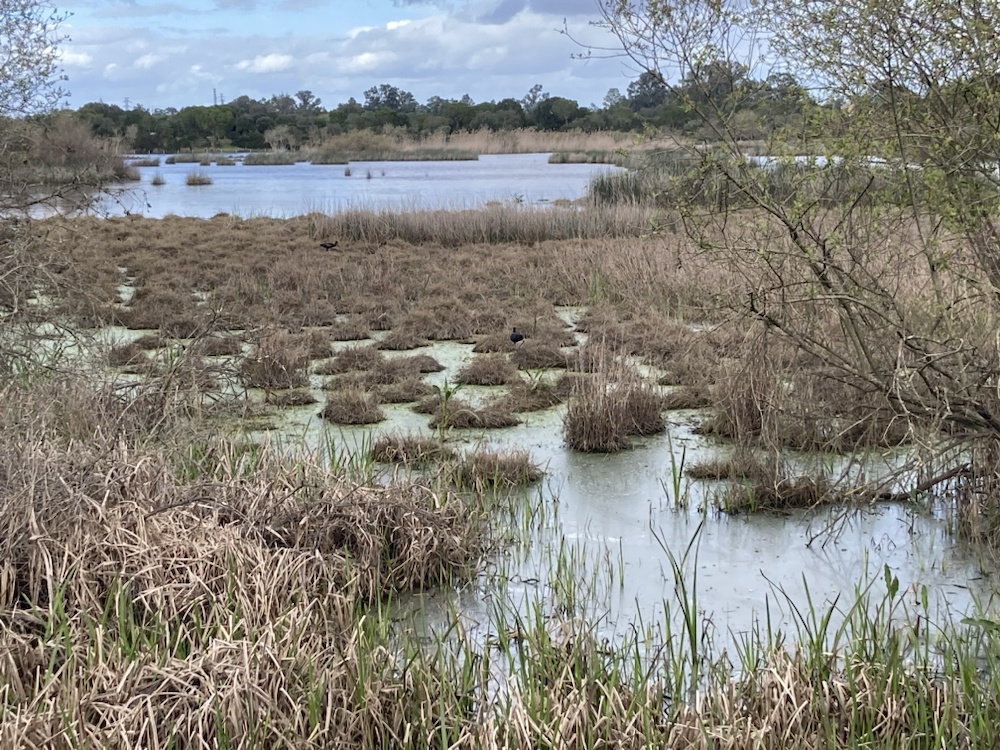
Ironically the water levels have been revived by the terrible flooding that struck areas of Andalusia in October and a number of tighter environmental laws have restricted the encroachment of the strawberry farms.
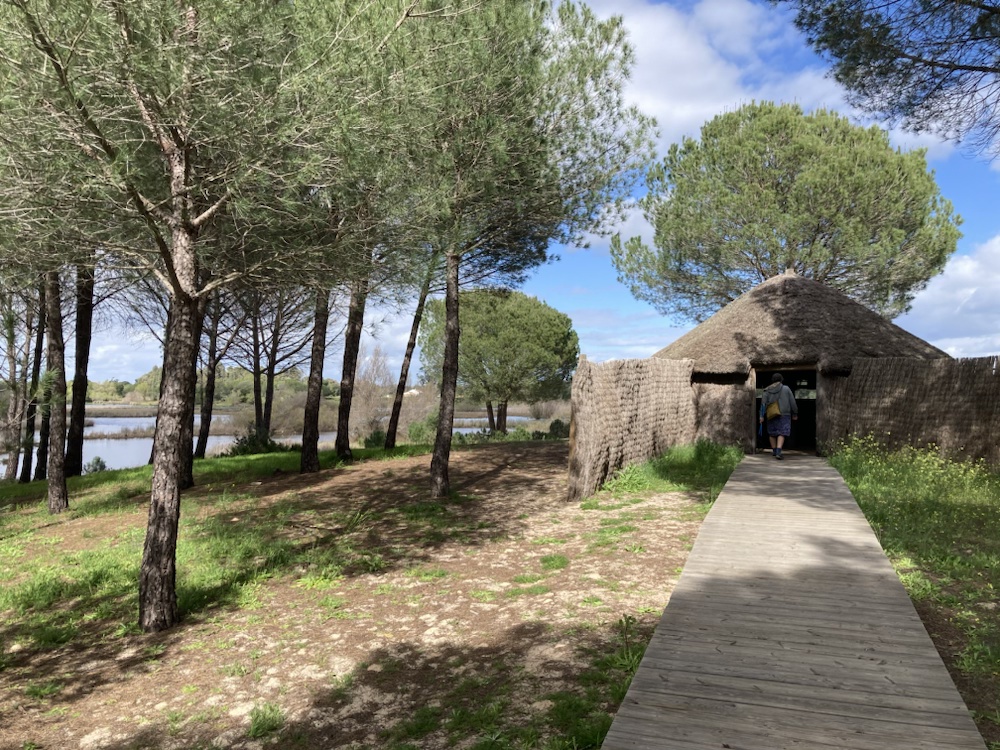


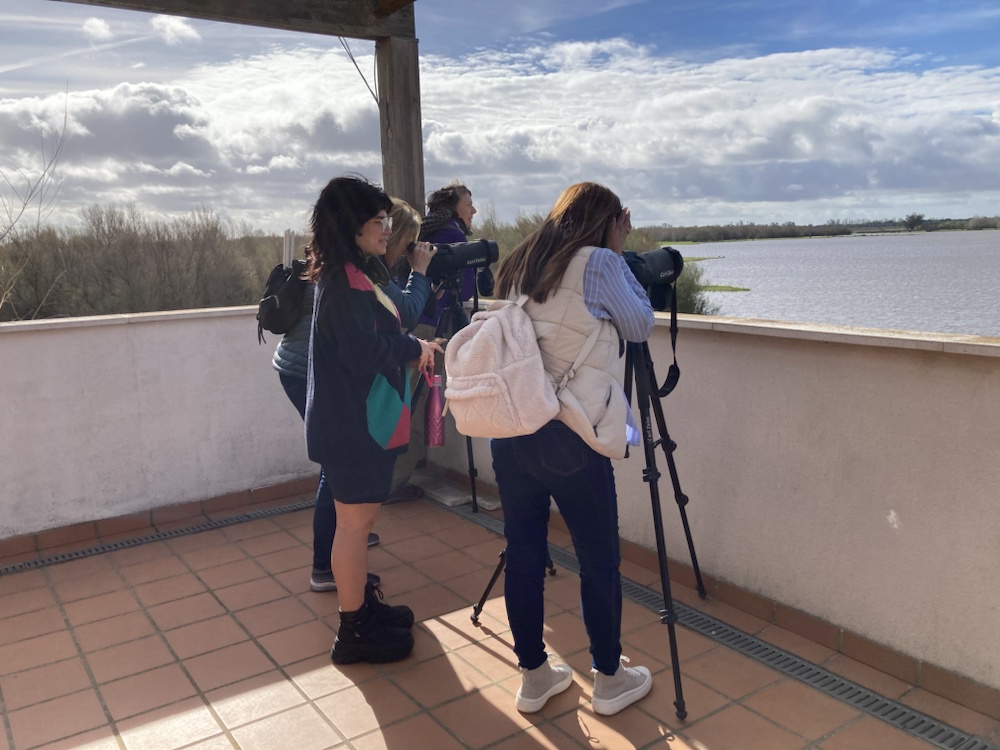
There are three main visitor centres around the park with trails leading off to hides from which to watch the bird life and sandy tracks down to the wild coast.
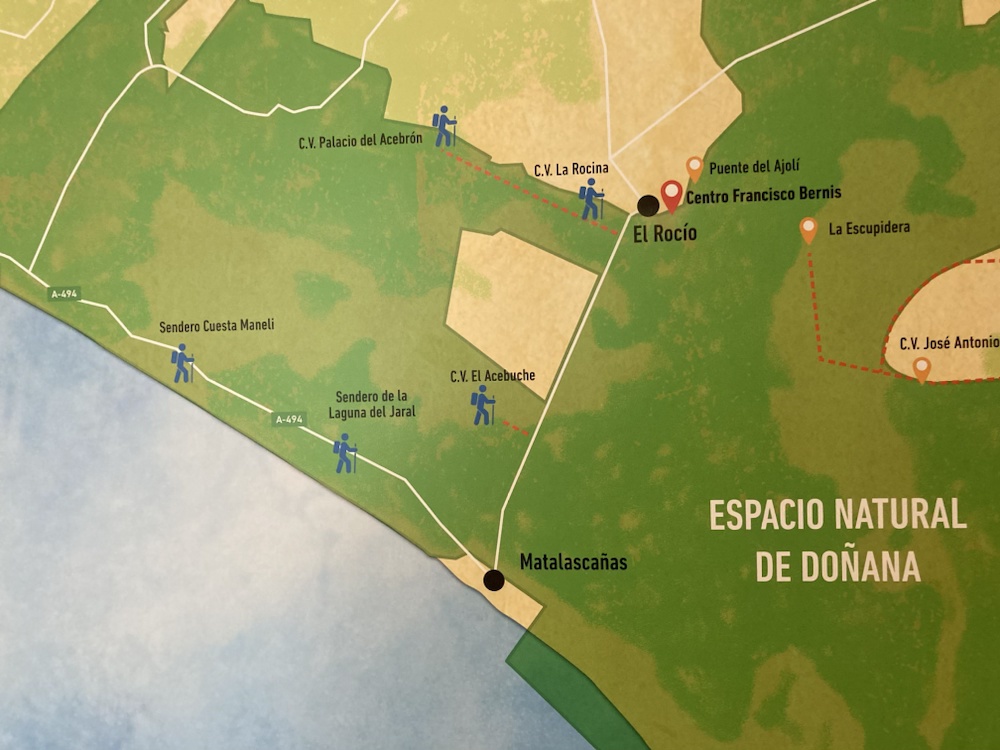

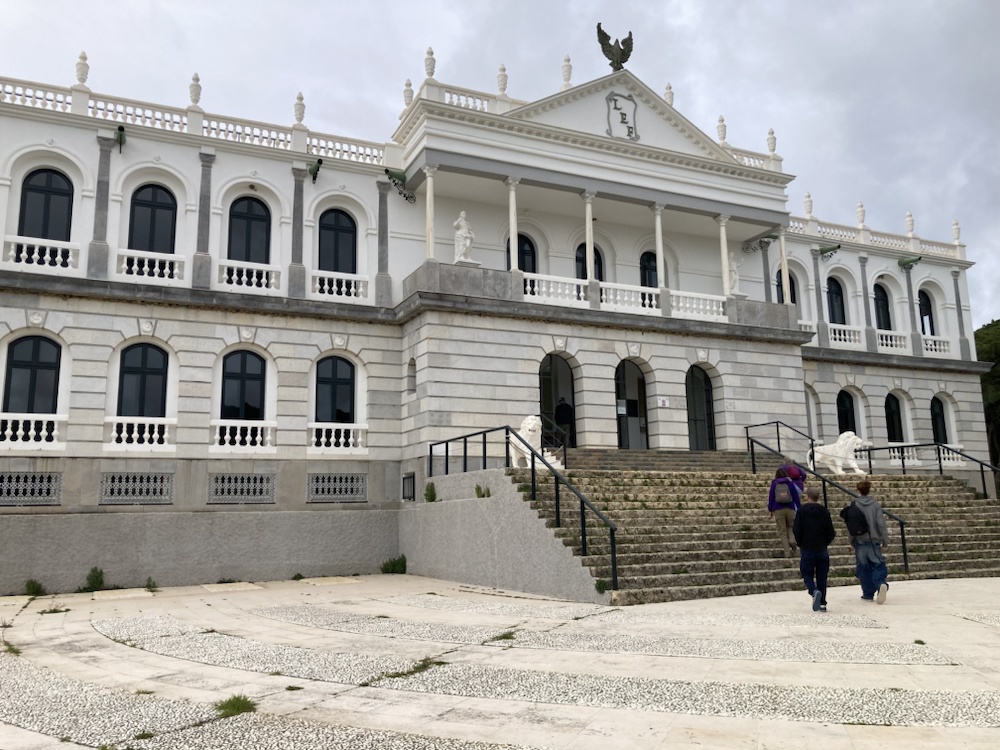


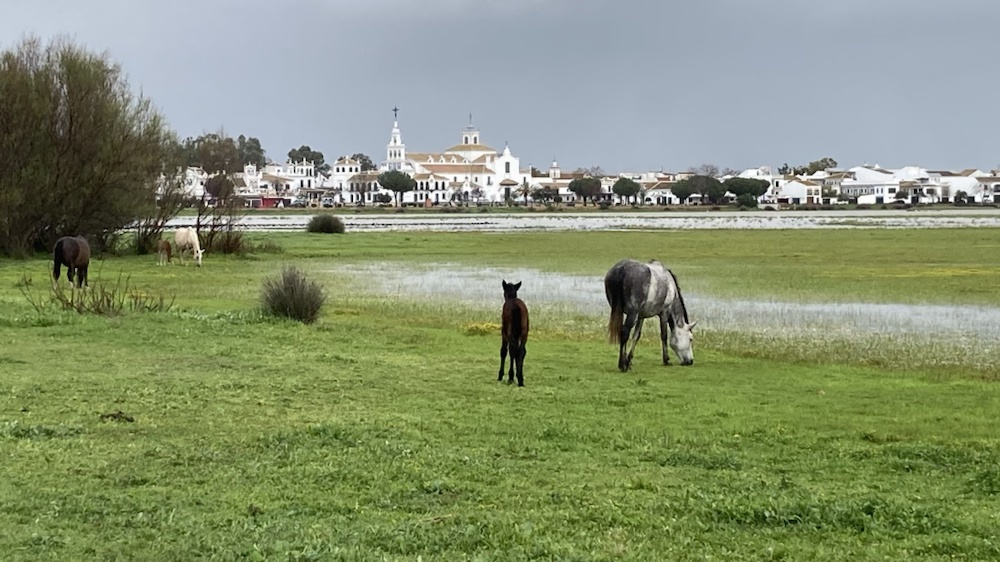
Another interesting town in the area is El Rocio, a tiny wildwest style village whose population swells to hundreds of thousands during the pilgrimages in Pentecost, the biggest in Spain. From the 1400’s hoards have been arriving here in ox or horse drawn covered wagons for days and nights of celebrations.
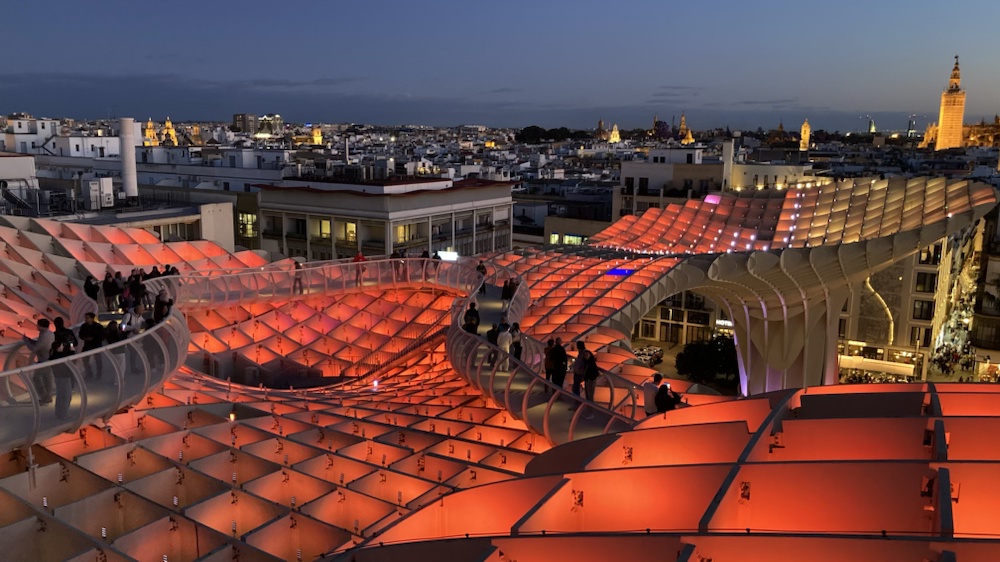
The following day, my birthday, we moved from a hippy campsite bell tent in the marshes to cultured Seville city centre.



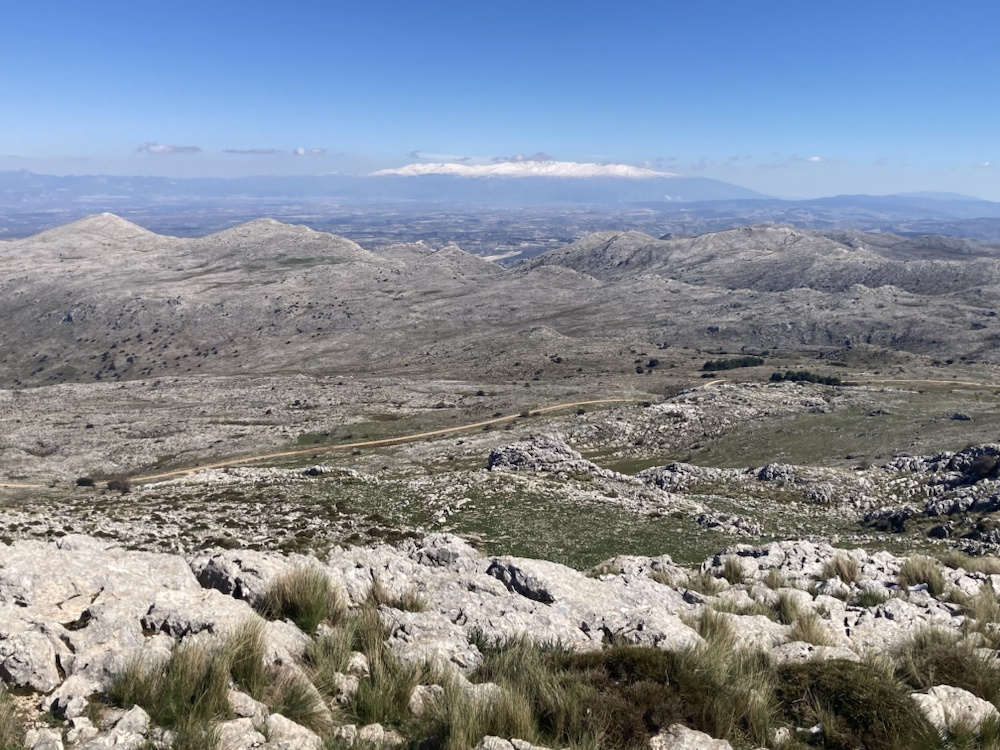
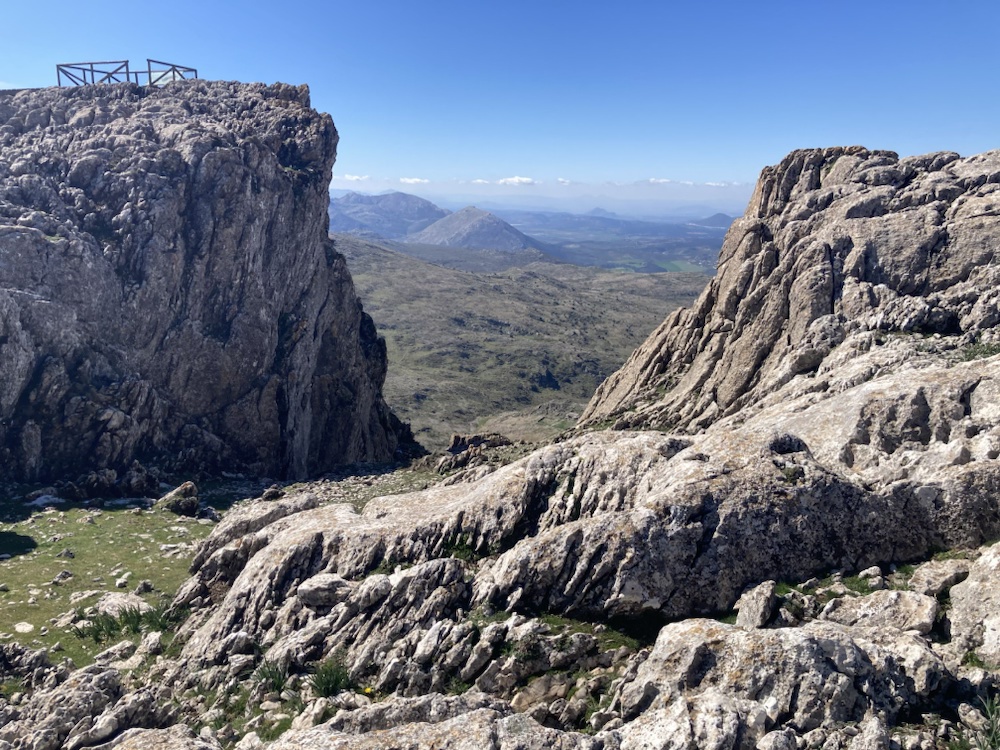
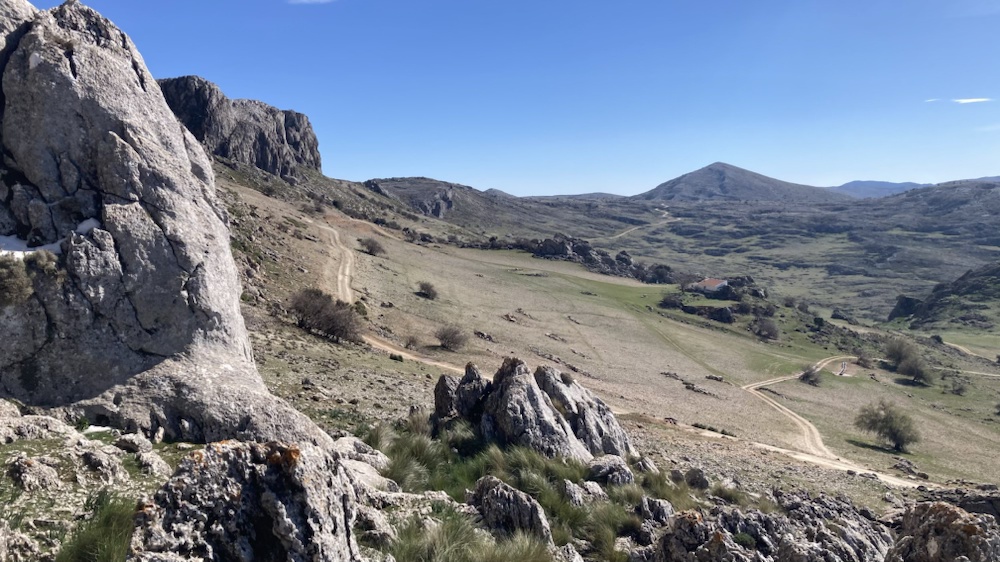
A couple of days later we were exploring the high limestone area in the mountains south of Loja in the Sierra de Tejada. Spectacular track to reach spectacular views with a Via Ferrata climbing route thrown in.
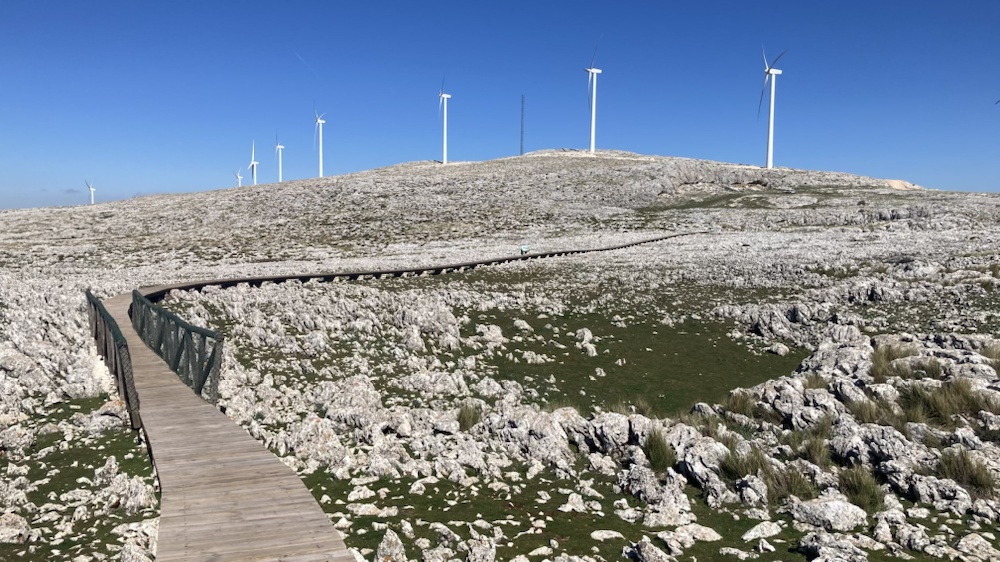

Back in the Irish summer we took advantage of an August hot spell to explore a couple of walks in the bogs of the”Hidden Heartlands” around the Horse and Jockey in Tipperary. First up was the Littleton Labyrinth area of cycle and walkways,a project designed to create employment and public amenity on what was peat producing Bord na Mona land and is now in transition to green industry.
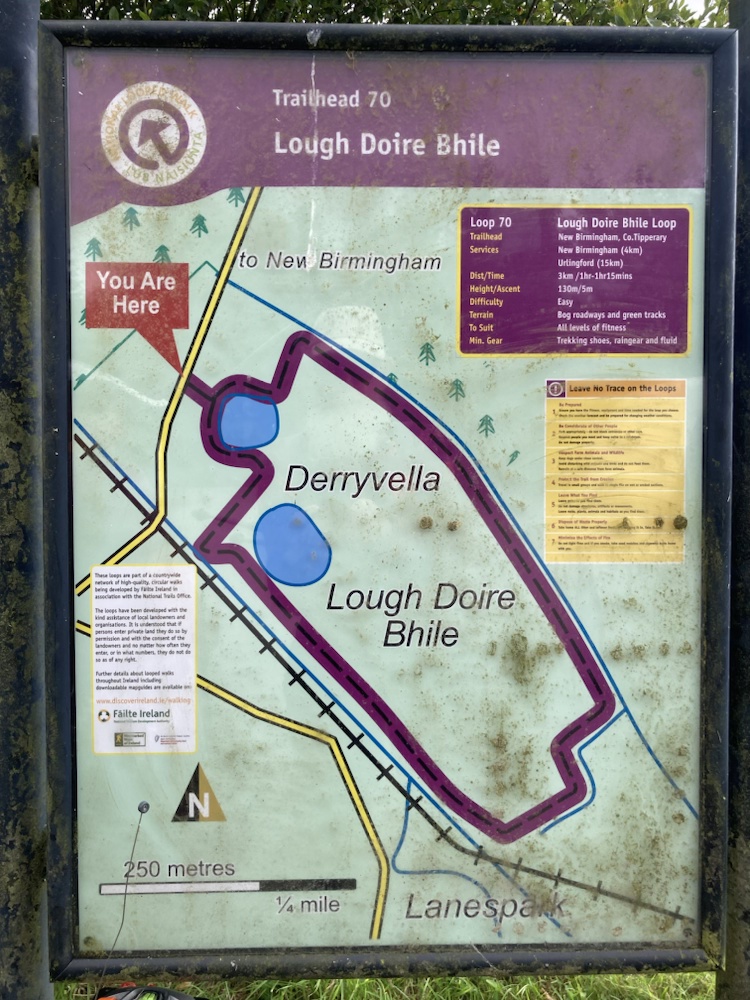
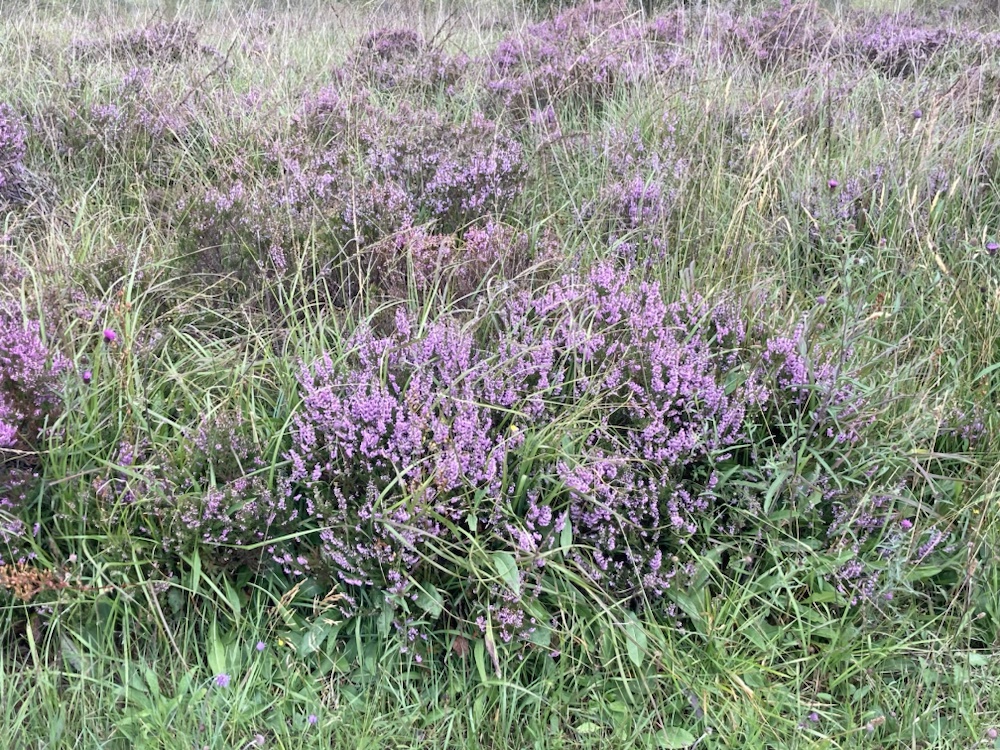
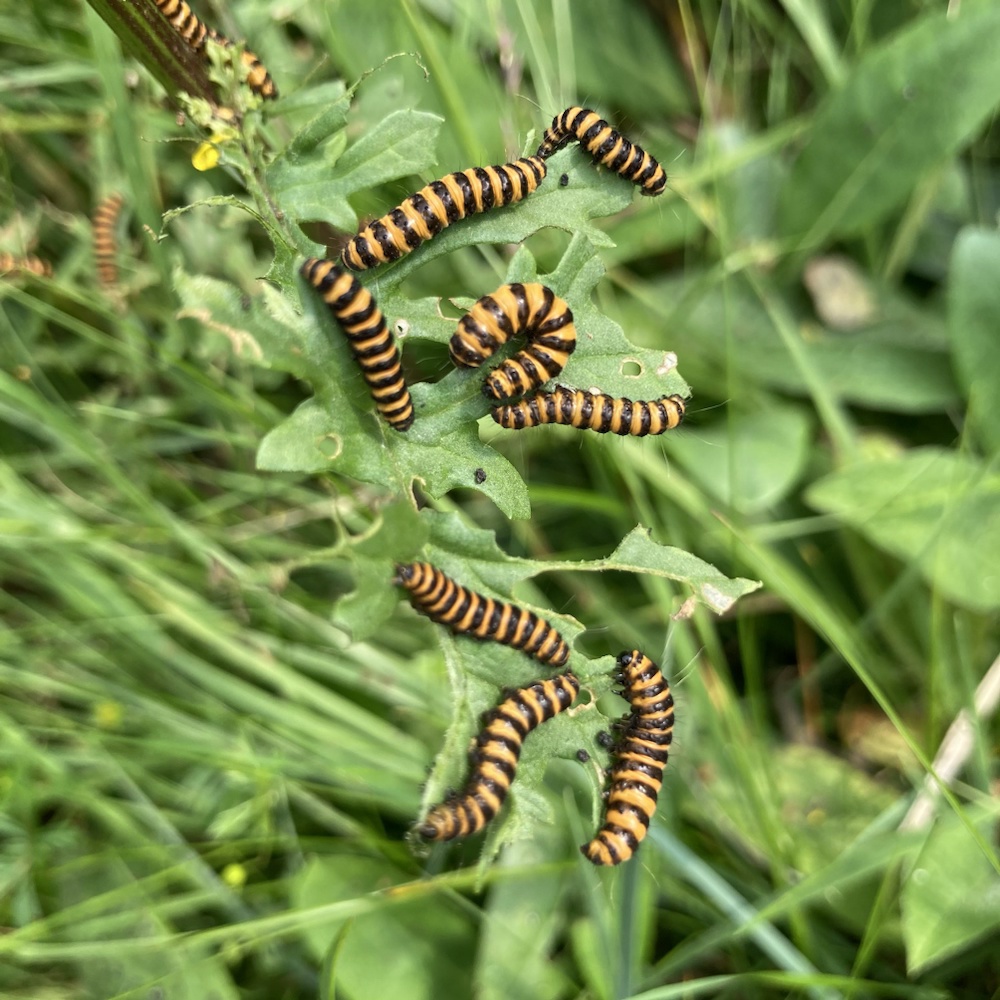
The Derryvella site offered a fine walk through restored bog rich with wild flowers and alive with the buzzing of pollinators.


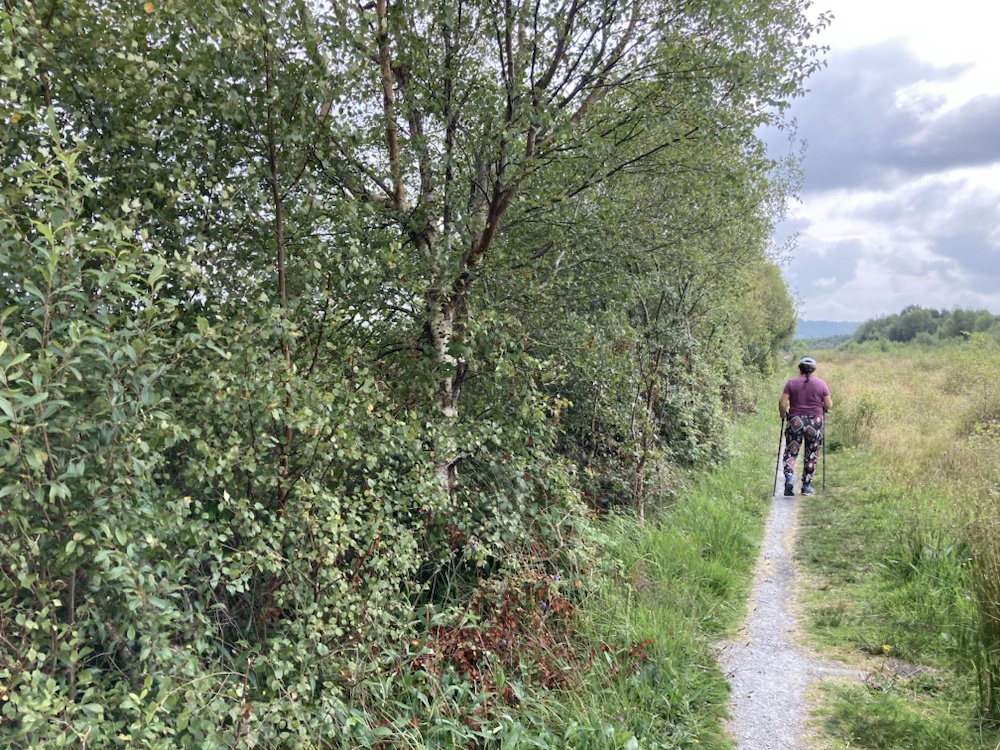
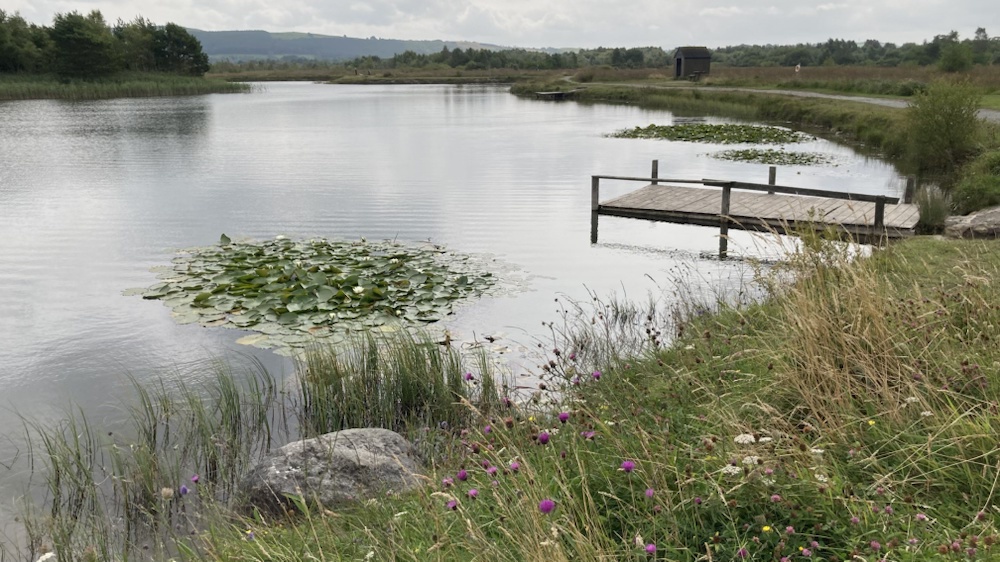
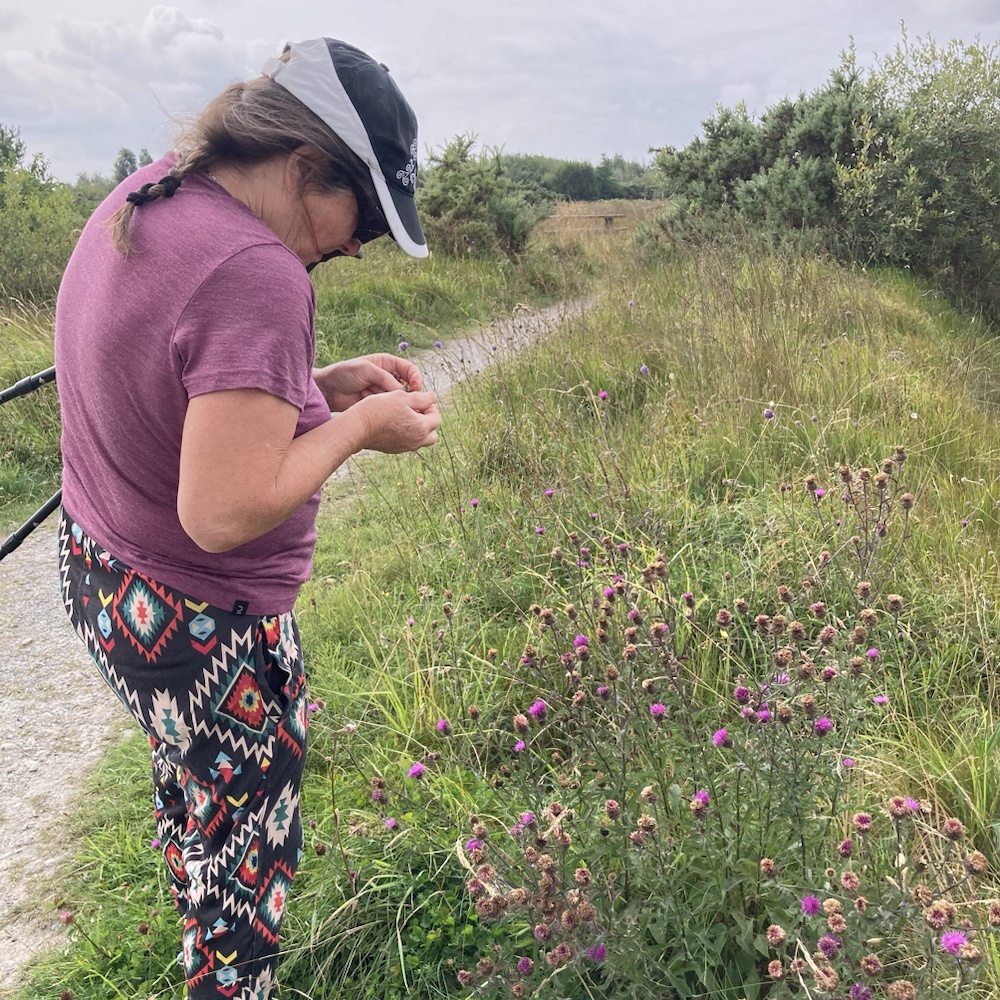
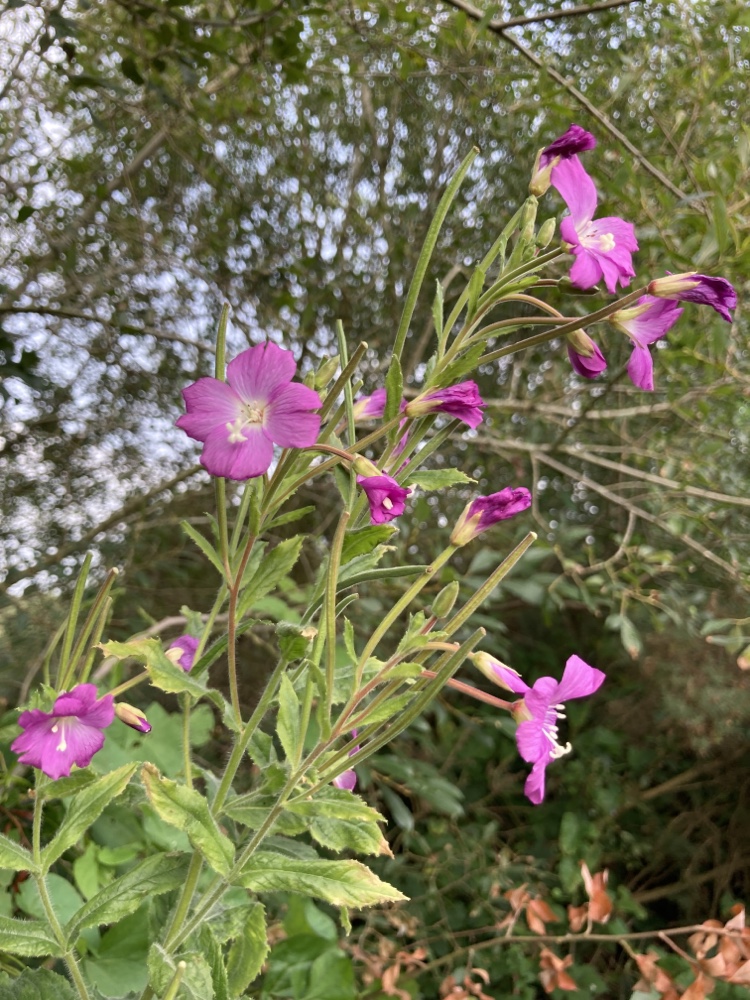

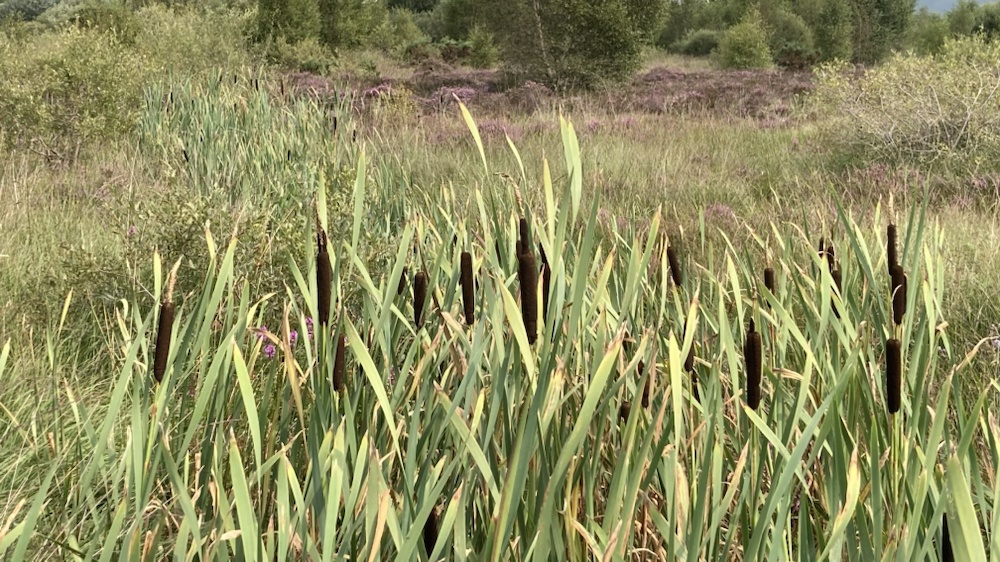
A little distance away was another network of old bog railway line , known as the Loony Line, for years a park up of the horse drawn wagons of New Age travellers and now returned to a tranquil route to the ancient site of Derrynaflan church.

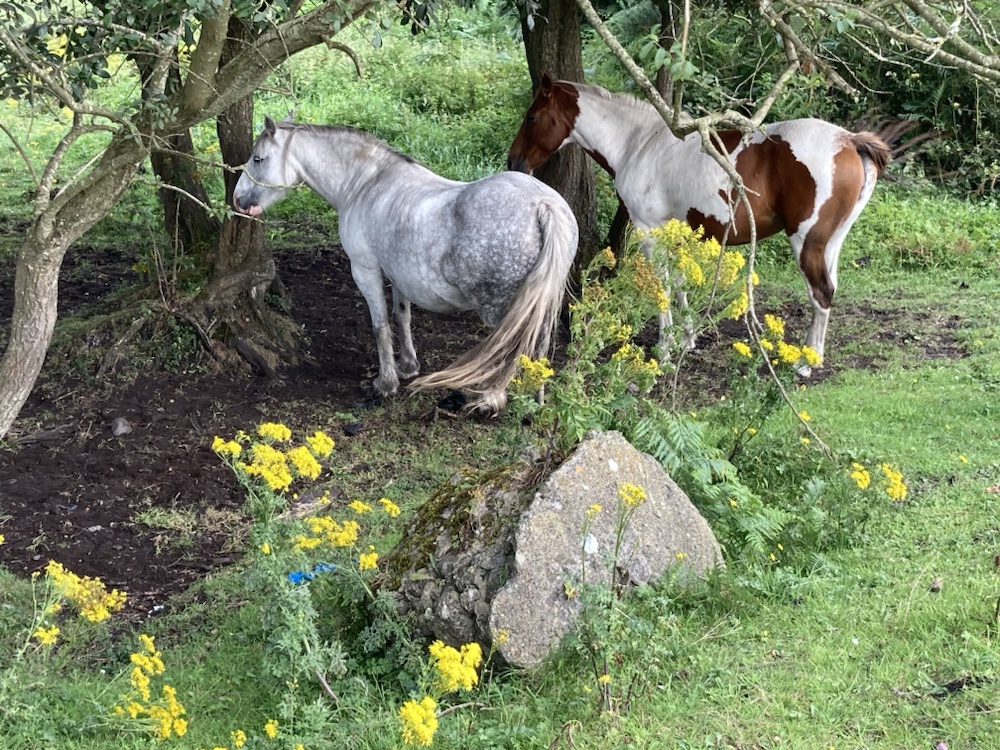

Next up was a little tour of Ardnacrusha hydroelectric power station during Heritage Week , on the Shannon just north of Limerick, a construction that when built in 1925 supplied more than the entire power needs of the whole country and cost 20% of the budget.
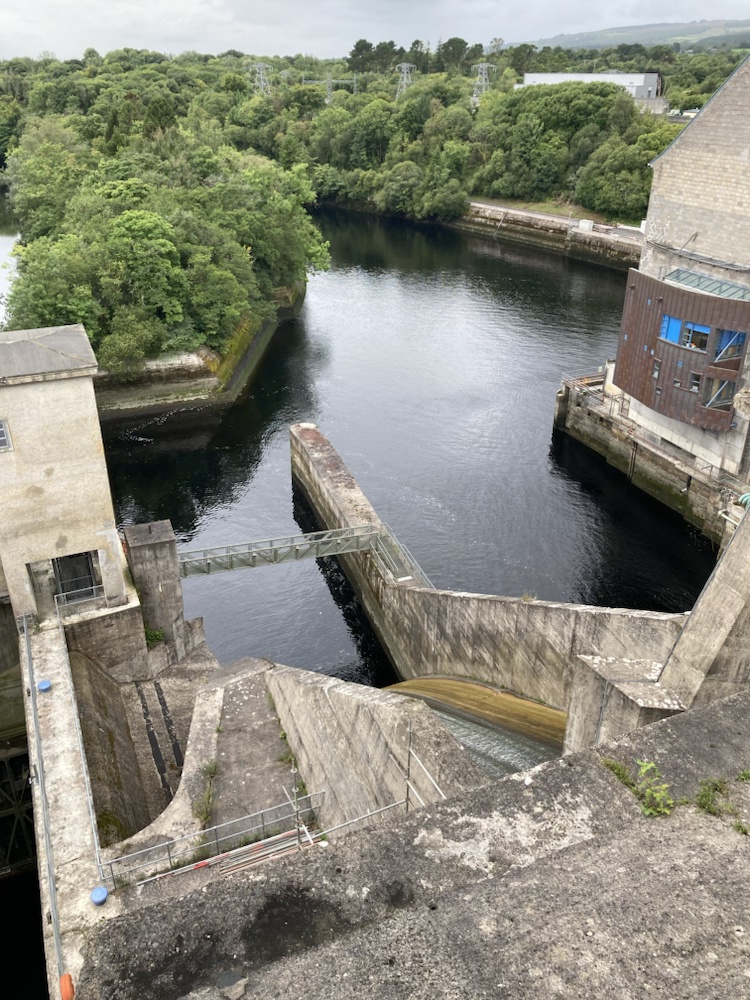 It was followed by a huge drive towards the electrification of Ireland that saw first time instillations continuing right up to the 70’s. One million poles were erected over 20 years to connect 300,000 homes.
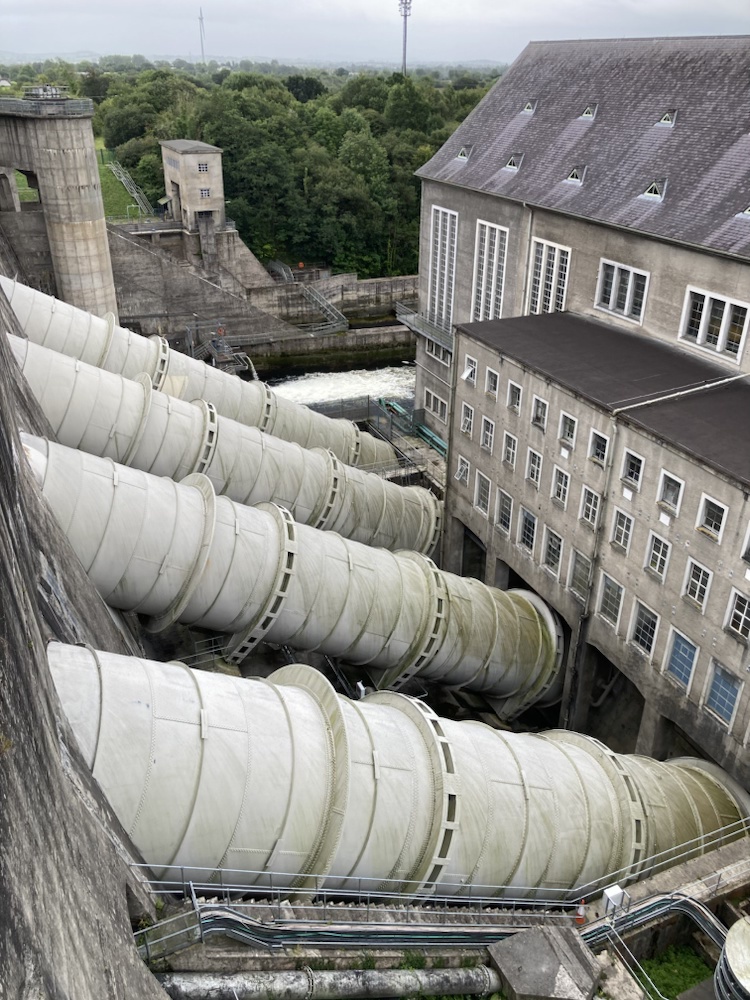
The river was raised 7.3 m along a 12km man made canal leading to the turbines where a drop of 30 m took 100 tones of water per second to produce 85 megawatts of power.
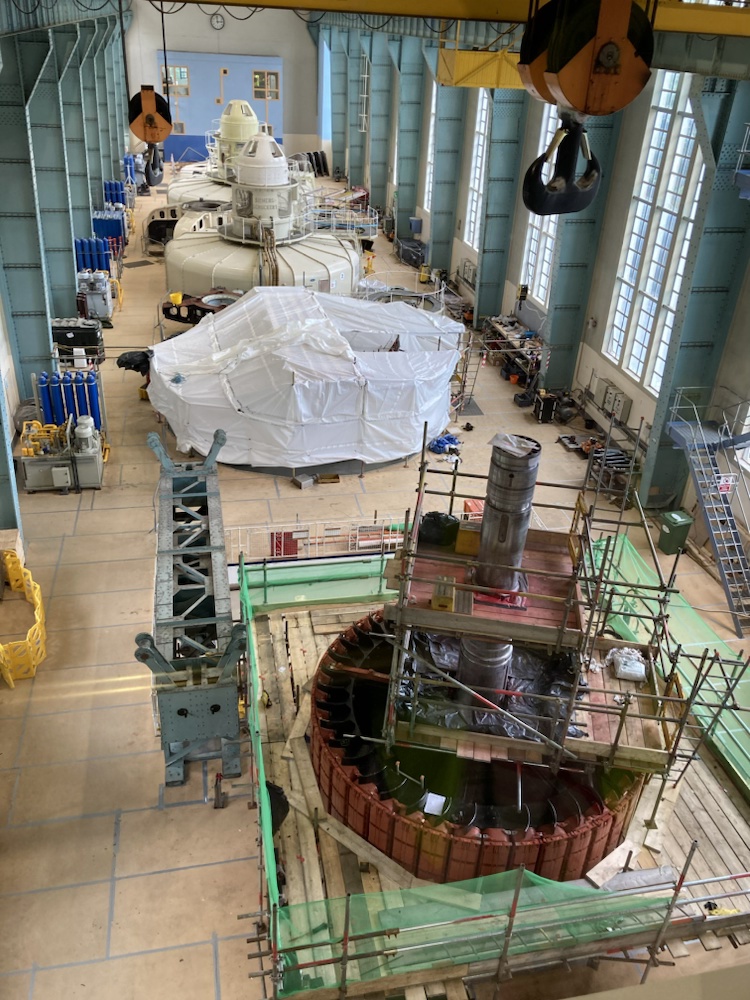
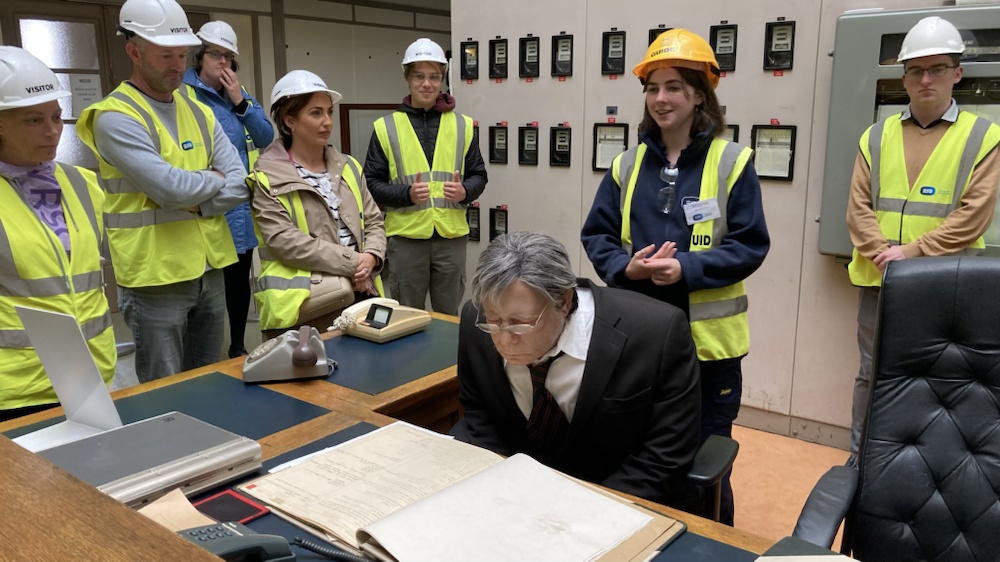 Not exactly a Ramble but an interesting exploration of a historical landscape feature. The vast engineering feat was a huge undertaking costing a overwhelming proportion of GDP. The Irish chief designer/ engineer on the project was a socialist who was told the plant would produce free energy for the people who resigned when the inevitable u turn occurred but rejoined later.
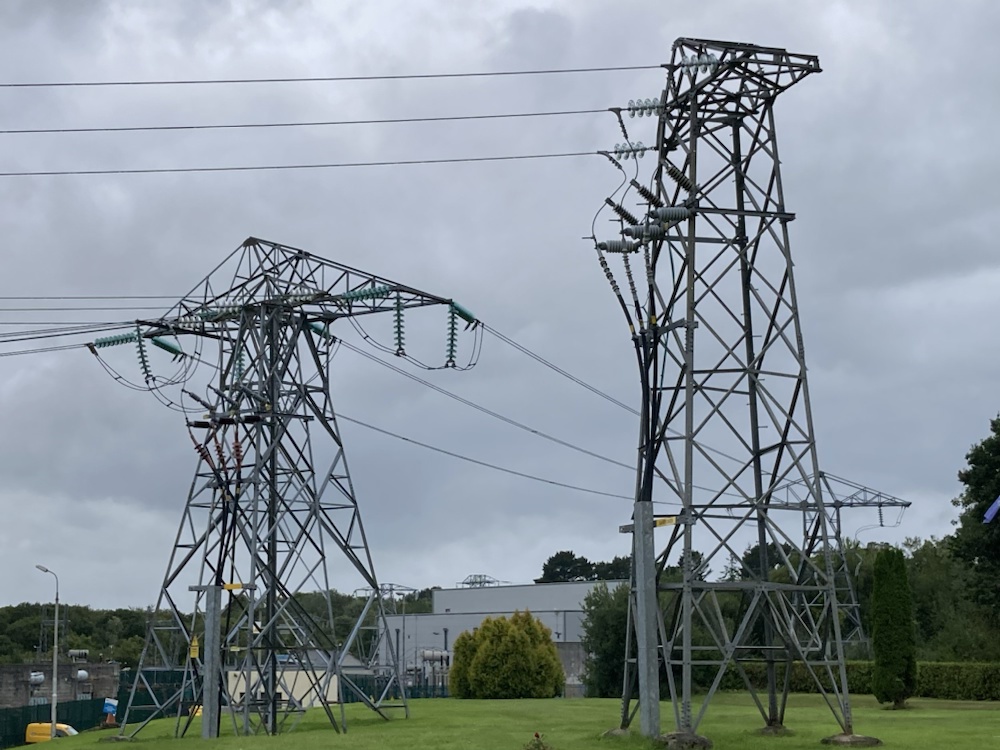
A fortunate but unforeseen consequence of the construction was the introduction of bank voles, a species not known in Ireland until it stuck aboard a shipment of plant from Siemens in Germany who supplied the turbines. The barn owls food supply had been under pressure and the owls population plummeting when the rapid spread of the bank vole revived their fortunes and now consist of something like 75% of their diet.
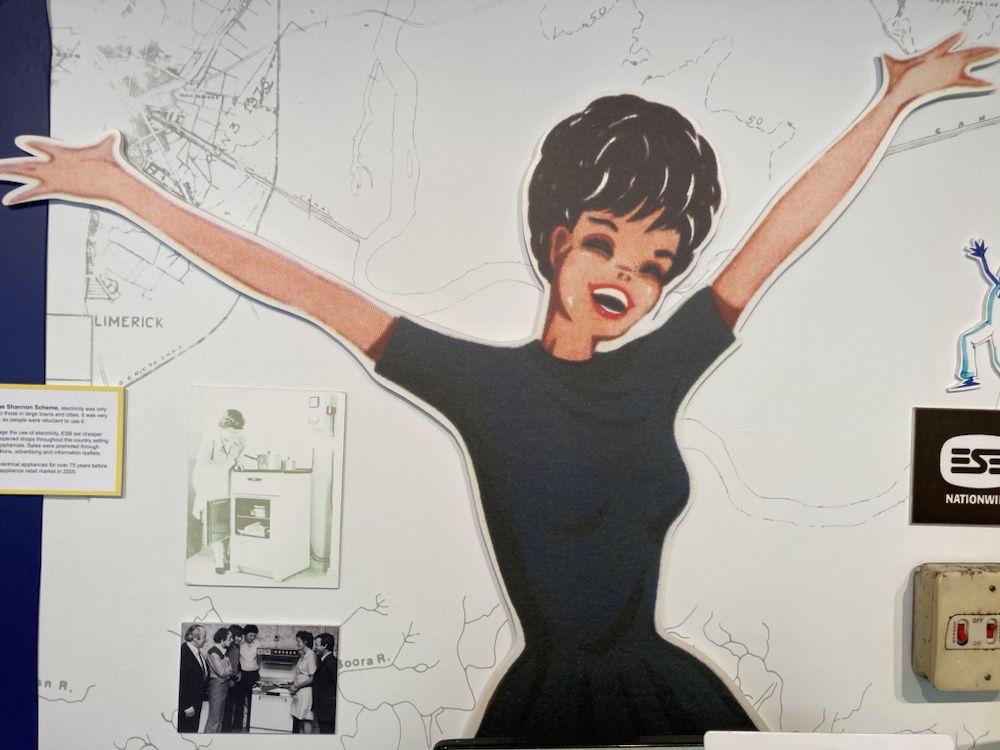
An amusing little museum featured a wealth of promotional advertising of the time on the joys of labour saving electricity.
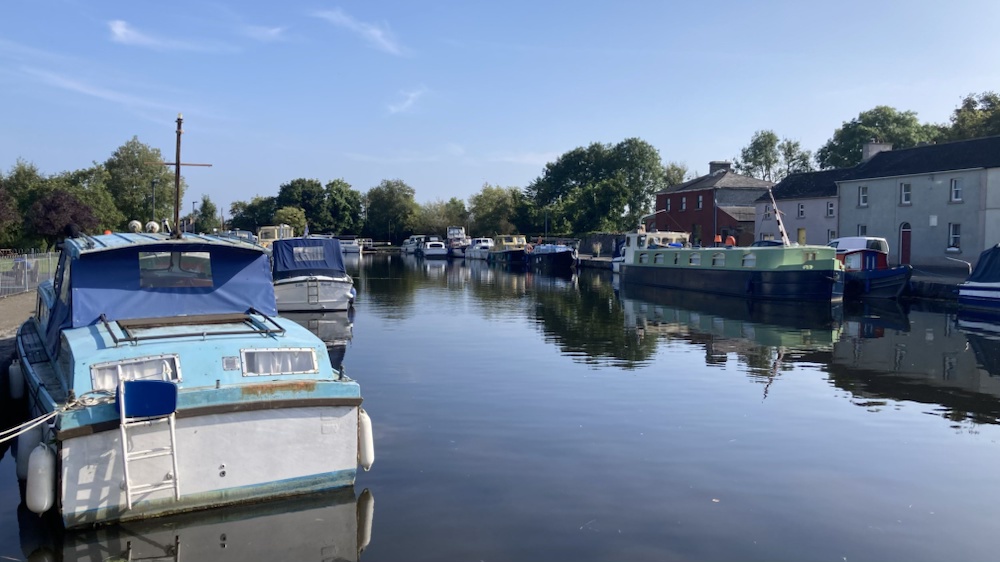
A return visit to the Royal Canal in Longford was an enjoyable trip on e-bikes south from Richmond harbour,where the canal meets the Shannon, to the Iron Age Corlea Trackway.
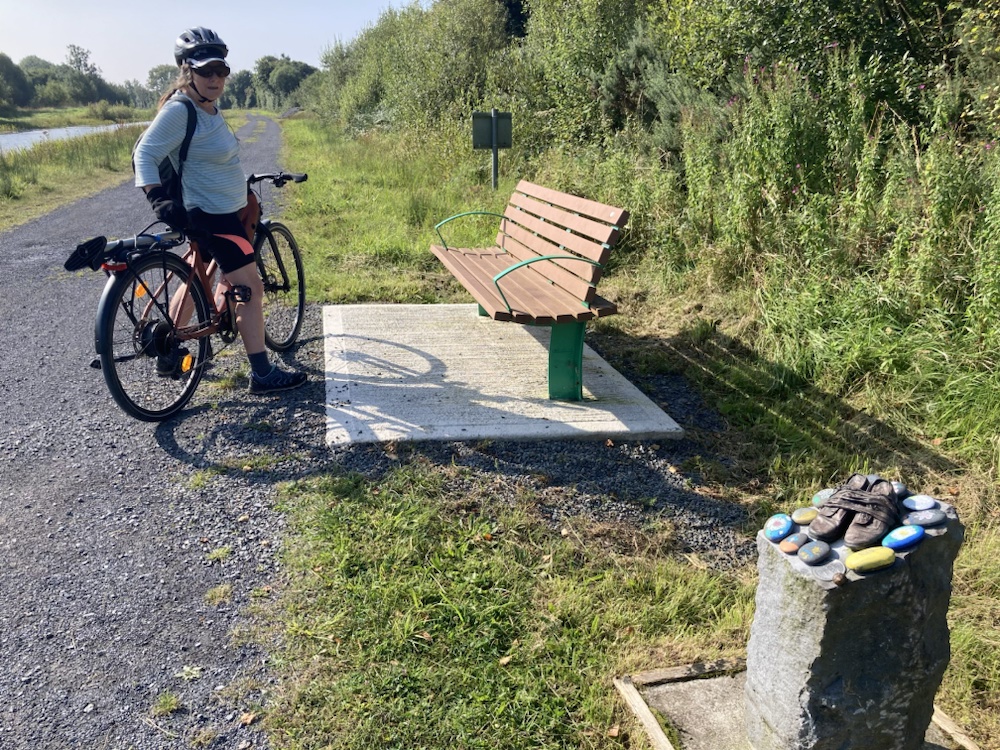
The little shoe sculptures that followed some of the route marked the Famine Way ,a trail that retraced the walk to the famine ships leaving Dublin for America.

But in the summer sunshine the glories of the landscape over shone the heartbreak of the past as we easily glided down the level towpath through the locks.
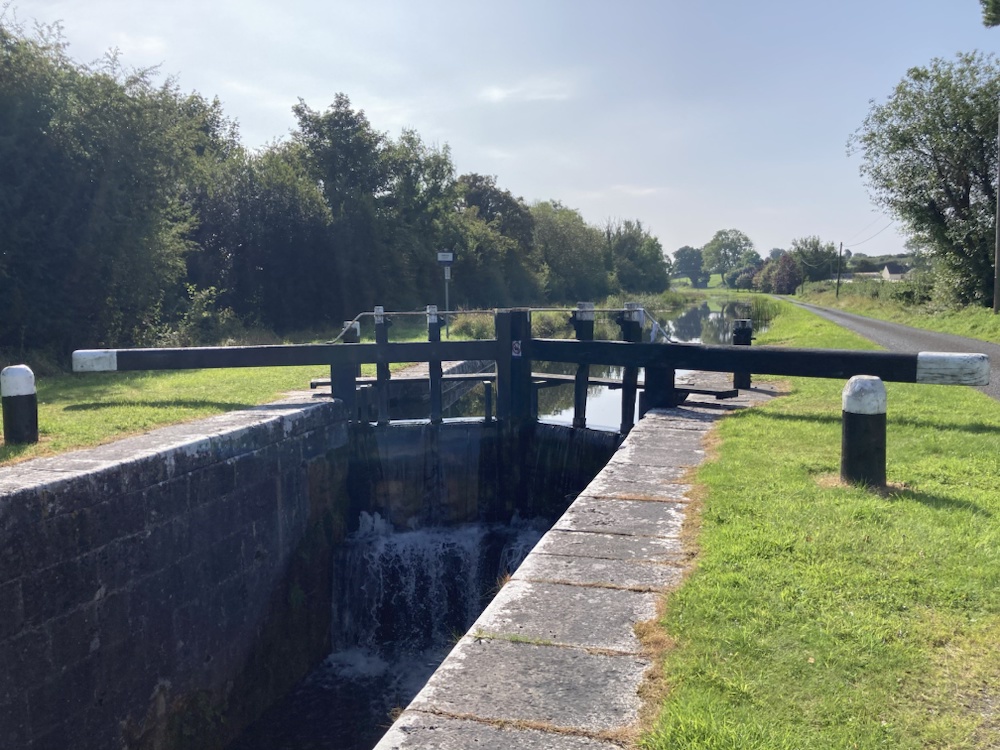


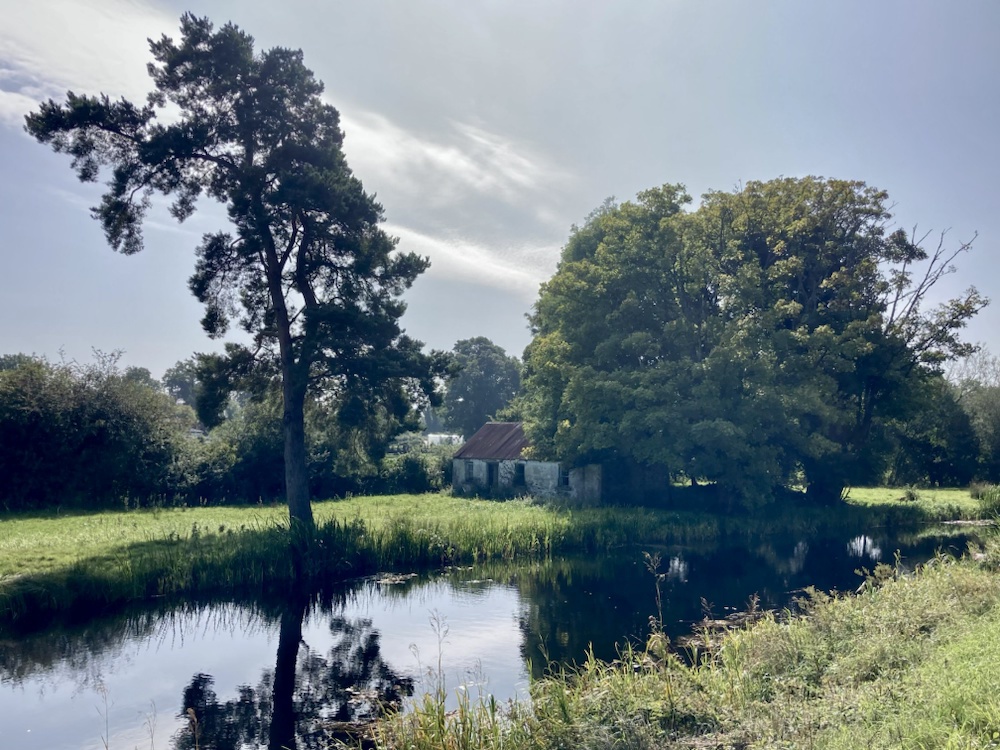
Leaving the canal on a track through the recovering bogland we visited the extraordinary Corlea Trackway. Constructed in 150bc from 1000 wagon loads of oak sleepers laid over a similar amount of birch rails the 1 km roadway connected dry land to an island in the bog where another 1 km of track reached dry land again. An enormous undertaking considering that it was subsumed by the rising bog within a decade.


A pleasant trip on the underused waterways of Ireland and back home via the wonderful native St John’s Wood in Co Roscommon.


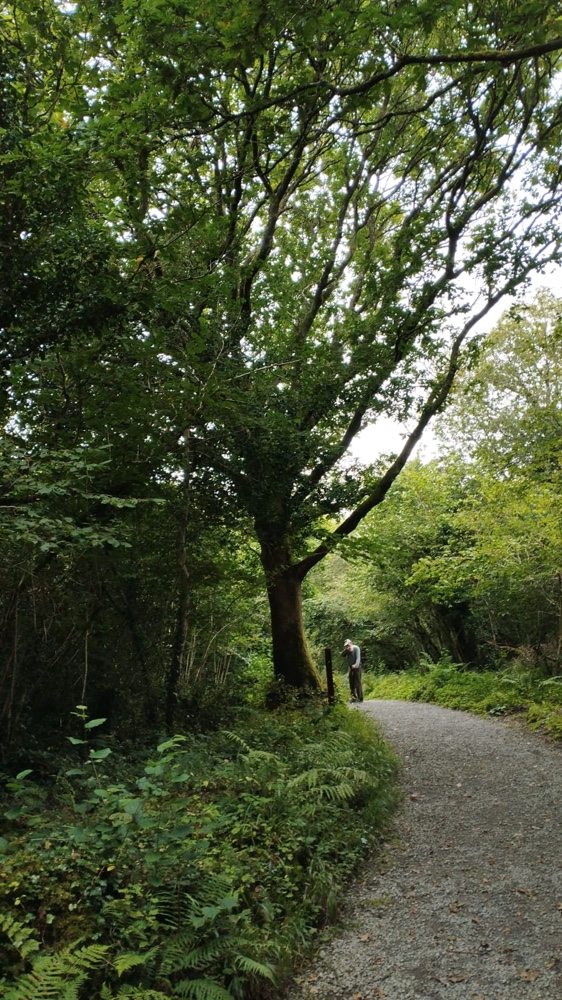
More e-bike cycling later in the summer saw us back on the Westport Greenway- this time on the leg from Mulranny to Achill.
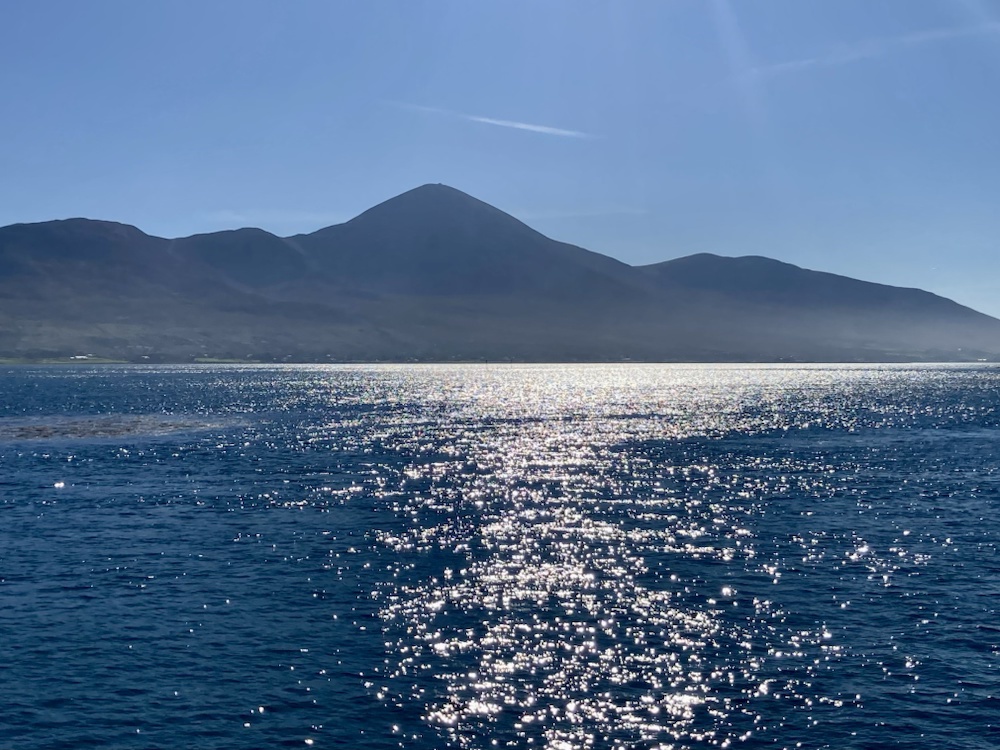
Starting with a boat cruise around Clew Bay under the peak of The Reek we got our bikes at the hotel in Mulranny and headed west through glorious views of sea and mountain.


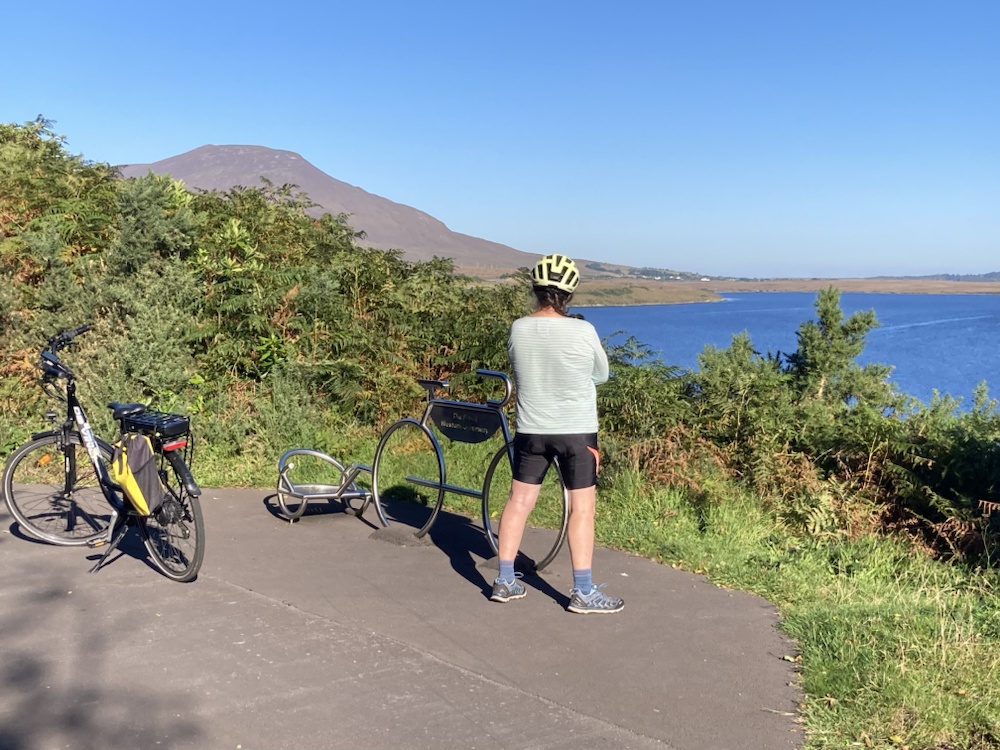
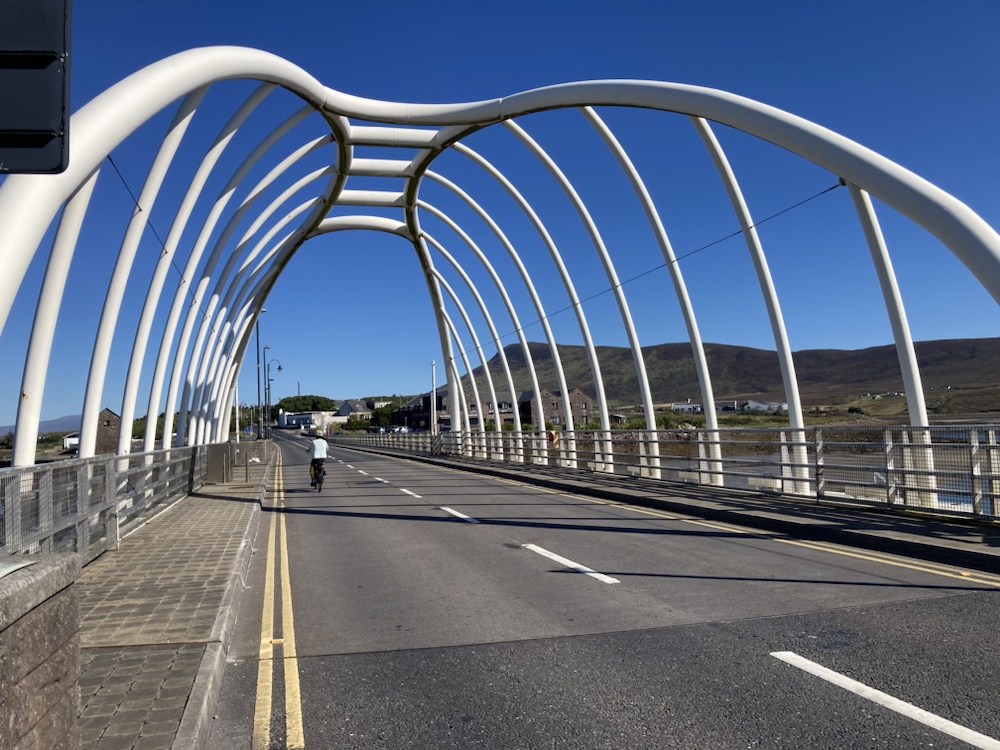
Over the impressive bridge to Achill we continued on the last leg of the greenway and then a left handed loop around the dramatic coastline.
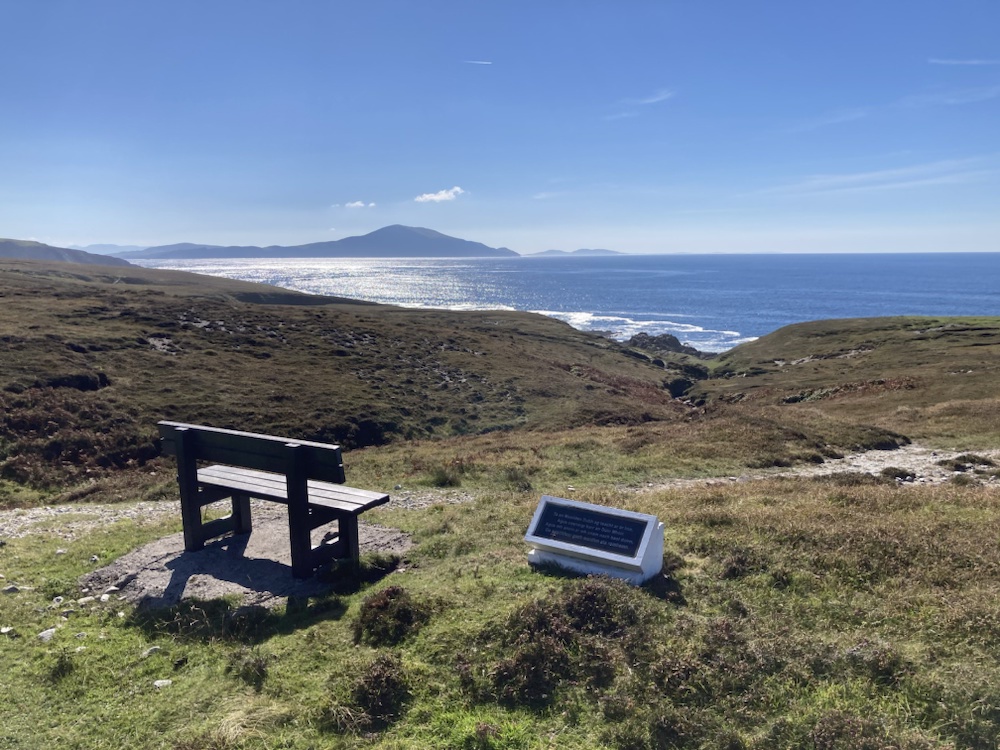

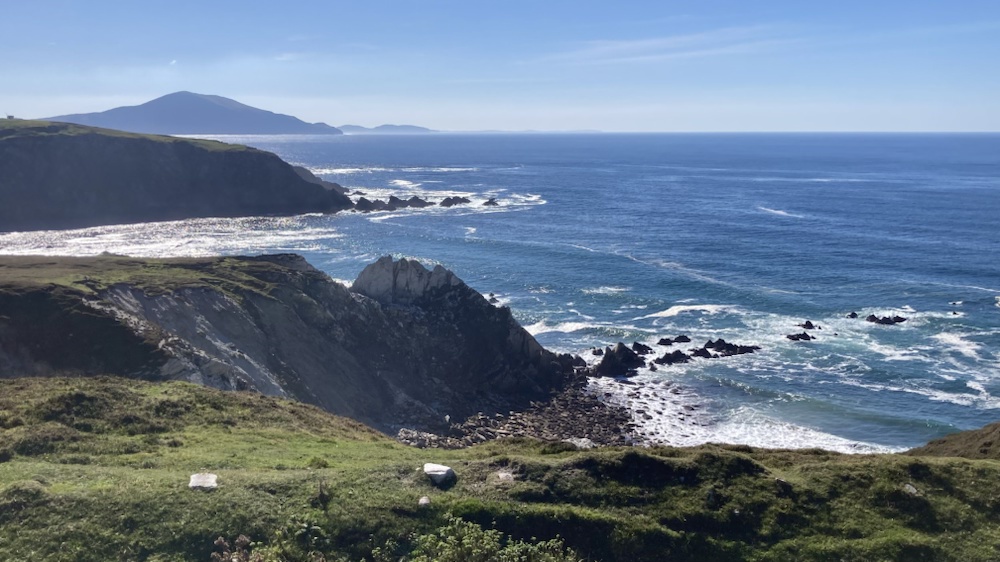
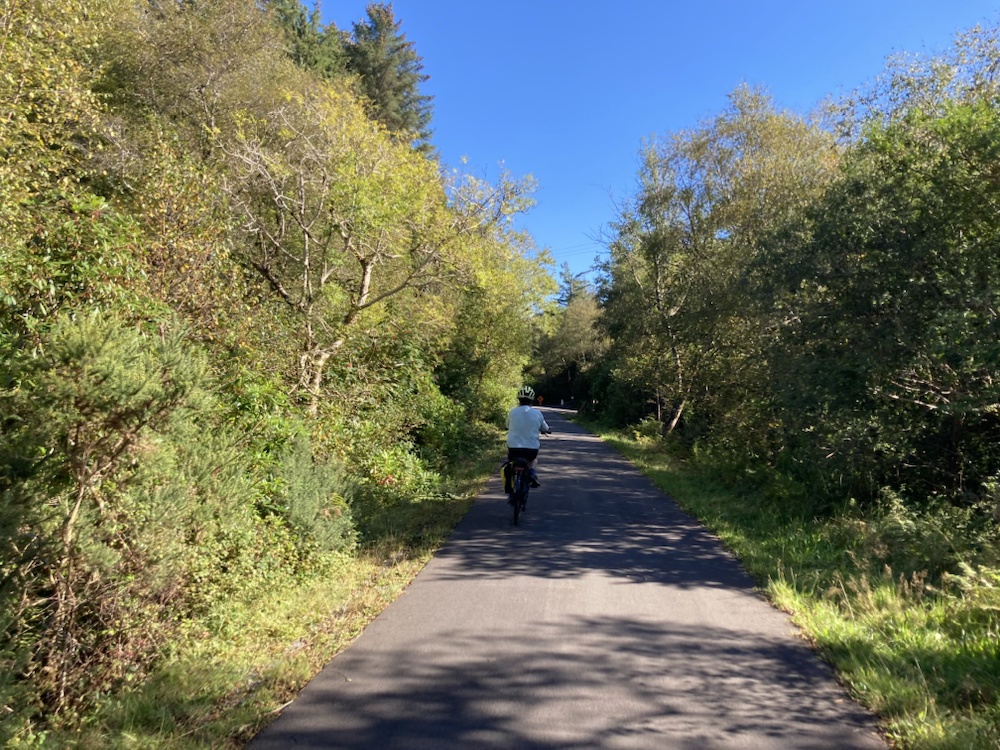
And back to the 4 star spa overlooking the mulchair dune system and beach.
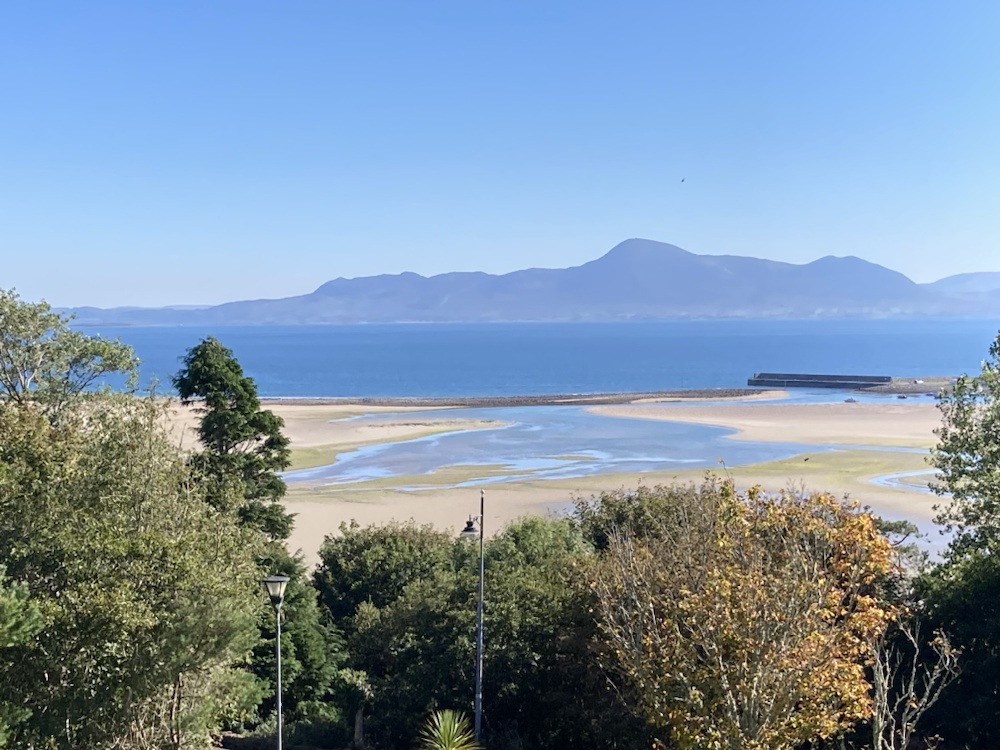
A couple of other luxury hotel stays have raised spirits and spoilt us this year, after a decade of roughing it on the trail. And I’m still hoping to squeeze in another couple.
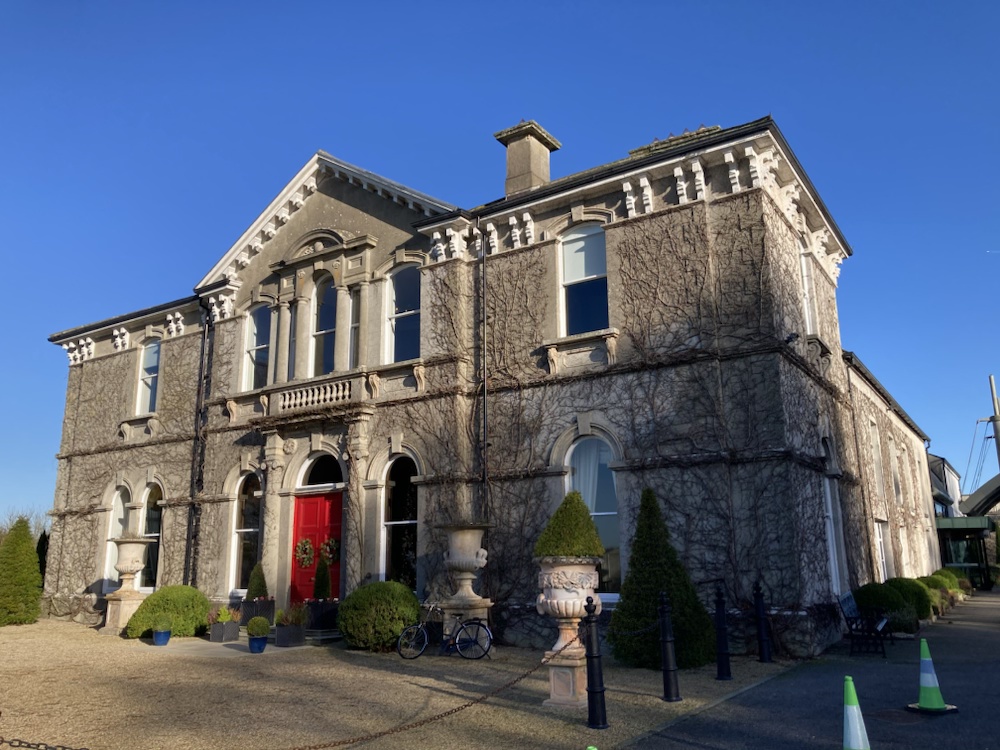

Why not. You only live once.


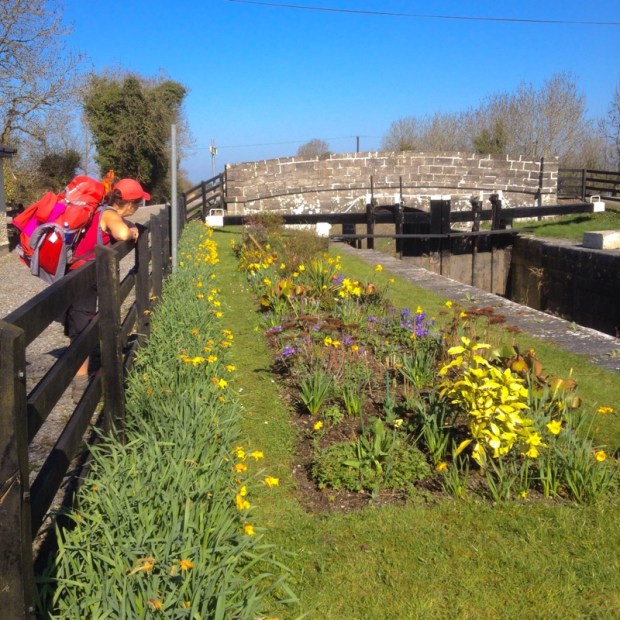

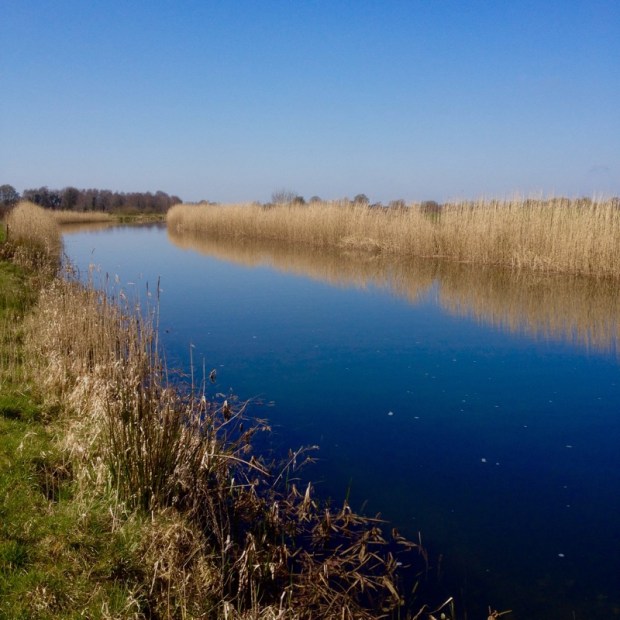
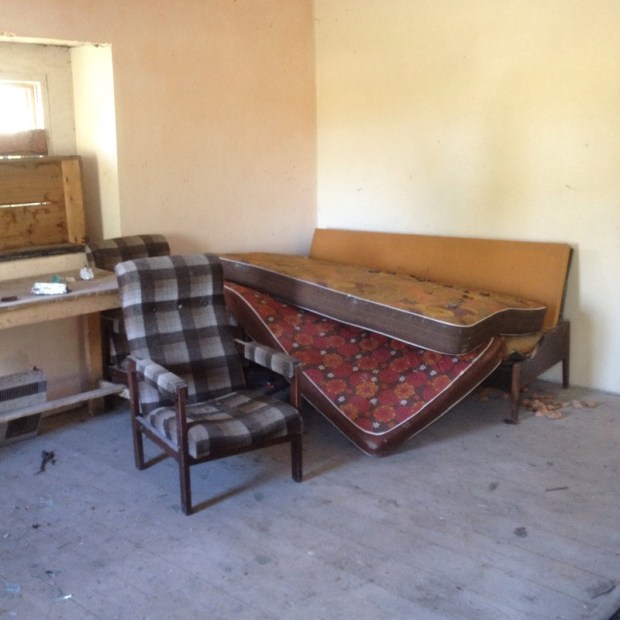
 and across a vast expanse of bog where the turf was being harvested in a way we hadn’t seen before.
 and a derelict lock house with an interior that needed a severe makeover.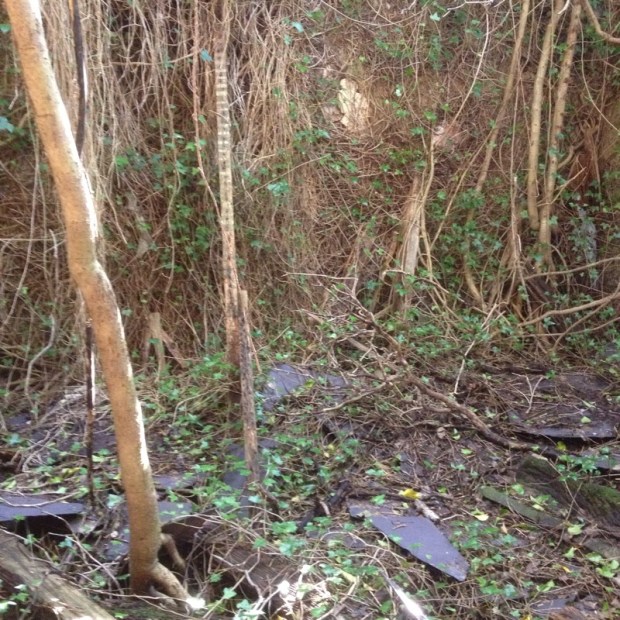
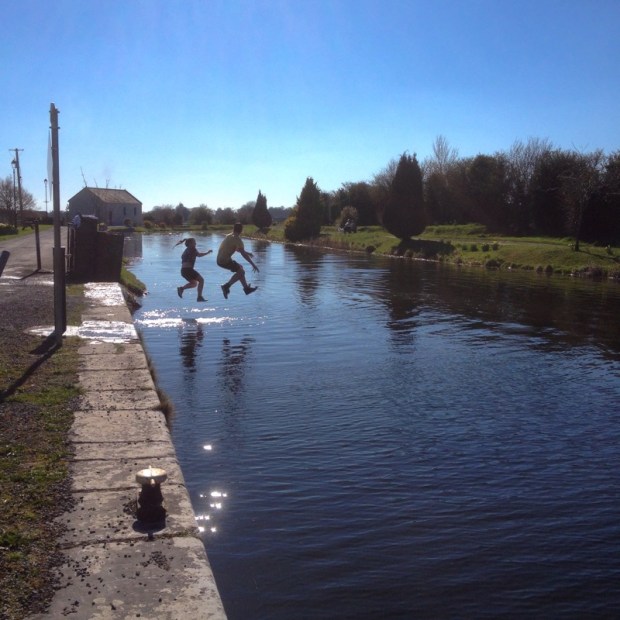 but we needed to go on a bit further to get supplies and camp. Sally headed into Ballymahon, celebrating its massive investment by Centre Parcs, to get dinner while I took all the kit on to Archie’s bridge and set up camp.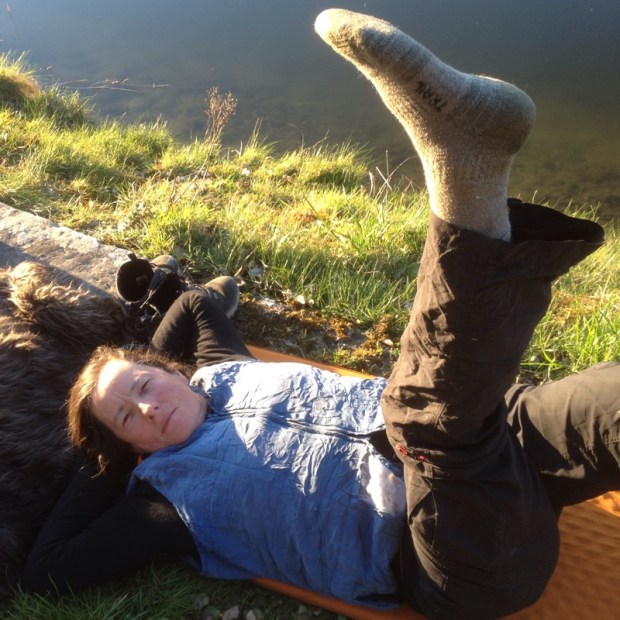
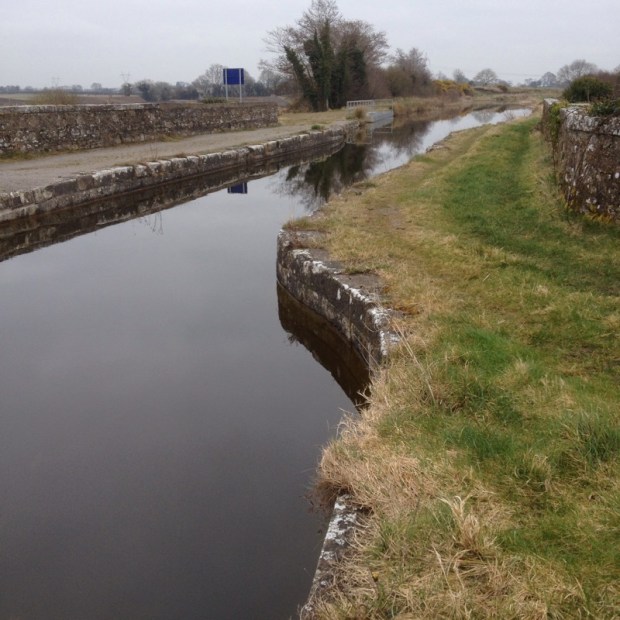 The aqueducts are very hard to photograph Lord knows how hard to construct. My admiration for the engineers and labourers of the time grows with every passing km.
 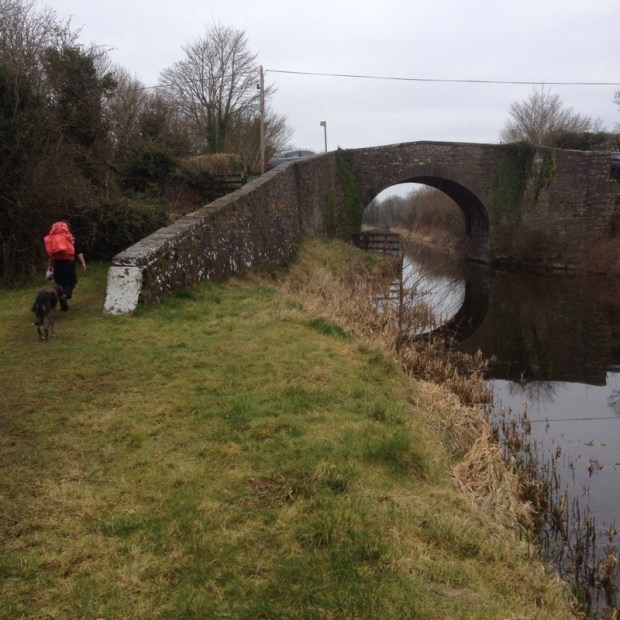 the canal went through a lovely wooded stretch awns the towpath became narrow and lined with primroses.


 No luck beyond Guiness ,lager and crisps which kept us going another 8 kms to the great pub restaurant Nanny Quinns at Thomastown harbour where we had a slap up.
  Near here were moored up the last two working barges on the canal but it must have been awhile ago.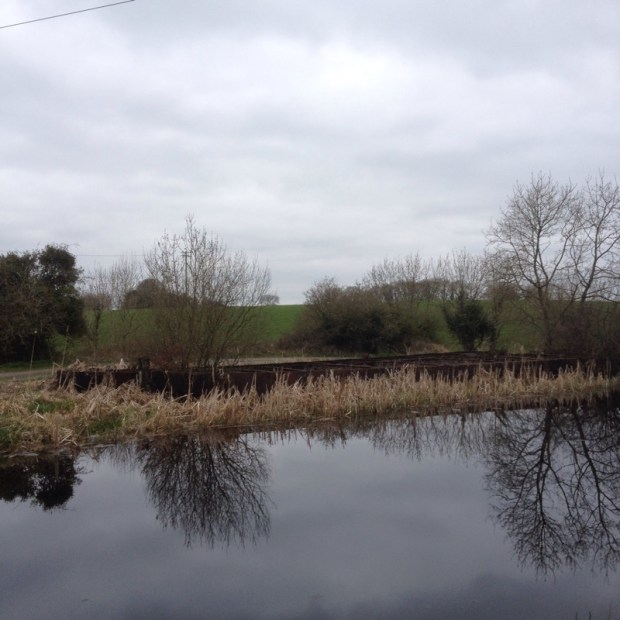
 A nice lad had just got himself a 20 grand bargain. New Diesel engine,7 year old steel hull. Him and some mates were taking it down to Dublin to live on. Their first boat trip. It had already involved a trip to hospital for a load of stitches after the lock key had spun on the rachet and cracked yer mans head open. Good luck to them.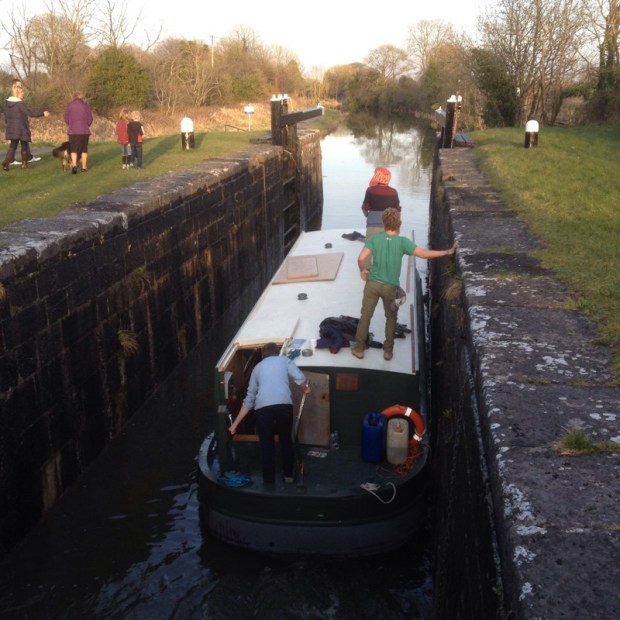
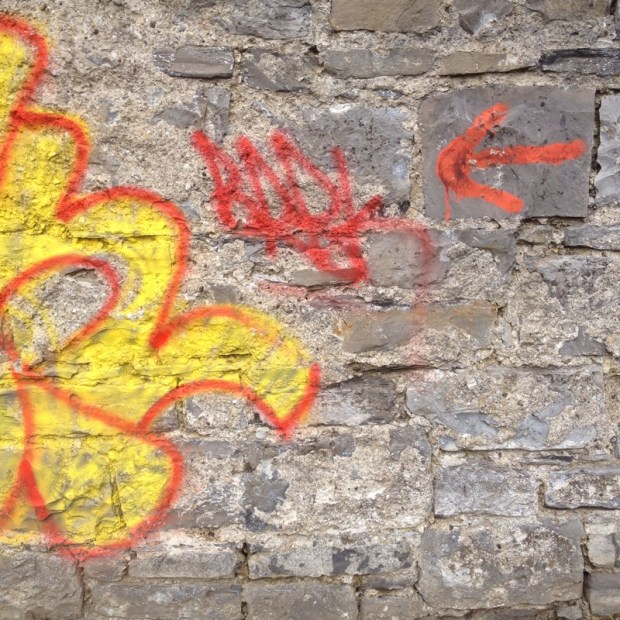
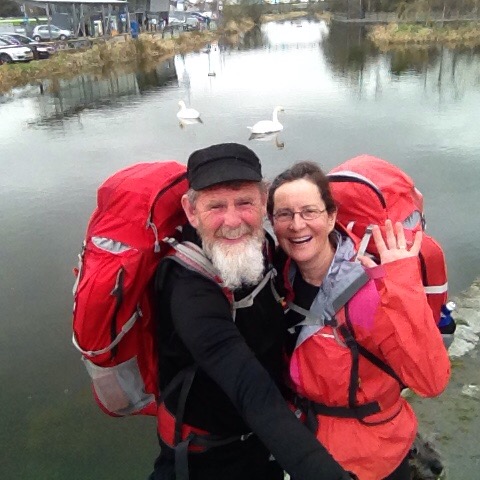 In my relaxed state I was intent on starting to walk the wrong way, East rather than west, but luckily I now have a track buddy to put me straight. And I’m still following arrows
  We followed this wall, of St Patrick’s college for a good long way, they must have some serious amount of land on campus. We went up through two locks and noticed how short and narrow they appear to be. You’d only get one boat in at a time. But there is almost no boats on the move anyway. This was the only one we saw all day.
  After we walked the Grand Canal a few years ago we thought how underused the whole amazing resource was and the Royal seems the same. There’s some fine bridges that have to accommodate the canal, train track, river and one bridge even had a arch just for the towpath.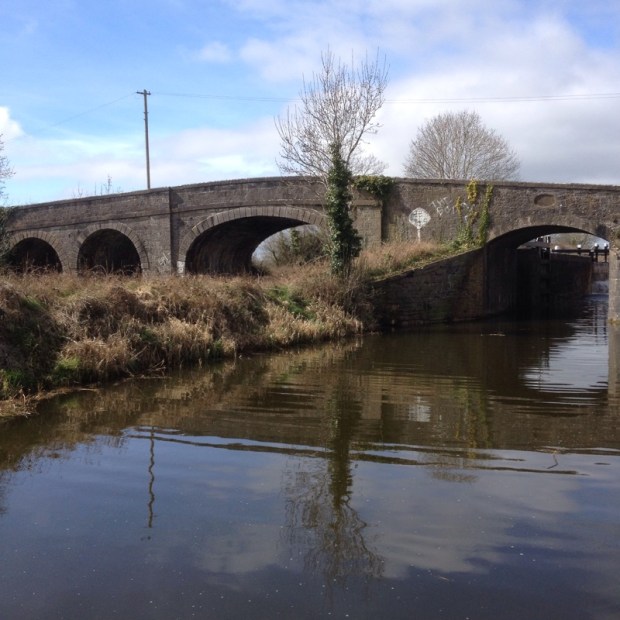
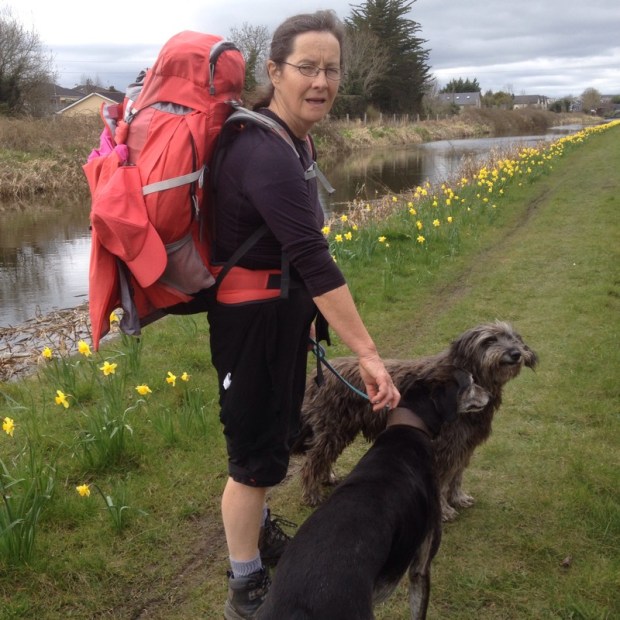 where they were very keen on waterpolo and had numerous goals slung across the water.
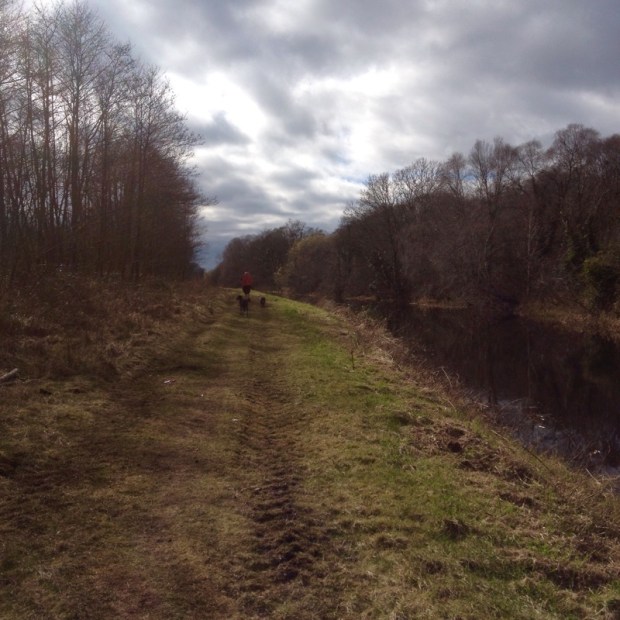


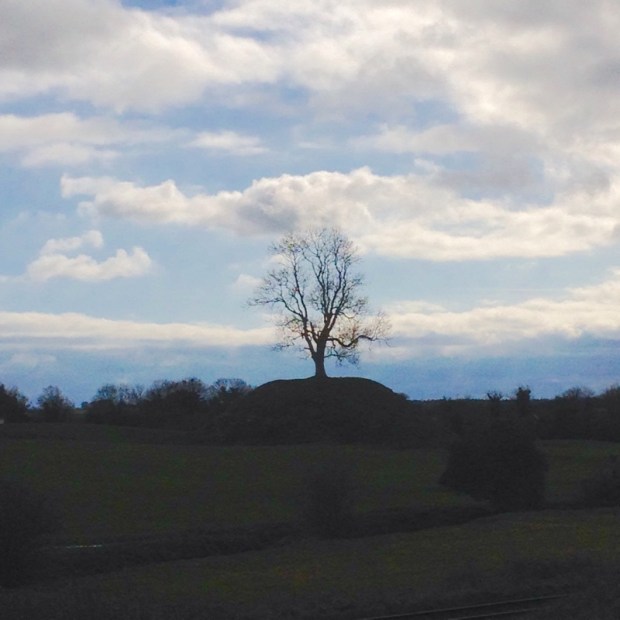


 Steve Barham