SPAIN

EL SALTILLO-Getting high in Axarquia

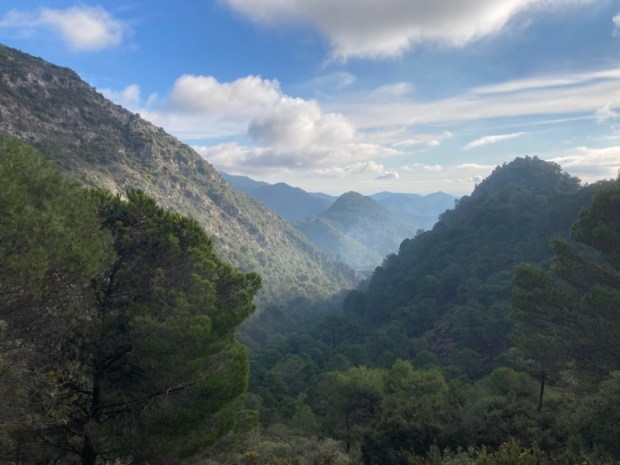
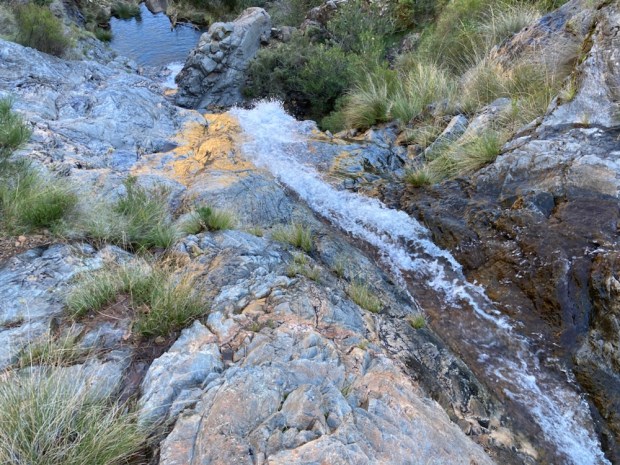
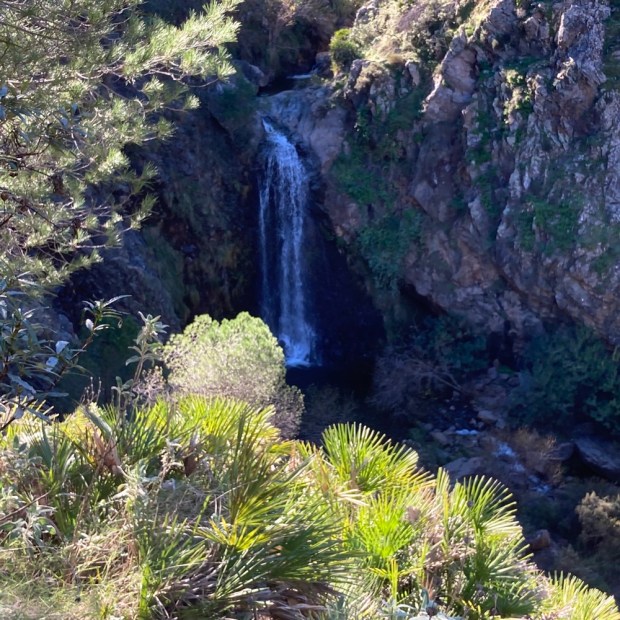
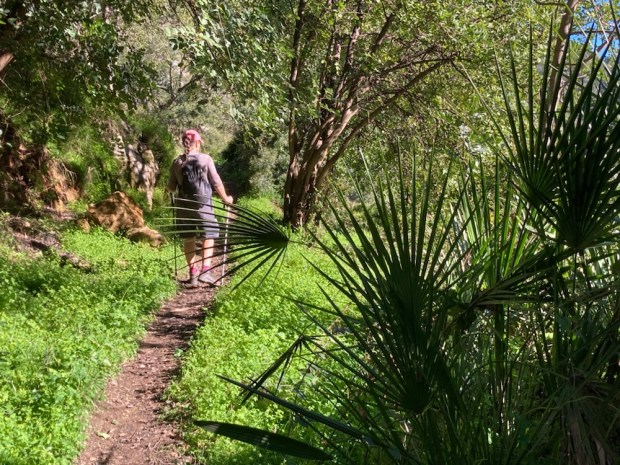
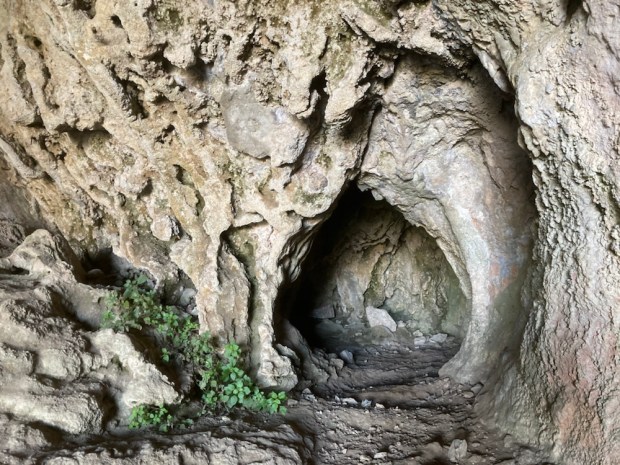
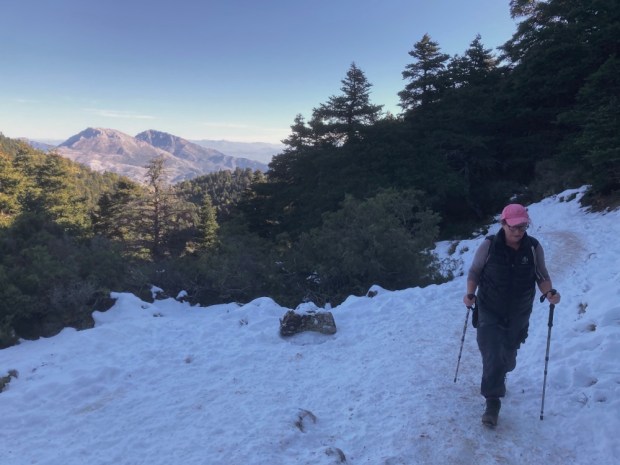
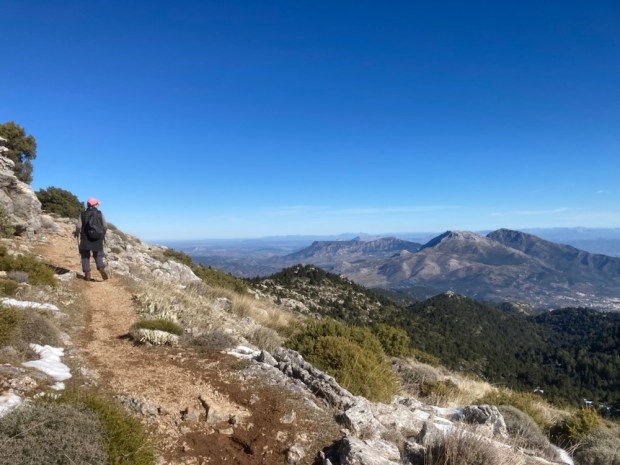
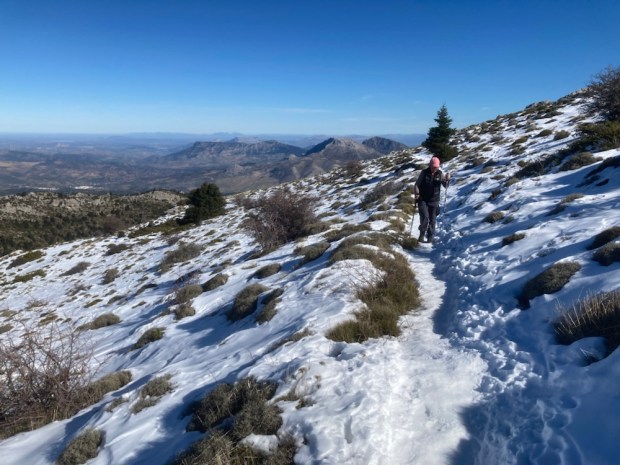
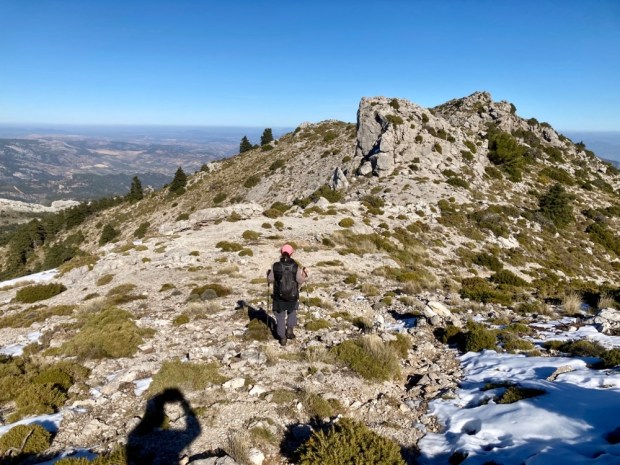
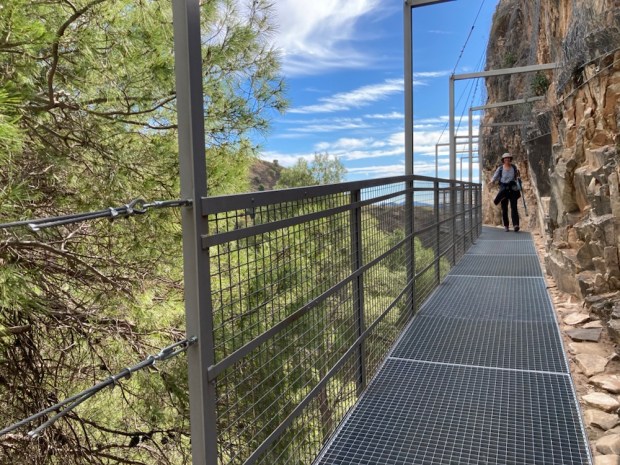
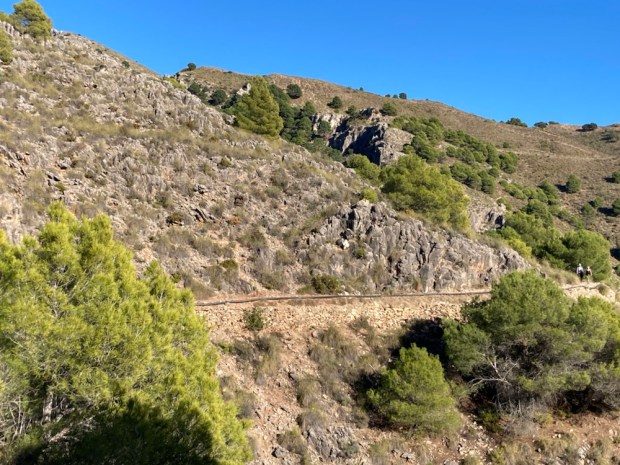
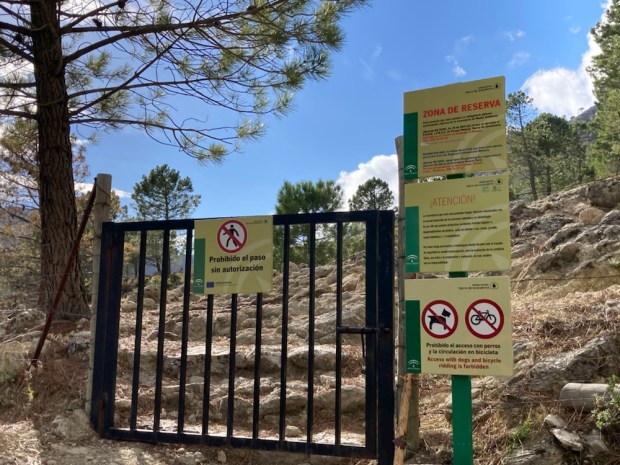
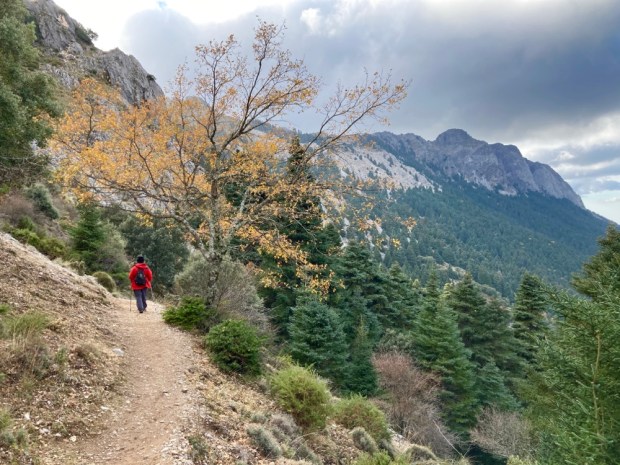
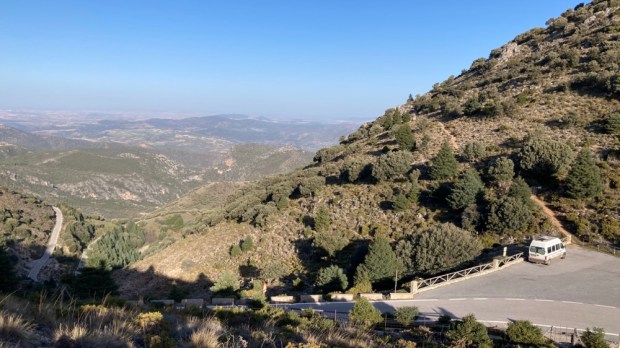
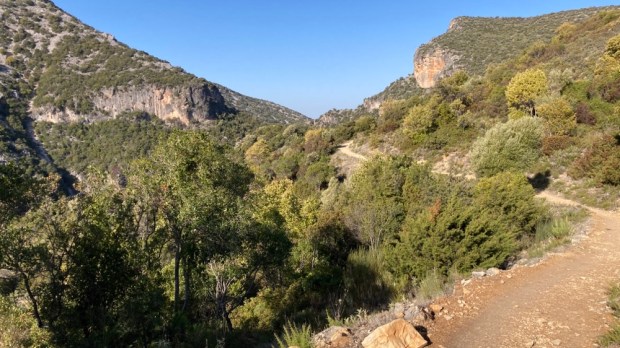
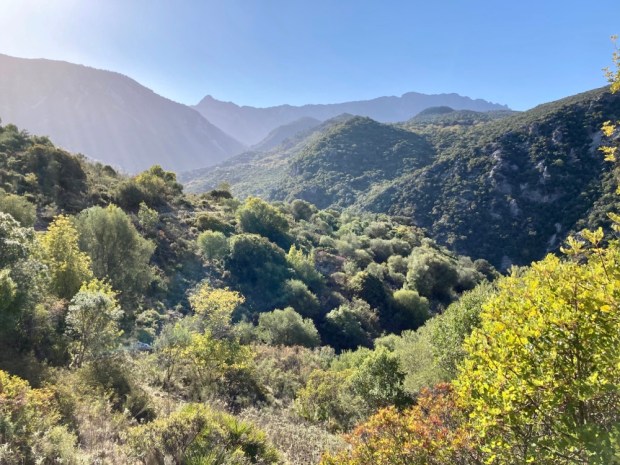
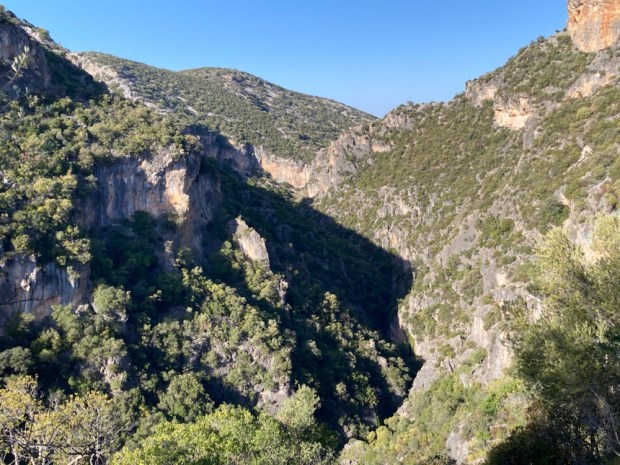
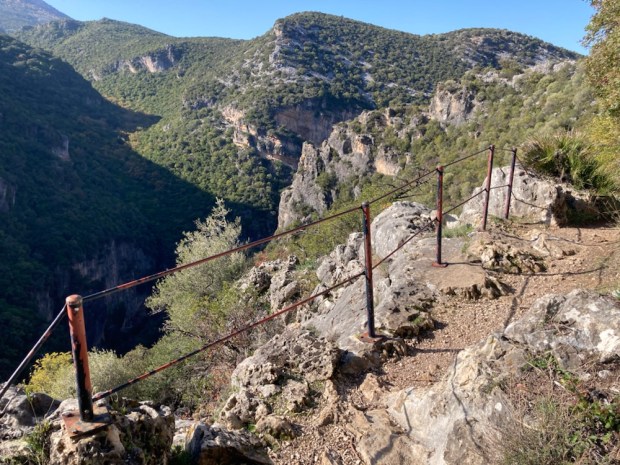
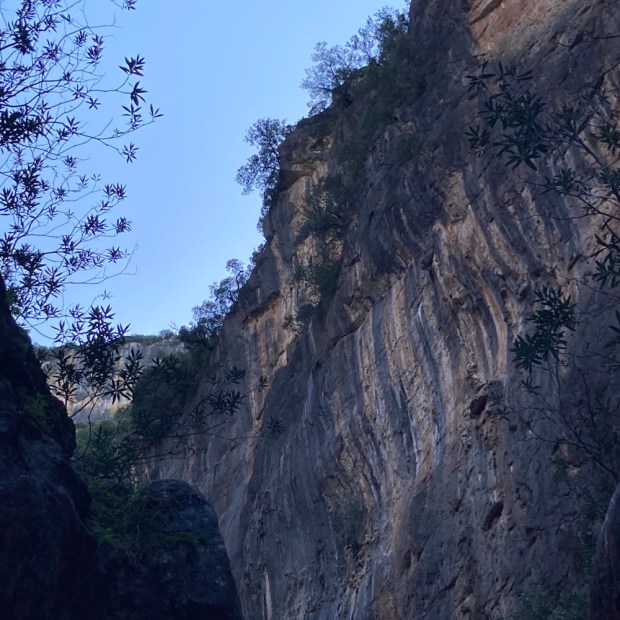
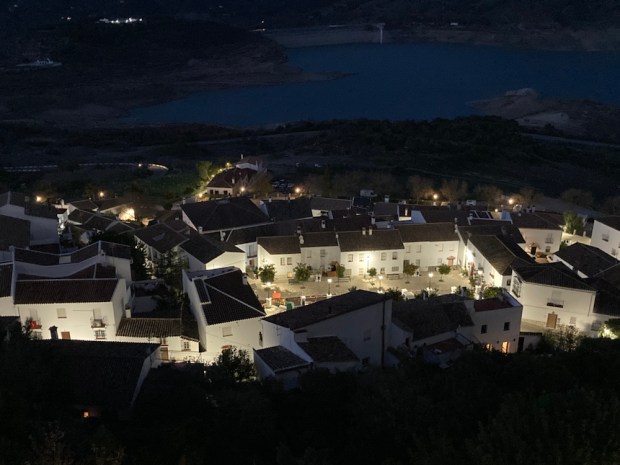
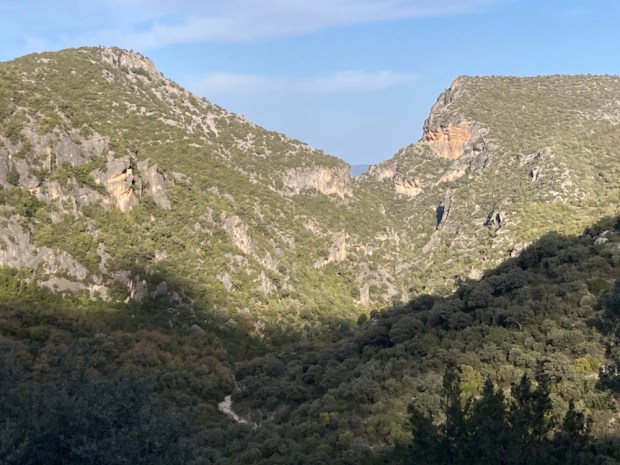
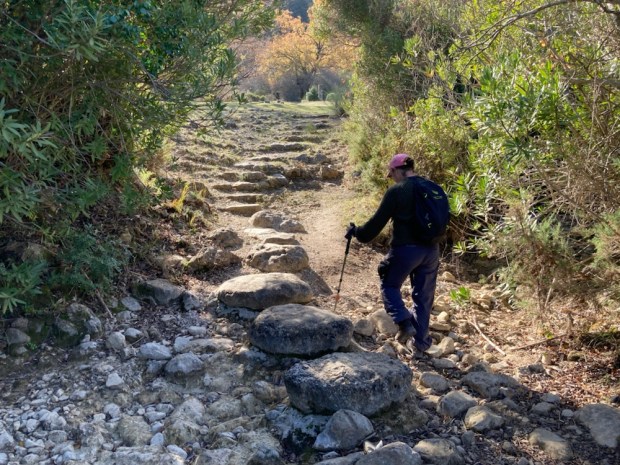
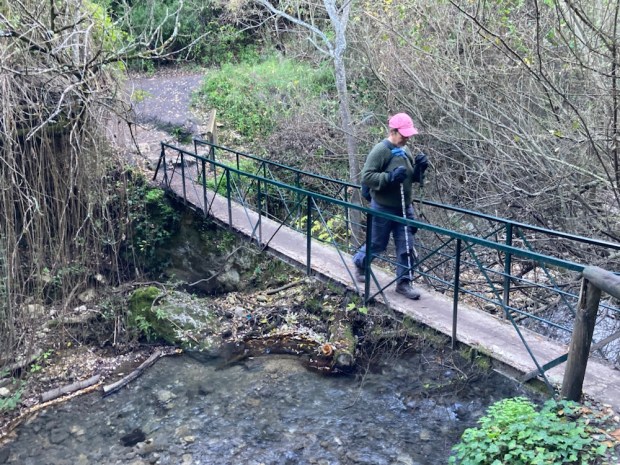
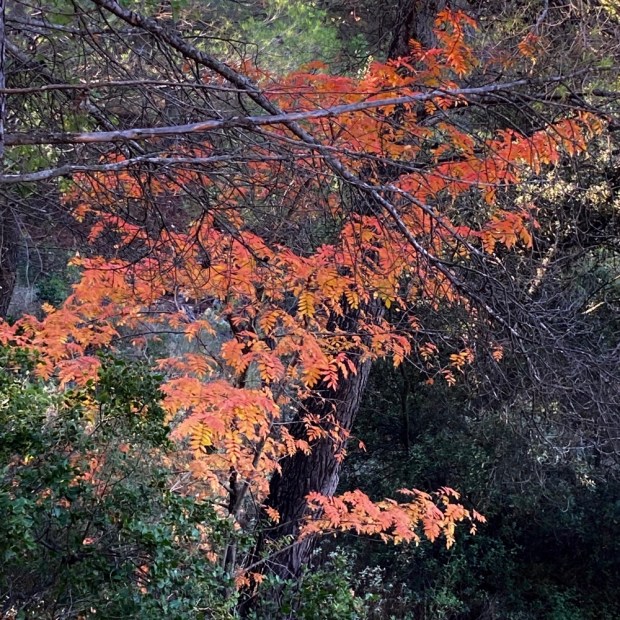
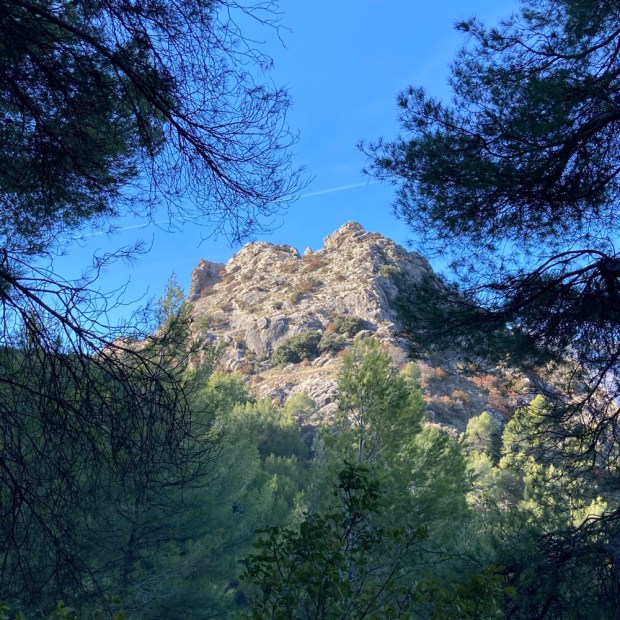
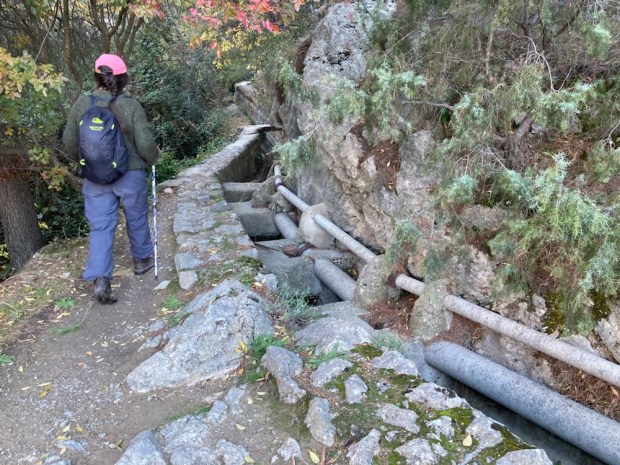
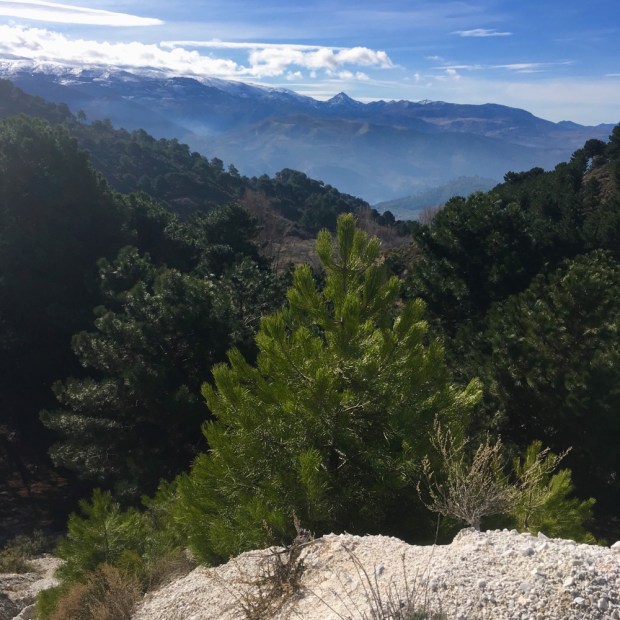
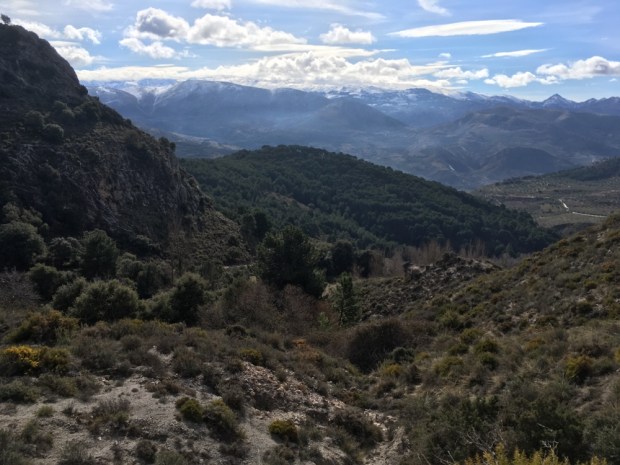
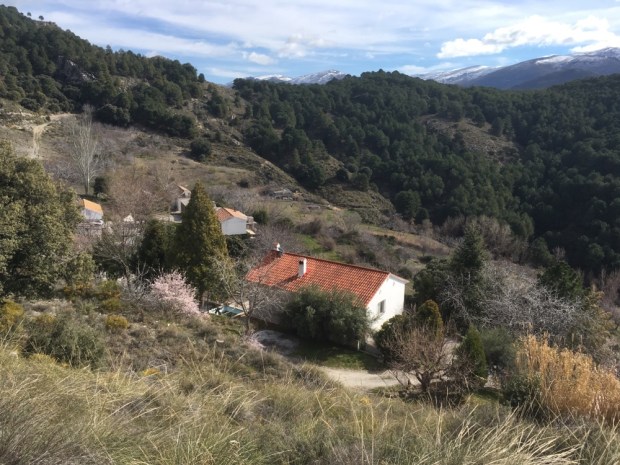
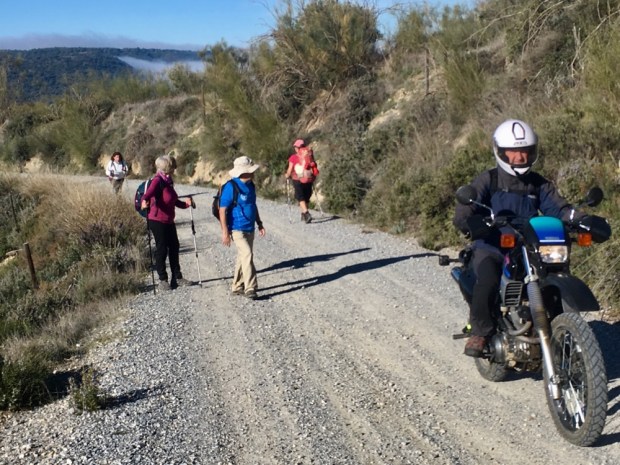
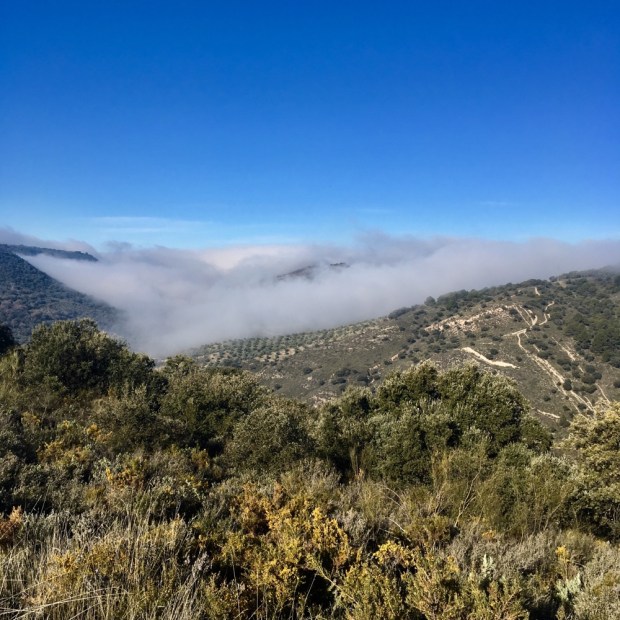
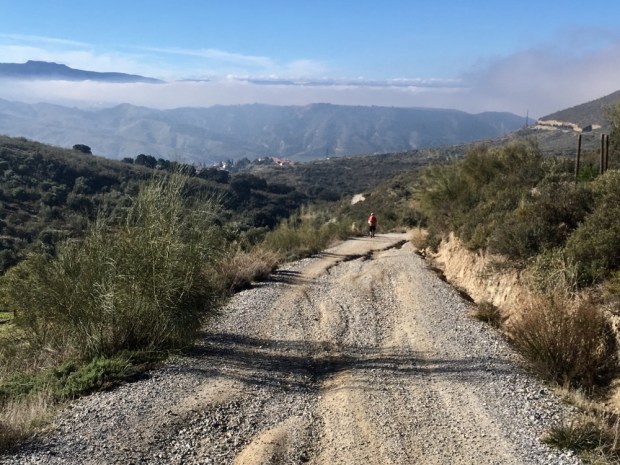
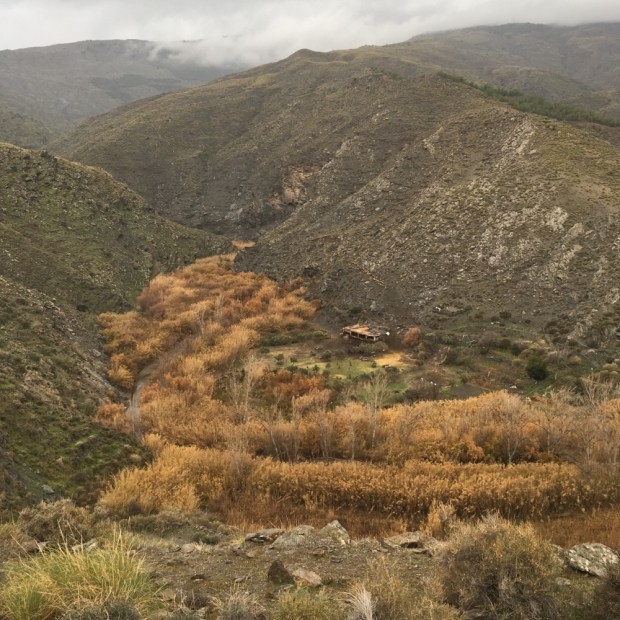
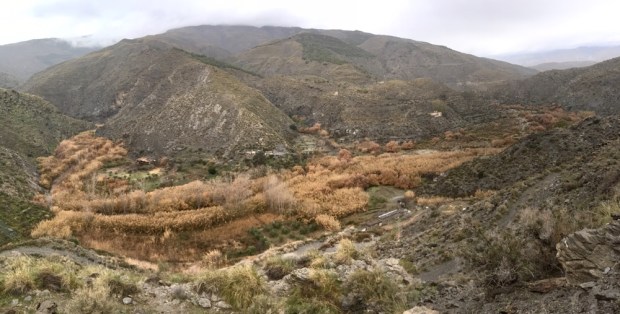
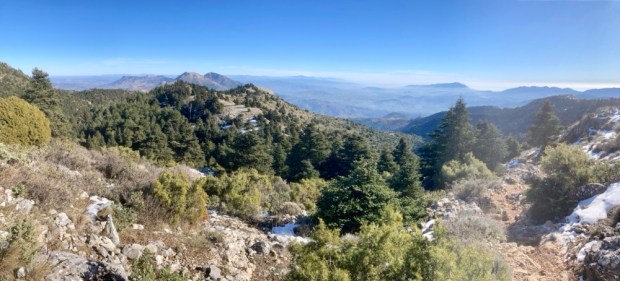
A dramatic walking route opened in the Parque Natural de Tejeda, Almijara y Alhama in October 2020 after many months construction. An old path following irrigation canals and pipes into the mountains above Canillas de Aceituno was transformed with a steel and timber suspension footbridge and other hanging walkways fixed to sheer cliff faces.

The €600,000 investment is hoped to bring in much needed tourist revenue to the area and it seems to be paying off. The day we tackled it the town at the start was busy with people with poles, and the pandemic has led to many more people exploring the vast natural areas away from the more crowded costa. In fact some places such as the Caminito del Rey and El Torcal have become a victim of their own success with long queues, traffic jams and overcrowding but we’ve always found that away from the honey pots Andalucia has space aplenty.

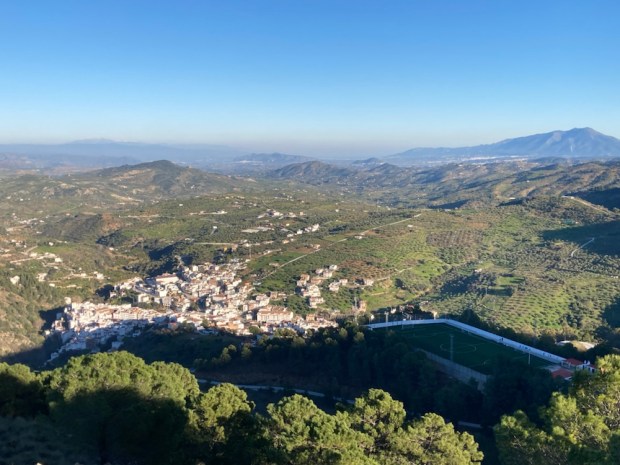
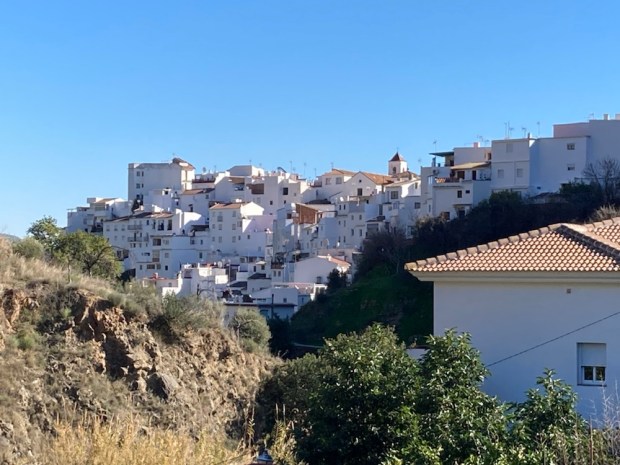
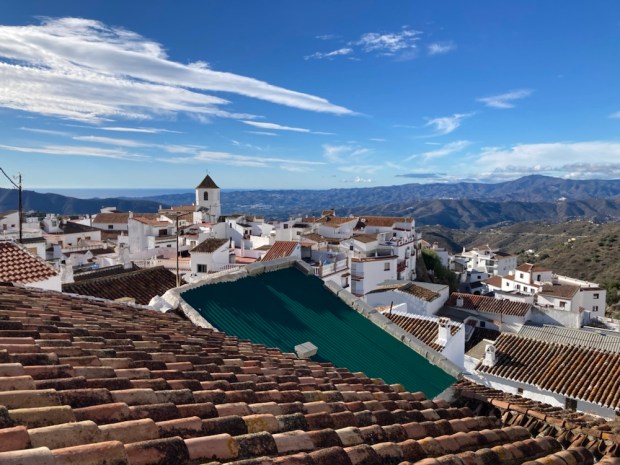
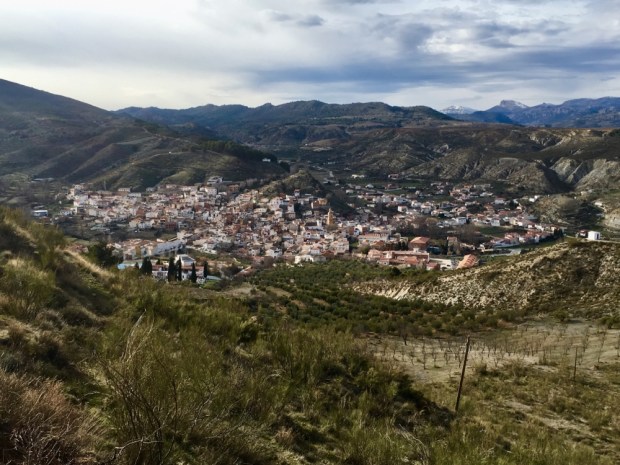
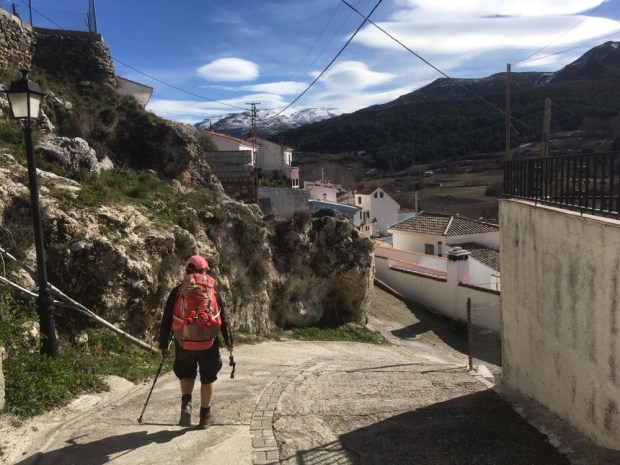
The walk starts in the Pueblo Blanco of Canillas de Aceituno at about 600m. If you just go to the bridge it’s a 8 km out and back but we were going to continue on and up to a mirador to make a hike of 11km.

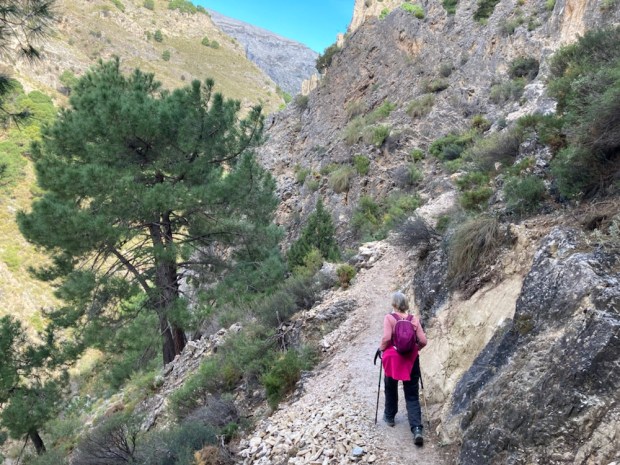
After a quick coffee we followed the signs steeply out the back of the town on a route that continues to the summit of Maroma, at 2065m, the high point of Malaga province.

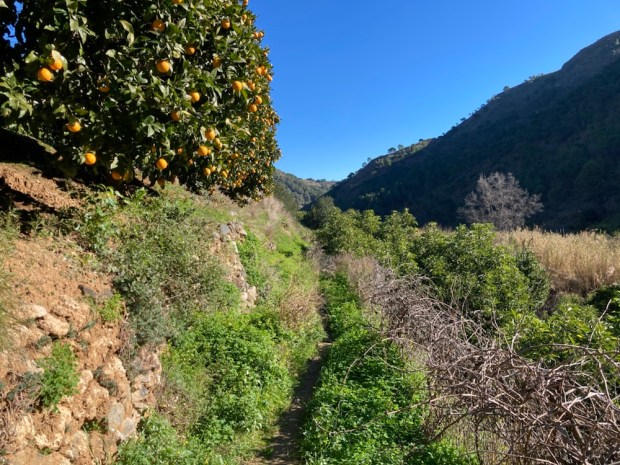
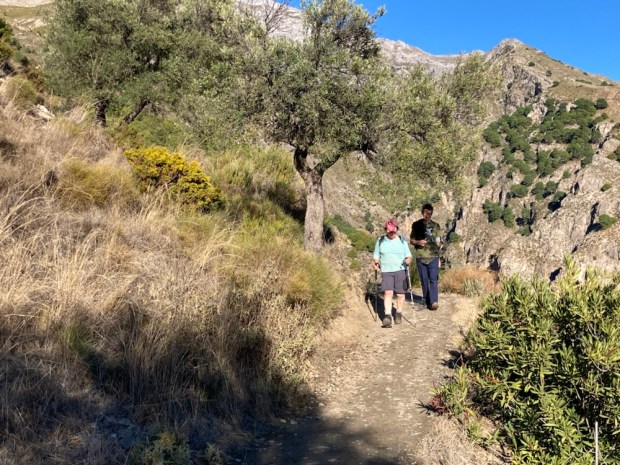
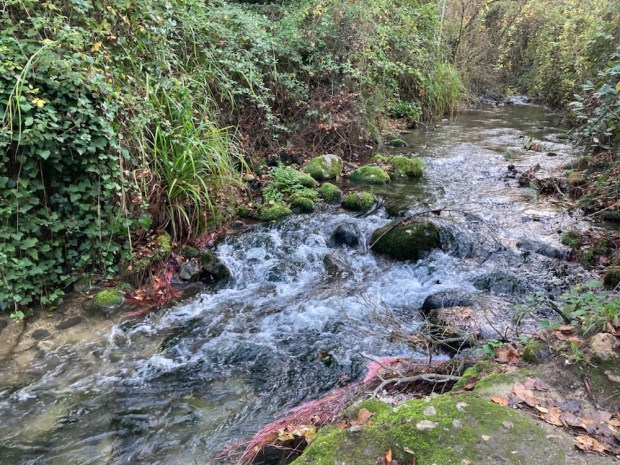
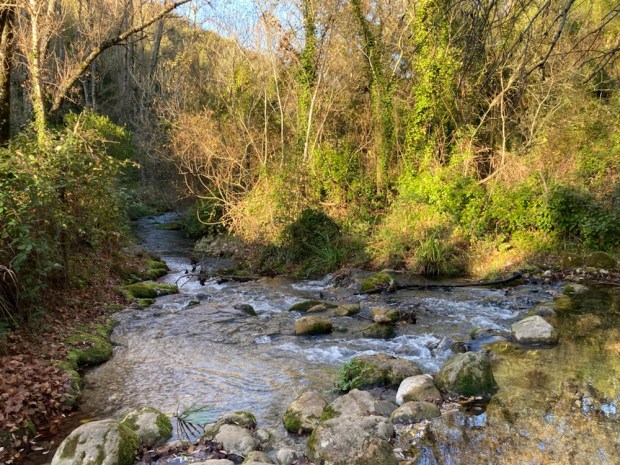
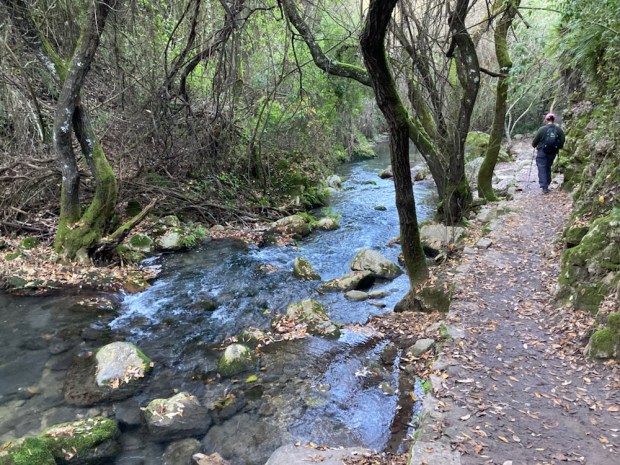
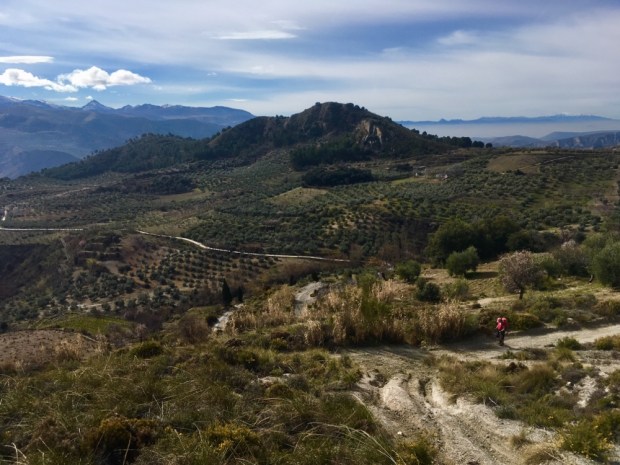
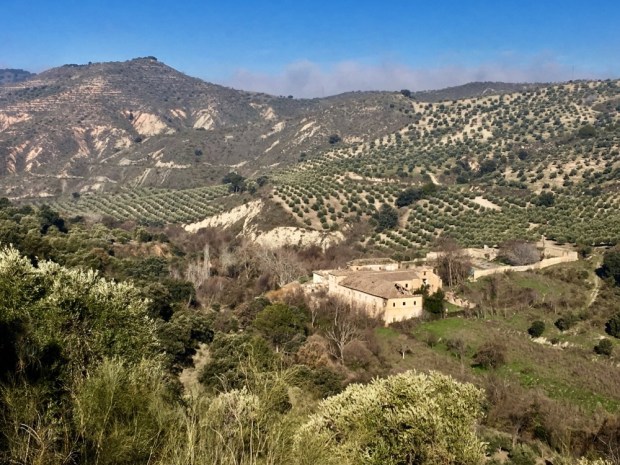
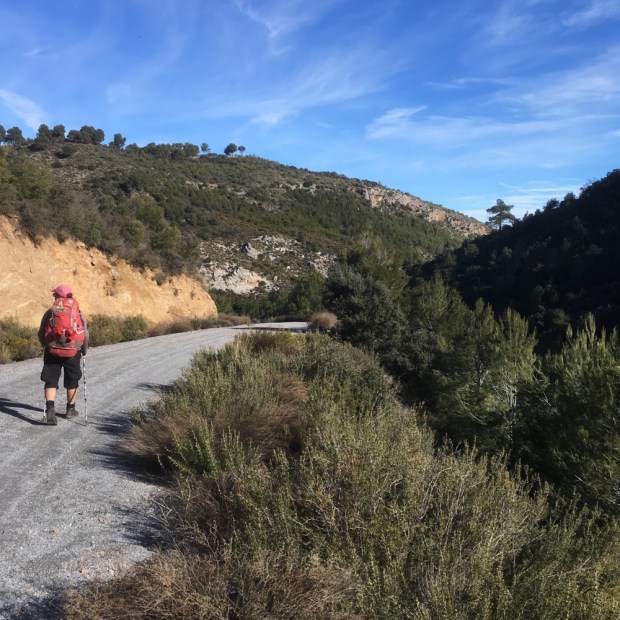
The way led up beside orchards and olive groves with the burbling waters of the acequia rushing along at our feet bringing life giving waters from the Sierra to the crops of the Axarquia.

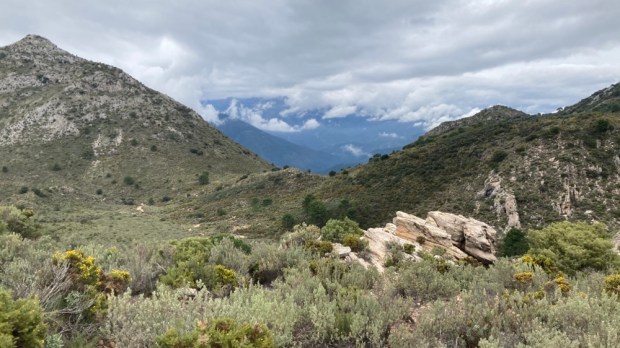
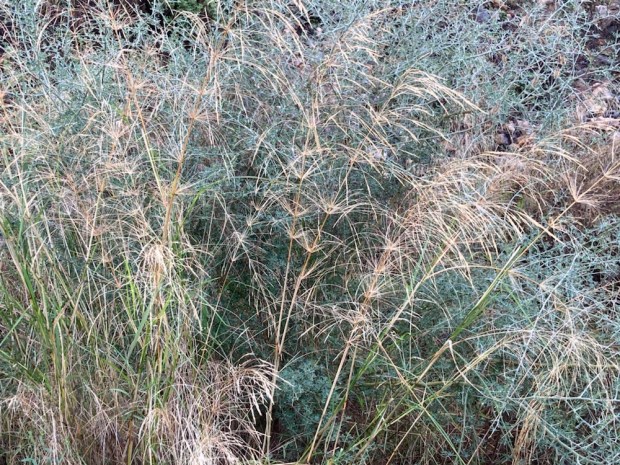
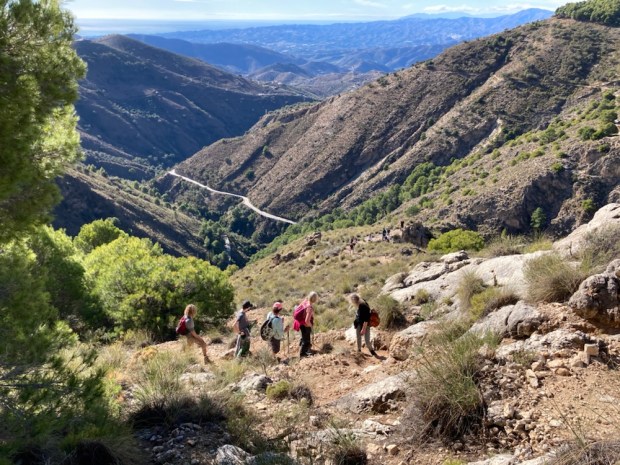
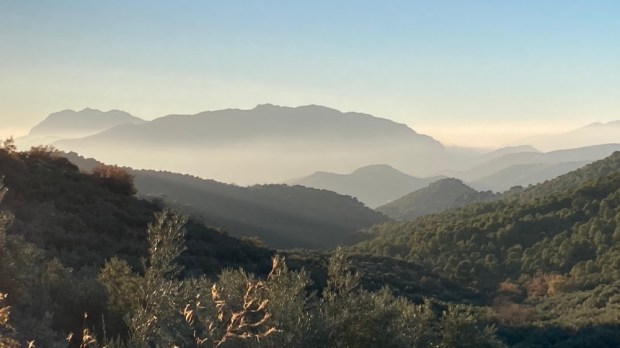
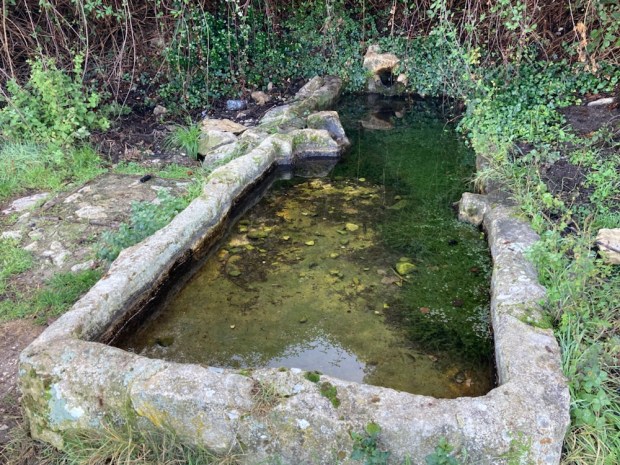
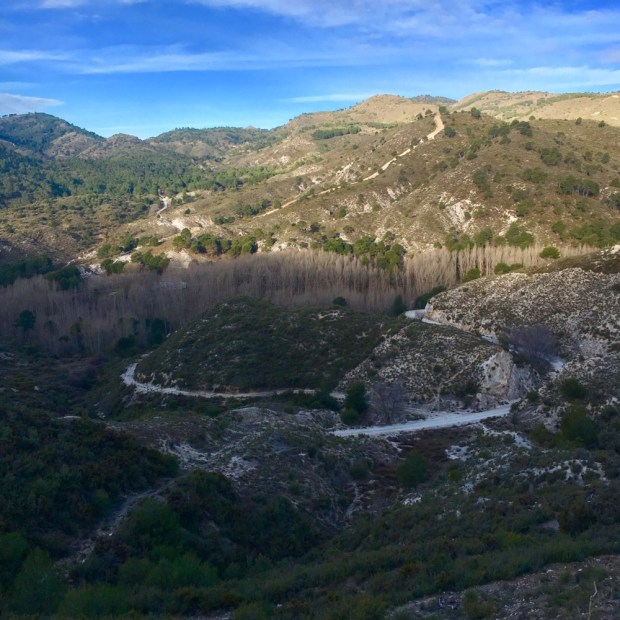
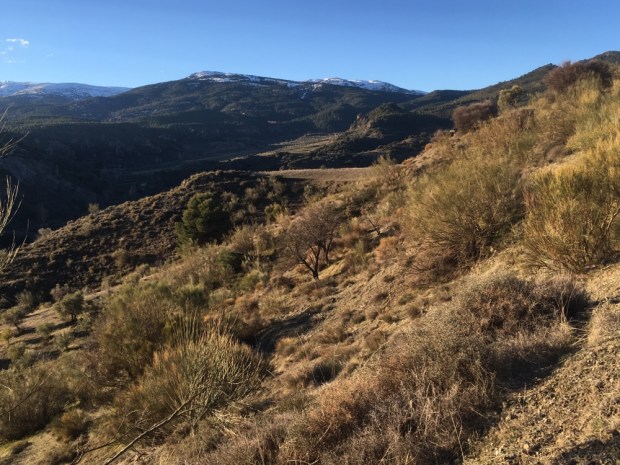
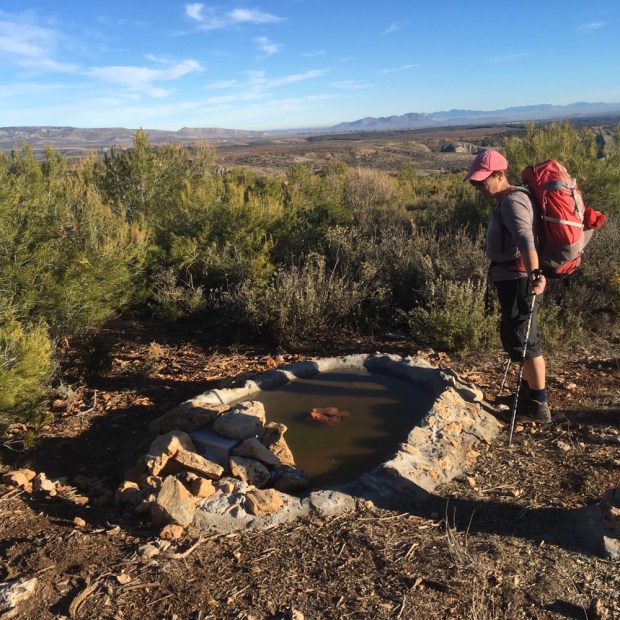
Away from the town the surroundings got rugged rapidly with the path following the contours of the land through scented pines and Mediterranean scrub of gorse, thyme and esparto. The ridges of the mountains above us separate the provinces of Granada and Malaga, which we looked out over to the west, as we rested and watered at El Albercon pool.

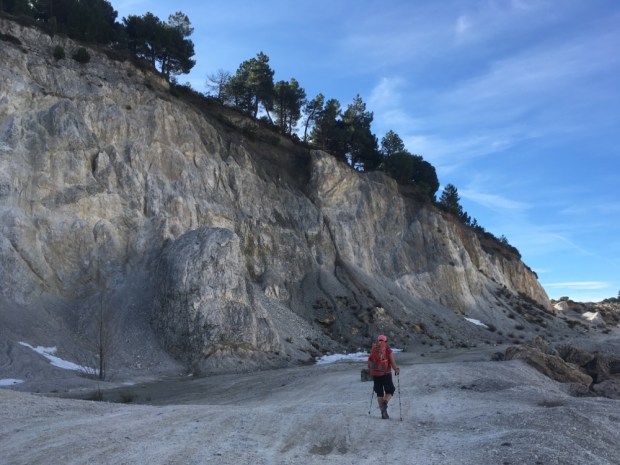
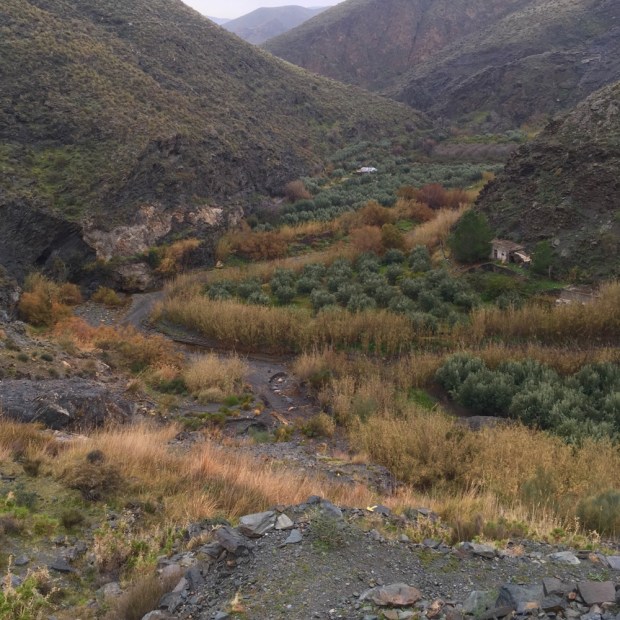
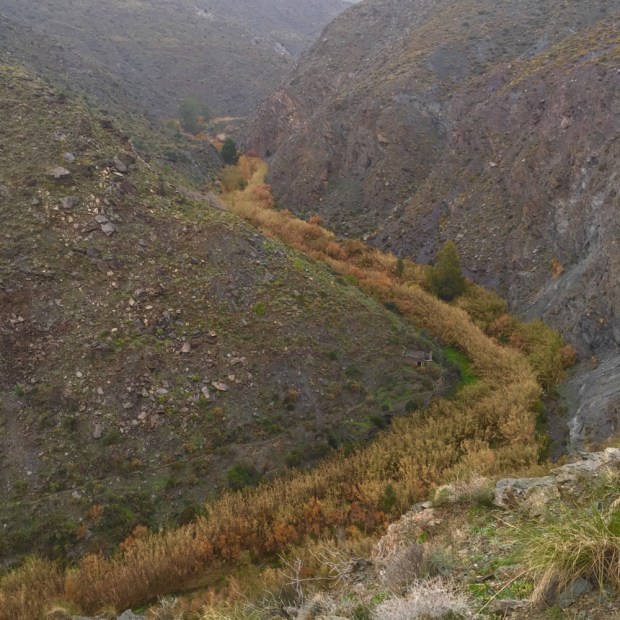
The deep folds and convoluted ravines we crossed showed signs of former lives with ruined buildings clinging to the shaley slopes. There was mining in the past and fine sand was collected from the mixture of eroded gneiss, quartzite, schist and limestone.

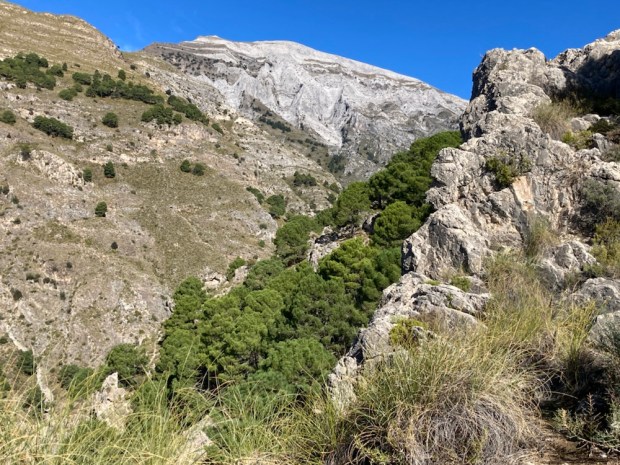
At about 3km in the summit of Maroma came into view and shortly after the suspension bridge below us.

Things got interesting as we negotiated our first fixed steel walkway and signs warned of the dangers of falling. In fact a women had fallen to her death shortly after the trail was opened and you need to keep your wits about you.

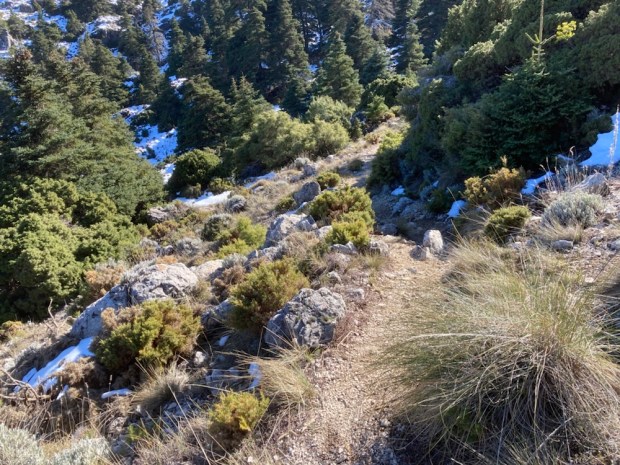
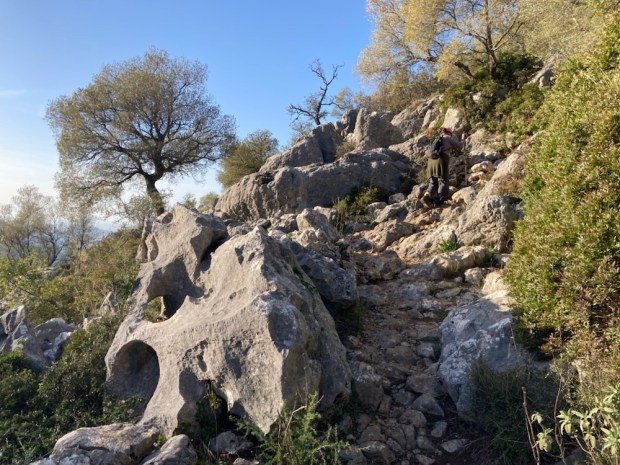
The trail forked, to the left more walkways and a trail led around the mountain to meet the waters of the Rio Almanchares at waterfalls and pools while ours to the right took us steeply down on giant steps through the pines, to cross the ravine 80m above the river.

An impressive feat of engineering, the 55m long bridge is Spain’s 3rd longest and involved helicopters, zip wires and mules in its construction.

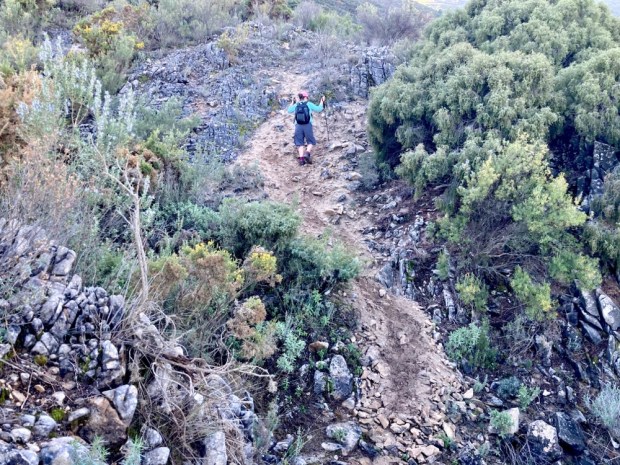
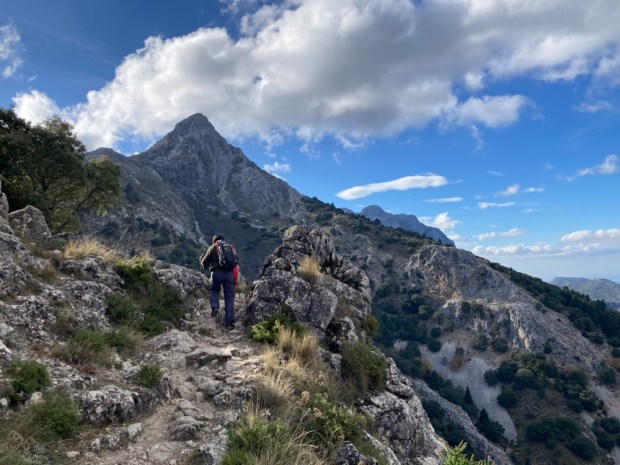
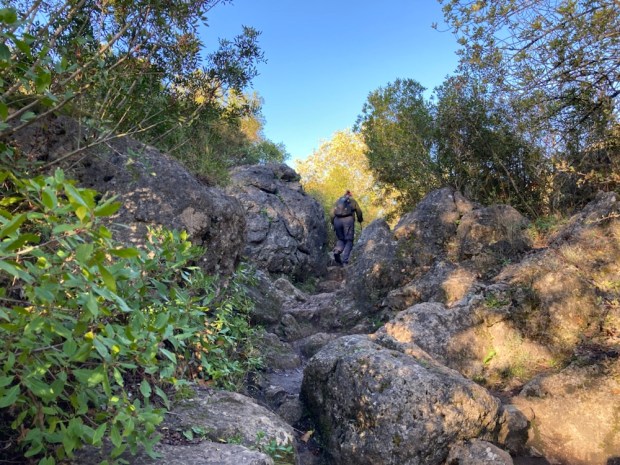
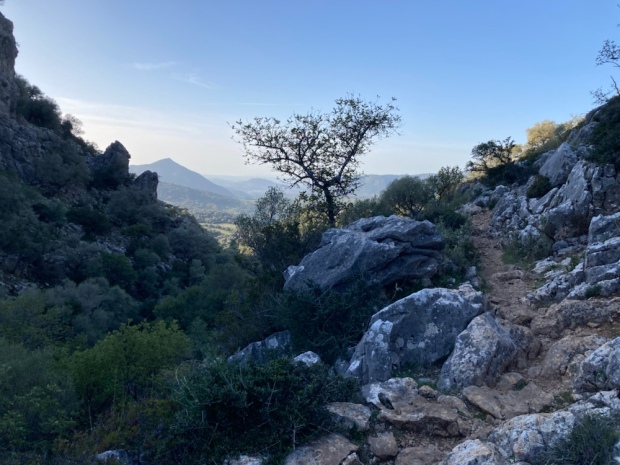
The easy bit was over and as most walkers stopped for snacks before they returned to town we continued up. More giant steps, and chains to cling to started to appear. We had a 300m climb ahead and those without a good head for heights had it tough.

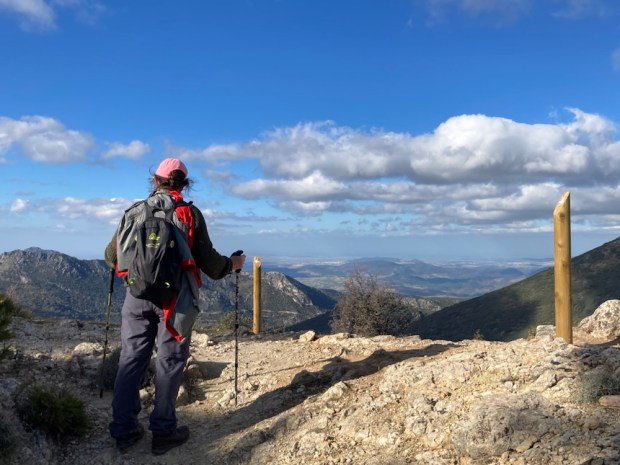
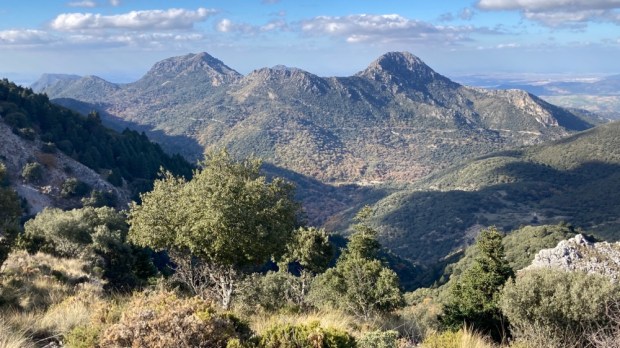
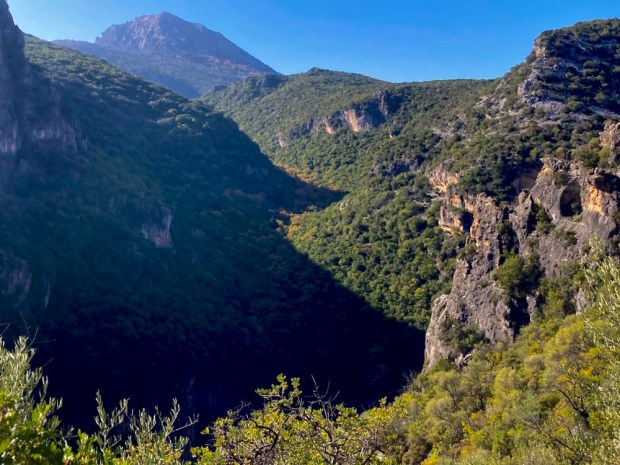
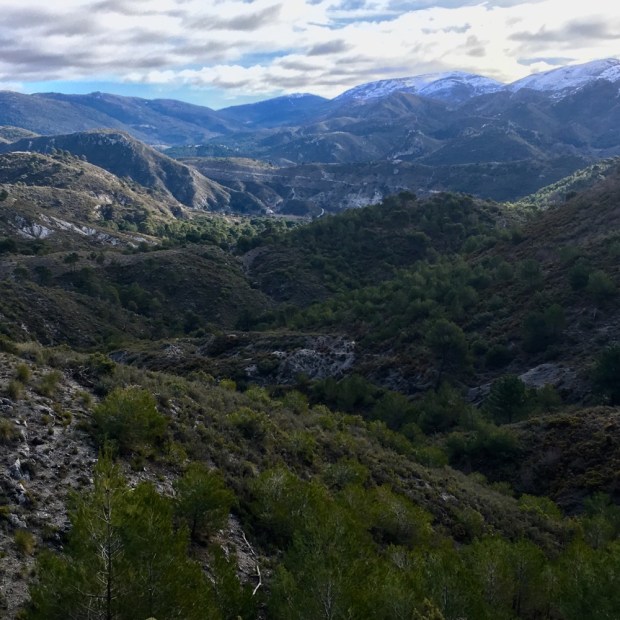
With pounding heart and throbbing legs we reached a more level hill top before continuing on a stony path up through the sparse trees towards Maroma with glorious views south across the peaks to the Mediterranean and the Rif mountains of Morocco. The tell tale signs of snuffling boar were all around and a couple of our party briefly spotted a darting mongoose.

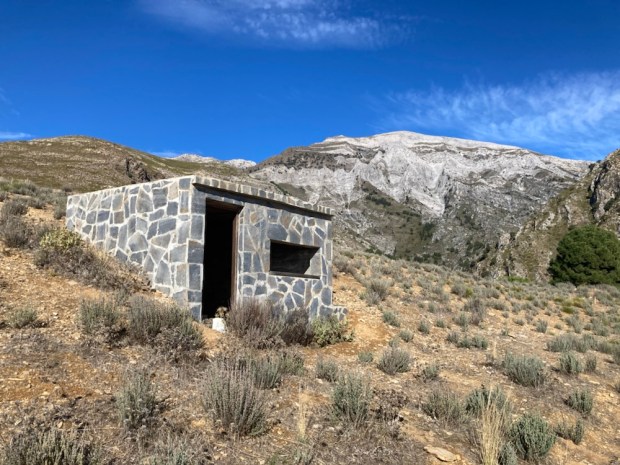
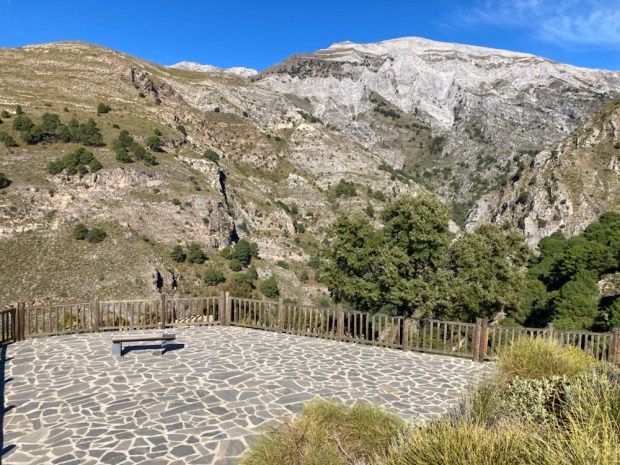
A small stone building of unknown purpose drew us to the top of the rise, over which lay our goal – the mirador, at 980m. This route is now linked to one of the 35 stages of the 750 km Gran Senda de Malaga, the GR249, a wild and wonderful trek I completed a few years ago and now attracting 2 million people a year to take on sections.

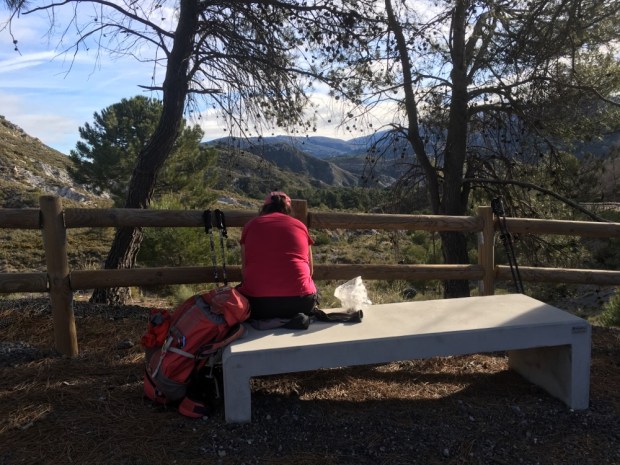
The expansive flagstone floor only had one, very welcome, bench to rest our weary limbs on as we soaked in the breathtaking vista of the fine fluted cliffs on the southern flank of Maroma, still high above us. The stunning views were a just reward for the effort put in to reach them, and just as good on our way back.

A great day out on a stunning route under a blue sky accompanied by the sounds of water, the scents of pine and thyme and the taste of adventure.

SIERRA de GRAZALEMA

South of Seville, east of Cádiz lies the Parque Natural Sierra de Grazalema, a 500sq km UNESCO Biosphere. 10 ” white villages” of Moorish origin are tucked defensively into the rugged folds of the high limestone peaks, 20 of which surpass 1000 m. The Sierra is the western tail end of the Cordillera Betica, the range we were hiking in 300km further east in the Sierra Mágina. Like the Mágina region this was the frontier between Muslim and Christian territories in the 13th to 15th centuries which explains the formidable positioning and also the names of the many towns called ” ….de la Frontera”.

Although relatively small the park is immensely varied. Towering bald grey peaks and vertical cliffs lead down through deep clefts and gorges, through thick forests of holm, gall and cork oaks to grape and nut and olive plantations with lush grassy meadows and fields of grain.

The mountains are the first high ground encountered by the wet winds from the Atlantic and the rain that is dumped on them make this the wettest area in Spain and the greenest in Andalucia. The favourable micro climate enables 1/3 of all plant species in Spain to thrive here, many endemic, which in turn encourages a wealth of bird life. Referred to as an ornithological wonderland the sky is often full of wheeling raptors soaring on the updrafts above the cliffs.

Although the land is productive with cow and goat cheeses, honey, wine, oil, grain and regional crafts of wool, cork, leather and esparto grass are still strong the area has been through hard times. A testament to the rural exodus of the mid 20 th century are the forlorn and crumbling cortijos returning to the land from which they were built.

Tourism, particularly of the green variety, is helping to keep the region vibrant and droves descend on holidays and weekends from far and wide to explore and enjoy the natural beauty. So much so that permits are needed to hike 4 of the trails in the inner 30sq km “area de reserva”, the most spectacular and protected part of the park and even these are normally closed completely from July to October.

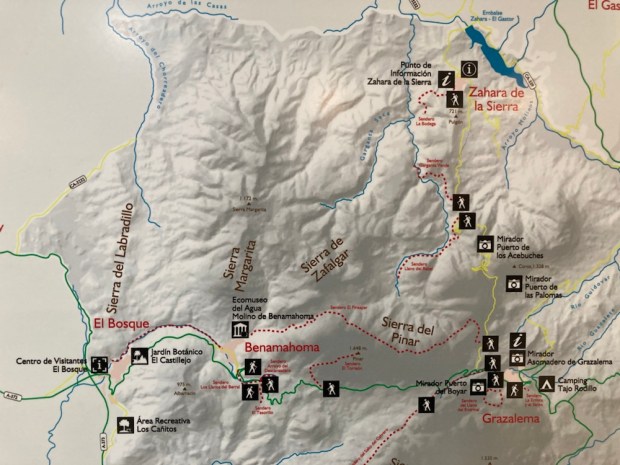
We managed to secure permits for 3 of the 4 walks at the Park info centre in El Bosque and with maps of other routes for later we set off on our first, the Sendero El Pinsapar.

From the parking and picnic area of Las Canteras high up on the road that twists and turns it’s way over the mountains from Grazalema to Zahara de la Sierra the 11km route climbs up through a pine forest planted to hold back the erosion the areas high rainfall can cause. The ground was coated thickly in the long needles cast off by the trees and we wondered if their acidifying effect on the limestone beneath would eventually create a neutral ph loam.

After a climb of around 300m we reached a pass at Puerto de las Cumbres, a natural gateway to the northern flank of the mountain where the route continued west on a much more level gradient half way between the valley floor below and the summits high above us. Pico San Cristobal stood out dramatically with fast moving cloud scudding across the blue around it and the mighty buttress of El Torreón, the highest peak of the Parque at 1654m loomed in the distance. A strong buffeting wind forced us on along a rocky path toward the sheltering Pinsapo trees.

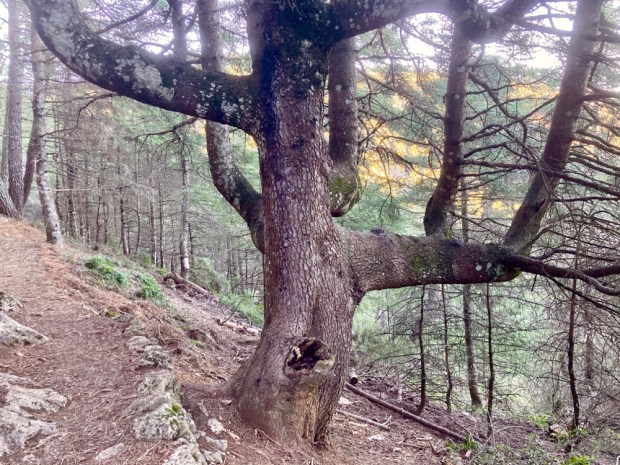
The Park’s UNESCO Biosphere status was granted primarily because of the huge stand of the rare Spanish fir, the Pinsapo, here. It only grows in the Sierras Grazalema, Bermeja further south near the coast and Nieve, where we had first discovered it last year. A relic that has survived since before the last ice age it had dwindled to a total of about 700ha but successful conservation and re afforestation programmes have increased its area to over 5000ha.

“Discovered” by Swiss botanist Pierre Boisser in 1837 these prehistoric trees can live from 200 to 500 years so some of these veterans had been here a long time. Sadly climate warming has made them more susceptible to dying from a fungal attack and future planting may need to move to the colder Sierra Nevada and Cazorla.

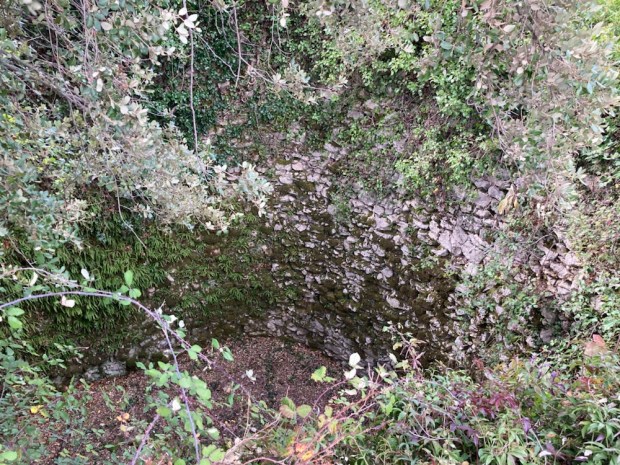
With a couple of hours till sunset we left the shady heart of the forest and returned to the col passing an ancient snow pit used for centuries to store ice and many trees adorned with large clumps of purple berried mistletoe.

Climbing higher up the switchback road in the morning to the pass of Puerto de las Palomas at over 1300m we stopped at the mirador for breakfast before zig zagging down the northern side weary of the awesome drop close beside us.

The stamped and signed permit allowing us to hike the Sendero La Garganta Verde remained unseen as we started the trail a little later.

The Green Ravine has been slowly carved for millennia by the Bocaleones stream down through the limestone until now, although only 10m wide in places it reaches 400m deep. Sheep grazed unperturbed as we made our way through the thick Mediterranean scrub of broom, wild olive, gorse, mastic, palms and scented herbs. This inner reserve seemed particularly verdant and the plenty full bird life could feast on the heavy crops of fruits and berries.

At a warning sign the path started a steep descent into the gorge, at times on stone steps laid or carved and aided by sturdy handrails. The views below into the depths and above to craggy cliff tops were dramatic.

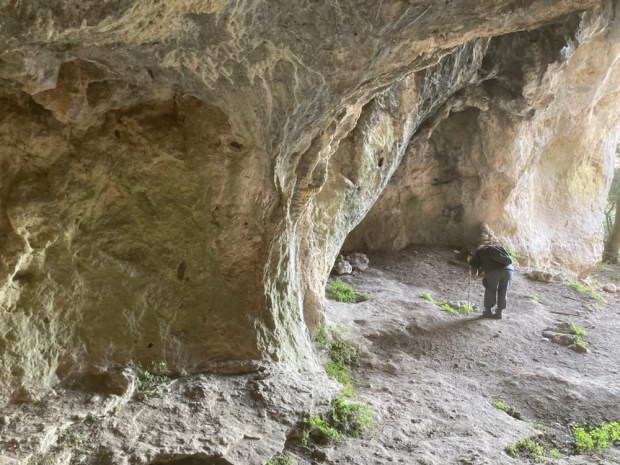
100 pairs of griffon vultures live above the ravine, the largest colony in Europe, and they constantly took flight from their eyries, riding the thermal updrafts and gliding to and fro on their 8ft wingspans. As we ventured deeper between the towers of rock the air became cooler, more humid, and a silence descended as the breeze was cut off. The Ermita or cave just above the canyon floor revealed itself, clothed in the curious formations of limewater sculpture and the pink and greenish colouration caused by algae action.

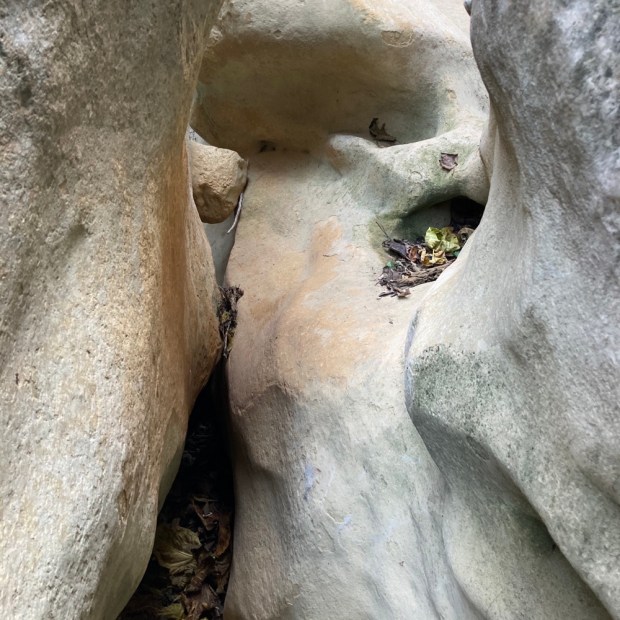
Finally reaching the shady still floor thick with oleander, laurel and poplar, our voices bounced back and forth on the canyon walls as we admired the natural stone carving of the Arroyo Bocaleones before starting on the laborious return to the top.

After a night in a room with a view in Zahara de la Sierra overlooking the sadly pretty empty reservoir we returned to the heart of the exclusion zone armed with our final permit- to the Sendero Llanos del Rabel. This easy trail on a wide and smooth forest track goes deep into an area of thick oak forest with views towards the Garganta Verde one way and the El Torreón massif on the other.

We soon came upon one of the many limekilns in the area, used to bake the rock into a powder for spreading on the land and also painting the houses to create the ” pueblo blanco” white villages. All the old holm oaks had multiple branches sprouting from the tops of thick trunks, indicating years of pollarding for fuel. The kilns would have got through a lot of timber.

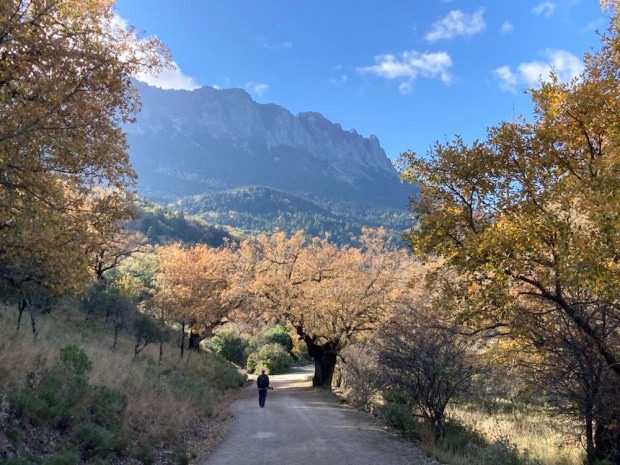
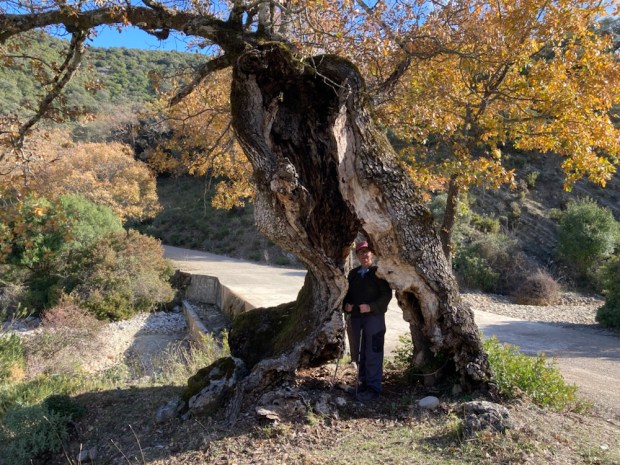
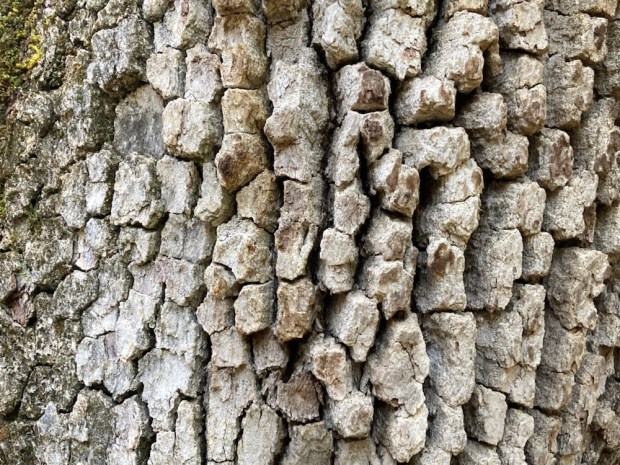
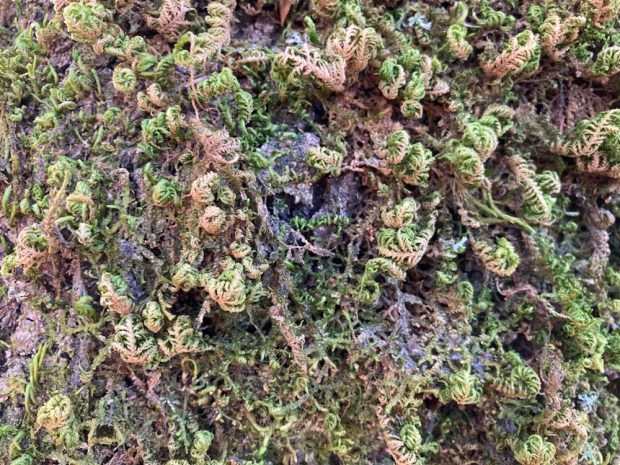
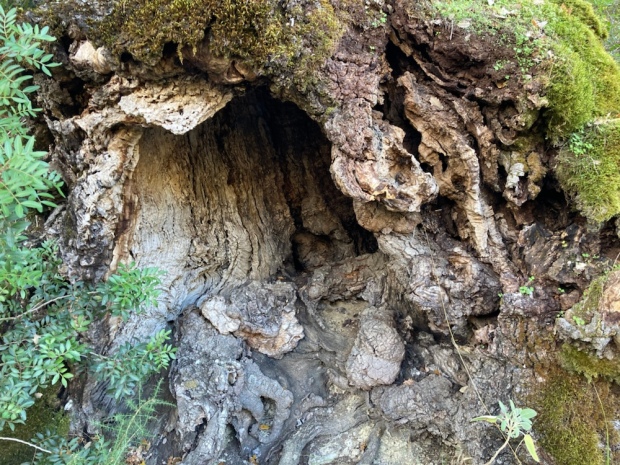
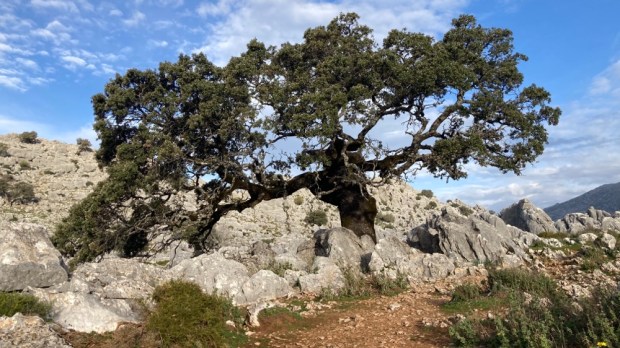
The variety of trees, particularly of oaks, made for a beautiful tapestry of colour with the holm, gall, portuguese, pyrenean, algerian and even cork (which usually prefers less alkaline conditions) carpeting the mountains in subtle shades of autumn. Some venerable old timers were hollowed and contorted in characterful ways and adorned with lichens and ferns or craggy bark.

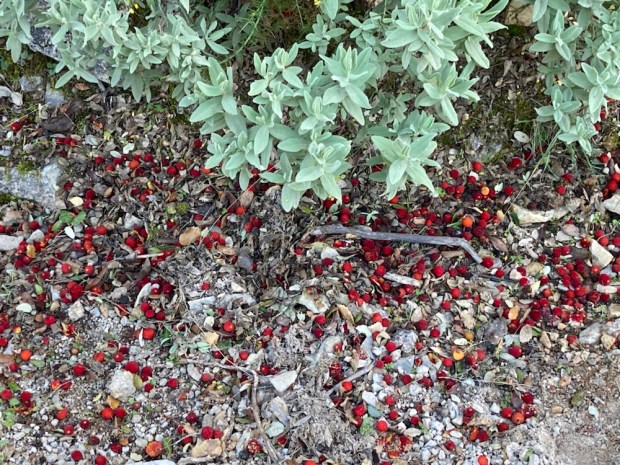
Other shrubs and plants were thriving here too. Honeysuckle, clematis, bramble and ivy climbed among the branches. Arbutus, the Strawberry tree dropped its fruit on the track and viburnum berrys hung in clusters.

The track descended to a wide flat area on the valley floor through which a river runs by times and which housed a well placed Finca back in the day. A water trough, old fields and walls and ruined buildings lay silently where a looped trail led us up and around a small hill before we returned to the camper leaving the old homestead to the tree creepers, nuthatches, finches and tits that now made it their home.

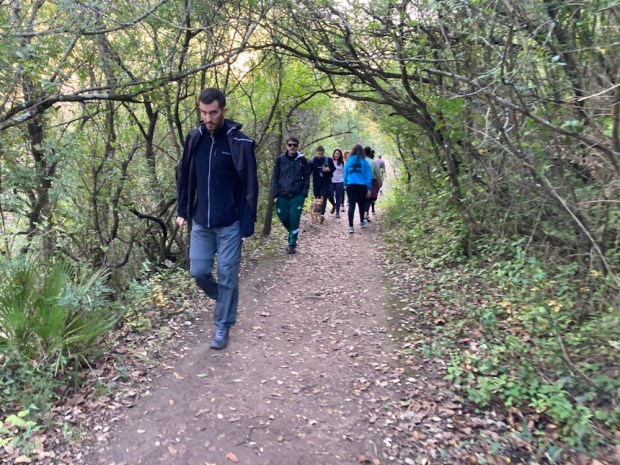
That night we moved back toward El Bosque to park up in Benamahoma, next to the river walk that connects the two towns. Although only 4.5km each way we also visited the botanic gardens in El Bosque which made it into a 4 hr hike- the same as the previous three walks. Although this area is renown for high rainfall we had yet to find any running water so the Sendero Rio Majaceite was a swirling, gurgling delight, tumbling down about 150m over the way, past the ruins of several woollen mills. The riverside path occasionally had to cross the rushing water on footbridges or clamber up and down steps to negotiate between cliffs and boulders but was mostly an easy stroll through a lush and shady tunnel.

Emerging onto verdant farmland at El Bosque the benefits of the river waters were obvious in the productive huertas or gardens that lined the bank. There used to be trout raised here in a series of tanks but are now left wild in the river, the most southerly to support them in Europe. They share the waters with otters while dippers, nightingales, warblers and woodpeckers make themselves at home in the thickets of elm, willow and poplar.

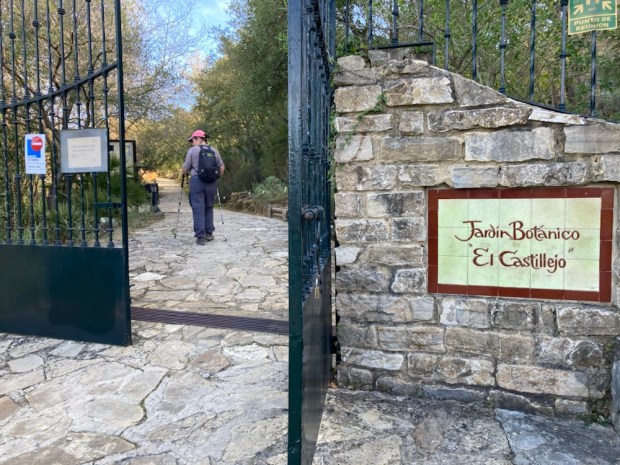
The botanic garden was a great place for us to try and get to grips with the names of the Mediterranean plants we have spent so much time walking through. Everything was well laid out and labelled and cared for but with over 300 species of tree it became a bit of factual overload so we stopped to picnic. The return leg along the river was just as pleasant but busier. This is a popular walk and it was a Sunday. I can imagine that the shade and water are a massive draw in the heat of summer.

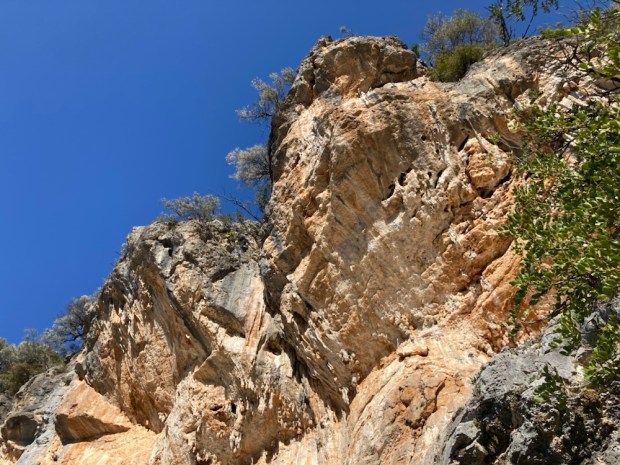
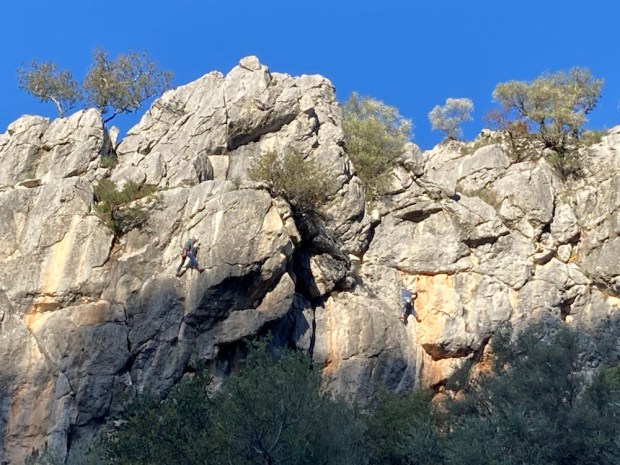
We drove south through the park toward Ubrique and then up on the switchback A374 to Benaocaz to spend the night amongst a load of other campers on some waste ground. Before the sun set we walked the Sendero Ojo del Moro, to the Eye of the Moor, a look out spot commanding a fine view over the valley of Tavizna. Up a steep rocky path under sheer cliffs we saw the reason for the gathering of campers. This was a popular climbing area and lithe bodies clung to the rock like geckos.

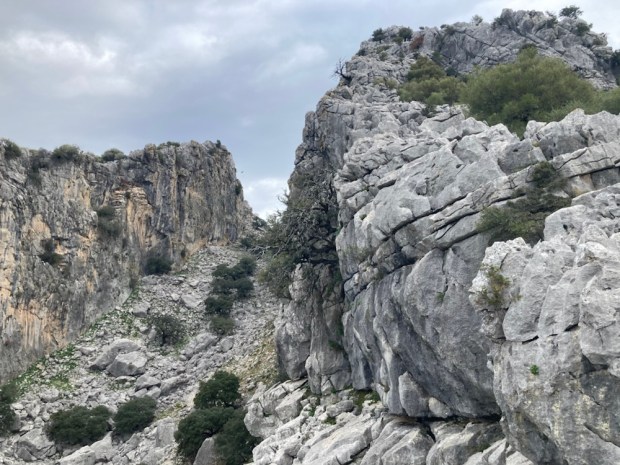
The next days hike was part of a big loop we had planned to do before we found out that some landowner had now closed off the route. But we were able to get as far as the Salto del Cabrero, the Leap of the Goatherd, a geological feature of a big split in the mountain.

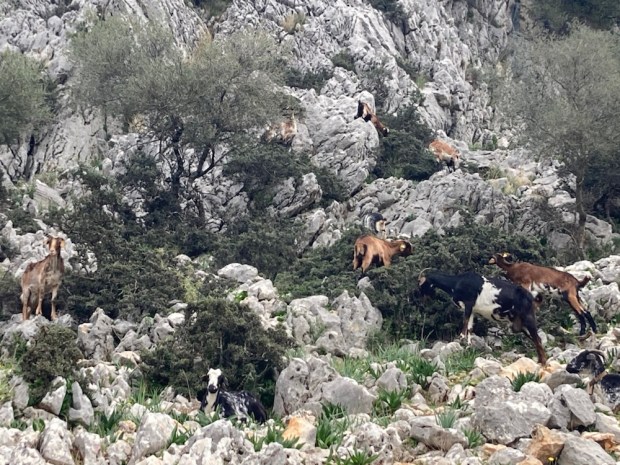
It certainly was goat country. The sight of pens and sheds and shelters and the noise of bleating and bells and the smells of billy and shit were all around us as we set off down a path of trampled earth between hoof polished rock.

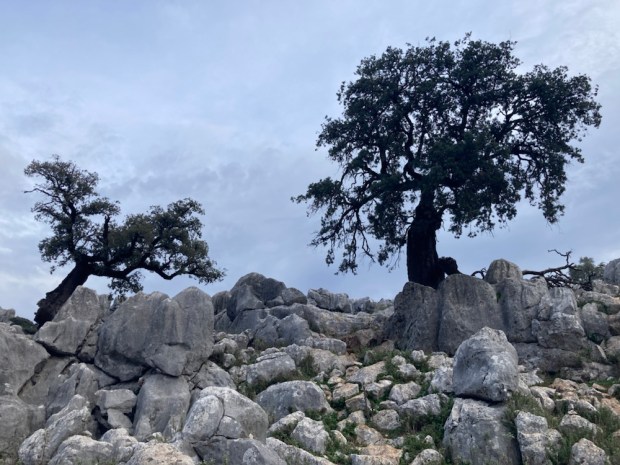
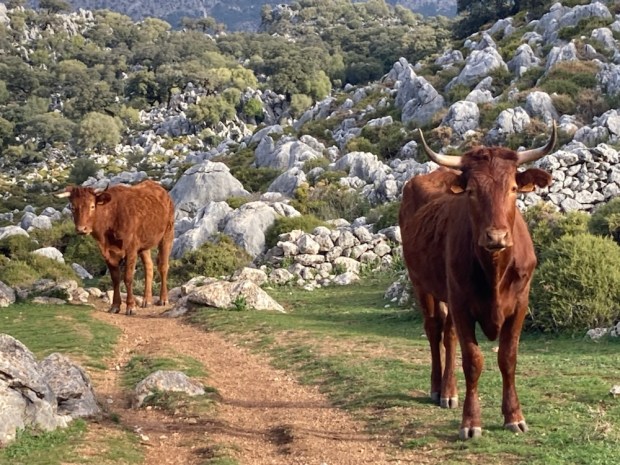
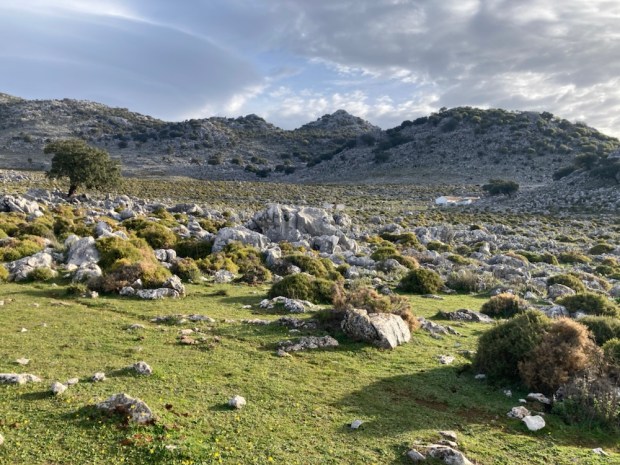
The wild olive and gorse had been nibbled into glorious topiary by the ever hunger goats and higher up through a sculpture park of limestone boulders and lonely old oaks were grazing long horn cattle.

On the high rocky plateau there was a little cortijo in the distance where we took a spur off the track to a viewpoint of the canyon leapt by the goatherd and watched more vultures patrolling the skies.

Returning the the main track we tried to continue to see the better view of the split from the northern side but soon came upon the closed gates and hostile signage. We didn’t want to blemish our clean record of permit holding, rule obeying conformity and so backed off and retreated from whence we came.

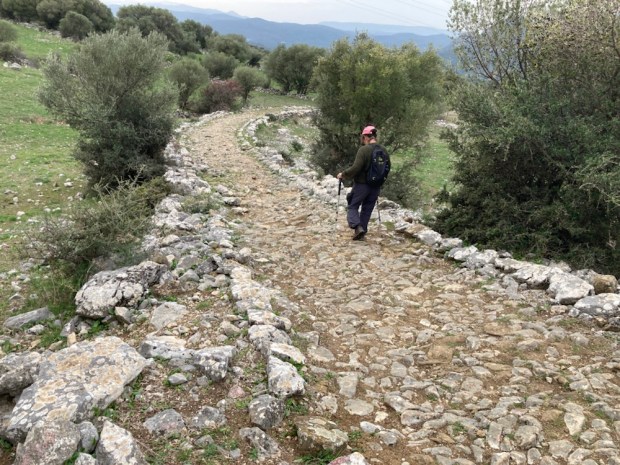
Our final walk was a short exploration from the other end of Benaocaz of the Sendero La Calzada Romana. This route down to Ubrique is on a Roman- Medieval road, parts of which date back to 1st c BC.

Part of a much longer main road from the Med coast to the interior at Córdoba it is impressive in its construction, and durability. Considering it is one of the most popular Senderos in the area and has been trampled by feet, hooves and cart wheels for 2000 years it is doing well.

At an ancient cobbled crossroads it was time to turn back and turn for home. We’d been meaning to come here for a long time and the Parque had been generous in showing us its splendours. Perhaps we’d been lucky with the weather or perhaps, as the emptying reservoirs and dieing Pinsapo indicated, things were changing. But as the weather worn limestone, Neolithic cave paintings, Roman roads, Moorish castles and abandoned cortijos show,change is a constant, and hopefully the beauty will survive.

SIERRA MÁGINA

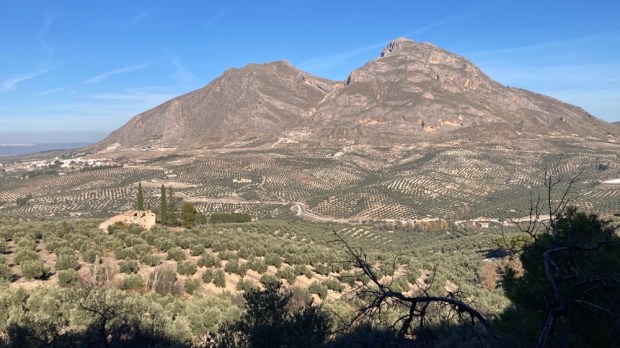
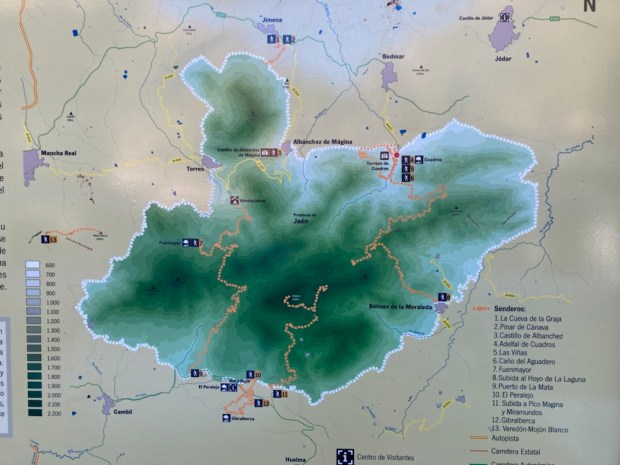
About 550km south of the Canon del Rio Lobos is the Parque Natural de Sierra Mágina. Established in 1989 the 20,000 hectare protected area is in the province of Jaen. Named by the Moors as the Mountains of the Spirits its rugged limestone peaks reach over 2000 m and are surrounded by the largest olive growing area in Spain. The Jaen province produces 50% of Spain’s production and 20% of the world total. That’s a lot of picking. Over half a million hectares of olive trees.

The Sierra rises up out of the sea of olives in distinct layers of altitude levels. Forests of pines and oaks give way to juniper, yew and a rich mix of flora species, 45 of which are endemic to the region such as the hedgehog broom. The Sierra’s particular ecosystems and climatic niches make it one of the most important environments in Spain and also support endemic fauna such as the rare black cork oak spider, a snail that lives in fissures in the rocks and a high altitude grasshopper. We were disappointed not to sight the rare Betica midwife toad.

For hundreds of years the Sierra was the natural border between the Muslim kingdom of Granada and Christian Castilla and the fortifications and castles from that period still loom over the land.

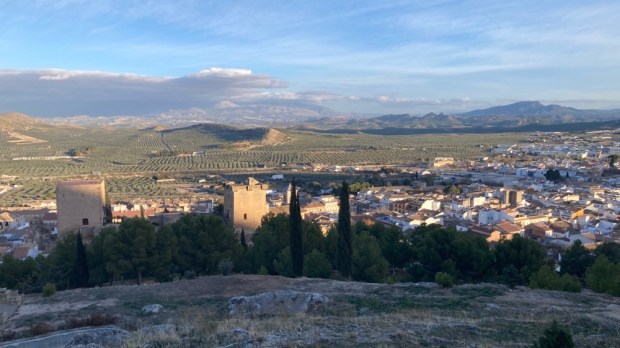
We parked up above one of the best preserved and oldest in Andalucia in Jódar hoping to visit it and the parks information centre inside but it remained stubbornly closed throughout all advertised opening hours. But the view was good.

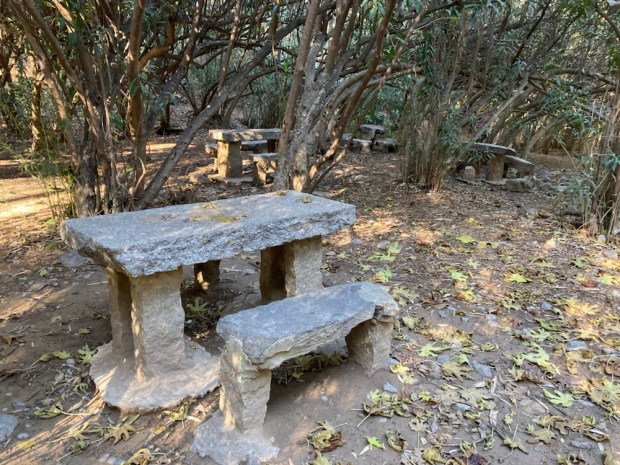
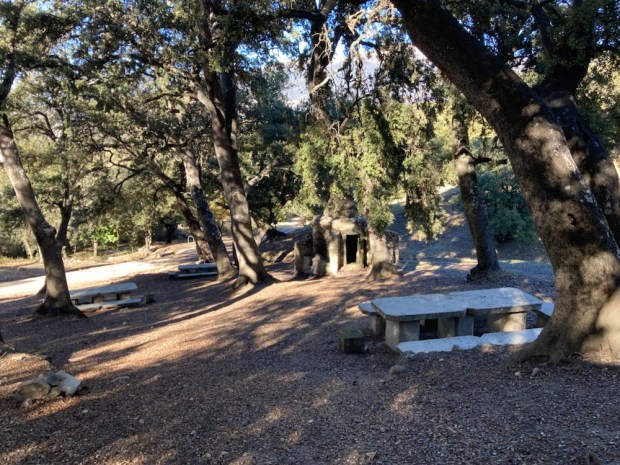
Moving on into the park in the morning we drove up to the Area Recreativa Cuadros and walked through the river side oleander forest that housed many shady picnic tables and benches and up on paths of needles and stone into the pines.

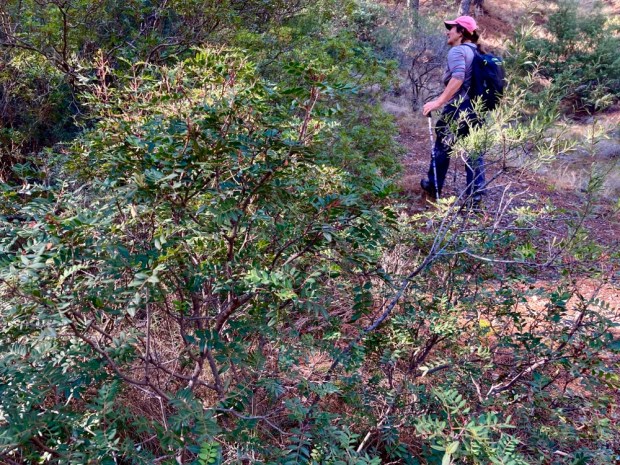
We were on the Las Vinas trail, named after the vineyards that predominated here until the late 19th c when the phylloxera epidemic wiped out that livelihood. A 10 km loop it circled up above the River Cuadros valley through the pines and back down through the olives. The woods were thick with the mastic shrub, Pistacia Lentiscus, from which the sap would be harvested by cutting the bark and turned into a substance for everything from chewing gum to varnish.

The aromatic incense juniper was another common species while the colourful leaves of maples reminded us of the season.

Emerging from the trees the views of mountain and plain opened up and the noise of the petrol engined olive rakes buzzed from below.

We stopped at a fuente and were joined by the GR 7 /E4 walking route, on its way across Europe to Greece. Then we continued on a track through the groves on a spur to visit the 11th century Torreón de Cuadros, the Chequered Tower – so called because of its two tone appearance due to its construction of stone from two different quarries.

Jaen province has the highest concentration of castles and defensive buildings in Spain and this 12m high watchtower with its arrow slits stood high over the gorge- guarding the Muslim/ Christian frontier.

Returning to the loop we managed to find our way on an unmarked route back to the oleander forest,( Europe’s biggest!), along an acequia which involved a 50m tunnel.

Back in the camper we drove around to the southern side of the park and high up on rough dirt roads, past the Area Recreativa Gibralerca, and on to a fine high park up amidst the Holm oak, with sunset views over the highest peaks of the Sierra.

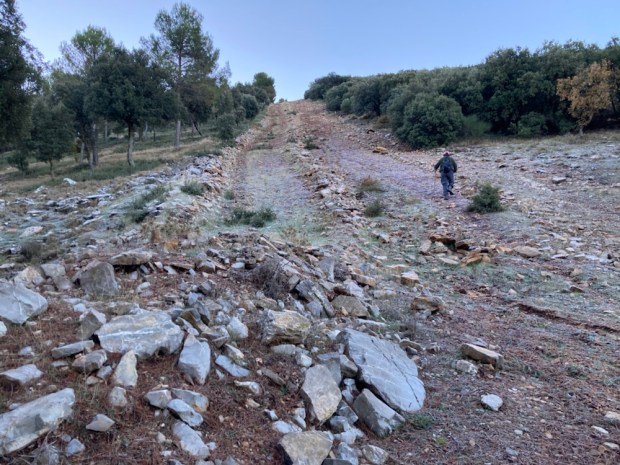
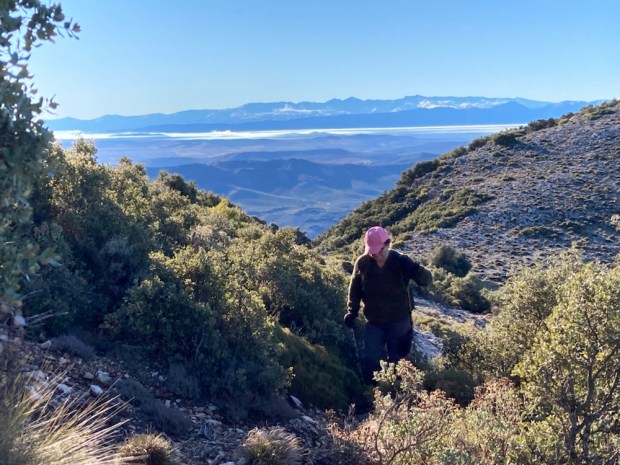
With the help of walking app Wikiloc I had sorted another 10km loop for the morning but this one involved a bigger elevation gain to reach a summit called Pico de la Laguna at 1525m. Setting off down the track in the morning it was still frosty in the shady ravines but we certainly warmed up when scrambling up the steep firebreak for 400m to follow the ibex we saw running across the rocky shoulder towards the mountain top.

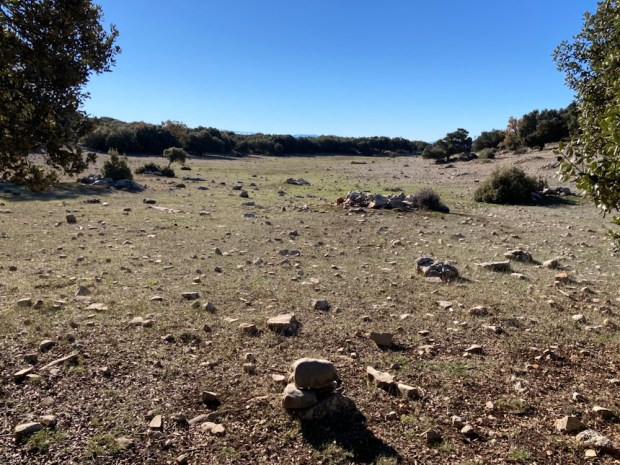
The view more than rewarded our efforts with a magnificent 360 covering a vast area of Andalucia. But the cold wind moved us on over the mountain towards a forest fire lookout station on a lower peak to the northeast. Even on this inhospitable high ground there were signs of land management with traces of stone wall and flat areas of cleared high pasture and coppice Holm oaks.

Down past the herbage manicured by animal teeth and up to the lonely lookout, empty now, perhaps out of season, perhaps the lookout is busy picking olives from the multitude below.

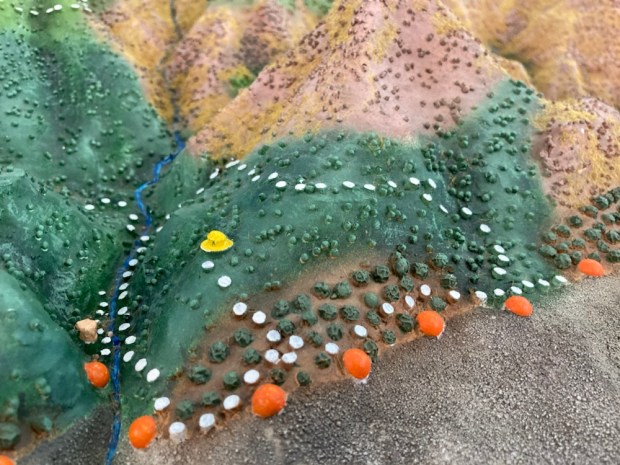
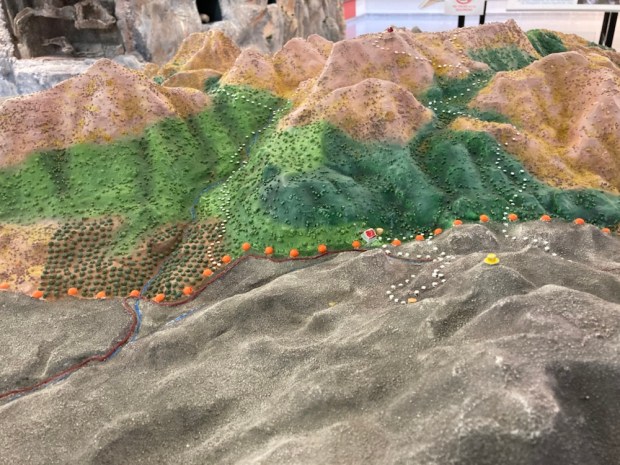
A longer decent on the firebreak and we were on track to the camper again giving us time to visit the park info centre at nearby Mata Bejid where the reconstruction model of our walks did not seem quite so epic as they had appeared to us.

EL CANON del RIO LOBOS

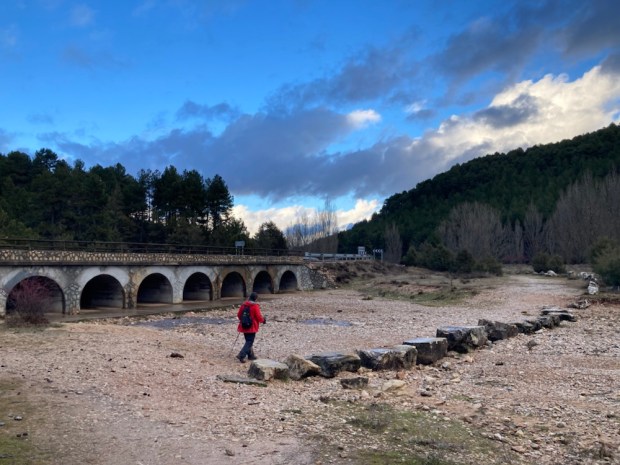
An hour or so south and west of the Holly forest we parked up for the night at the beginning of our next hike, from the seven eyed bridge or Puente de los Siete Ojos. We were about halfway down the dramatic gorge of the Rio Lobos, named after the wolves that still frequent the area. We were going to do a 17km out and back to the beautifully situated Chapel of San Bartolomé in the morning.

We were in a 10,000 hectare Natural Park and special conservation area for birds. The canyon is often cited as one of the prettiest landscapes in the whole of Spain and there’s a lot of stiff competition.

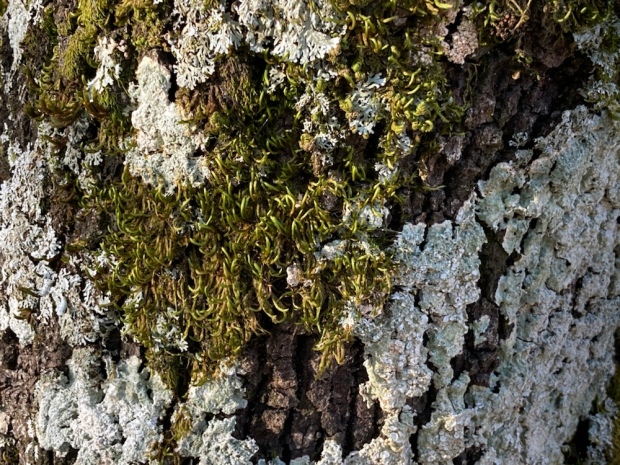
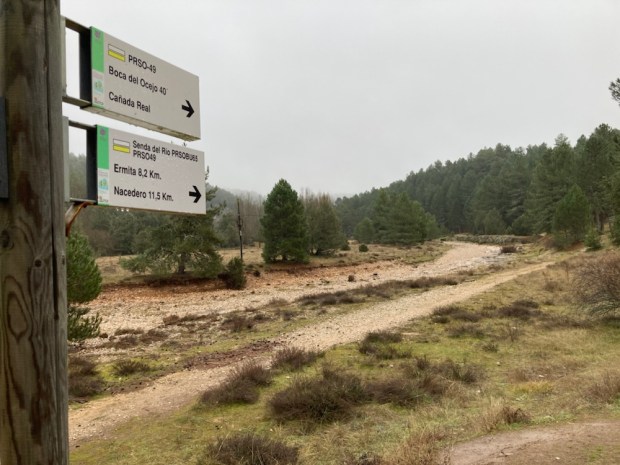
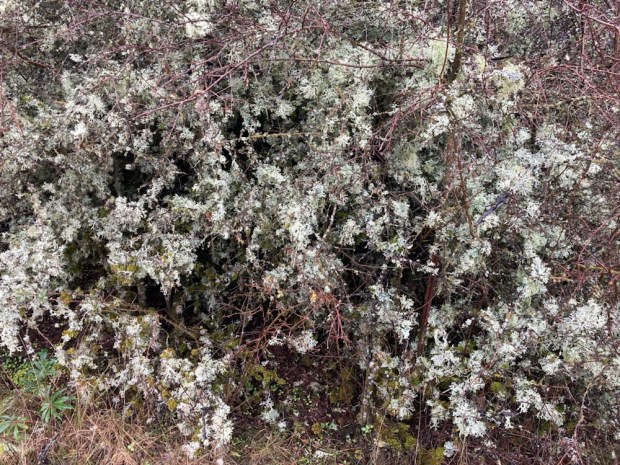
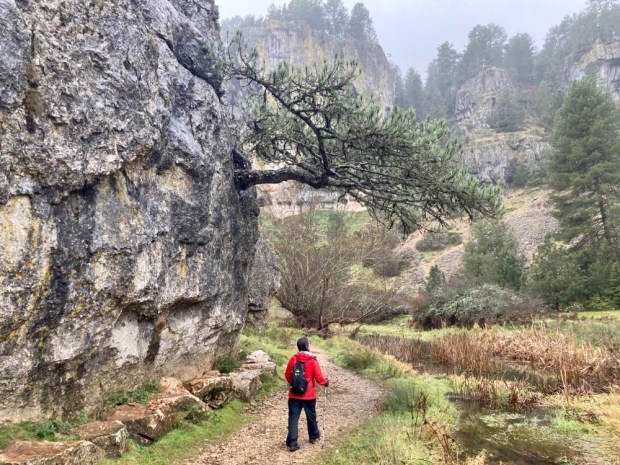
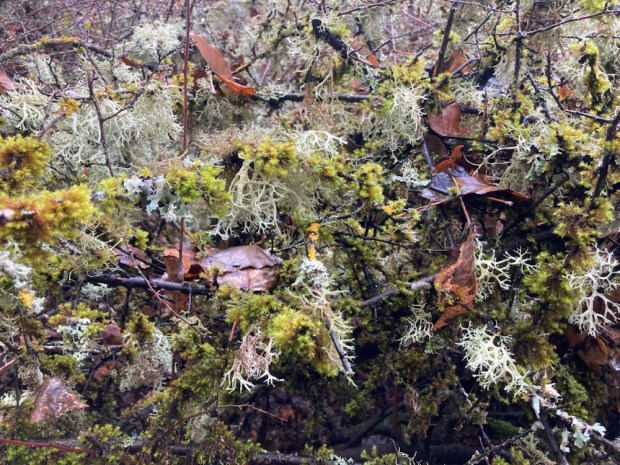
Setting off under a grey and misty sky we followed the signage down stream and into the mossy pine woods strung with lichens.

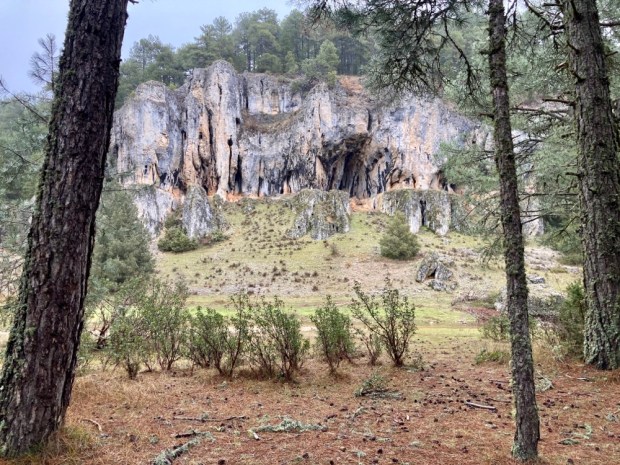
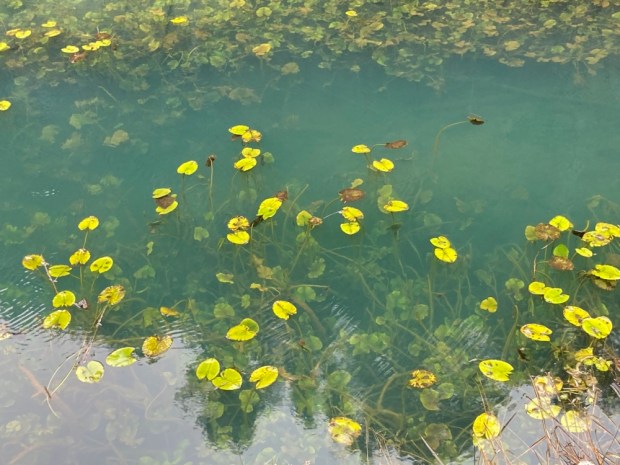
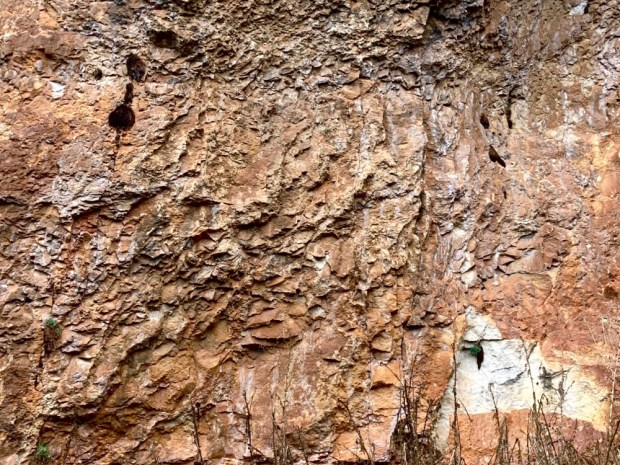
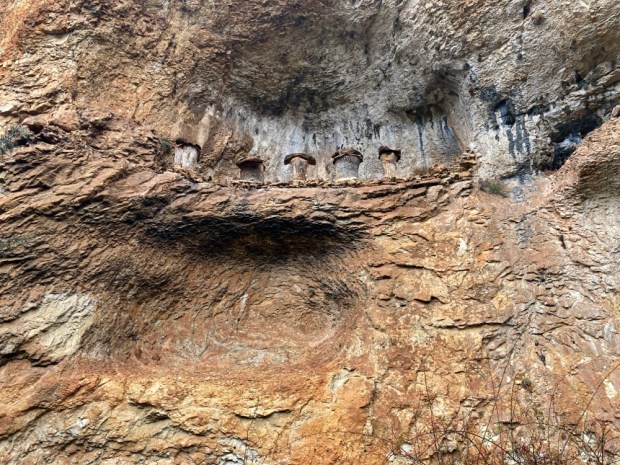
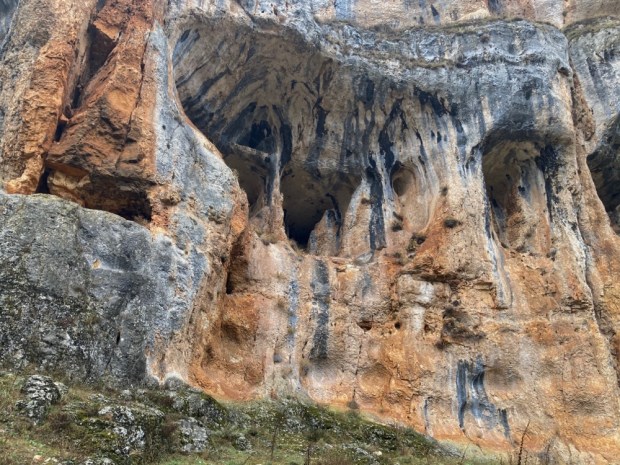
The gorge was fairly broad here with low cliffs of perforated limestone in the forest either side of the river that came and went above ground. Most of the Lobos is underground most of the time, sinking down through swallow holes before emerging again into pools of lily pads.

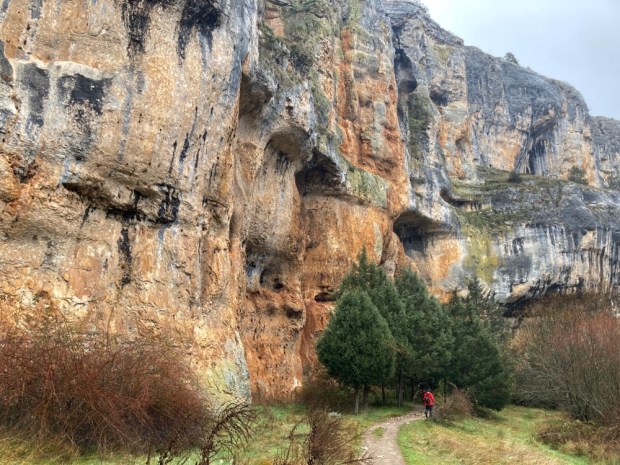
The limestone cliffs got higher around us as we continued south on steppingstones, rock steps and walkways. Dramatic caves and chasms dotted the rock faces gouged out by millennia of rain and river water.

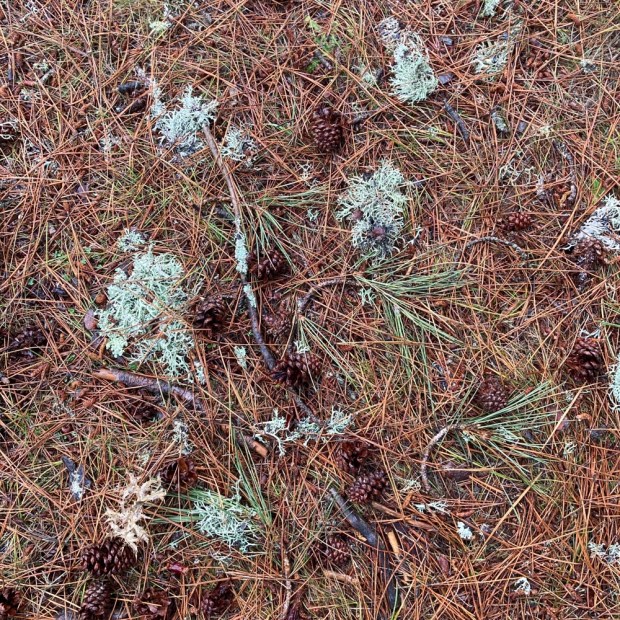
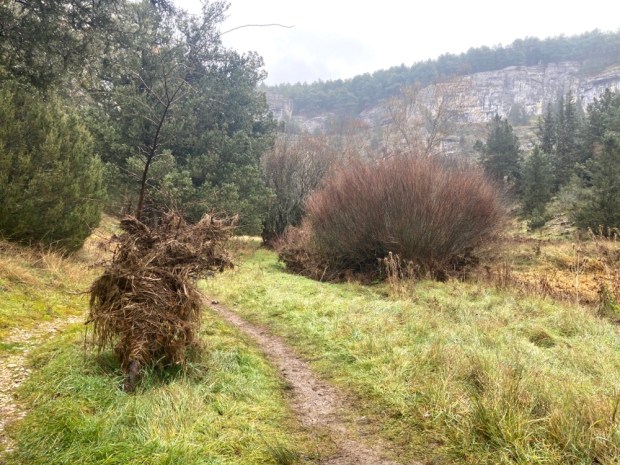
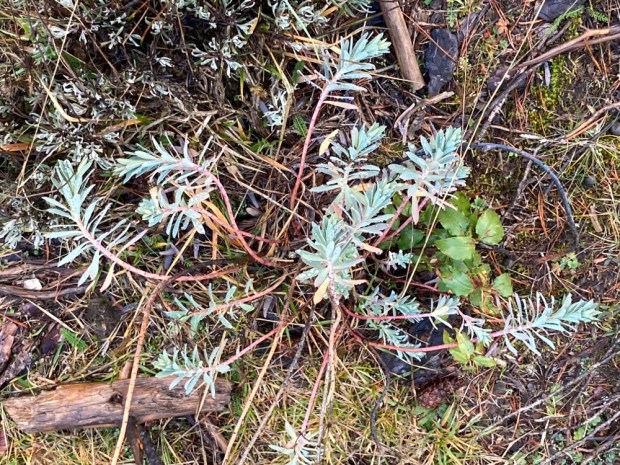
The flood waters looked like they had been about 2 m higher recently, judging by debris left high and dry in the bushes. The pines of earlier had merged into mostly juniper with hawthorn,willow, poplar and scrub of rose, gorse and spindle. The amount of lush and fulsome lichens was amazing both in the trees and on the forest floor amidst the euphorbia and hellebore.

The pines were often coated with the cotton balls of the processionary moth whose caterpillars will be dropping to the ground and moving off in line before long.

There are 151 species of bird living in the park but the main draw are the Griffon vultures, of which there are 135 breeding pairs. They sat hunched on the cliff tops, sometimes with wings spread and sometimes placed just so like some art installation. Added to the Egyptian and other vulture species here as well as the multitude of different Eagles, Falcons and Harriers, I’m amazed there is enough carrion prey to keep them going.

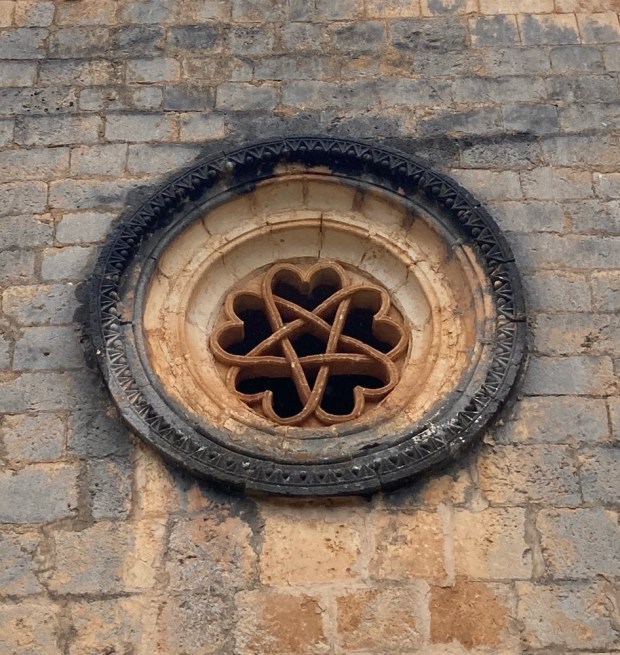
The track got busier as we approached the 12 th century chapel built by the Order of the Knights Templar. The major honey pot of the park and easily accessed from the southern end of the gorge it gets pretty crowed in summer. A spectacular setting to be sure and an attractive building with fine rose windows and corbelled doorway. Opposite is a huge cave where Iron Age engravings and earlier art have been found.

The multitude of caves along the gorge have been witness to countless generations of humanity. Stone Age tools, Bronge Age ceramics, Iron Age carvings, Celtic funereal artefacts, and bees hives from the Templars.

Truly spectacular, and we returned to the Siete Ojos replete but weary. Taking on Lobos water from the fuente we were ready for a 500 km drive south.

SIERRA de CEBOLLERA and ACEBAL de GARAGUETA

As the winter storm clouds gather over Ireland and the temperature and raindrops fall the call to Spanish adventures cannot be ignored. A 30 hour intermission in a cramped cabin surrounded by a swelling mass of moving ocean and we were once again driving into the mountains heading south.

Taking a different diversion to previous routes we drove deep into the Rioja region and up into the Sierra de Cebollera on the N 111 from Logroño towards Soria. Accompanied by rushing rivers and unbroken expanses of green,brown and gold forest of pine, beech and oak we climbed toward the snow. I had some rambles in mind in the Natural Park and we turned up to Villoslada de Cameros where the parks info centre sat next to the river below the ancient village of sturdy stone houses. Arriving at dusk we had a stroll up into town joined by some friendly hounds.

Our hiking destination, Lumbreras, was a few km down the road- but those km were up – and the snow deepened as we climbed up around the bends in the morning. By the time we arrived at the trailhead at about 1200m and struggled into our cold and wet weather gear the going did not look good.

We made an attempt but it soon became obvious that 8.6 km in deep snow was not a good plan and so had to enjoy what we could of the 23,000 hectare of well preserved forest of mostly Rebollar oak, the ones that keep their leaves, from the road.

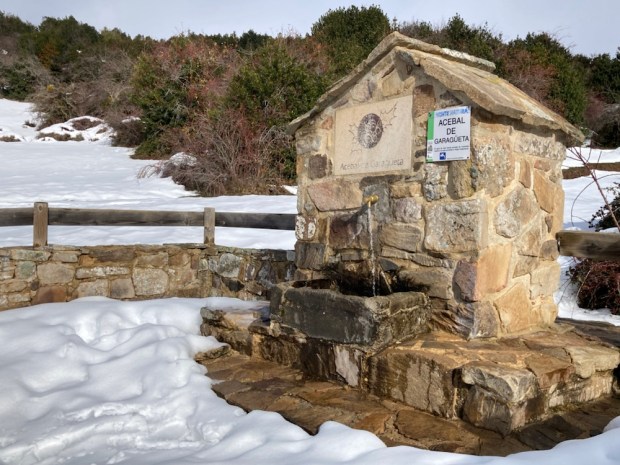
Back in the camper and up and over the Puerto Piqueras at 1700 m, or actually through a tunnel beneath, and on into Castillo y Leon and the Reserva Natural del Acebal de Garagueta, the greatest Holly forest in Europe. Might not seem a big deal but we love our Hollys and this was special.

After calling in to the info centre in Arévalo de la Sierra and arming ourself with a map and some postcards we drove up the dirt track to the reserve. 300 h of Holly on a mountainside between 1400m and 1600m overlooking a huge sweep of Spain.

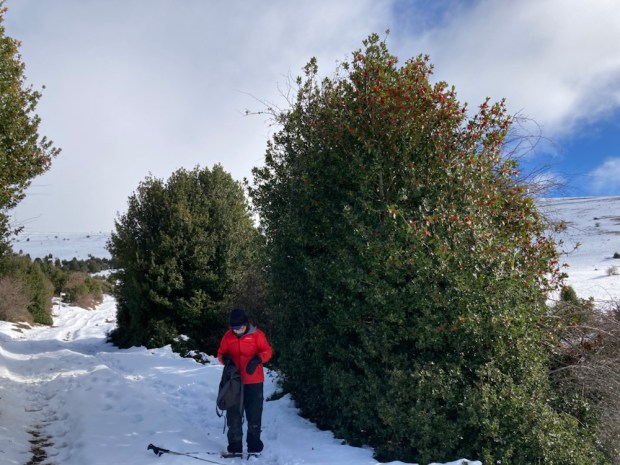
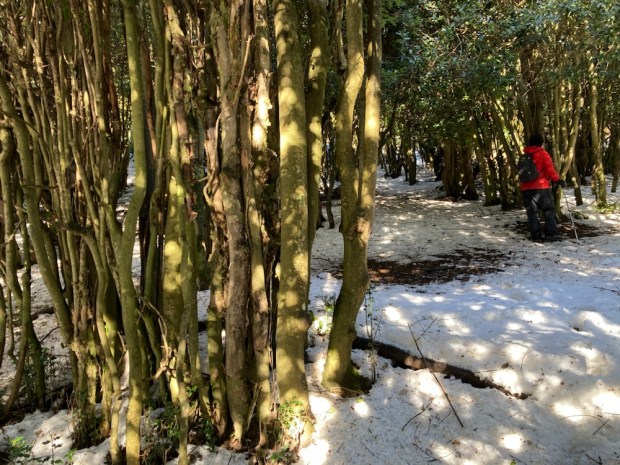
A large group of mighty vultures circled lazily above us in an improving sky as we set off down the track. Some horses snuffled in the snow for the remaining herbage and nibbled the leaves of the Holly to create an impenetrable topiary, and excluding themselves from access to its bark- saving the tree from injury.

Actually we had learnt at the info centre that it was human inhabitants that stripped the bark from the Holly and went through a lengthy process of scraping and soaking and mashing fibres to create bird lime, the sticky glue painted on branches to cruelly catch small “edible” birds, a practise finally outlawed by European law this year but frequently overlooked. In Spain the song thrush is a popular snack.

As a local resource the Holly forest had obviously been utilised for millennia for all it could supply – fuel, fodder and prey- but is now protected and the flocks of birds scattering between thick deep shelter and an abundance of berry food were impressive. The bright red berries and rose hips compete with the subtle hues of the mistletoe for the birds attention. They need to go through a gut or , with the Christmas kissing mistletoe, be wiped from a beak into a branch crevice in order to propagate. But strangely, even in this protected zone with a mass of birds and berries, there was no regeneration of trees visible.

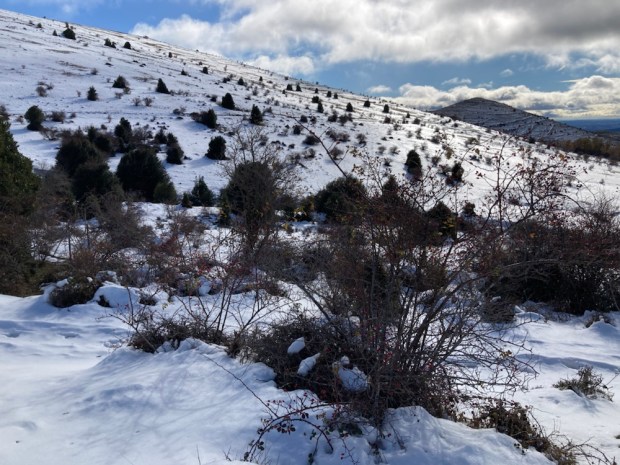
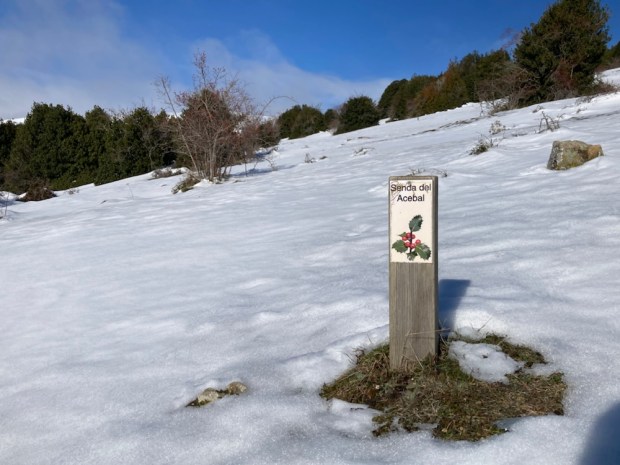
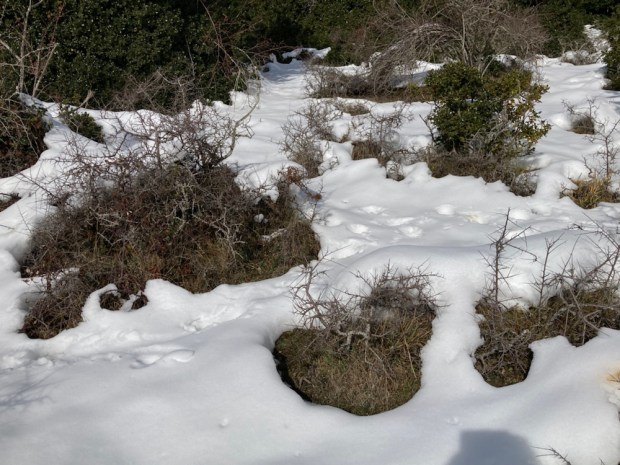
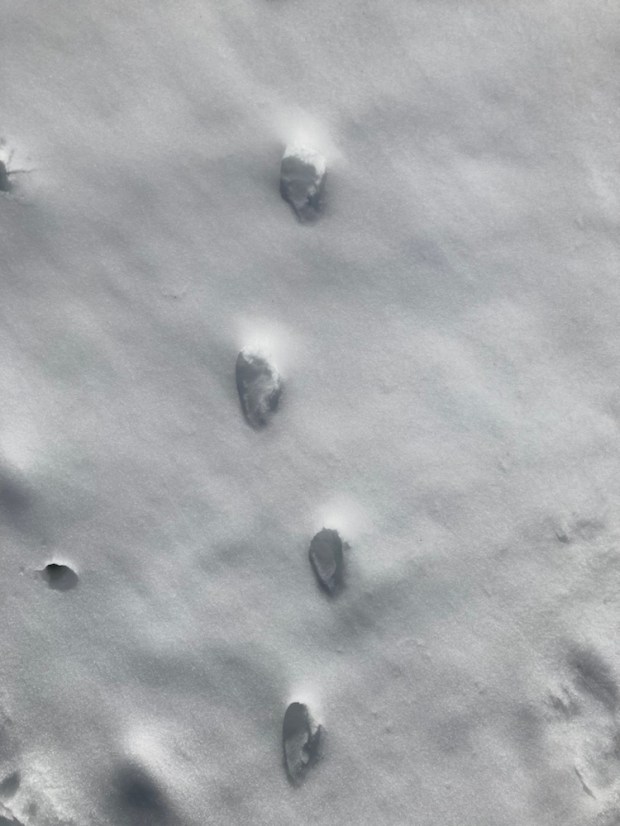
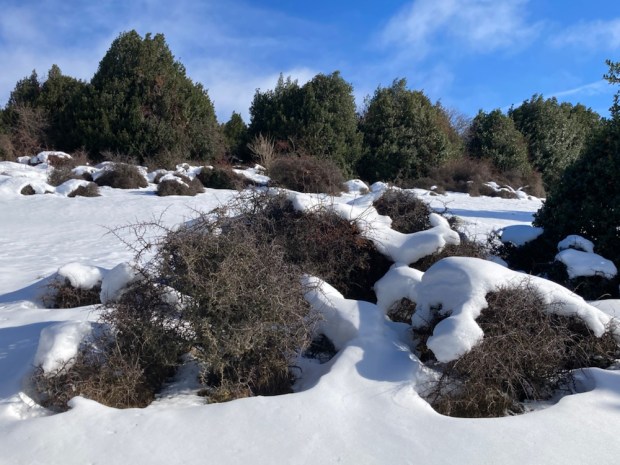
We left the main path to follow little wooden markers half buried in the virgin snow. Not quite pristine as animal prints too vague to identify crisscrossed our route. Could be fox, deer, boar, rabbit, hare, shrew, mouse, hedgehog, badger or weasel. Snow hung in pillows on the trees and formed sensual mounds over scrubs.

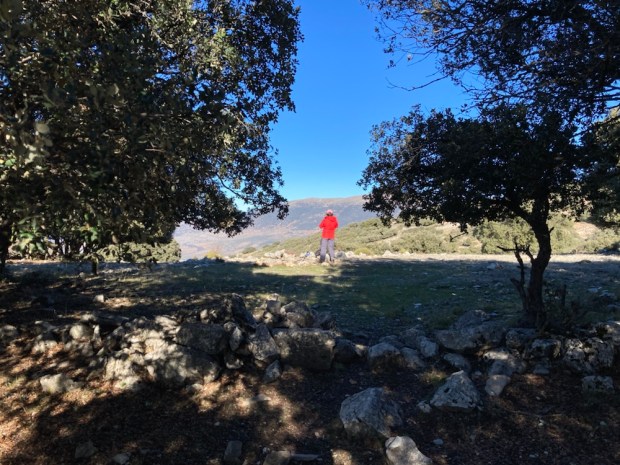
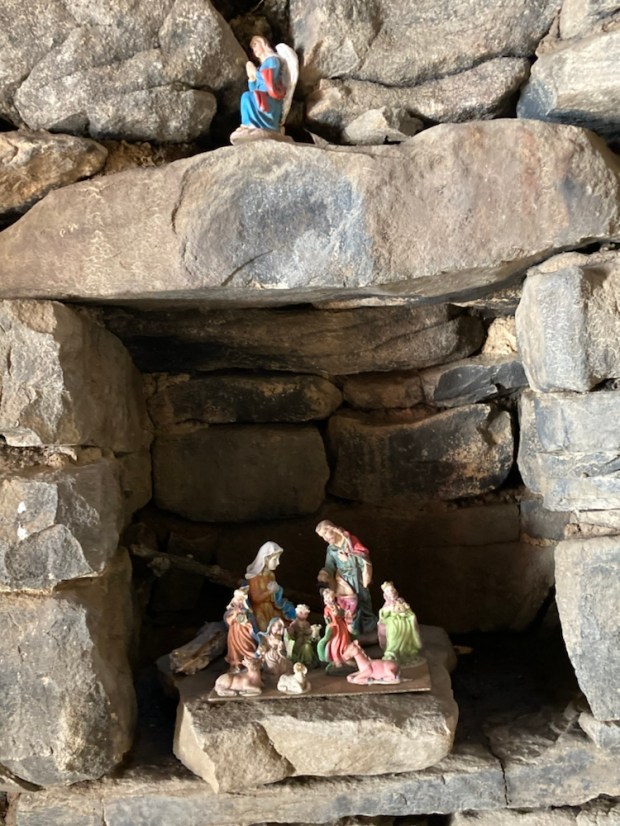
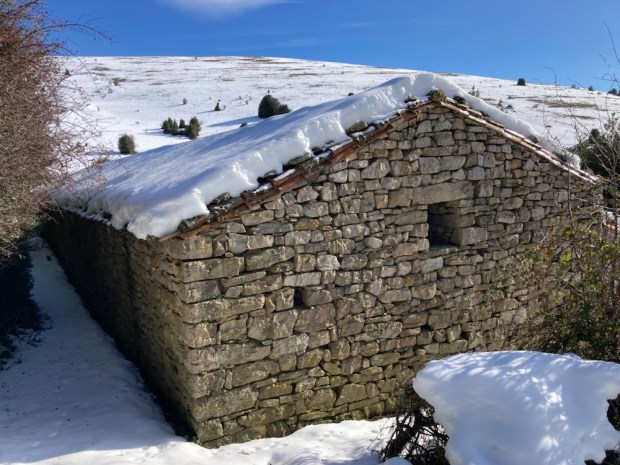
We reached a lovely little circular shepherds hut finely built of stone with a corbeled roof in Celtic style. The nomadic lifestyle of transhumance was practised until quite recently with livestock being moved to these high grounds in the summer and down to Andalucia or Extremadora in the harsh winters. This hut was built in the 1930’s. The style relates to the fact that this area was the cultural stronghold of the Celtiberians for the last few centuries BC until the destruction by the Romans of nearby Numancia after a desperate 8 month siege in 133BC.

Inside someone had placed a little Christian grotto in an alcove.

Our path now swung up and around the mountain, returning towards our starting point near a large stone barn and fuente. Here was one of the few areas we could get inside the trees to admire their shade and shelter.

And so back to the camper under the watchful eyes of the vultures hoping perhaps for a fatal fall.

Onwards.

SIERRA DE LAS NIEVES

A short journey of 15 km inland from the busy beaches and constant consumerism of Marbella on the Costa del Sol takes you to another world and the southern edges of the Parque Natural Sierra de las Nieves, a UNESCO World Biosphere Reserve of nearly 100,000 hectares.

We made 2 hiking trips to explore the park between lockdowns after finding a long distance route, the GR 243, traverses the area from Istan in the south to Ronda in the north, over 6 sections and 122 km with a couple of variants.

We discovered we could do a 3 day triangle at the southern end and avoid transport complications.

Leaving our car near the Cerezal recreation area outside of Ojen we headed off on the GR variant and PR-A 167 route to Istan.
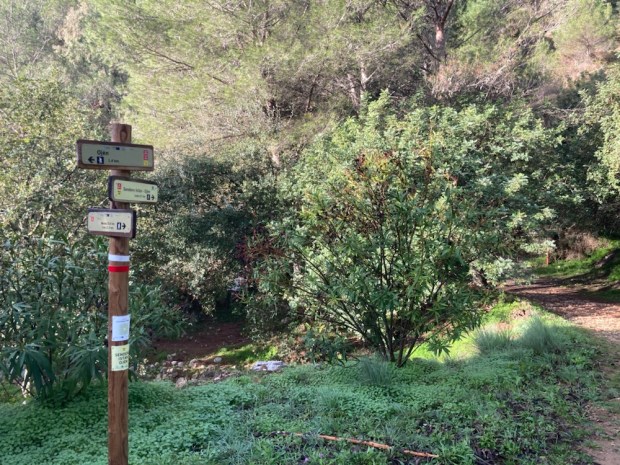
Ojen is one of the half dozen or so tranquil whitewashed villages and towns surrounding the park that were Moorish strongholds and still retain the crumbling fortresses of the reconquest era. With a wealth of minerals to exploit in the Sierra’s rocky interior the area was at the forefront of the industrial revolution in the 19th century. Hard to imagine nowadays when the decreasing population is drawn to employment down on the coast. Ojen’s main export now is a anise like spirit that bizarrely is particularly popular in New Orleans during Mardi Gras.

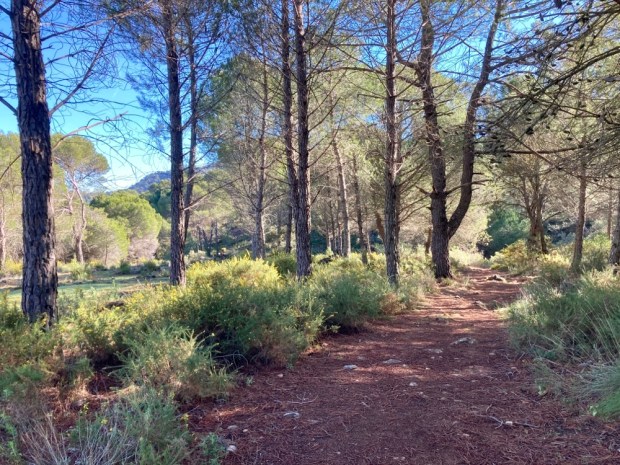
First few Kms were a rocky scramble up a dry stream bed and on a lovely path through a forest of pine with distinctive peaks rising above us. As the sun climbed and the heat rose so did the strong scents of pine needles and oil and I recalled the studies of the positive effects on the mental and physical health of “forest bathing” and the phytoncides, the chemicals emitted by the trees.

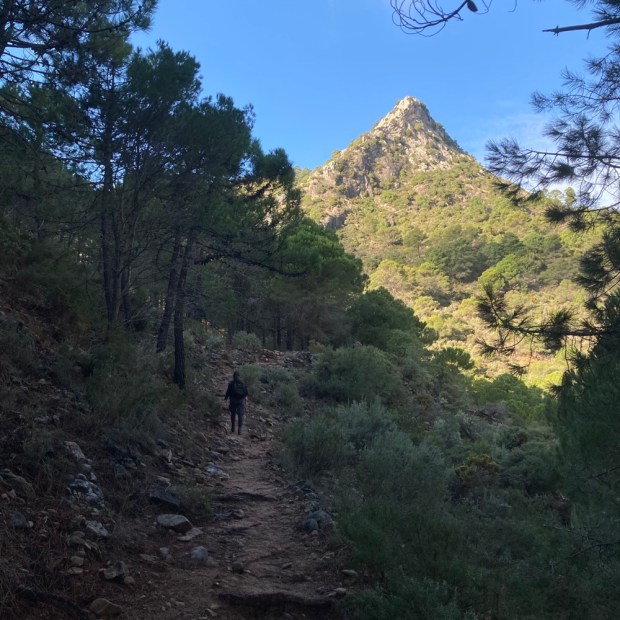
Emerging onto a forestry track on a high level plain planted with a variety of conifers and eucalyptus we passed a number of weekend walkers and a few parties of mushroom gatherers- all of whom had dogs that made us wonder if they used them to sniff out the fungi. They seemed to have been successful anyway and had baskets brimming with a mushroom similar to chanterelles that we were told bled red juice when cut with a knife.

Climbing a narrow rocky path up and over the ridge we found ourselves in wild untamed country with a vista of peaks disappearing into the cloud. The extent of the park became apparent. When originally designated in 1989 the Natural Park was 78sq miles and this was increased to cover 362 sq miles on achieving World Biosphere Reserve status in 1995.
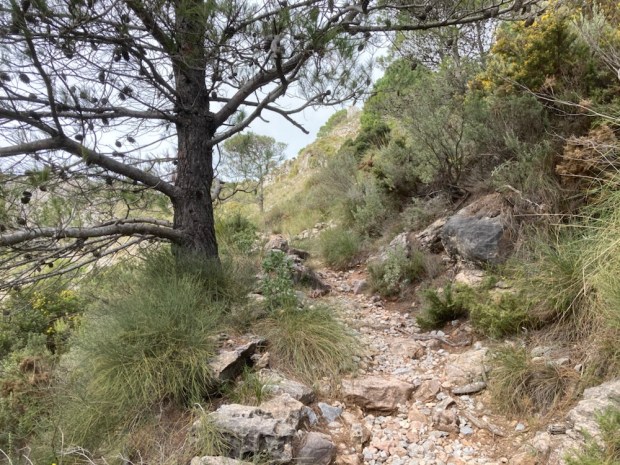
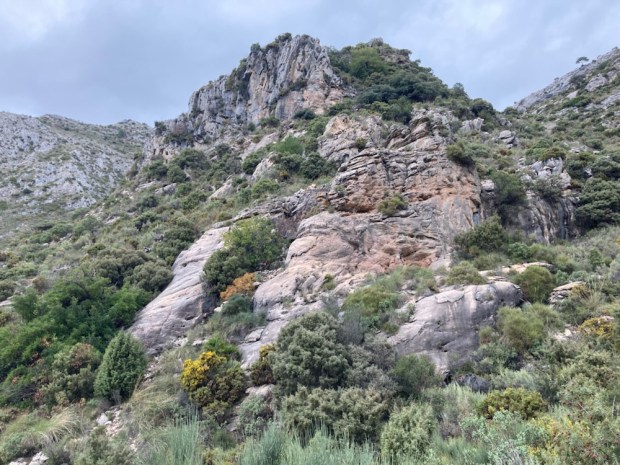
We had passed signs warning us that our route demanded physical fitness, good mountain orienteering skills and experience and we began to see why when we started to clamber down the descent towards Istan on a, luckily dry, stream bed, the Canada de Juan Ingles gorge. Tricky going but rewarded by the magnificent views and flora, particularly the dwarf or fan palms and the masses of aromatic rosemary, thyme and lavender.
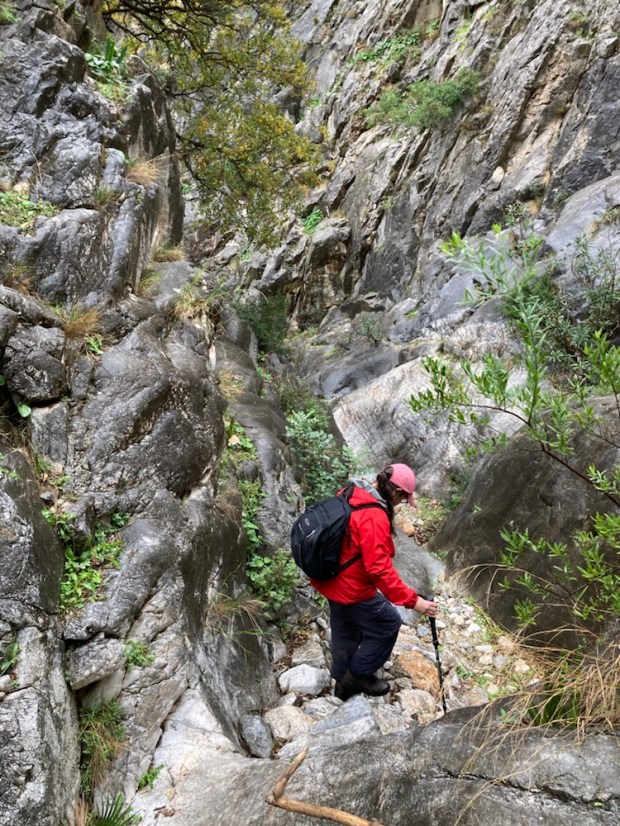
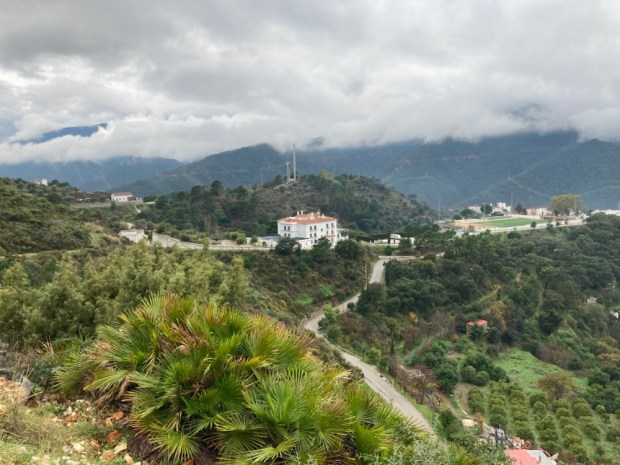
Istan is a place of water boasting numerous springs, fountains, pools, the rivers Verde and Molinos and a network of ancient irrigation channels built by the Moors. Once a place of great wealth with a thriving silk industry and forests of white mulberry, walnuts and oak, hillsides of vineyards producing wine and raisins that bought ships from France and England, all changed when after the rebellion and defeat of the Moricos ( Muslim converts to Christianity) in the mid 16th century the area was practically uninhabited until Christian settlers from other areas in Spain took over the old Moorish properties.
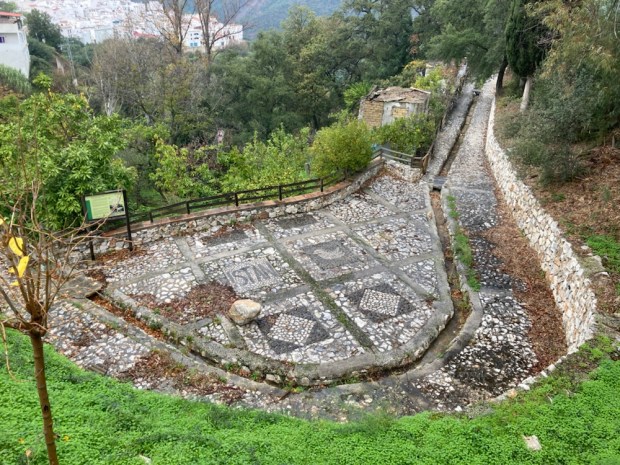
The next leg was a longer but easier 20km trek on mostly good tracks to Monda, over the Canada del Infierno and the high point of Puerto de Moratan at 600m.

Leaving town on a road passed the Nacimiento ( the birth or spring) of the Rio Molinos we headed into the wild hinterland with remote houses dotted here and there in the folds of the hills.

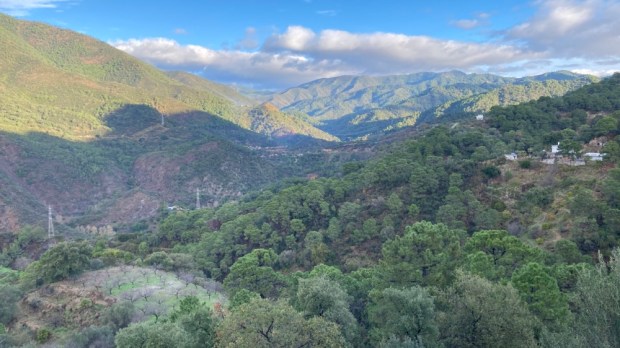
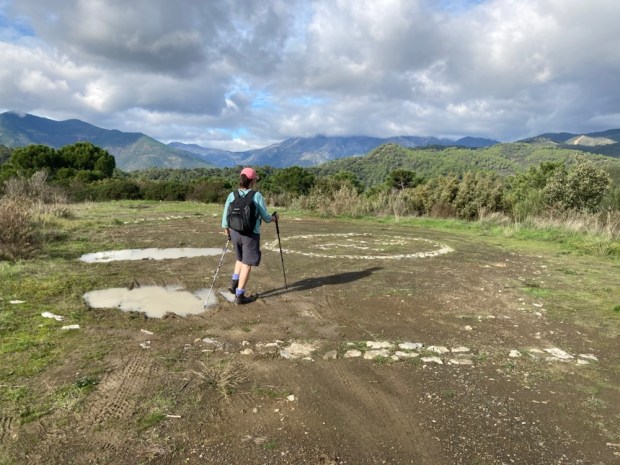
A tiny tree had been dressed for Christmas on the track that took us eventually up to the pass and a helipad- maybe for forest fires or mountain rescue. The landscape seemed to hold more moisture with lush grasses accompanying the palms.
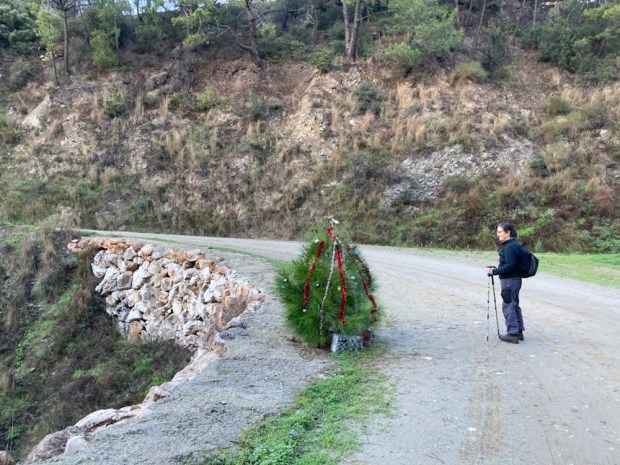
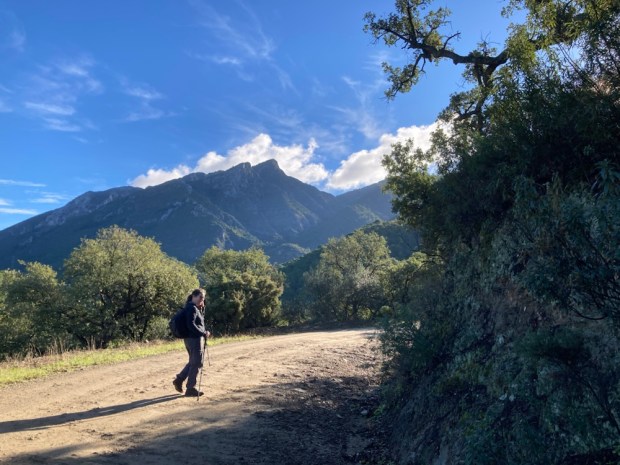
From the Puerto it was a long descent alongside a massive fenced and gated estate of forest, orchard and arable strips between rosemary covered scrubland.
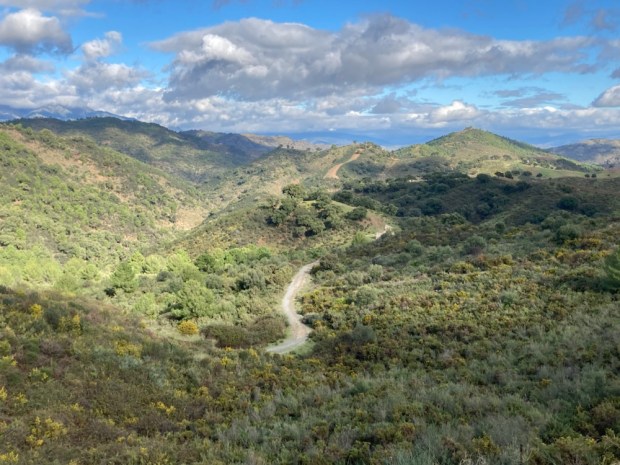
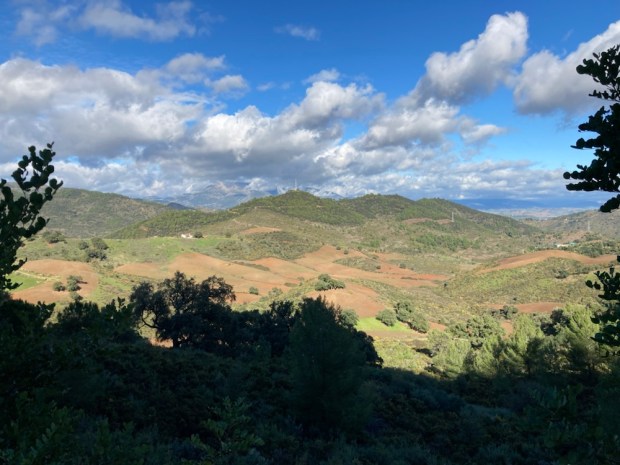
Crossing a river bed on the outskirts of Monda we climbed an ancient cobbled track before arriving into town to find our bed by the loofah plants.
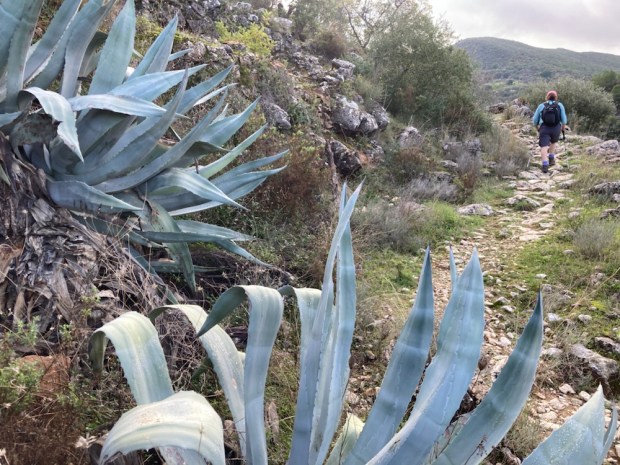
The final leg of the triangle back to Ojen was a 16 km combination of GR243 and GR249, my old trekking companion the Gran Senda de Malaga. Starting off on the trail we had arrived into town on, we soon diverted under the road and into a forested area, eventually turning off onto a steep overgrown track that climbed up and over the mountains separating the two towns.

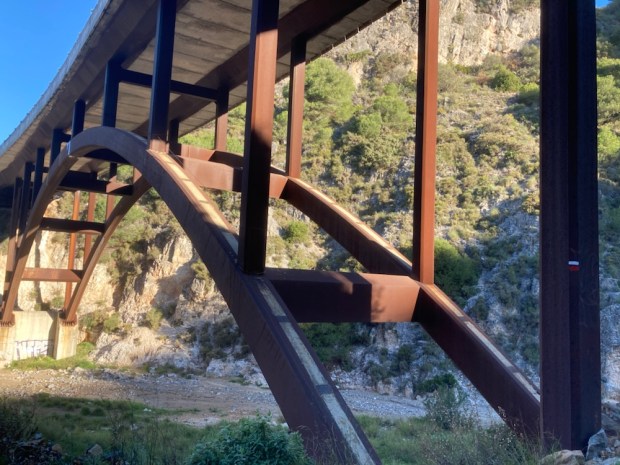
The views all the way down to the coast awaiting at the top made up for the scratching and effort involved in getting there and the difficulty in scrambling down the steep path back down to the Cerezal recreation area and eventually , with relief, the hire car, still safely where we left it.
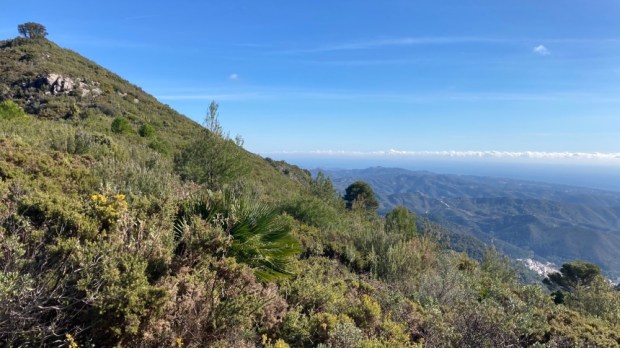
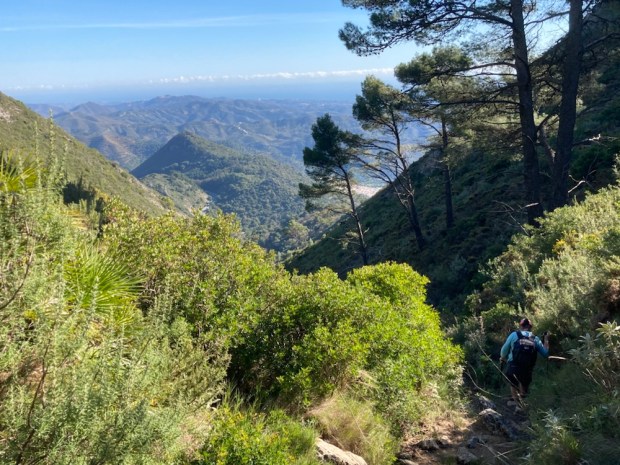
The Sierra is very shortly to become designated a National Park, the 1st in Malaga province- 3rd in Andalucia and 16th in Spain, an upgrading to the premier league of protected environments that will mean an increase in investment in infrastructure to develop responsible tourism such as visitor and nature education centres, lookout points and outdoor leisure facilities. The dozen or so towns in the area are hoping this will help stem the flow of outward emigration and bring increased employment possibilities.

The logistics of returning from a multi day linear walk put us off returning to the GR 243 so our next trip to the area was centered in a couple of spots from which we rambled on a number of routes deep into the Parks interior.
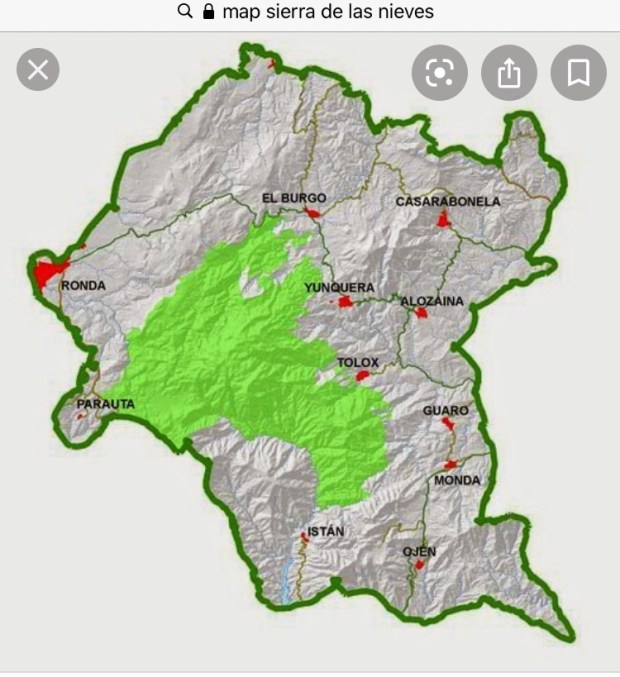
Staying at a mountain hotel high above the town of Tolox for a night enabled us to tackle a couple of great trails, the first of which, the PR-A 282 route to Las Cascades, took us in a 11km loop around the steep slopes, deep valleys, gullies, ravines and precipices typical of the landscape with the added attraction of some mighty waterfalls in full flow after some days of rain and snow.
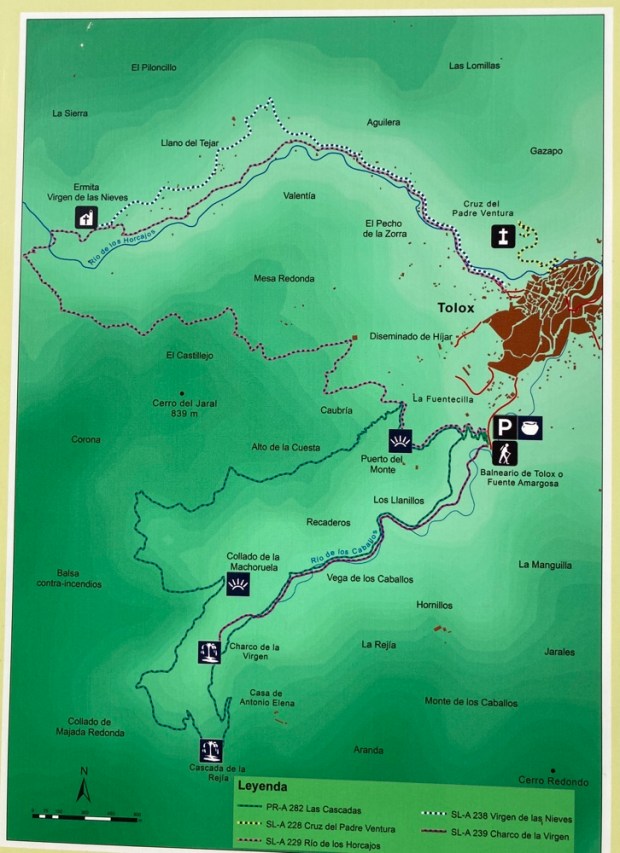
Starting off from the Puerto del Monte we climbed a zig zag track way marked with yellow and white dashes up through the red peridotite rocks this area is renown for. The lower altitudes of the Sierra are made up of the worlds largest massif of this rare rockform. The impervious nature of the rock holds the water that nurtures the lush vegetation and creates the dramatic cascades.
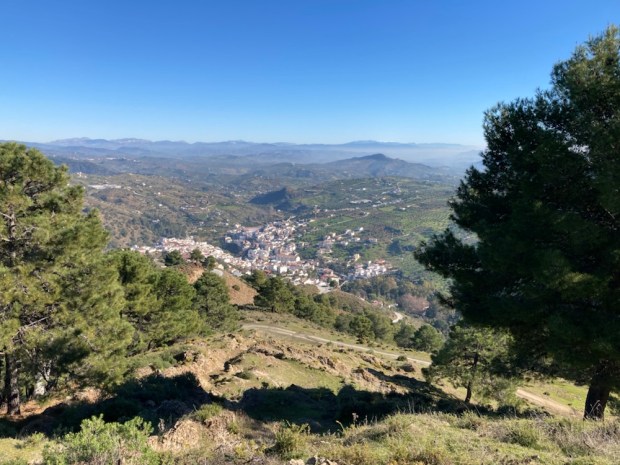
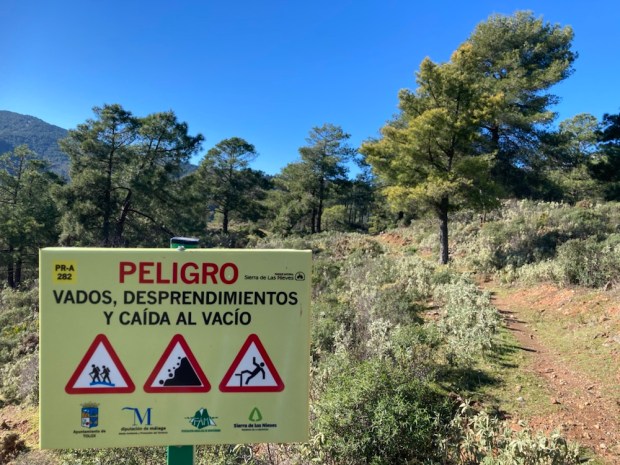
Somewhat alarmed at the signs warning of “fording rivers, landslides and falling into voids” we carried on around the deep creases and folds to a series of cascades where the more adventurous enjoy canyoning and we were satisfied with sitting and picnicking.
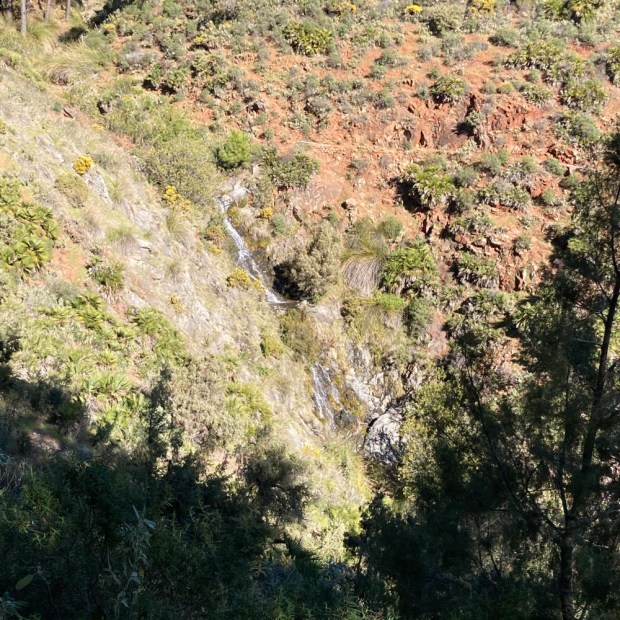
Beautiful, and if it had been a bit hotter I might have managed a cold power shower. Instead we descended to the valley floor and tried to stay dry footed while crossing backward and forward over the river before climbing again to our starting point.
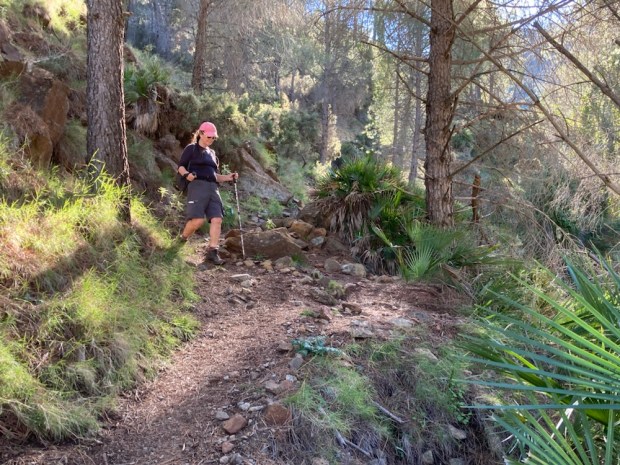
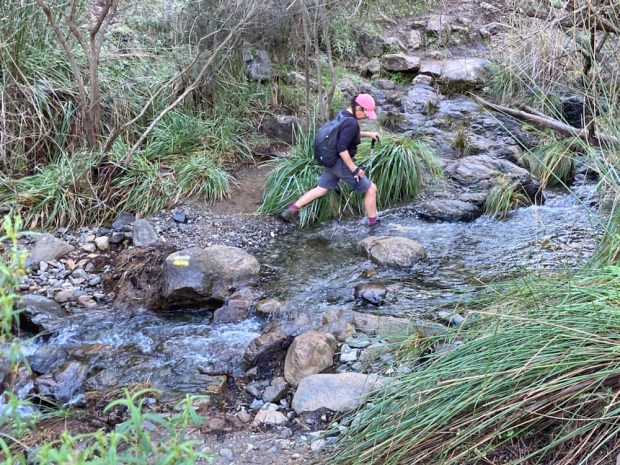
In the morning, stepping out of the Hotel Cerro de Hijar, we were off on the SL-A 229 Rio de los Horcajos, supposedly only 9 or 10 km but , as usual, working out a fair bit more. Another loop, this one took us up and over a pass to a steep sided valley that we descended into to follow the river down into Tolox and up again to the hotel.

Climbing over the pass we could see the snowy peaks of some of the parks higher mountains including La Torrecilla at 1920 m ( 6300ft) Malaga’s highest. On its limestone slope, at 1670m, is the entrance to the 3rd deepest cave shaft in the world, dropping vertically over 1000m. Known as GESM it is one of a great many caves and shafts in the limestone mountains and a great draw for potholers and cavers.

The steep valley slopes were covered with ancient, much pollarded chestnuts which along with holm, cork, gall and Portuguese oaks and pine carpeted the Sierra up to the snow line.

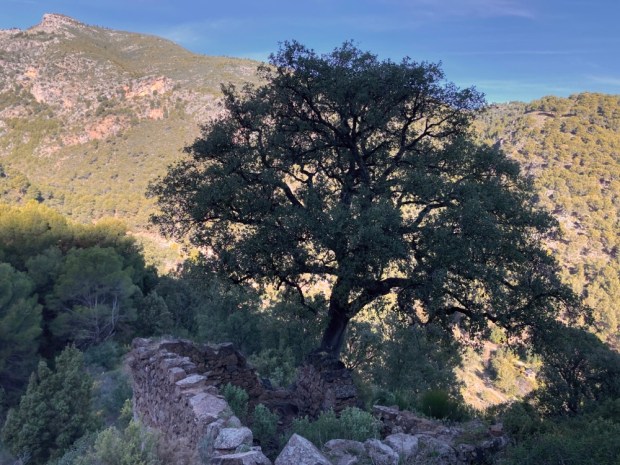
We followed a beautiful old stone track down through the shrub to the Rio Horcajos. The whole area is covered with a network of trails, as is much of rural Spain. These paths between villages have been used for hundreds of years by shepherds, goatherds, muleteers, charcoal makers, herders and travellers of all kinds forming a web of communication and information.

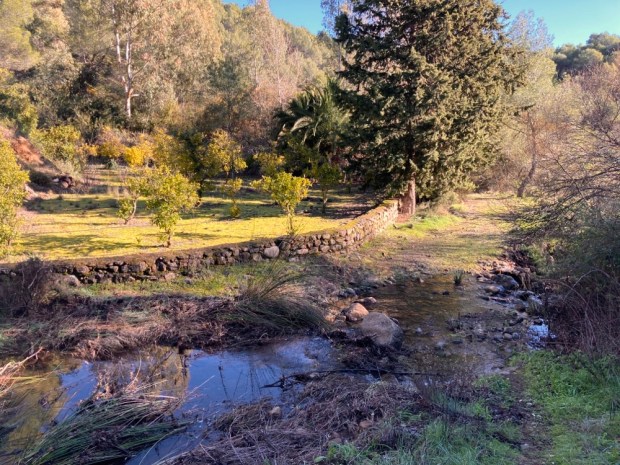
It wasn’t long before we came to a recreation area at the hermitage of the Virgin of the Snows where natural springs emerged from the ground to join the river that we followed into Tolox on a verdant path between rampant crops.
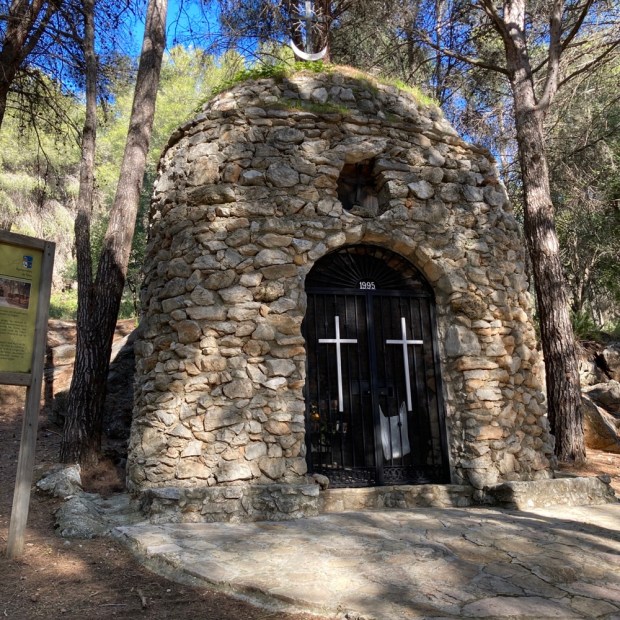
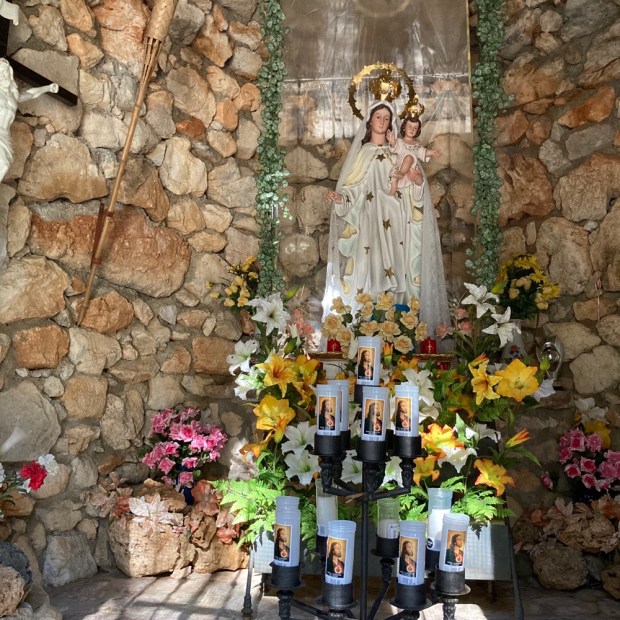
The river had once supplied the power for many mills in Tolox , for grain and olive oil, but nowadays the local sulfur rich waters of the Balneario o Fuente Amargosa emerge at a constant 21* and supply Spain’s only medicinal spa. Famous for the treatment of kidney and urinary problems by drinking and respiratory disease by inhaling the mildly radioactive vapours you need a doctors prescription for a 2 week treatment. The building was our last stop before a final leg aching climb back up to the hotel and car. Time to move on.
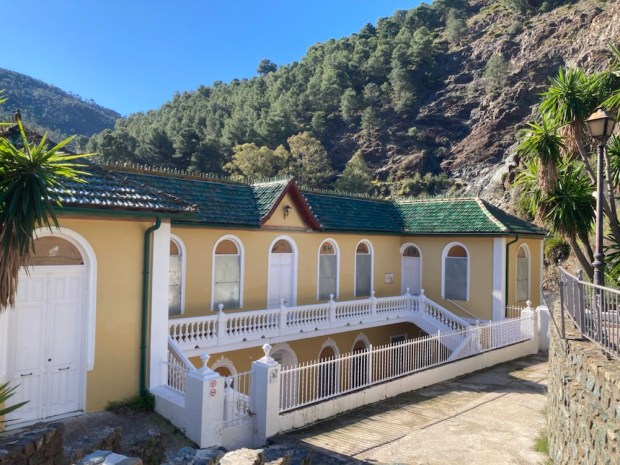
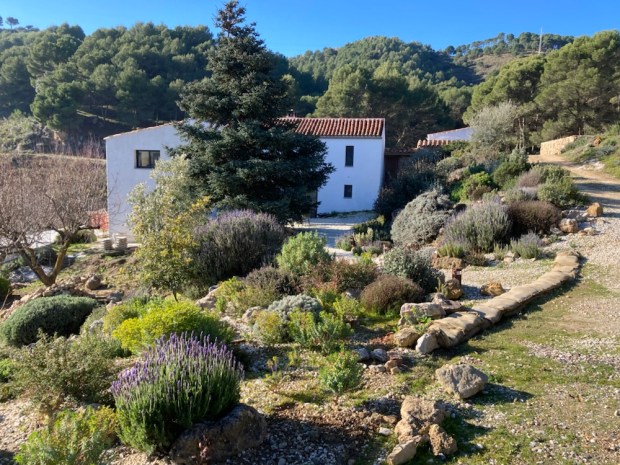
We were moving on to Finca las Morenas, an off grid farmhouse with accommodation run by a couple of Mediterranean garden designers who moved here after decades of working in London. In an isolated setting adjoining the Natural Park outside of Yunquera the converted sheds next to the 300 yr old farmhouse had been tastefully and thoughtfully renovated and featured many environmentally friendly features designed to save water and power. Situated at above 700 m it was a perfect spot from which to explore the upper reaches of the Sierra.
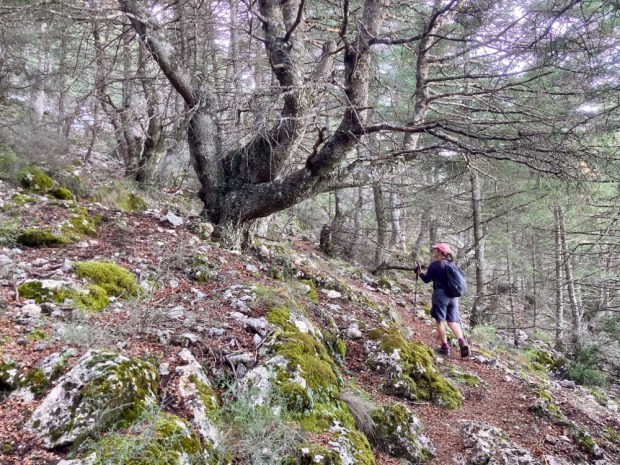
Our first trek from the finca took us into the pines on a foresters track that took us slowly up another 500 m to the Cueva del Aqua, the cave of water, and into the snow. Obviously the Sierra de las Nieves, the “Mountains of the Snows” have a reputation for getting a fair bit of the white stuff and there had been some heavy falls before we came.

This walk would also bring us for the first time into stands of the tree the park is famous for, the Abies Pinsapo, the Spanish Fir endemic to this region. “Discovered “in 1837 it is a botanical relic of the pre glacial period that by the 60’s was in danger of extinction due to felling but under protection they now cover an area of 5000 hectares. Some are National Monuments and hundreds of years old and are the emblem or symbol of the Natural Park but unfortunately a more subtle and pernicious effect of mankind’s damage to the environment could still be their downfall. An invisible fungus has been attacking and killing the trees whose natural resistance is thought to have been weakened by climate change and ecologists are calling for a seed bank to be created to ensure survival of the species.
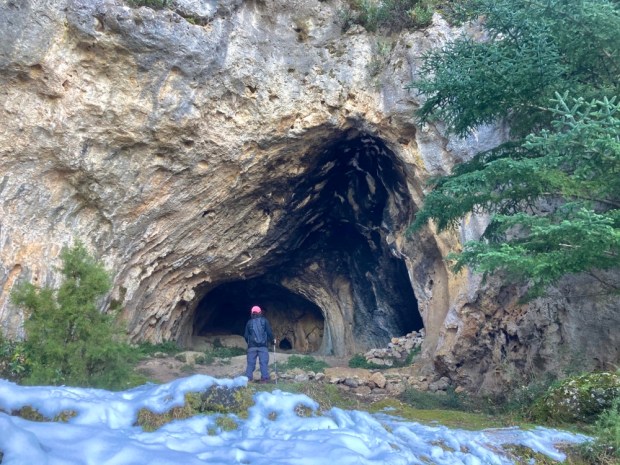
We reached the cave after about 6 km and carried on up to a picnic spot with a view before returning to explore it on our way back down to the finca. Deep enough to provide plenty of shelter for goatherds and their flocks the walls bore the smoke stains of countless fires.
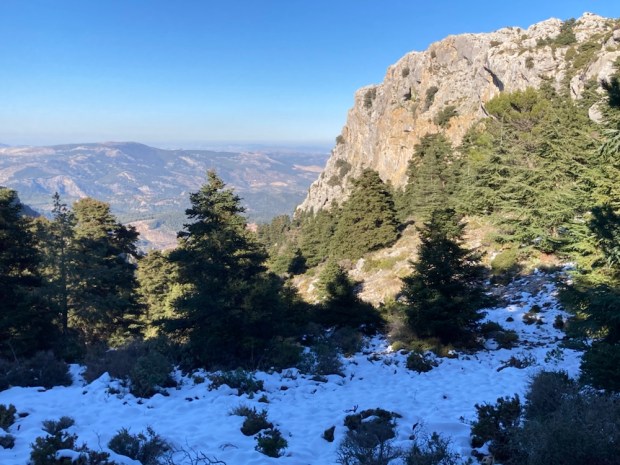
Next day we set off to drive up to the Mirador Puerto Saucillo above Yunquera to do a hike up to Penon Enamorados ( Lovers Crag/Rock) the second highest peak in the Sierra at 1760m. Unfortunately the road up had been blocked half way up by local police adding another 6 km and 300 m ascent to our days walk.
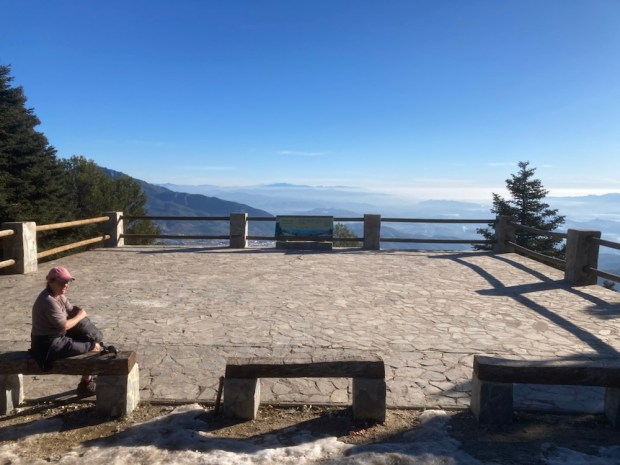
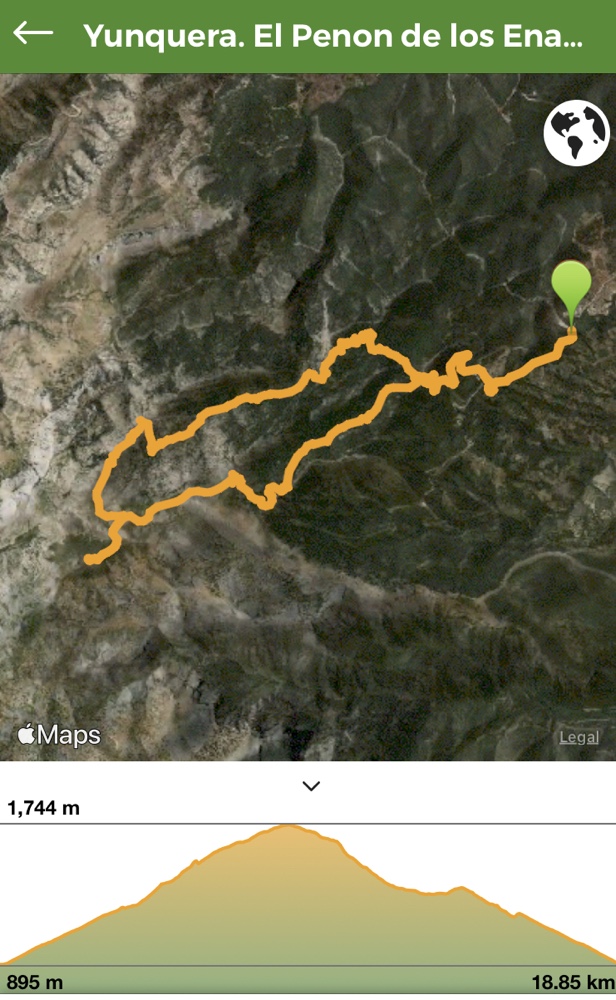
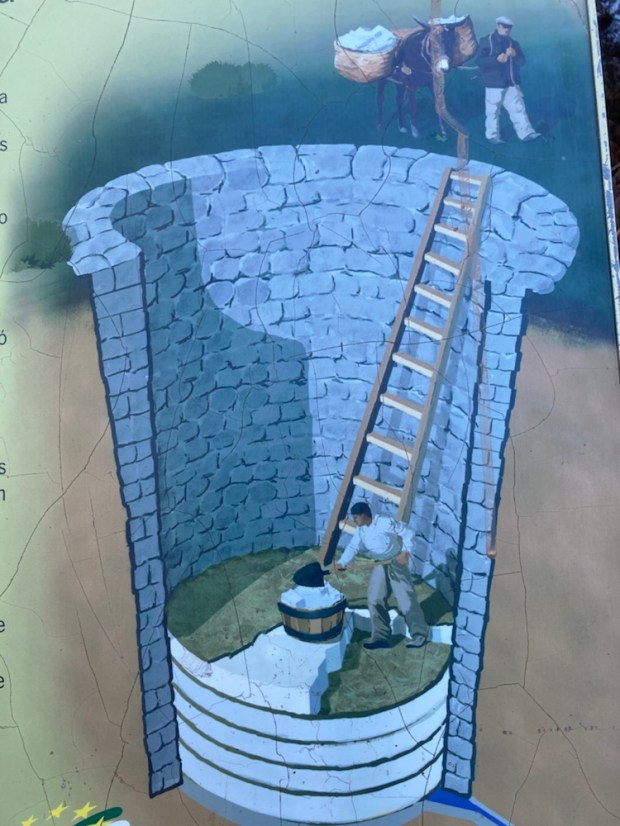
After a chocolate break on reaching the mirador at 1240m we set off on a yellow and white marked route the PR-A 351 and were immediately immersed into the snowy landscape that had long been a source of industry with the building of snow pits and the subsequent transportation ,by mule ,of snow and ice all over the province.

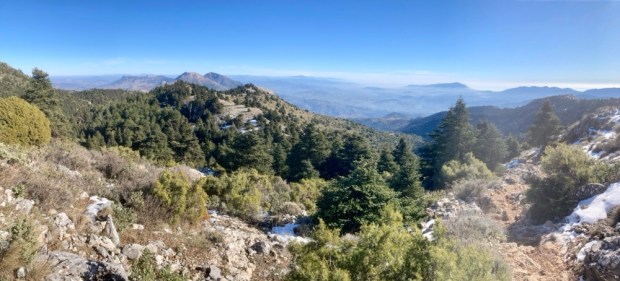
Chilly enough in the shade but climbing up out of the forest and onto more open rocky ground we were able to bask in the sun and take in the far ranging vistas.
The crisp clear air, bright sun and dazzling white snow made the views over the surrounding Sierras to the distant coast even more dramatic and awe inspiring as we climbed across an icy slope studded with occasional lonely Pinsapos and recently planted galloaks towards the “wedding cake” pile of Enamorados.
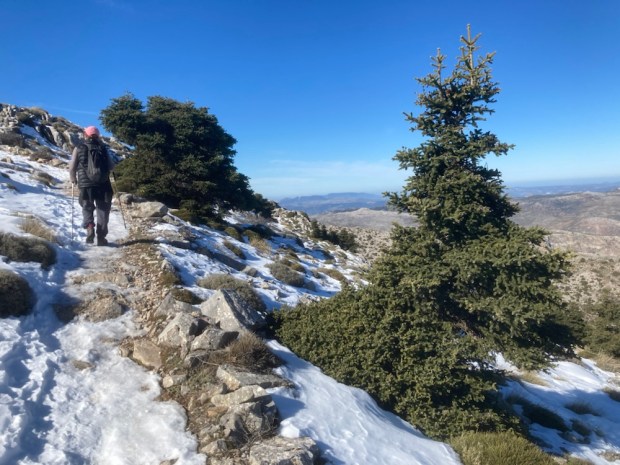
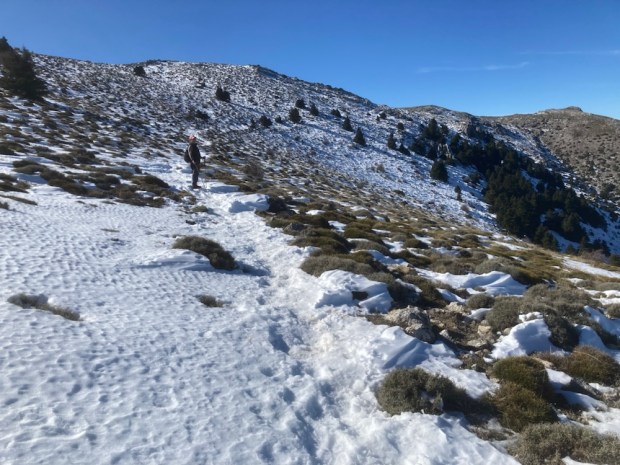
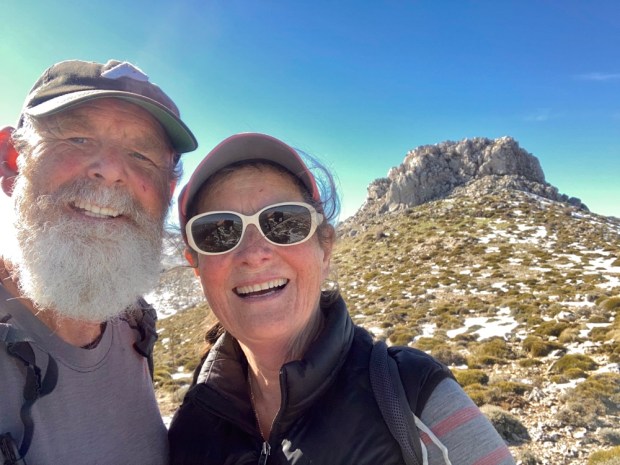
We were truly blessed with the conditions as we reached our goal at 1745m, happy to picnic at the bottom of the pile of rocks below the summit and take in the view of Torrecilla, another 200 m higher. Another time.
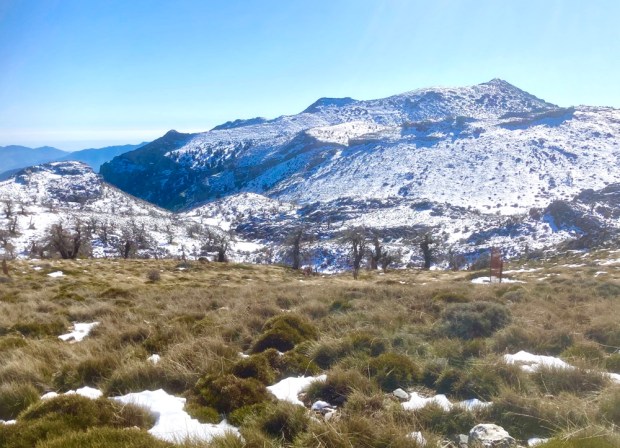
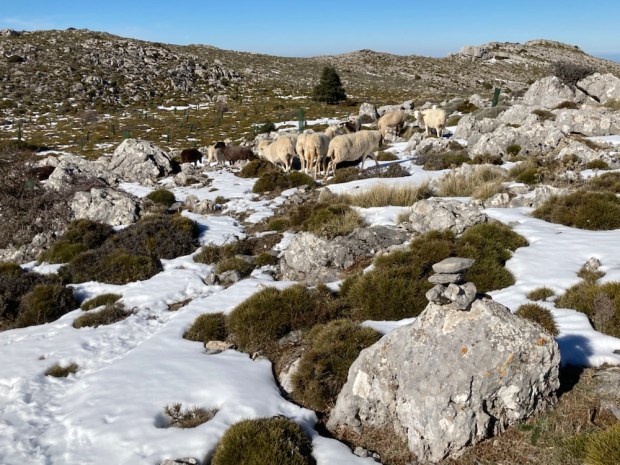
Our return leg to the mirador was on a smaller track across a coll, and along a ridge and then down to the bottom of the valley, at times a slippery slide down snowy slopes. The trail, invisible beneath its white blanket was thankfully marked by many stone cairns, leading us back into the Pinsapo forest past tracks in the snow, the nearest we got to seeing any of the deer, boar, goat or muflon that are among the rich variety of fauna living in this wilderness.
We had discovered yet another area of Spain worthy of more exploration and will have to return. So many wonders. So little time.

CAMINO MOZARABE: Almeria to Granada 5

Tocon to Granada.

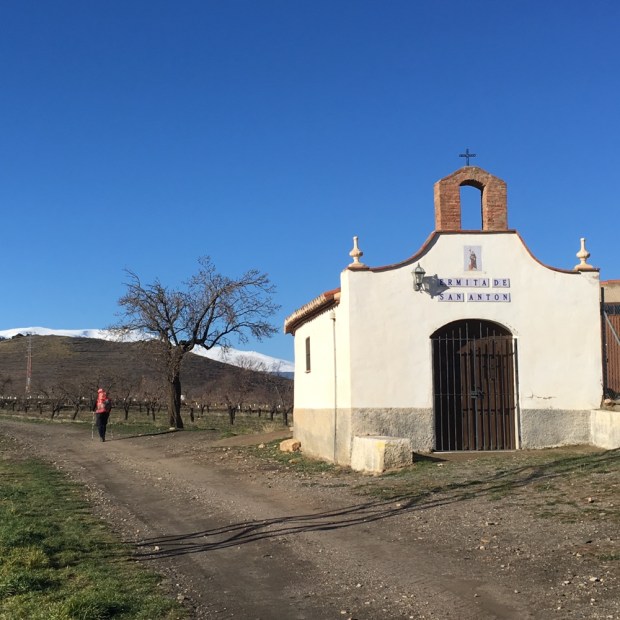
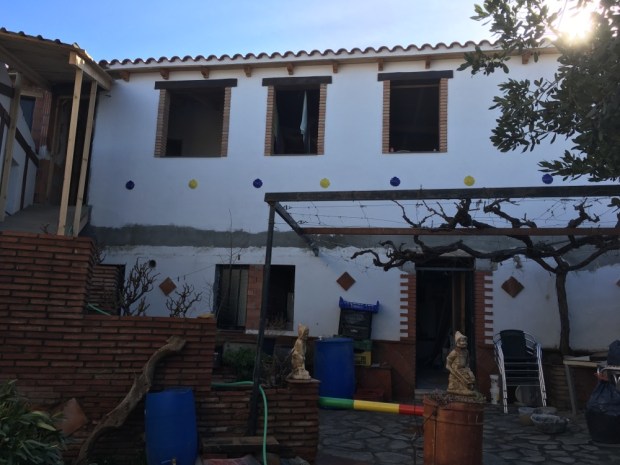
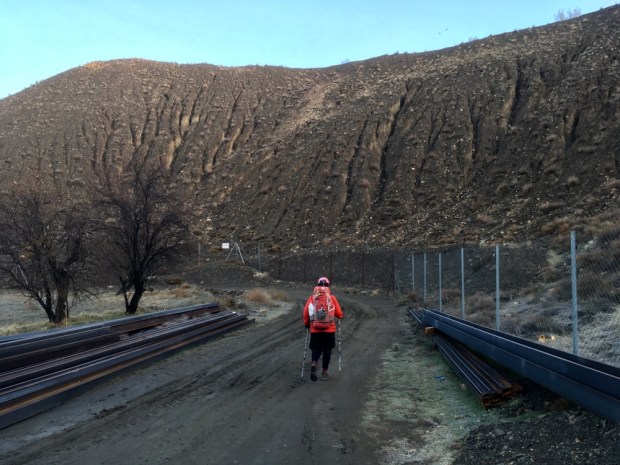
Both of the last two stages of our journey on the Mozarabe from Almeria were spectacular and we were glad we had given ourselves the extra time that the stop in Tocon had allowed. It would have been a long haul from Peza to Quentar in one go, as it was we only had 16 km from one albergue to the next. As we walked past the big walnut trees below the bar, whose nuts the family had been cracking as we’d had dinner the night before, a woodpecker was hammering away in the branches above us.

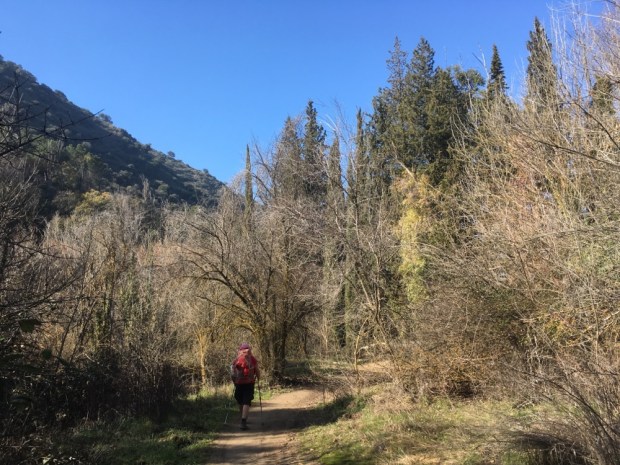
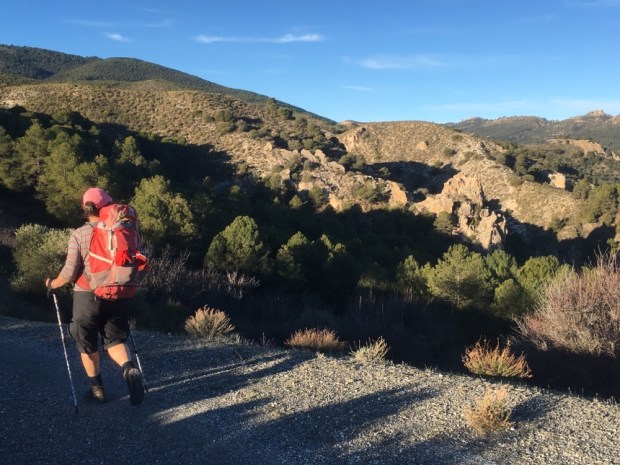
We walked out of the village on the road for a km or so then turned up through boar churned woodland to a sparsely vegetated hillside and rejoined the original Quéntar route along a gravel track that climbed higher and higher.

Juniper appeared amid the white crazed rock that covered the landscape and we followed the track in a massive zig zag down to an area recreativa among riverside poplar trees.

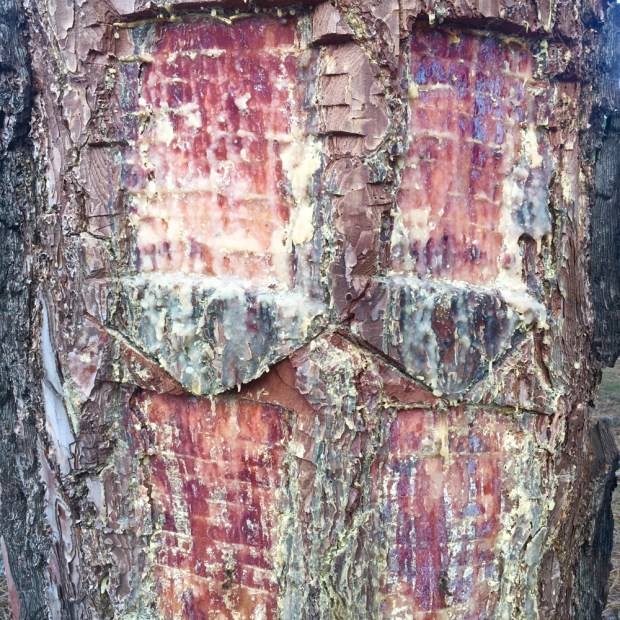
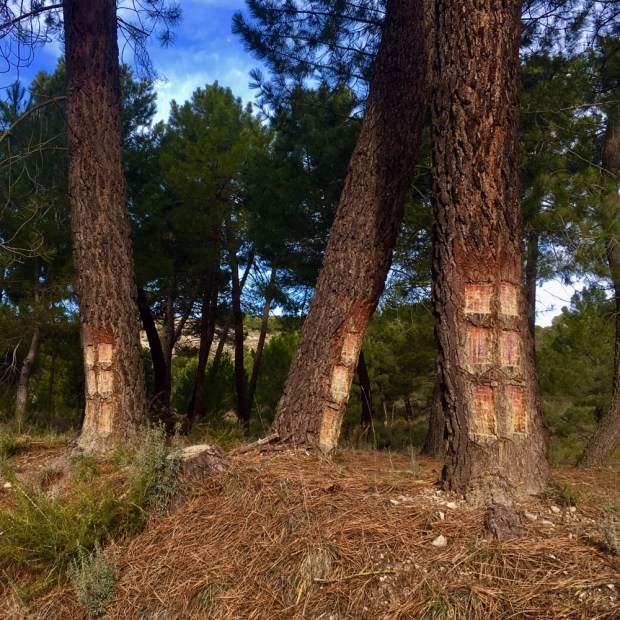
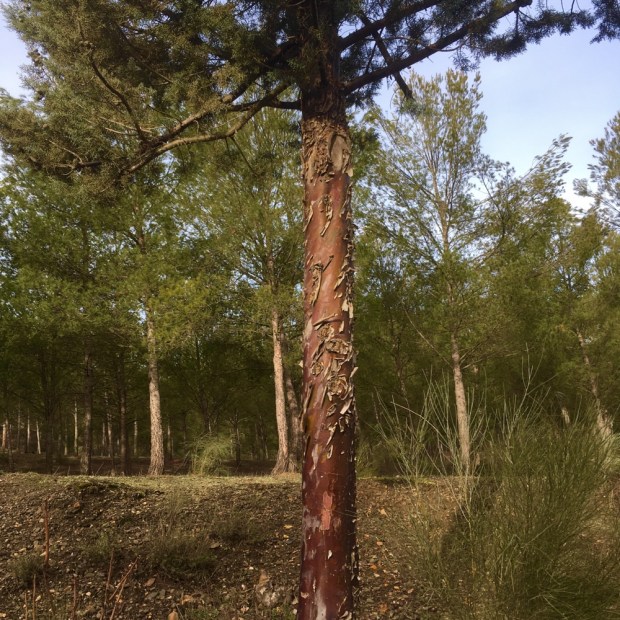
Climbing again we passed through a pine wood that had been tapped for its resin. This thick sap like substance produces both rosin and turpentine. Apparently demand is on the increase because the natural material substitutes pollutant petroleum derivatives.

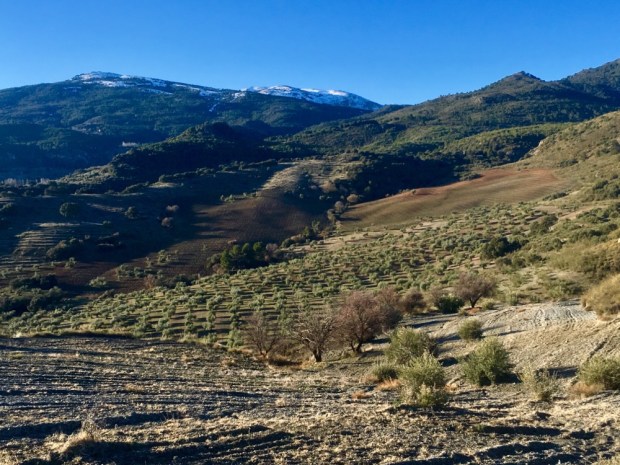
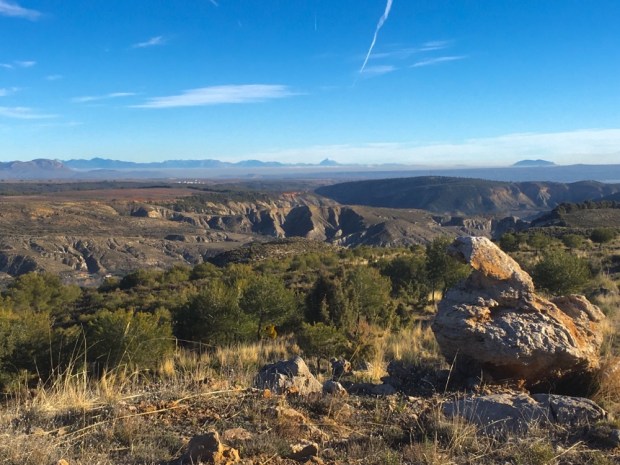
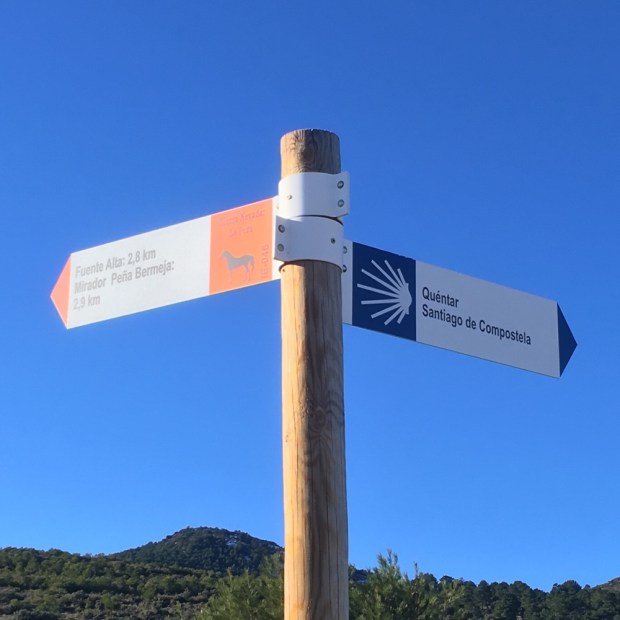
Higher and higher the track led us to more and more spectacular views of the Sierra Nevada’s and the hills that enveloped us. New benches,map boards and post and rail fencing were signs that there was a fair investment in encouraging this Camino route or hiking the area in general.

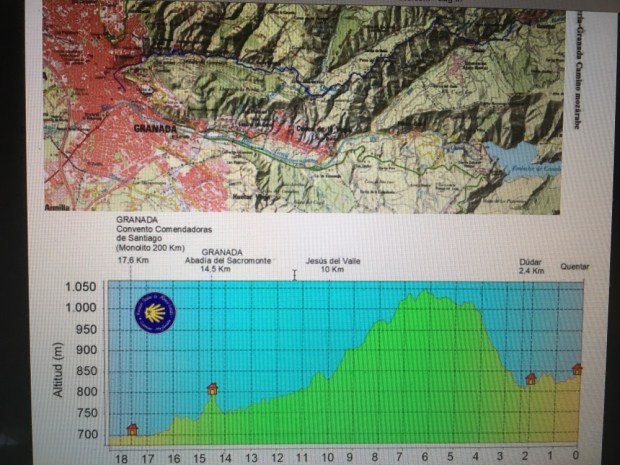
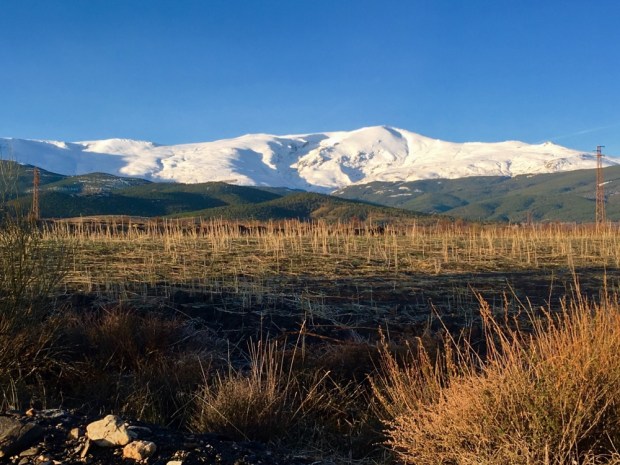
And then we finally reached the highest point of the entire route at the bizarre surroundings of an old talc mine. 1418m high with views across to the highest peaks in mainland Spain, covered in a smooth shiny white blanket.

What goes up must come down, and so we started our descent towards Quentar, passed some lovely fincas set among a sea of olives.

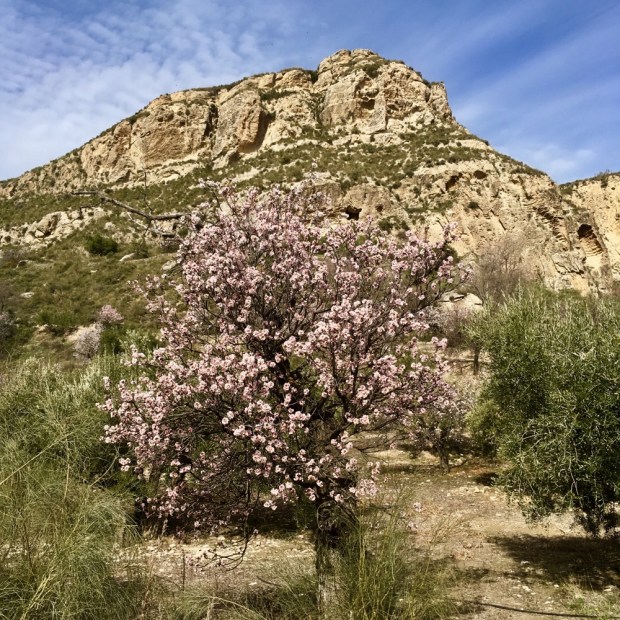
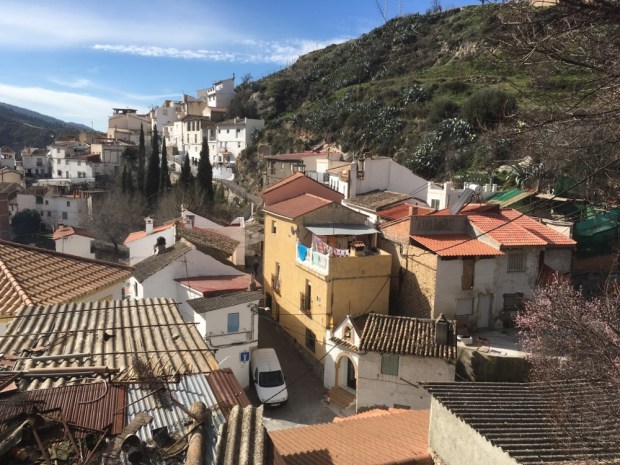
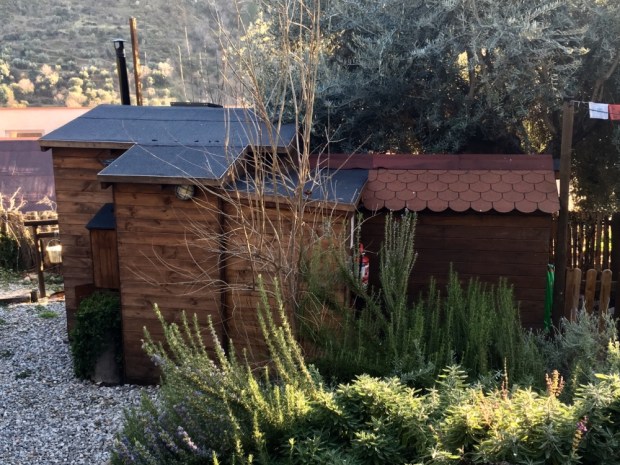
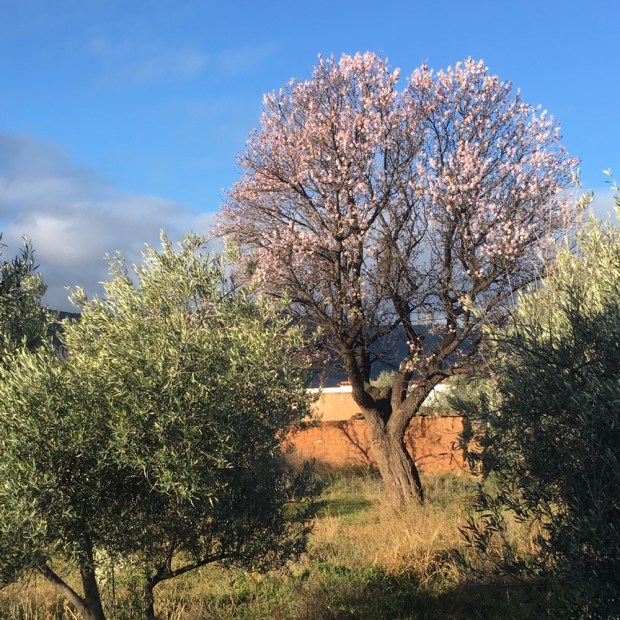
The almonds were flowering nicely as we approached the village, busy with bees from the hives we’d seen higher up the trail. Soon enough we were in the town and installed in our little hut complete with a tiny terrace in the sun.

Our last day. Quentar to Granada 20km.

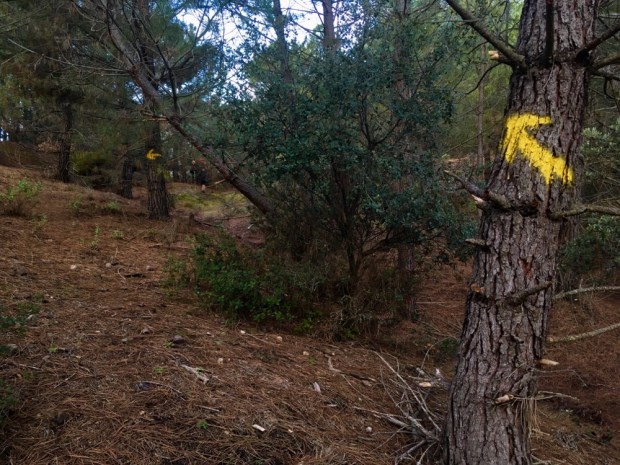
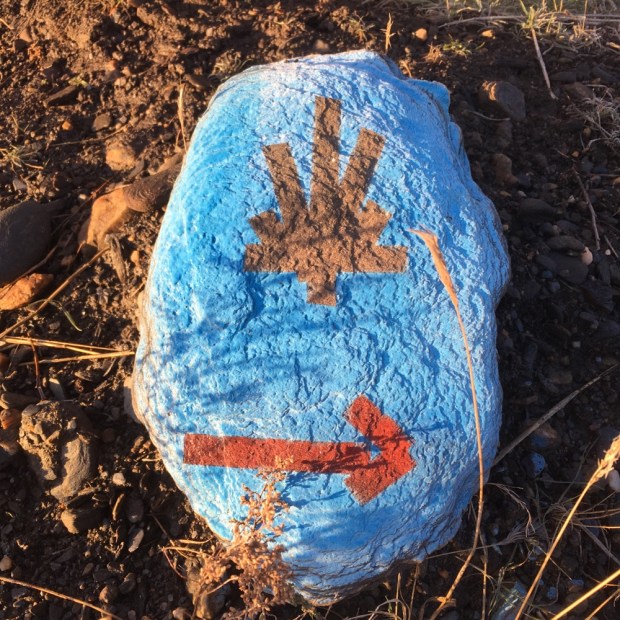
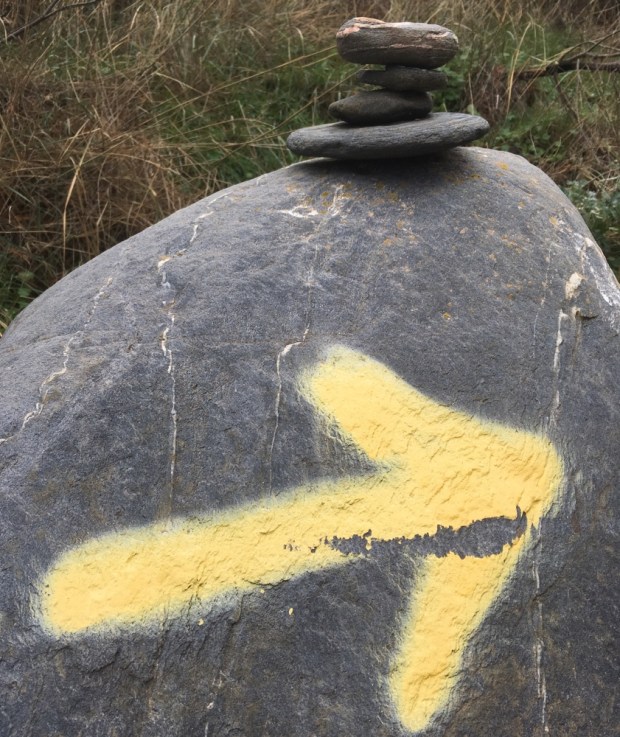
Following the yellow arrows down through the town in the morning we reached the river and turned along it, watching the ducks ride the mini rapids beside us. Turning up a narrow verdant path that led to a series of well watered gardens and orchards we soon reached Dudar, a village celebrating its saints day and the origin of all the fireworks that we’d heard in our cabin the night before.

Up again out of the village steeply for 200m altitude gain, to arrive at the remains of impressive French engineering works from the 19th century. A major water syphoning system to bring irrigation from one hilltop to another.

We reached the ridge and enjoyed a long hike along the easy track soaking up the distant vistas as explosions from Dudars celebrations echoed around the mountains. For once we were sharing the Way, with weekend runners, cyclists, walkers and motor-bikers.

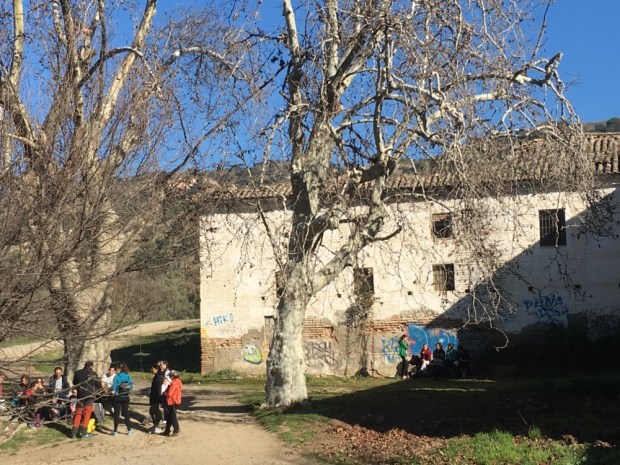
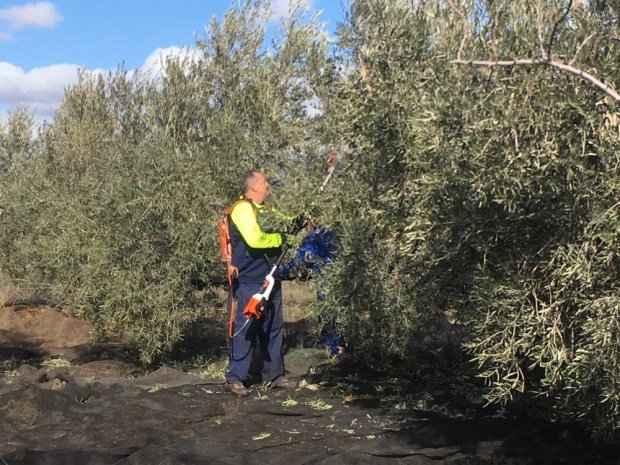
It was getting busy. And getting cloudy/ smoggy- we weren’t sure. But we were above the thick blanket that covered Granada. Our route turned down off the ridge, towards the ruins of a massive Jesuit monastery surrounded by olive groves that were being harvested by a gang of men and a lot of machinery, including the tree shaking tractors with the encircling funnel screens (you’d have to see them).

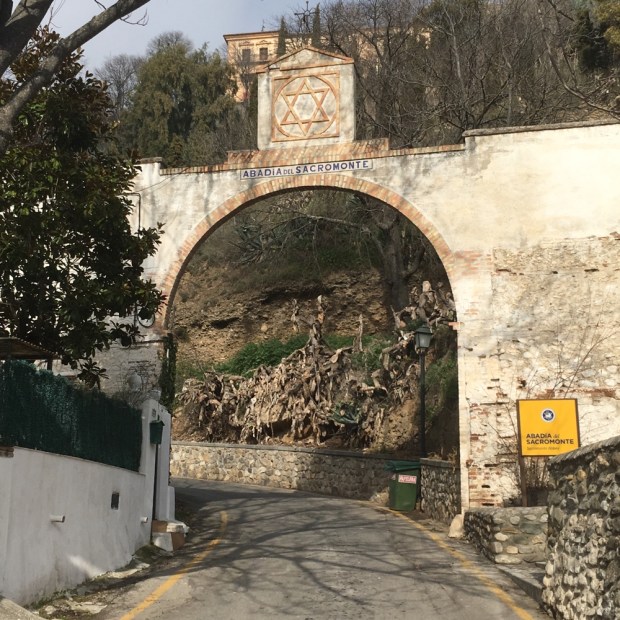
We nearly lost our way crossing the olive grove-( grove seems to imply somewhere small and intimate and not the immense and poisoned industrial scale monoculture they so often are) but followed the incline down to the rushing waters of the Darro river and a lush path to the gardens of the Sacromonte abbey.

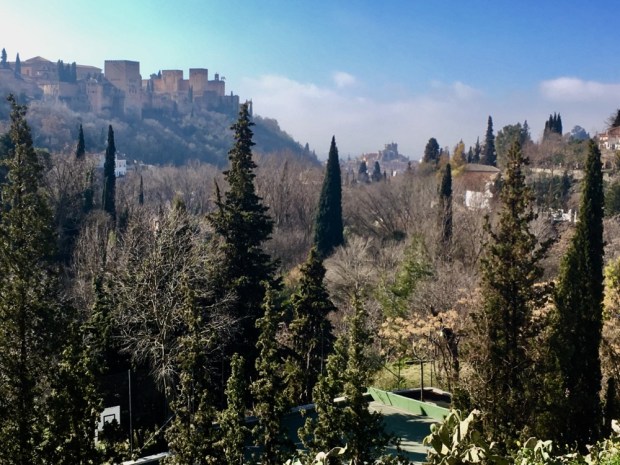
Suddenly we reentered a world of people after 10 days of near solitude. Saturday in Granada is busy of course and we had to adjust quickly as we moved through the throngs in the old city beneath the Alhambra and played spot the Camino sign in the centre.

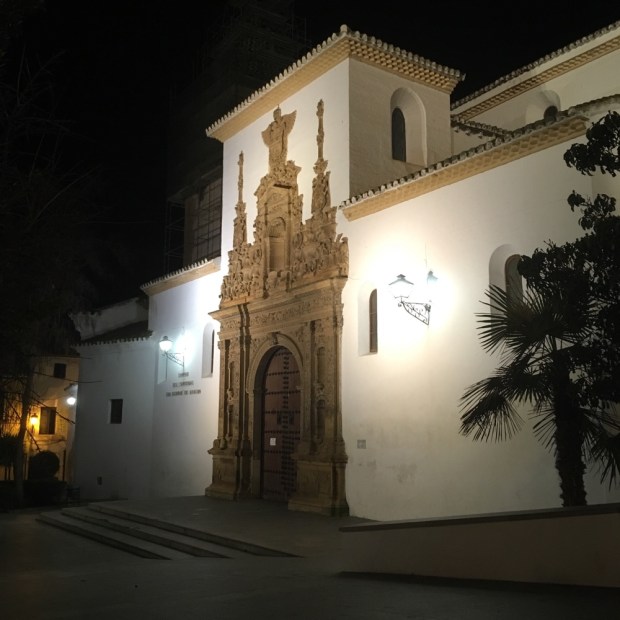
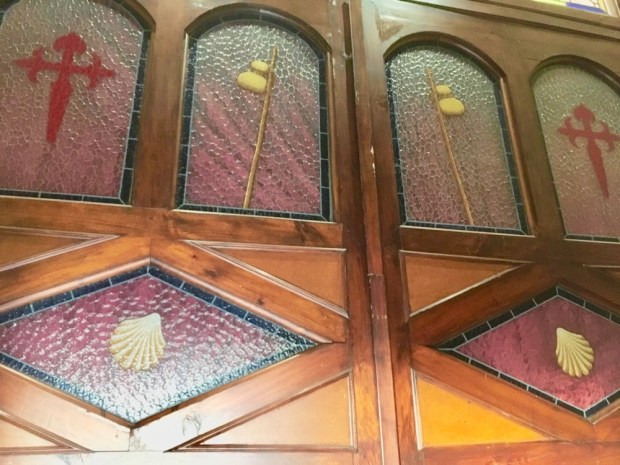
The various arrows and apps deposited us outside the doors to a church in the corner of the huge monastery of Santiago. We were in the wrong part of the convent but saw all the St James symbols and headed in to get our credentials stamped for the final time.

The place was full of a wedding party- whoops- so Sally waited with the packs outside and, assured by someone who seemed to know that yes , this was the place, I ventured in. I was confronted by all the wedding guests posing in front of the ornate gold leaf alterpiece and was pressed upon to become the wedding photographer on their cameras. After performing my duties to their satisfaction I squeezed through the crowds and managed to get a nun to get our credentials stamped and returned to me in the crush of celebrants. Job done. Time for a selfie.

A slightly surreal ending to a great weeks hiking on what is now my favorite Camino route.

CAMINO MOZARABE : Almeria to Granada 4

Guadix to Tocon

Our first section of the two to Tocon was one of the most surprising to us, with great contrasts in scenery when we had been expecting a long slog across the plain. I guess the profile should have told us.

Of course it worked out a little further according to the GPS by which time Sally’s foot was giving her some pain which took the edge off some the pleasure of walking through such natural splendors.

After a nice night at the man made splendors of the Guadix albergue and admiring the grand edifices of its glory days we followed the signage out of town.

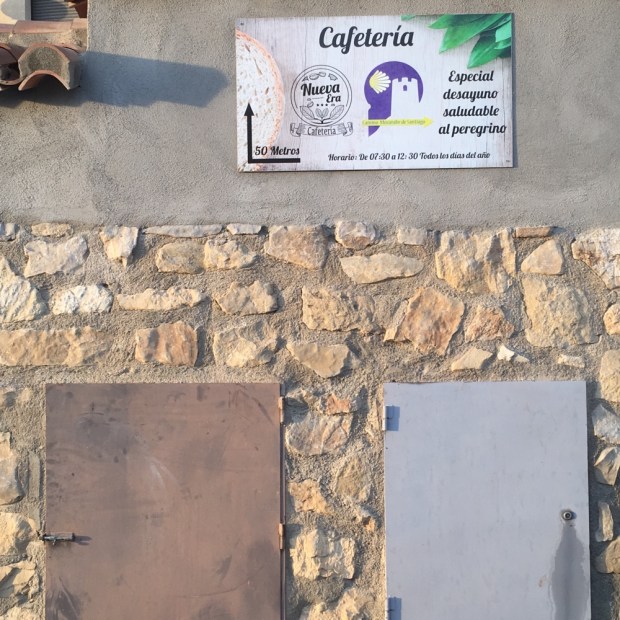
A last minute stop off in a cafe for a peregrine breakfast, we were pleasantly surprised that it seemed to be run by social services and our two big tostadas with tomato and olive oil, two cafe con leches and two fruit salads cost us €3.80. The Camino provides! Suddenly we were away from the buildings on a dirt track that led up into eroded hills surrounding good flat farmland- with tractors and even a combine harvester hold up in holes ( in the rock- alongside old abandoned cave houses).

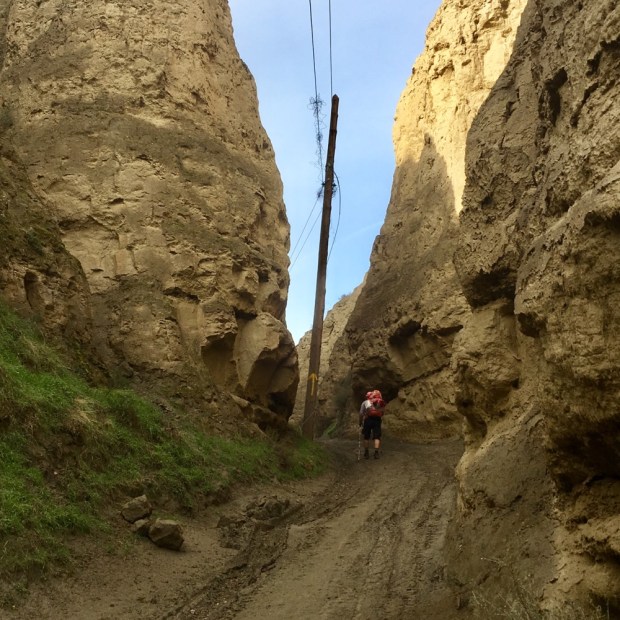
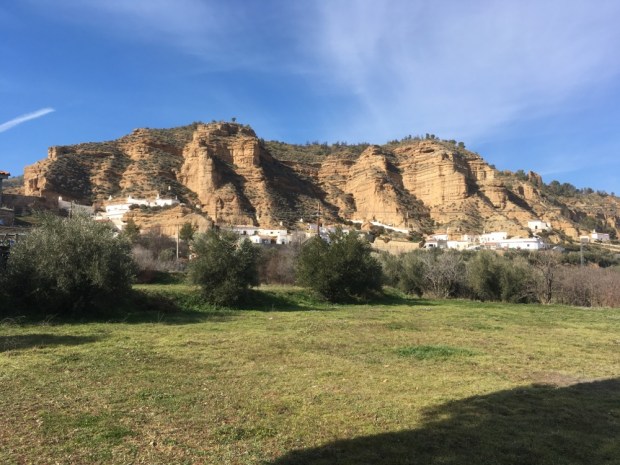
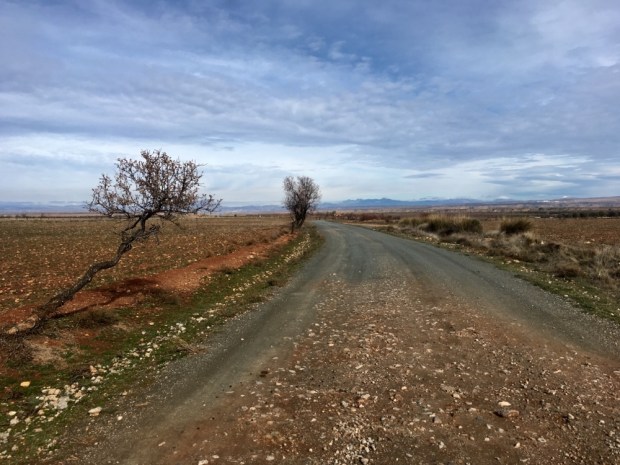
A beautiful stretch followed all the way to Purullena, about 7 km, of an up and down sandy track through pine trees with the “badlands” on either side. The erosion had created gorges that got narrower around us and we found ourselves in a winding tunnel of towering sandstone with openings many meters high.

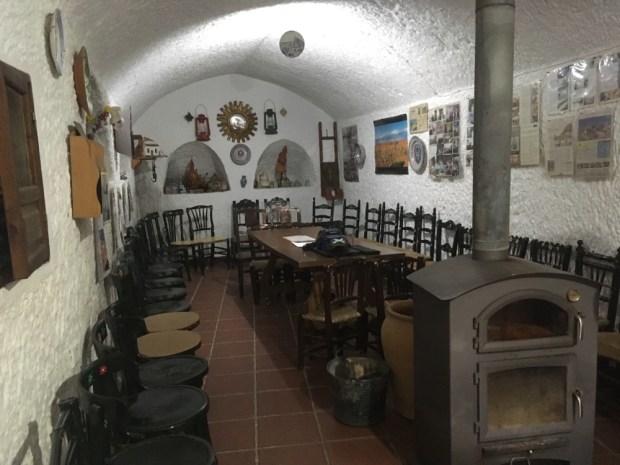
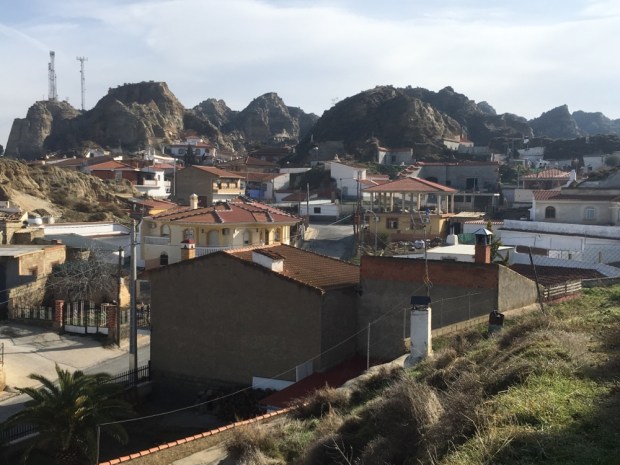
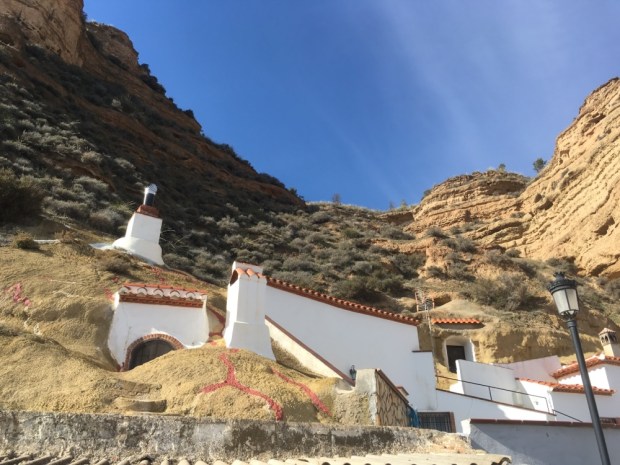
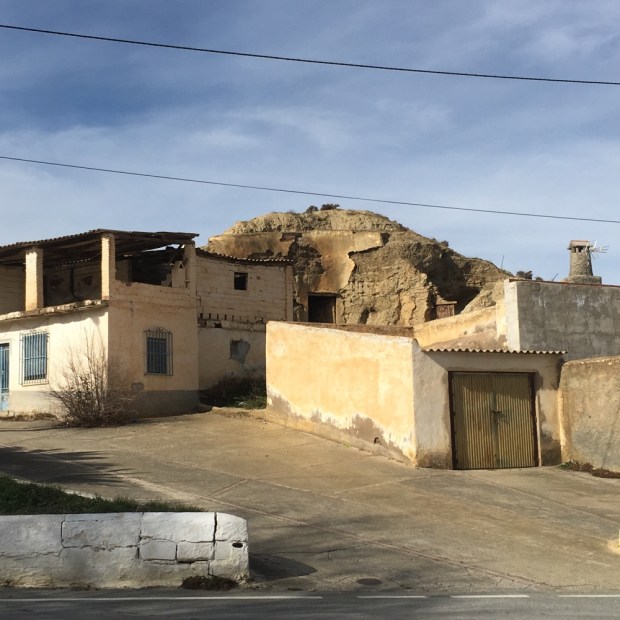
The old abandoned holes became transformed into a thriving housing sector very shortly when we arrived into town. We had wanted to see the inside of a contemporary cave and the opportunity arose almost strait away with a three story museum right on our path.

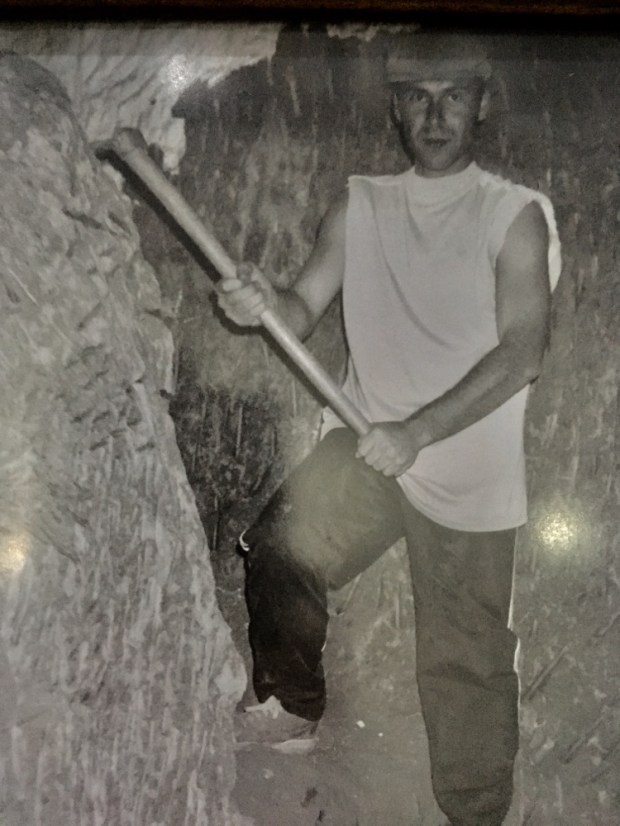
The owner explained that the cave houses, with doors and windows shut were pretty constant about 16 or 17 degrees maybe 18-19 in summer. And even in the terrible rain and floods of the recent Storm Gloria the houses stayed perfectly dry owing to the iron content in the fine clay. The structure of the material is such that the ceilings ,and all inside spaces, will hold up as long as the rules governing proportions are adhered to. 40% of the people in his town live in caves and most of the good clay hills have been used. But there is a lot of renovation going on- and some expansion. Must be tricky when your extension is over someone’s bedroom. It would seem a logistical and legal quagmire but he seemed to see no problems and thought it an ideal building method. Another bedroom? Dig away! Another story? A little trickier but no material costs!

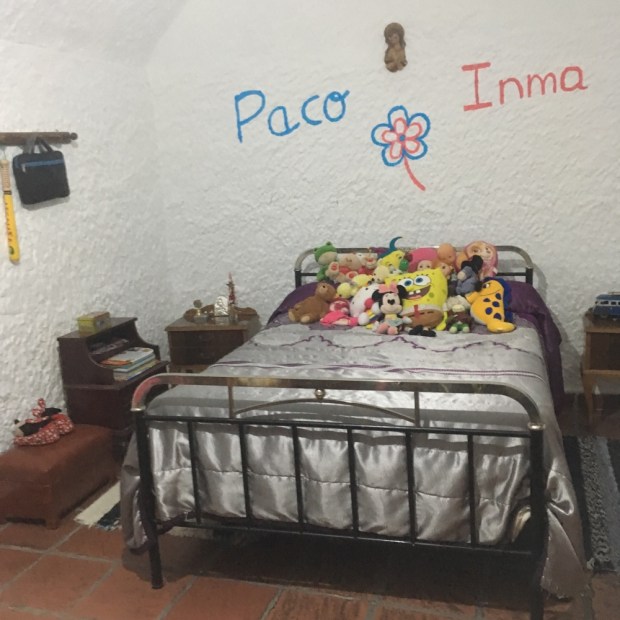
The middle floor was laid out as a home of maybe 50 years ago and the final, upper floor was stuffed full of ethnological artifacts.

We’d spent too long there and hurried on, on paths and tracks between small fields of fruit veg grapes and grain to Marchal, another troglodyte town that was making great efforts to be attractive to visitors and especially, pilgrims.

A high road past amazing rock formations and lovely wood and farmland with bueno vistas took us up in quick succession to Los Banos, with a wealth of hotels and hostals servicing people who come to “take the baths, (there are hot springs here but not accessible to us unfortunately), and Graena where we had a look at the 15th century church and shopped in our first cave supermarket.

A long riverbed track past mostly grapes and cave bodegas and then too much hard surface tarmac road- although the dramatic views made up for it- and we had made it to the 150km marker.

Finally La Peza came into view- and we left the tarmac to switchback down a steep mud track into the village where the albergue in a municipal building was cold but the local bar served a hot lentil stew.

La Peza to Tocon. 15km

We had decided to take two shortish days rather than one really long one to Quentar. This meant climbing up to 1200m again, splitting off from the usual route to Quentar to go to Tocon where the Camino Association in Almeria have procured and done a lot of work to a house and made an albergue. Then after another few Kms the original route is regained the following day. Nice and easy.

So it started with a long climb, but yet again the weather, the views and the interesting country made it a joy. So much so that I sloppily played Louis’s “Its a wonderful world” as we went.

The route was also shared for quite a way with horses, as this was the first designated riding route in Granada province, and we past one of the resting places with a newly made drinking trough.

Descending again for awhile we joined a stream bed beside a road that wound its way up through rocky woodland and jutting monoliths of talc(?) to an altitude where the snow still held on.

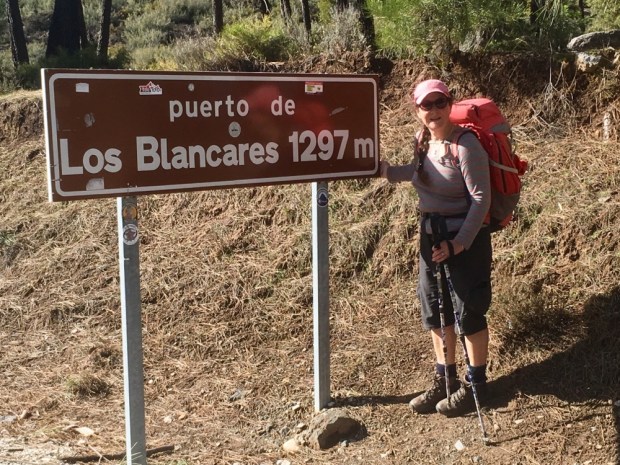
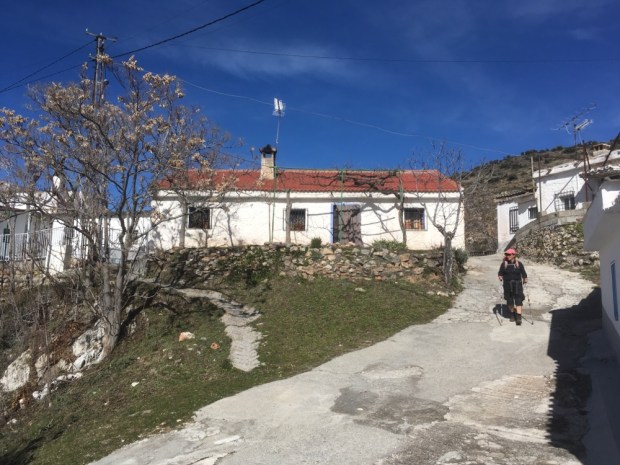
At the pass of Blancares the routes split and we made our way the couple of km to Tocon down a charming path with newly made wooden post and rail fencing. The tiny village is in an idyllic setting, with clear mountain water running through- supplying plenty of fuentes. The steep concrete road led us to the albergue on a sunny terrace with views to the mountains and the local bar, the only source of sustenance available, a few yards away. A great place to rest up awhile.

CAMINO MOZARABE: Almeria to Granada 3

So we did this:

from Alba steadily rising to Hueneja at 1200m. Then on the next stage we did this:

Hueneja to Alquife.

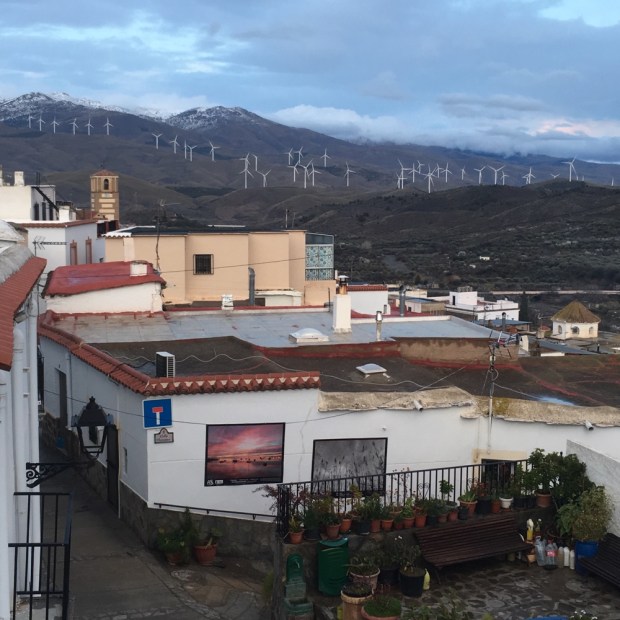
Which looks dramatic but was all between 1150m and 1275m so pretty easy going. And GPS reckoned it was 21.5km to Lacho Albergue at the top of town. They are always at the top of town! It was a -2 degree start so the steep initial climb was handy for warming us up as we left the town through acres of almonds and cherries, looking back down onto the Marquesado plain with its dozens of wind turbines. Spain’s second largest, it puts out 200 megawatt.

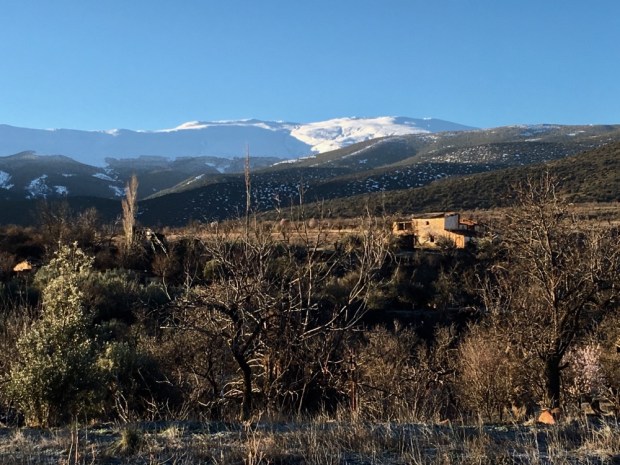
The iPhone camera is hopeless for capturing the wonderful vista of the snowy mountains of the Sierra Nevada to our south and the Sierra de Baza to our north. The smooth soft blanket looked deep and powdery and we guessed the skiers and snowboarders were having fun.

The pretty village of Dolar after 5kms was having market day so we bought some nuts and fruit and hung out in a plaza bar for a breakfast of tostada and cafe con leche.

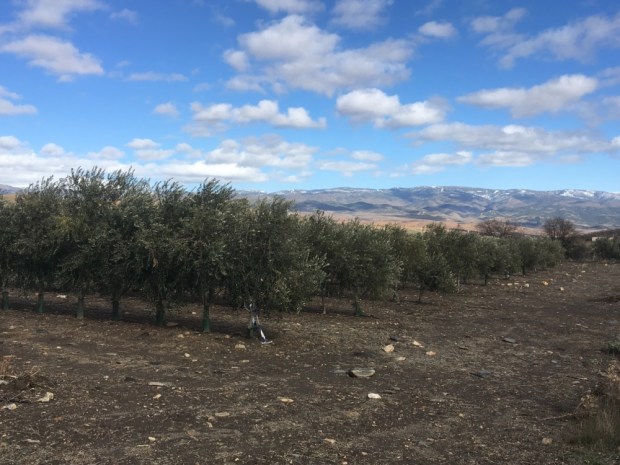
We climbed again up and along a beautiful old track with far ranging views over a sea of mostly almonds. Good to see so many healthy trees and so many young ones being planted. Hopefully these can replaced some of the Californian ones that are consuming so much water and are killing so many bees with pesticide usage. Seems like with the rise in vegetarian and veganism the demands for almond milk will grow hugely and here in Spain there was plenty.
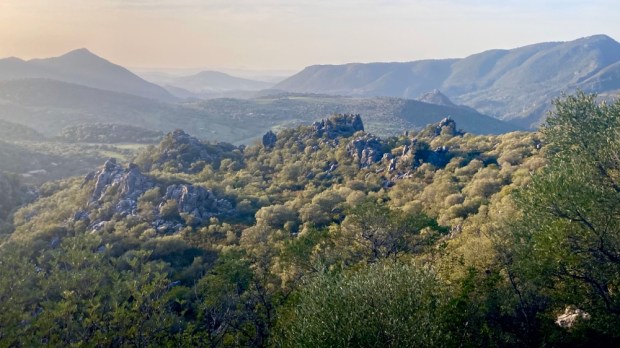
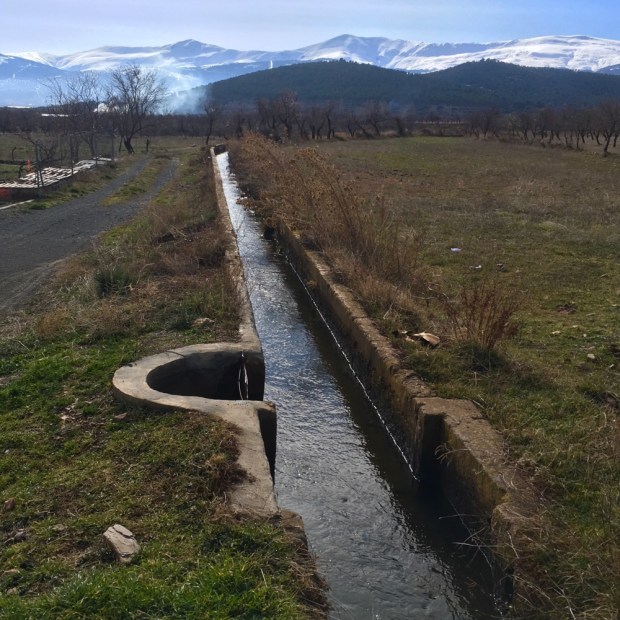
The campo was mostly empty of dwellings but we did pass one that will go in my imaginary portfolio of deeply rural, off grid retreats that I’ve been adding to on my rambles over the years. It had a fine old chestnut tree and terraces fed by a complex system of acequia or little irrigation canals. And a view to die for as the agents might say.
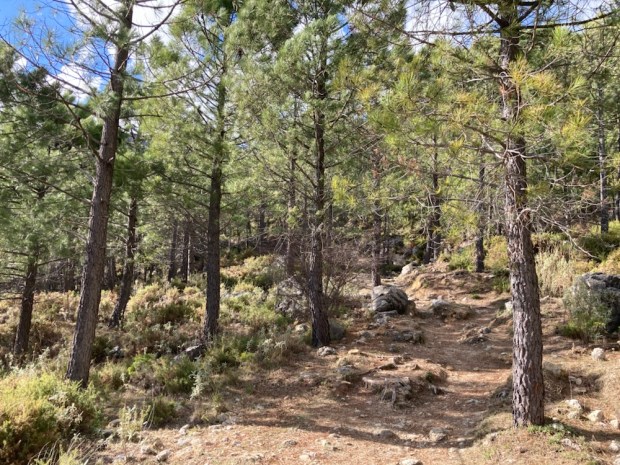
We reached the highest point of the day at nearly 1300m and there were still patches of snow on the track. Sally was delighted to find a boar skull from which she extracted the tusks ( a longtime hobby/ interest/peculiarity). From this height we could see the whole 1500 acre site of the massive Andasol solar power station twinkling on the plain below. Using parabolic troughs to gather the suns rays they use tanks of molten salt as a thermal energy store and so can produce power for 200,000 people day and night. Costing €900 million it was money well spent.
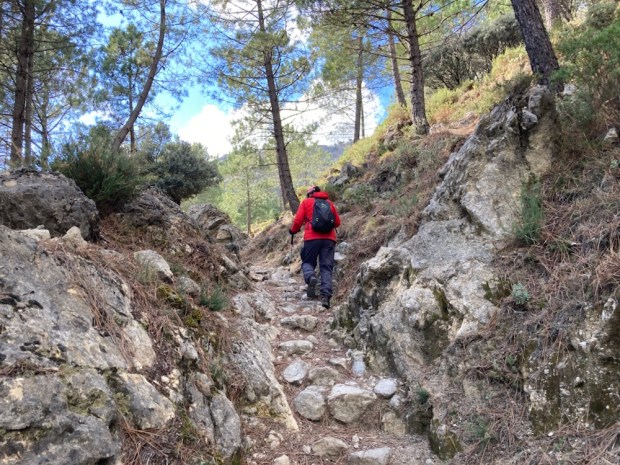
Then down to our next stop, in the main plaza of Ferreira where we had our sarnies and I had a non conversation with a lovely old fella I couldn’t understand a word of.

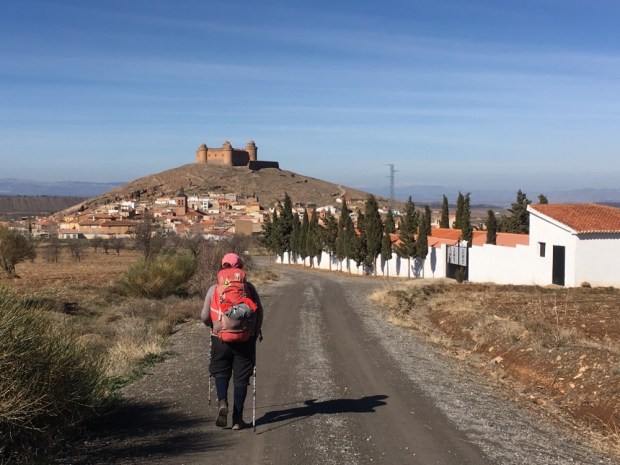
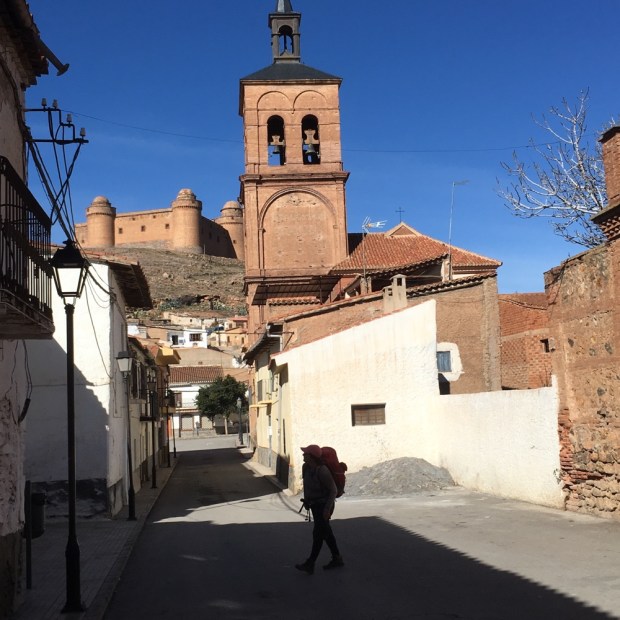
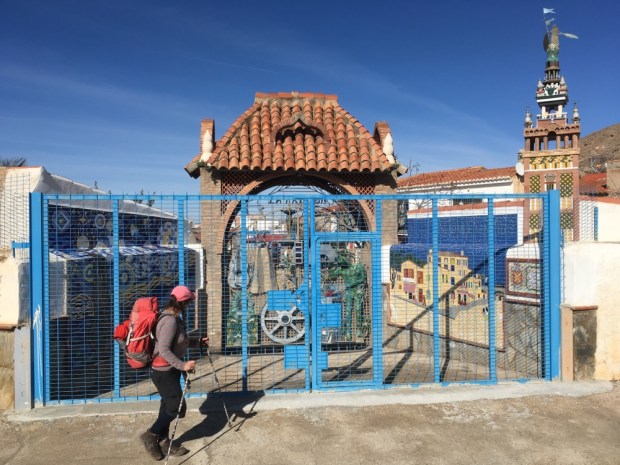
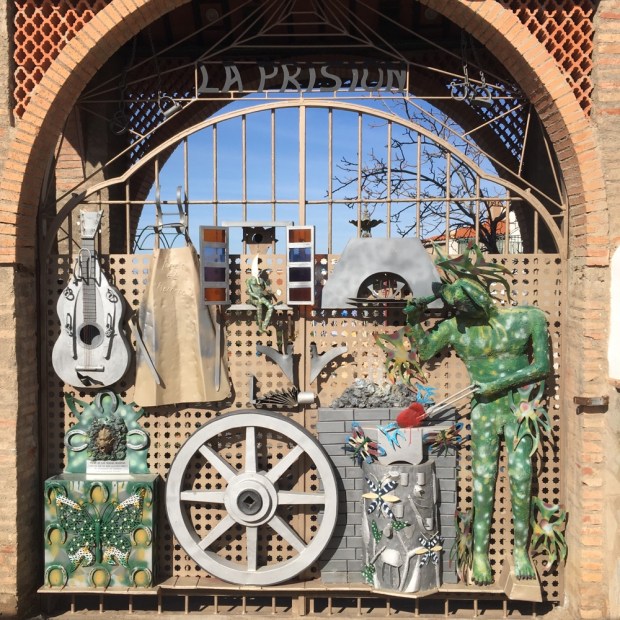
We walked on the edge of the pine forest and natural park with our eye on the imposing castle atop the hill above La Calahora, another charming ancient/ modern mix town. On our way out we passed the casa of an artist in steel whose gates were also imposing.

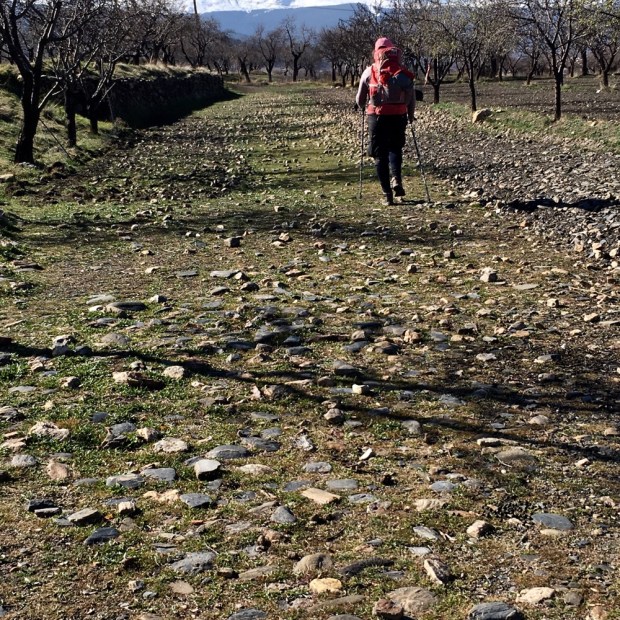
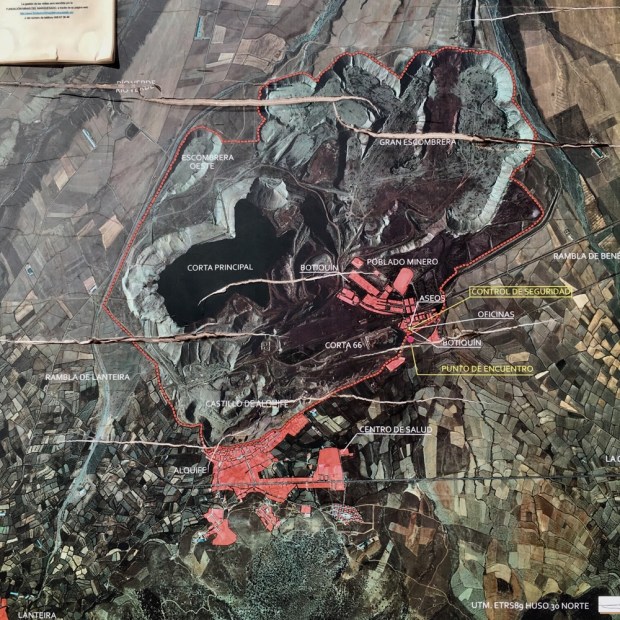
From La Calahorra we took a bit of a dog leg route to Alquife passing along farm tracks some of which seemed to have been cobbled at one time. We slowly approached the giant mounds of earth and rock that had been extracted by the workers at what had been Europe’s largest open cast iron ore mine. Started by the Romans it had been operational till 1996 but now lay abandoned and in ruins, although there were still some staff and security around. 40% of the iron extracted in Spain had come from this place, leaving a very large hole in the ground which, frustratingly, was out of site.

A few of the almonds had come into flower and where covered by eager bees, although their appetite must be well sated when the other countless thousands are also covered in nectar rich blossom.

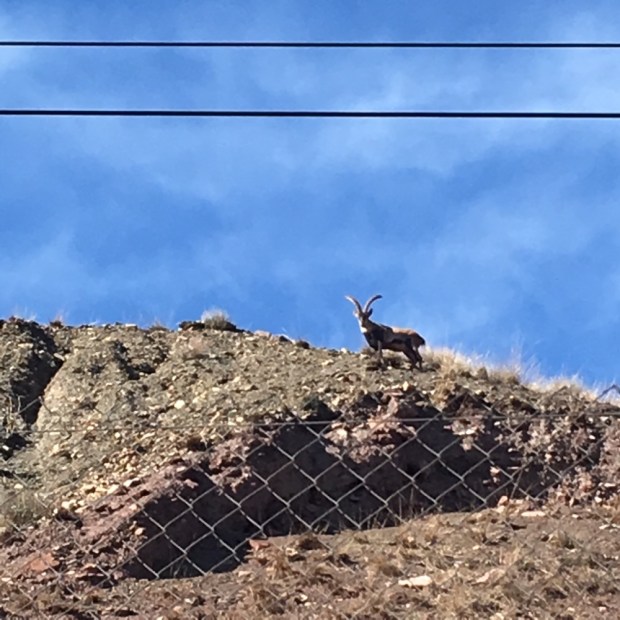
We also spotted, on the slag heap behind the mine fence, a big mountain goat puck who watched us curiously but seemingly unperturbed, perhaps knowing he was unreachable.

It was a relief to finally arrive at Lacho, greeted by Manuel and shown around his growing empire. After a shower and rest we returned to the shop for supplies and returned to find a big fire set in the kitchen/ living room which we enjoyed as the sun set behind the snowy mountains and the temperature plummeted.

Alquife to Guadix 25km

After a little climb to start it was downhill all the way the following day.

Leaving Alquife by a track alongside the slagheap wall of earth it took some time to be clear of it and out onto the plain, and some time for the sun to warm the frosted landscape.
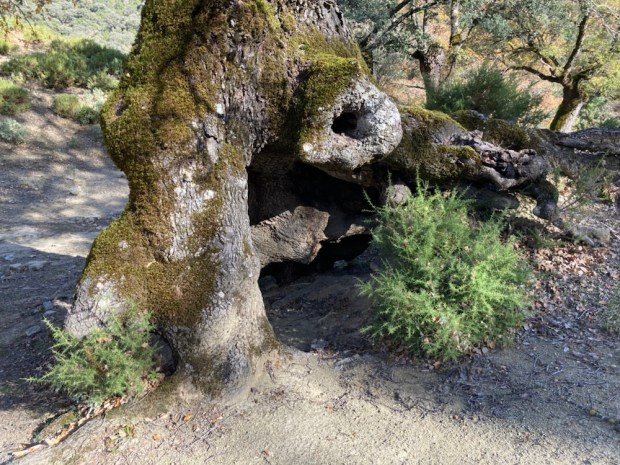
But by 10 we climbed into the village of Jerez del Marquesado where it was their turn for the market. Too early to stop, we carried on another 7 km, past some mysterious chimneys that nearly escaped my camera, and up into some pine woodland, adorned with bizarre wooden sculptures of Christian symbolism.

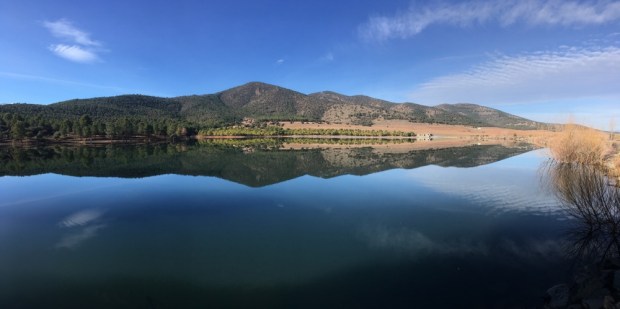
Finally the down hill straight began with a run down through the woods to a big reservoir in a lovely setting.

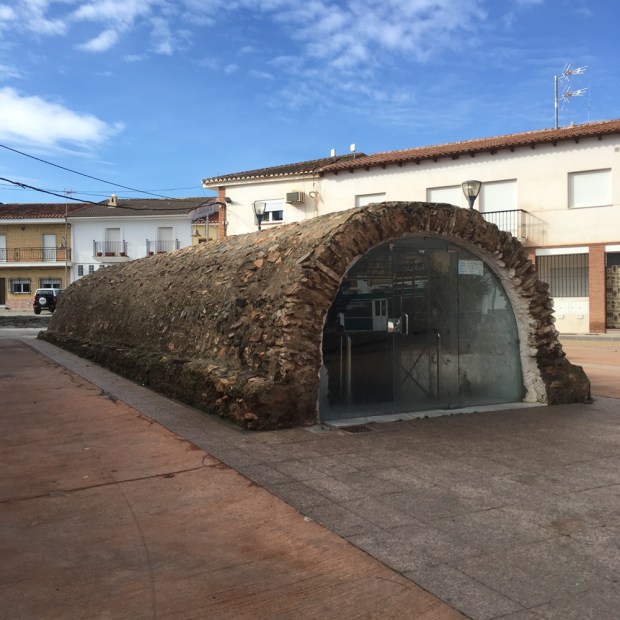
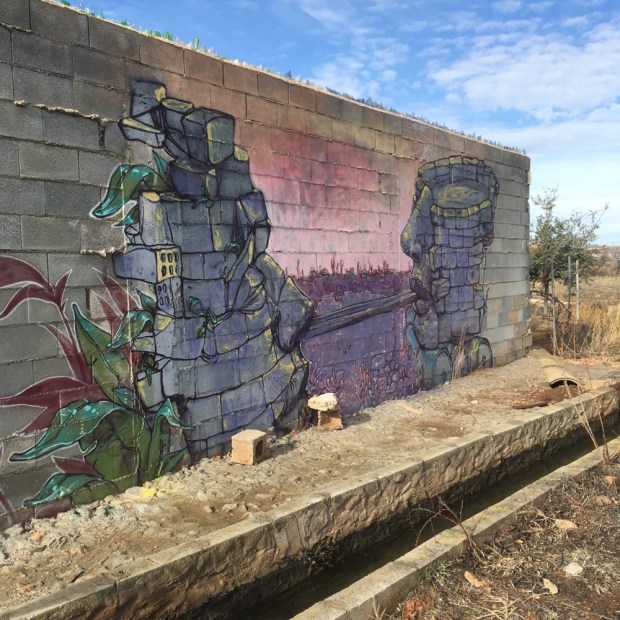
Cafe com leche and tomate tostada and a stamp in our pilgrim passports were supplied by a surprisingly modern and stylish cafe bar in Cogollos de Guadix where there was also a fine example of the old water cisterns and acequias ( and related graffiti ).

And then we walked out onto the wide, very wide, open spaces of the plain. With huge skies overhead and 360′ views of a ring of distant Sierra it must have been a lonely place to live and a hard place to work. Eventually we came upon a great gorge, and climbing down into it we followed what must be a dry river bed towards Guadix.

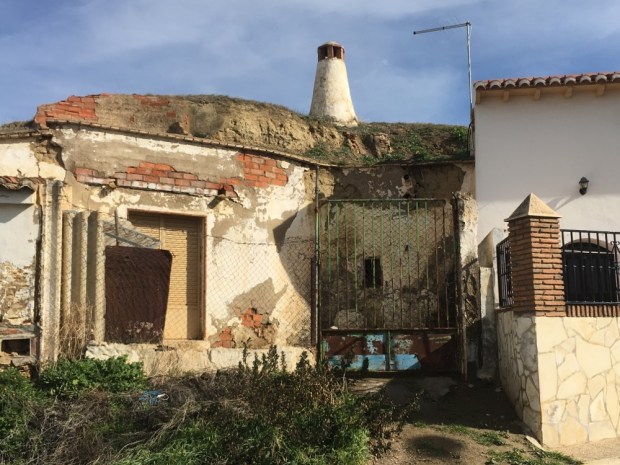
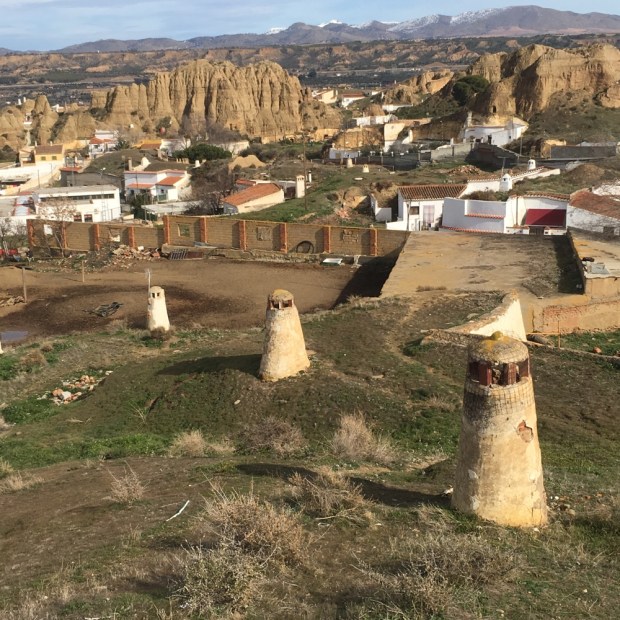
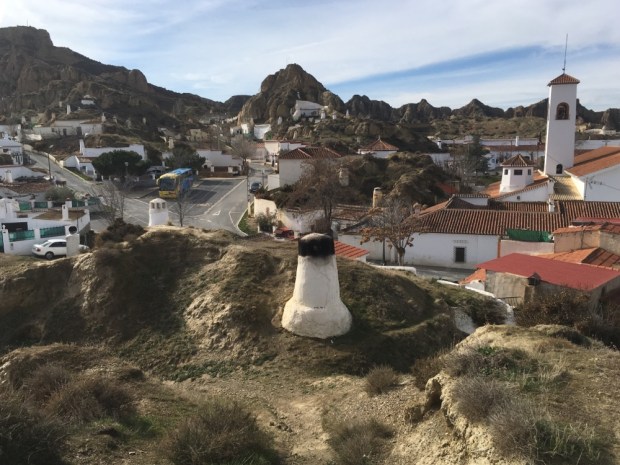
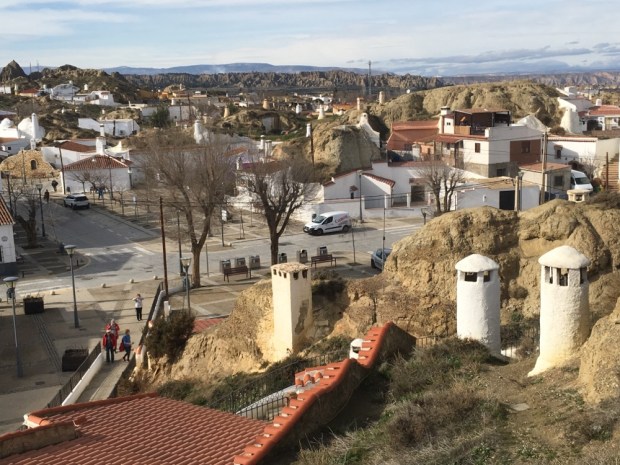
A couple of hours later we arrived at the outskirts of the town, with cliffs of sandstone(?) burrowed out into a warren of homes, chimneys sticking up out of the ground like mushrooms. The cuevas barrios are a sight to behold and the houses seem to encompass a range of styles and social classes.
Deeper into the centre of town, around the cathedral, were fine but frequently faded grand old buildings, including our albergue, lovingly restored over the last 35 years and full of fine art and antiques. A treat after a long days hiking.

CAMINO MOZARABE: Almeria to Granada 2.

Alboloduy to Abla- 30km

Stepping out of the albergue in Alboloduy in the morning it was obvious it had been raining during the night from the wet and puddles about but thankfully the skies showed no immediate threat as we left the town to rejoin the riverbed as directed by the markers.
We had left the river Andarax at Alhabia the day before to join the river Nacimiento which would take us all the way to Abla and beyond. The deep rich layers of sediment washed down over millennia had created fertile ground alongside the riverbed that nourished a wide variety of crops but as we delved deeper upstream and away from the town the sides of the valley closed in and we were forced up on an old mule track with views down to the abandoned fincas and their hard won terraces.

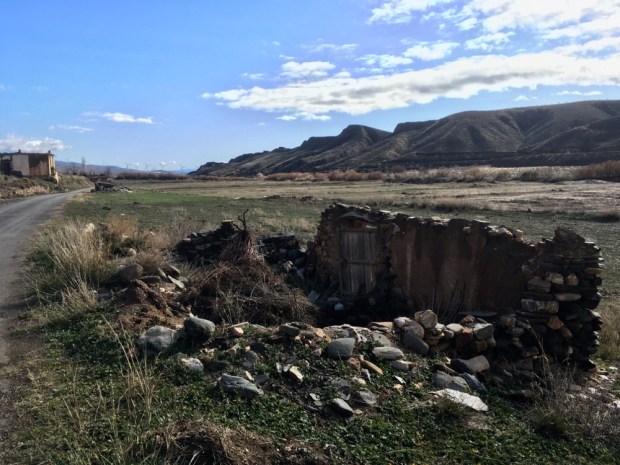
The tamarisk and cane wound through the steep sided valley bottom like a golden thread. The trail was littered with the droppings of an animal we guessed to be mountain goats, and sure enough as we reached the tarmac road at the top of the mule track we saw a herd of them bolting away across the mountainside. Turning off the road again we passed an old water cistern built 100 years ago before descending on a zigzag track back to the riverside and another series of mostly abandoned fincas.

From here to the town of Nacimiento, where we stopped for coffee, was a beautiful stretch through cane forests and along a forgotten valley of old abandoned farmsteads, once upon a time busy with working people.

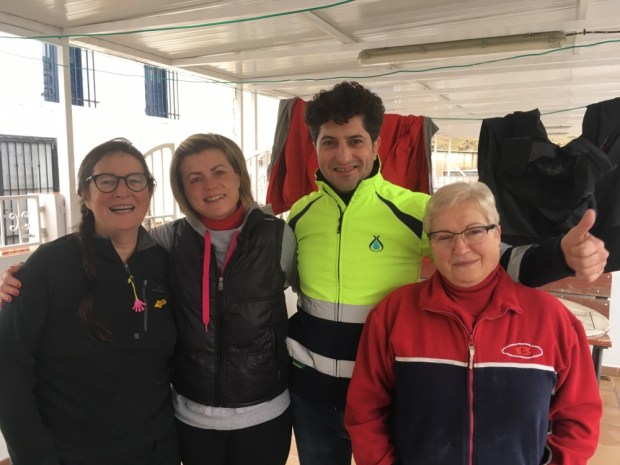
The sky had been darkening and looking more threatening for awhile and we had hoping the weather would hold but soon after leaving Nacimiento, about halfway to Abla, it began to spit, then drizzle, then rain, then lash it down with a strong wind driving it mercilessly straight at us. Heads down we hurried on hoping for shelter. Eventually coming towards the little settlement on the outskirts of Dona Maria I spied a large covered patio opposite some houses. Split into three, each with a door, first two locked, the third open. We hurtled in, throwing off our packs and sopping jackets. The owners were calling from the house opposite, “yes it ok- go in.” Before long ,as we tried to dry things out on the handy washing line and watched the downpour outside, the mother and son(?) arrived with plates of bread and cheese and jamon and a bottle of wine and much kindness and chat. A hard time turned to a good time as the daughter(?) and father all came over with hot homemade cake and hearty handshakes.
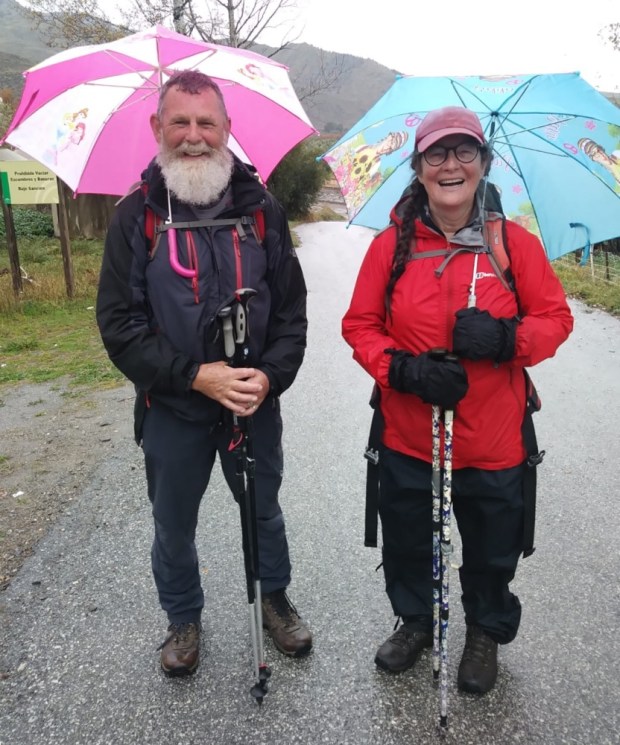
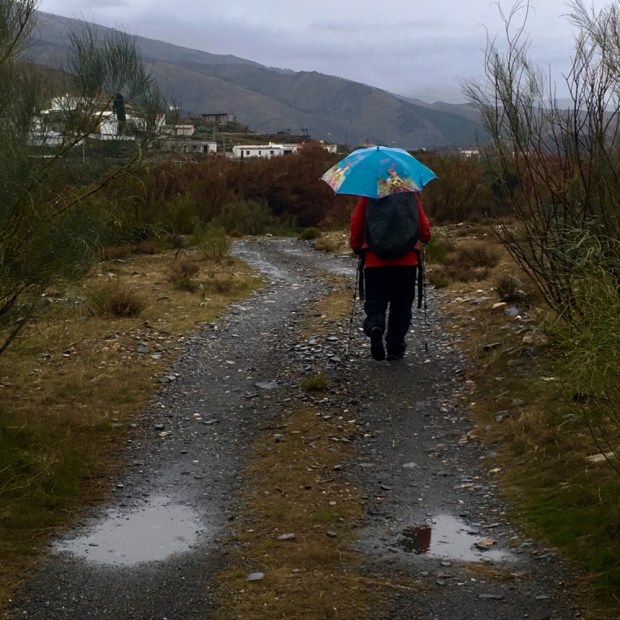
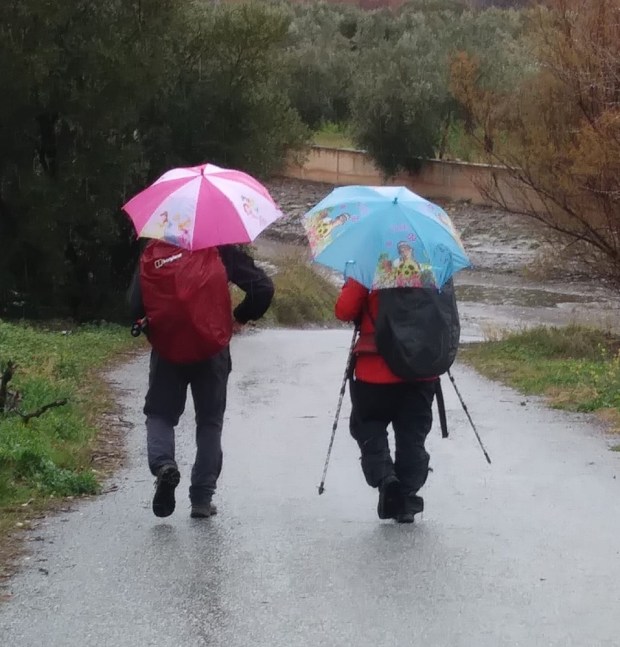
Our new best friends. They insisted on sending us on our way with an umbrella each which might not have looked like hightec hiking gear but were given and received with love and joy. And they continued to keep us dry until the next joyful event a few km later.
We had reached Ocana and messaged Nely for the door code of the Association albergue when miraculously she appeared in her carshe had spotted us on her way to check the Ocana albergue. More hugs and directions and off we went again into the riverbed and rain.

Then, bizarrely, a couple of men in a car started warning us about the dangerous waters in the river and said we should not walk there. So they drove us the 5 km to Abla saving us over an hour of sodden hiking. We soon had a couple of electric heaters in the albergue bedroom drying everything and marveling at how the “Camino Provides”!

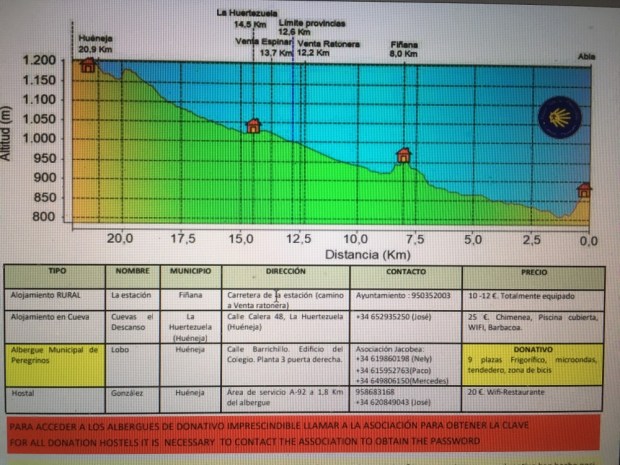
Abla to Hueneja 22km.

The snow capped peaks around us looked more inviting than threatening the next morning as we set off from the luxury of the well appointed Association albergue, all of which are run on donations and the hard work of a band of dedicated volunteers.

We were now crossing the vast high plain of the Marquesado del Zenitel, a pretty flat and fertile area of fruit and wind farming. We went on the old main Almeria- Guadix-Granada road, the ancient Camino Real, that still has a wealth of different foods and fruits growing in the well tended gardens.

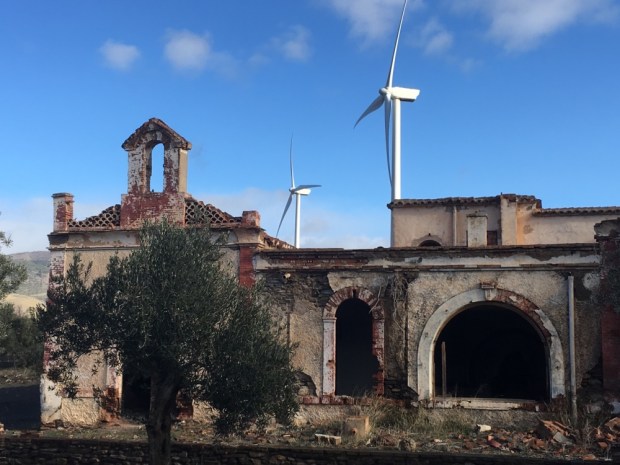
The old highway used to be busy with travelers needing food and lodging, supplied by ventas now in ruins amongst the windmills.

On cue, at coffee time, we were led up into the village of Finana and a welcoming bar before carrying on across the wide plain littered with the remnants of past lives.

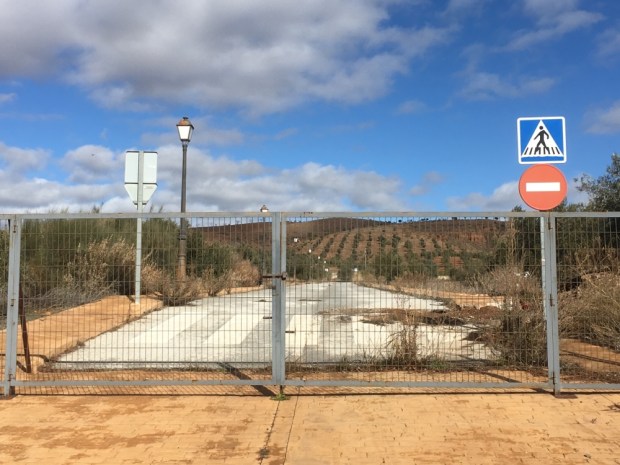
Past another imposing but redundant travelers hostelry at Venta Ratonera we reached the outskirts of La Huertezuela where the surreal sight of another Spanish urbanization that never happened greeted us. Abandonment through the ages.

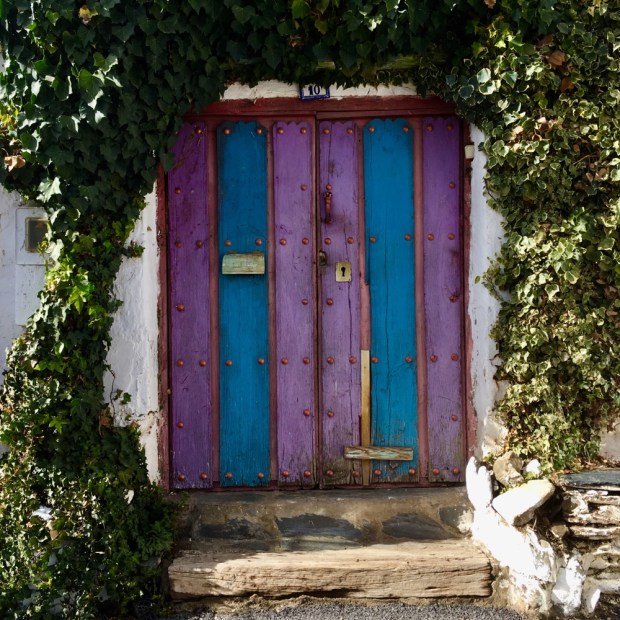
From there it was another 6 km or so along an increasingly narrow and rocky riverbed and heathy and prosperous looking olive farms, over the motorway, and into the town of Hueneja- with its graffiti croc, nice doors and well trained vine.

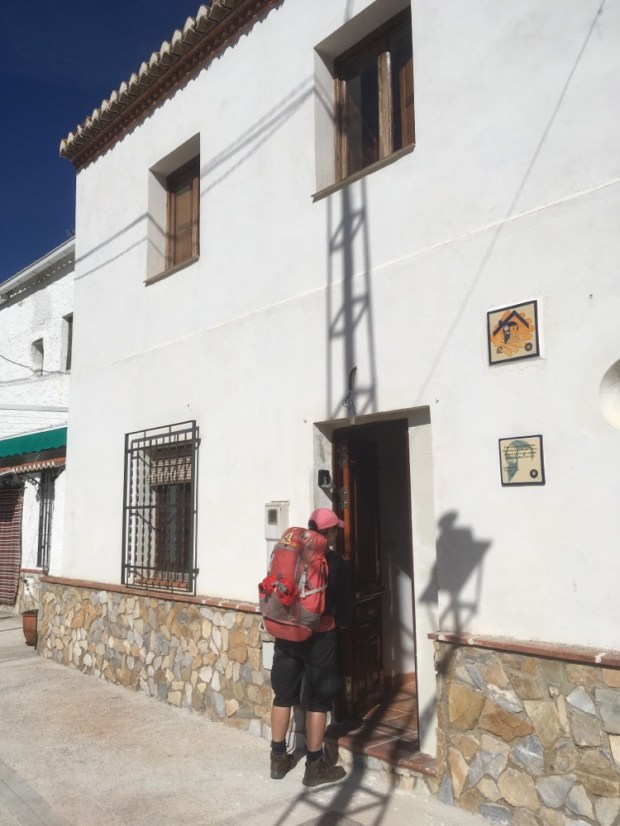
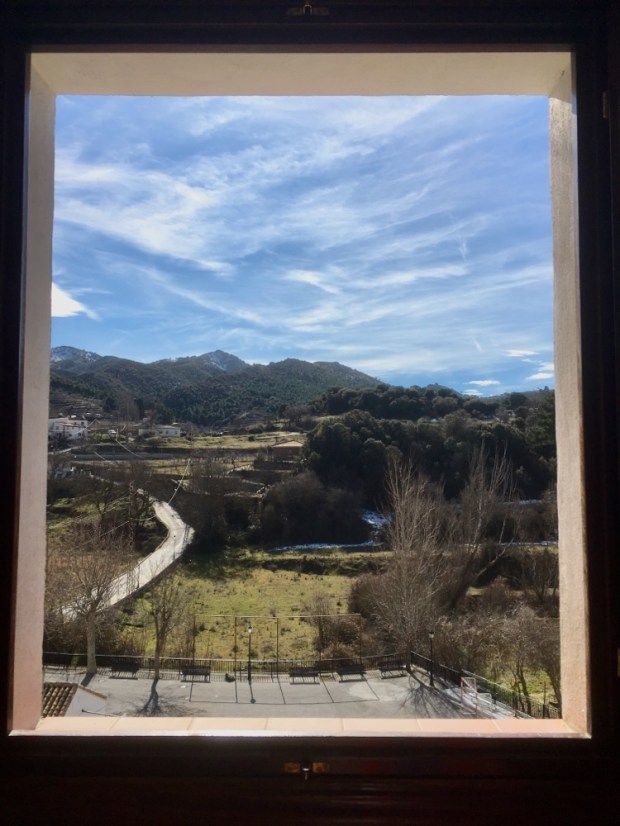
Housed in a slightly bizarre 3rd floor flat next to a school our home for the night featured murals, fantastic views of the snowy mountains and some beers and wine left in the fridge by previous pelegringos.

Buen Camino.