I managed to get 2 stages completed today, a total of 28 km altogether which according to my computations was the same as yesterday, the difference being that today involved my first real climbs and first contact with the wilder side of the Costa.
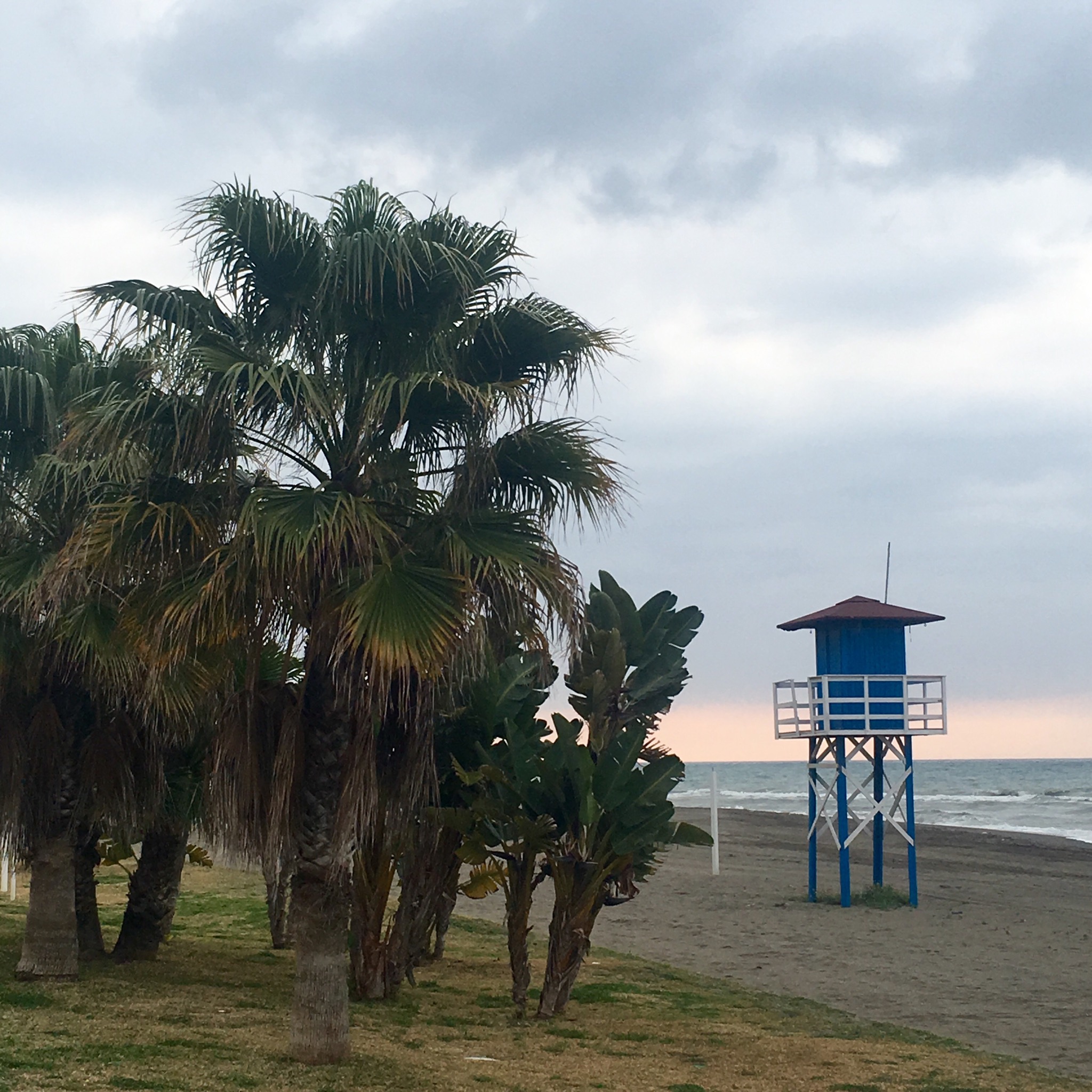
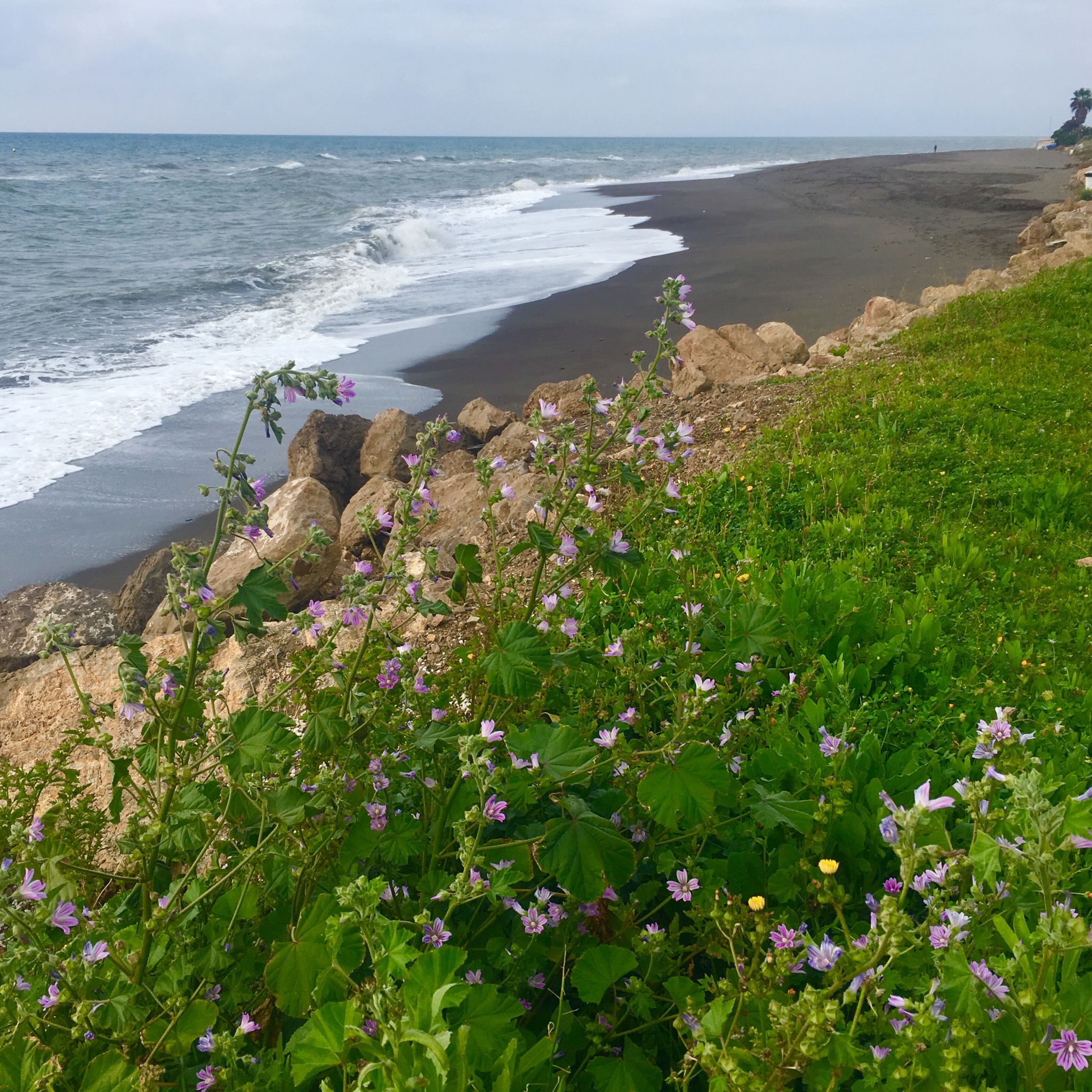
I started from our quiet seaside street and continued along a paved beachside promenade.
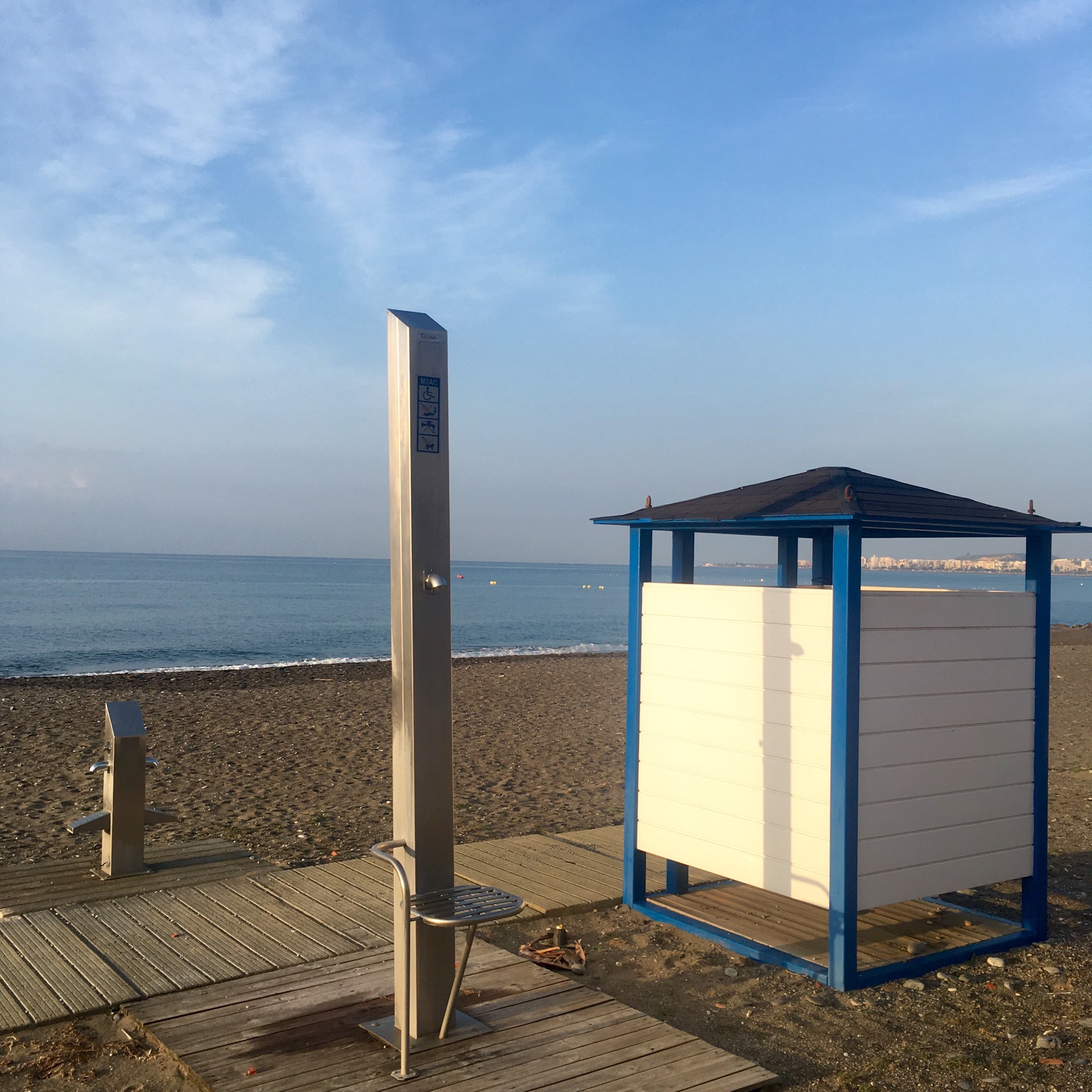
I’m always impressed by the facilities provided on the Spanish beaches with changing rooms and showers every 100m or so.
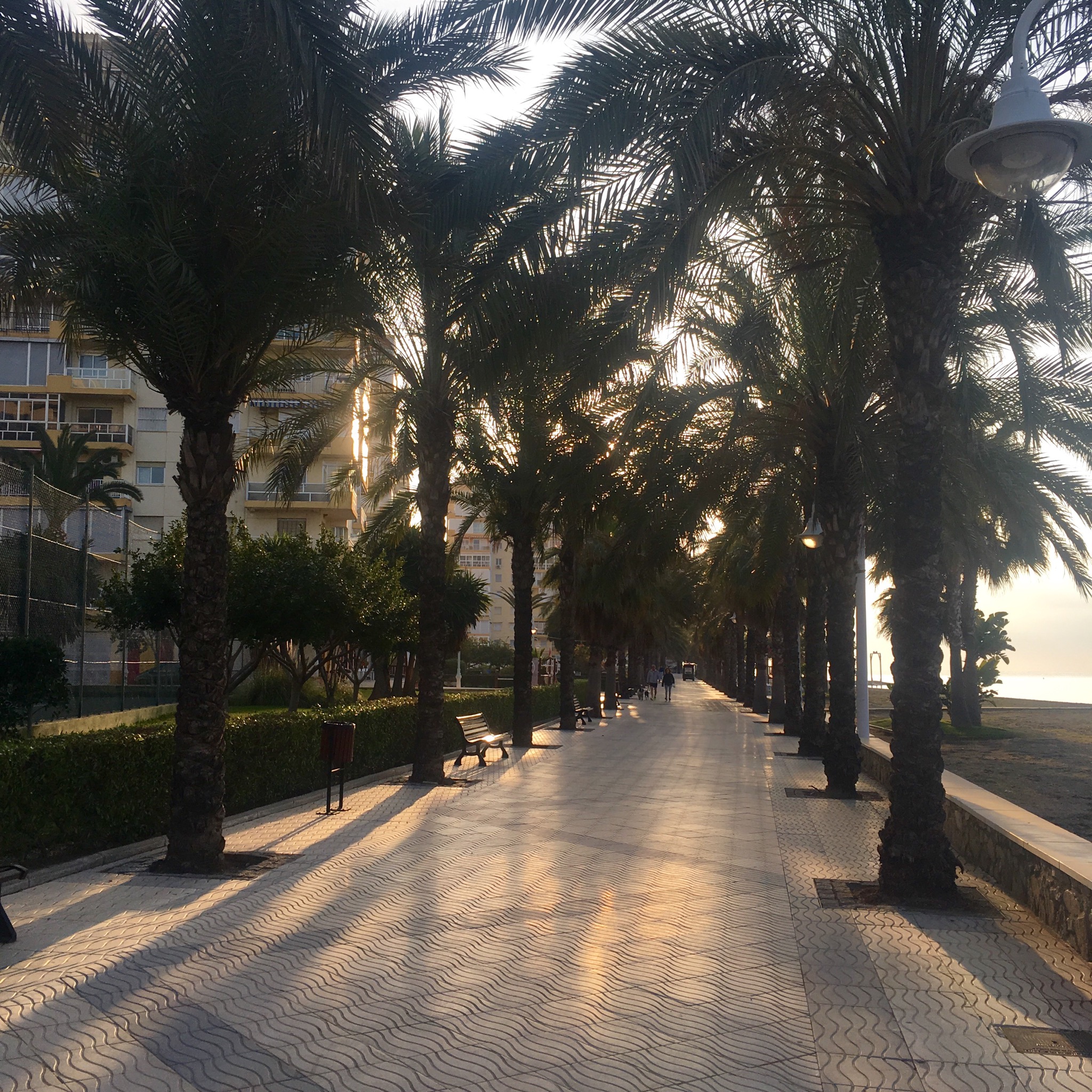
The early morning sun shone through the palms as dog walkers and joggers fulfilled their daily routine.
The high rise apartment buildings and tourist bars and restaurants ran out as I came into Lagos, a small scale traditional settlement without the sandy beaches that fuelled the development elsewhere. The simple seaside dwellings around there continued through the busier town of El Morche, sometimes with large tower blocks behind them.


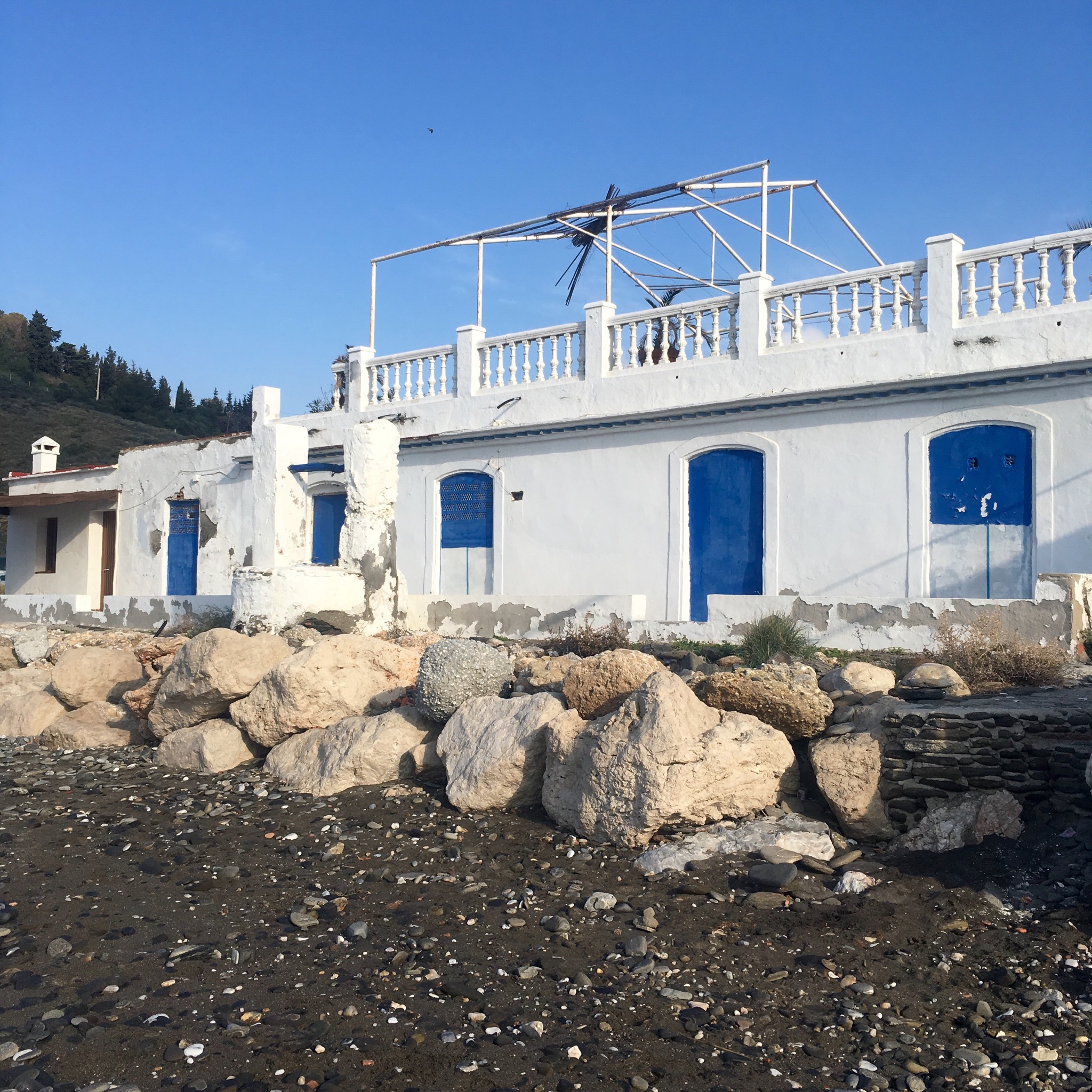
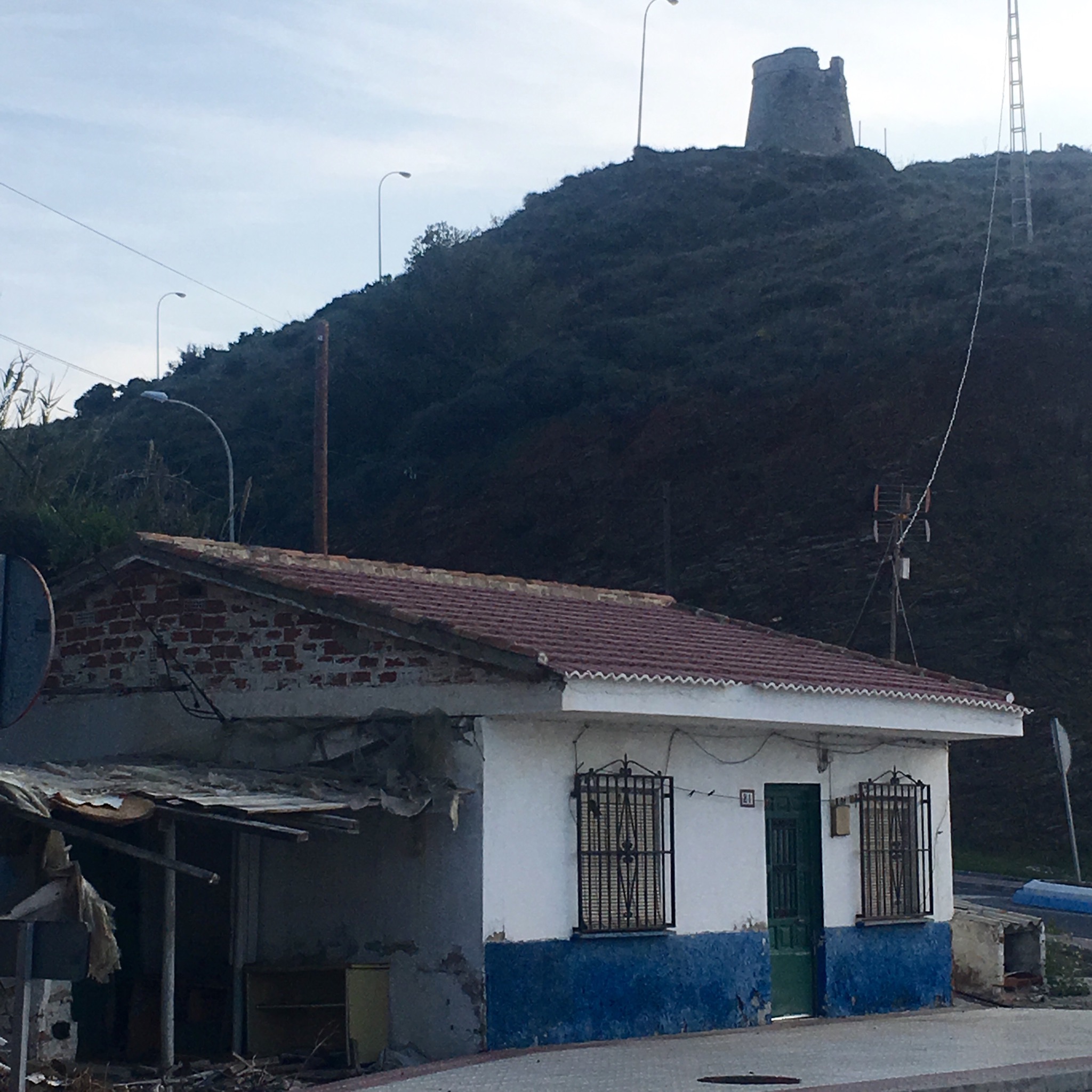


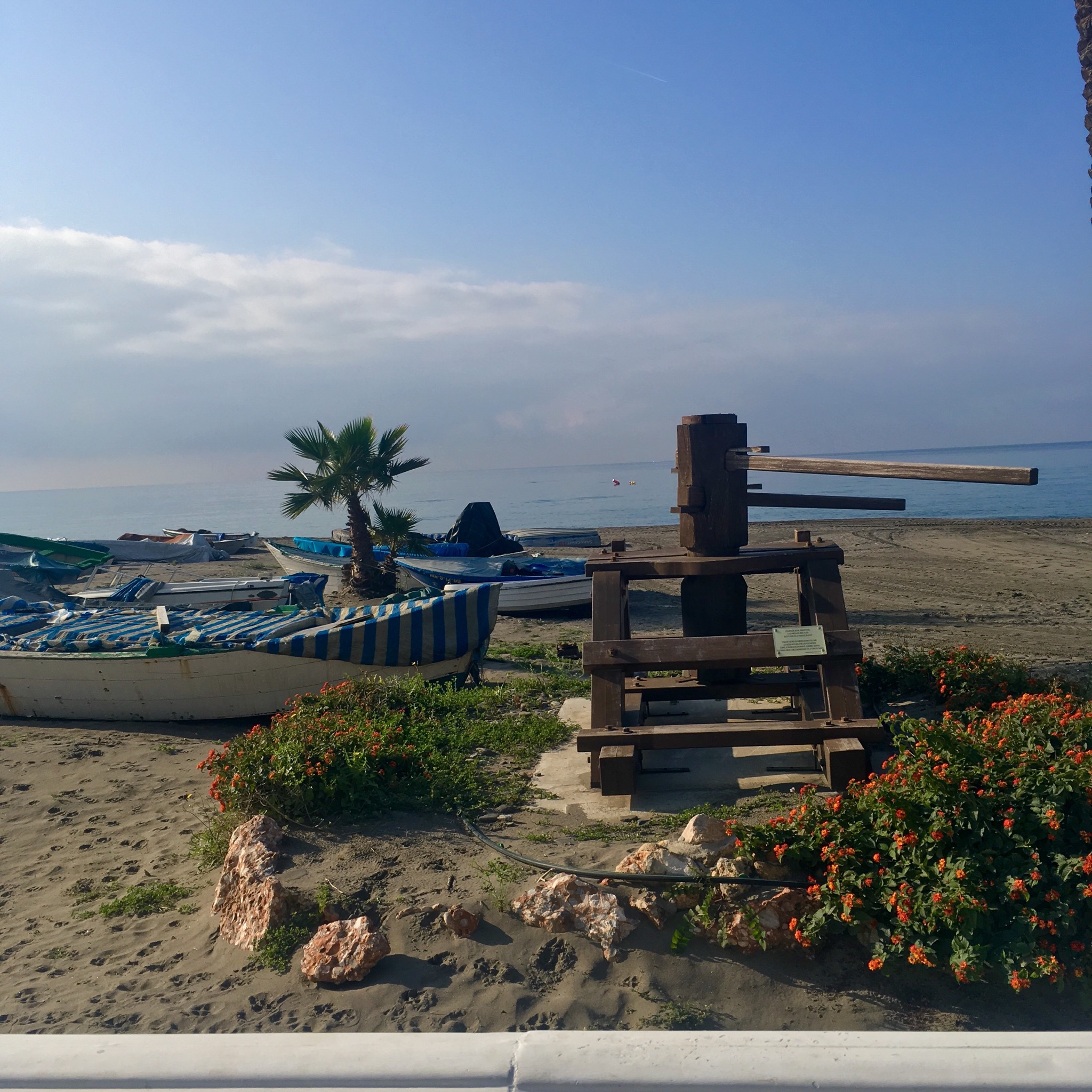
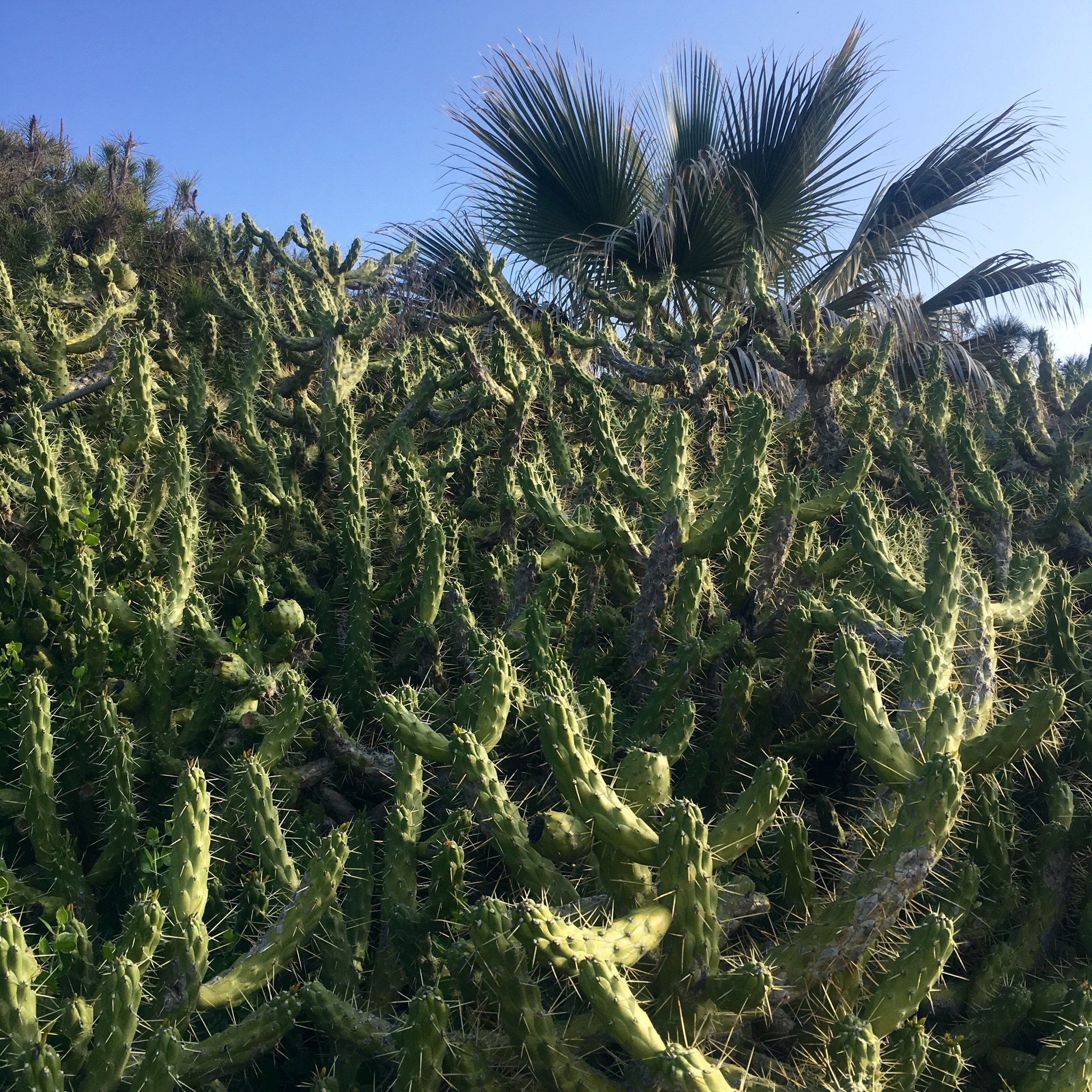
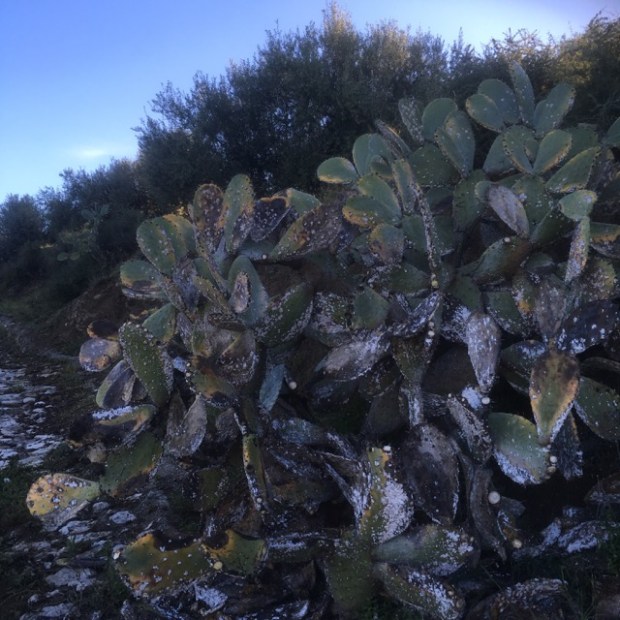
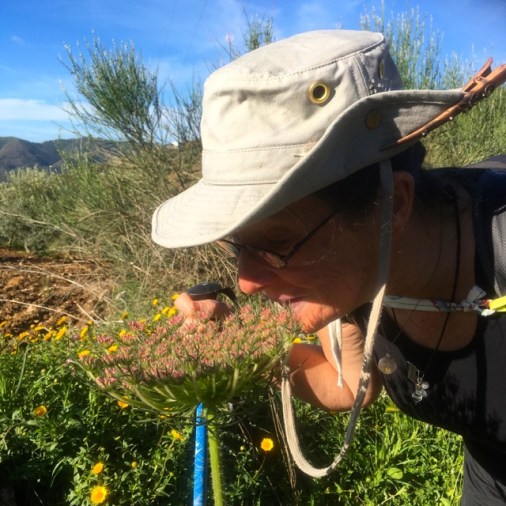
There were a series of fortified watch towers keeping an eye out for pirates and privateers along the coast and the route led me through patches of flowers and cactus past the winches used for hauling the boats out of the sea.
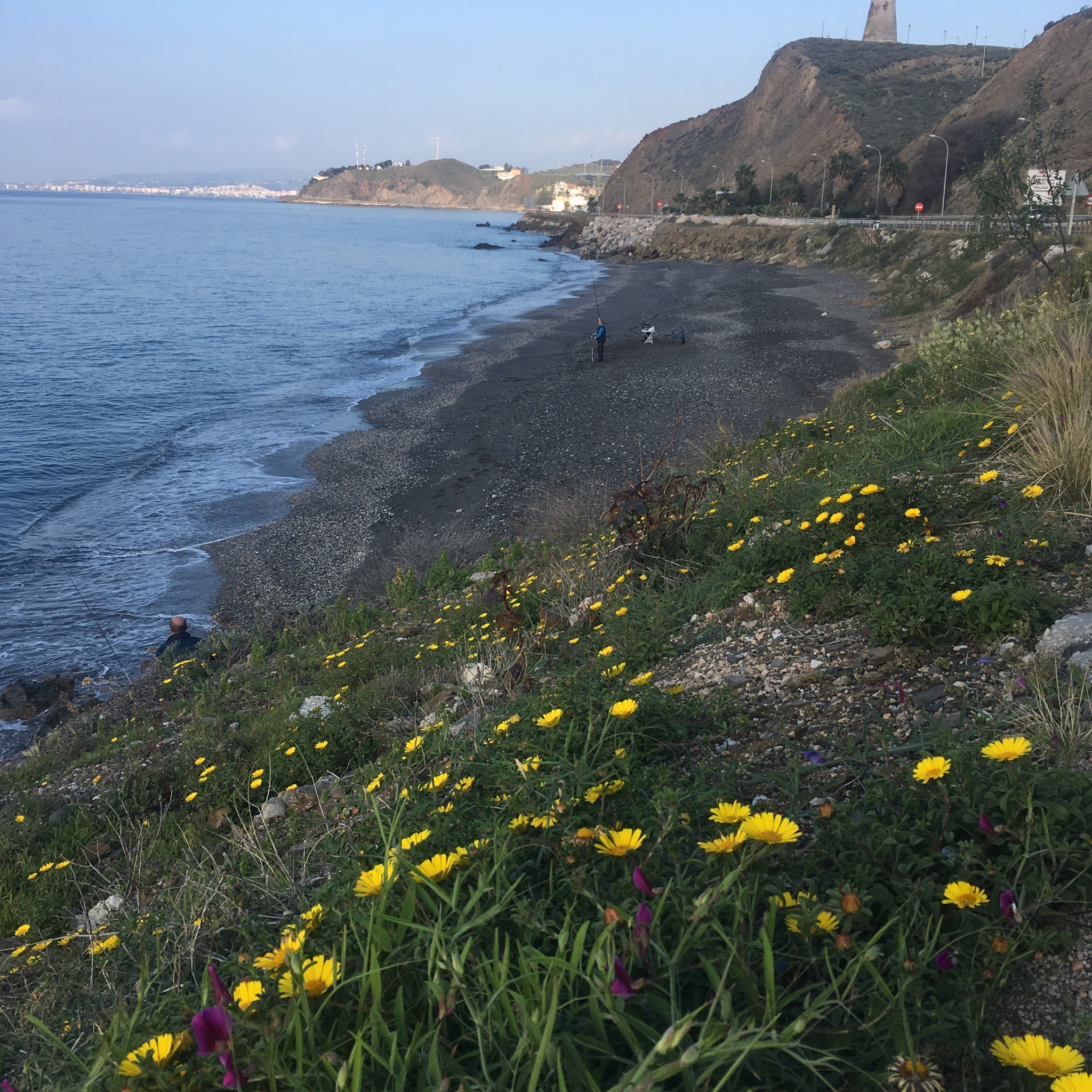
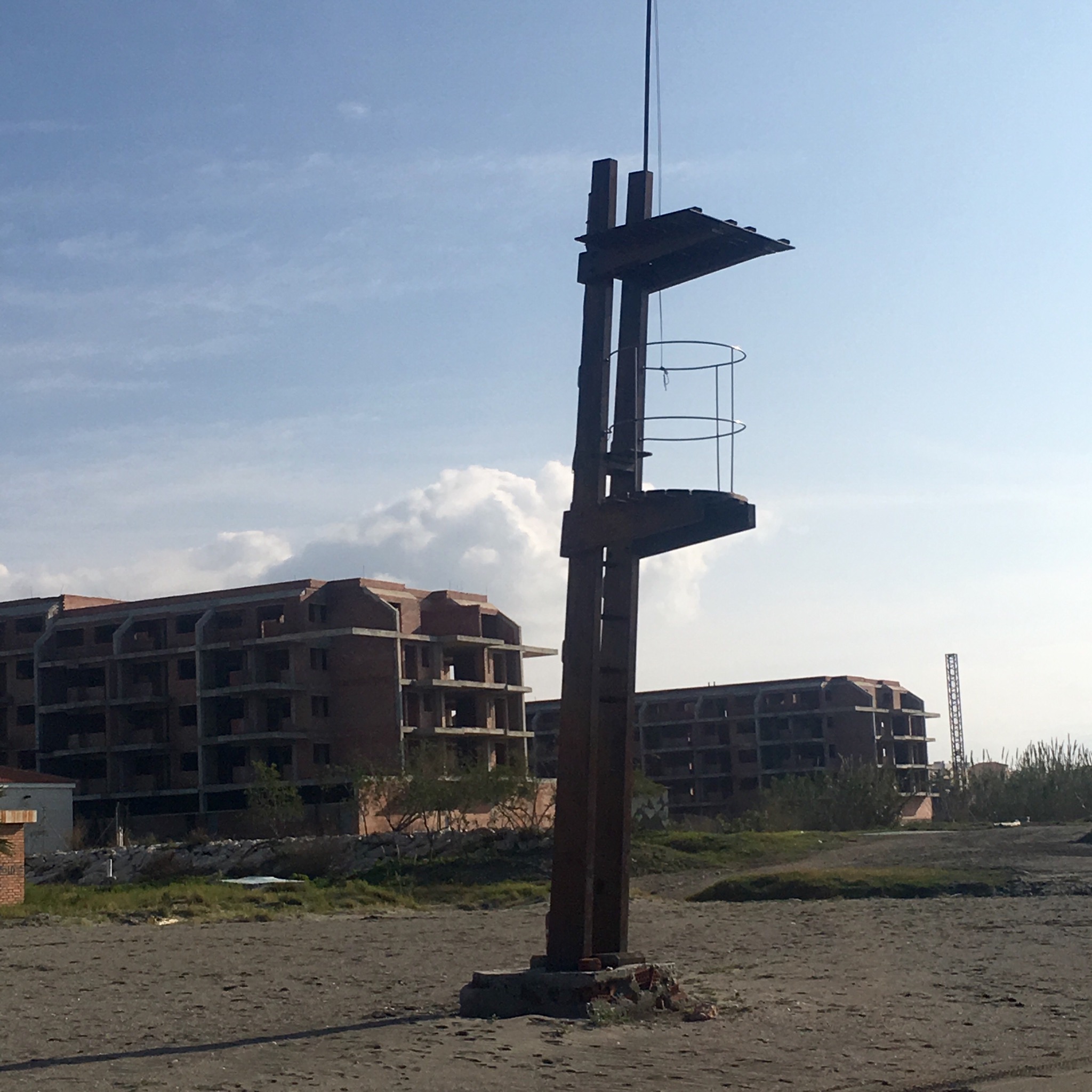
As I approached Torrox Costa the hulks of unfinished developments again reared their ugly heads above the beach.
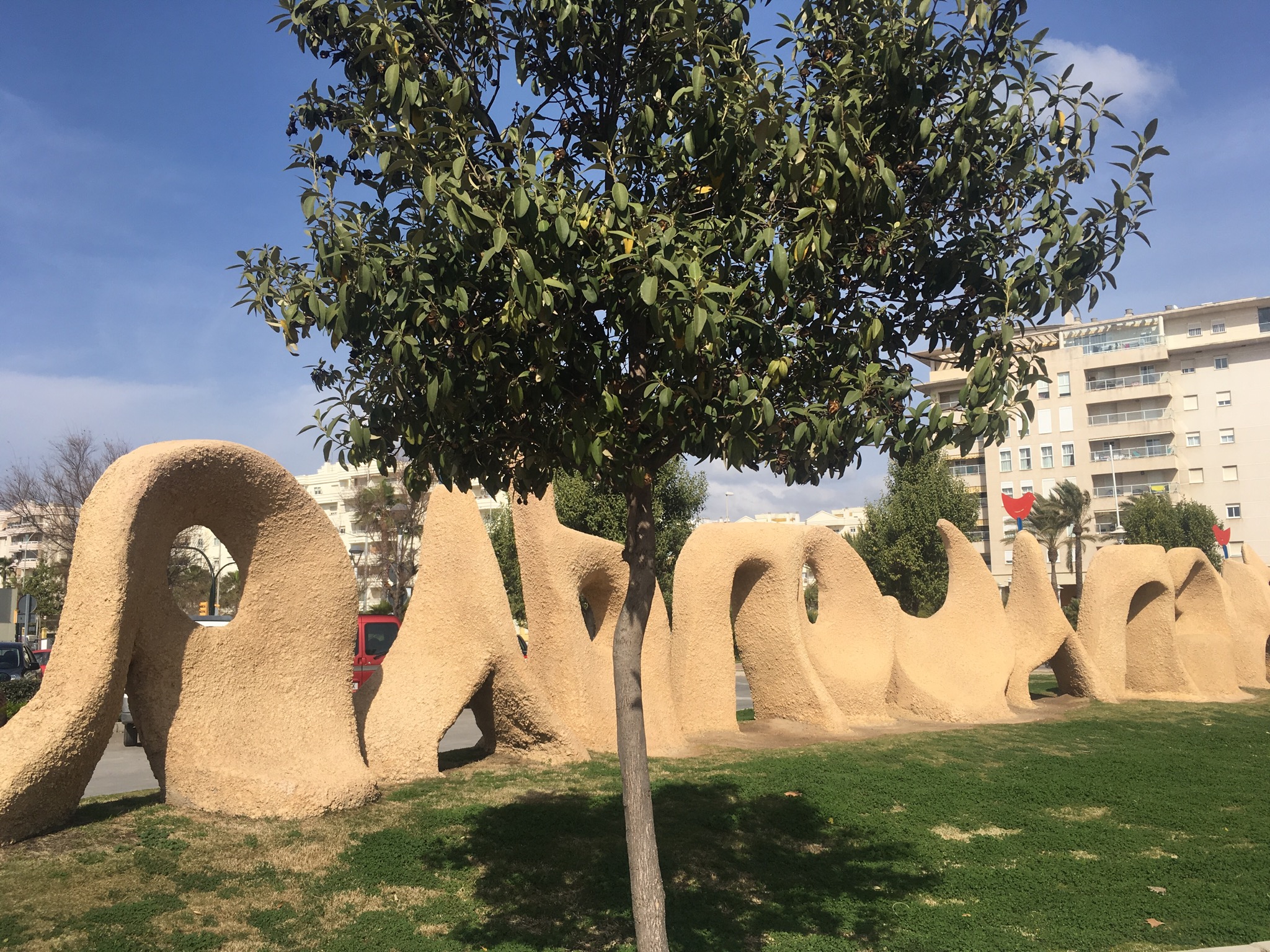
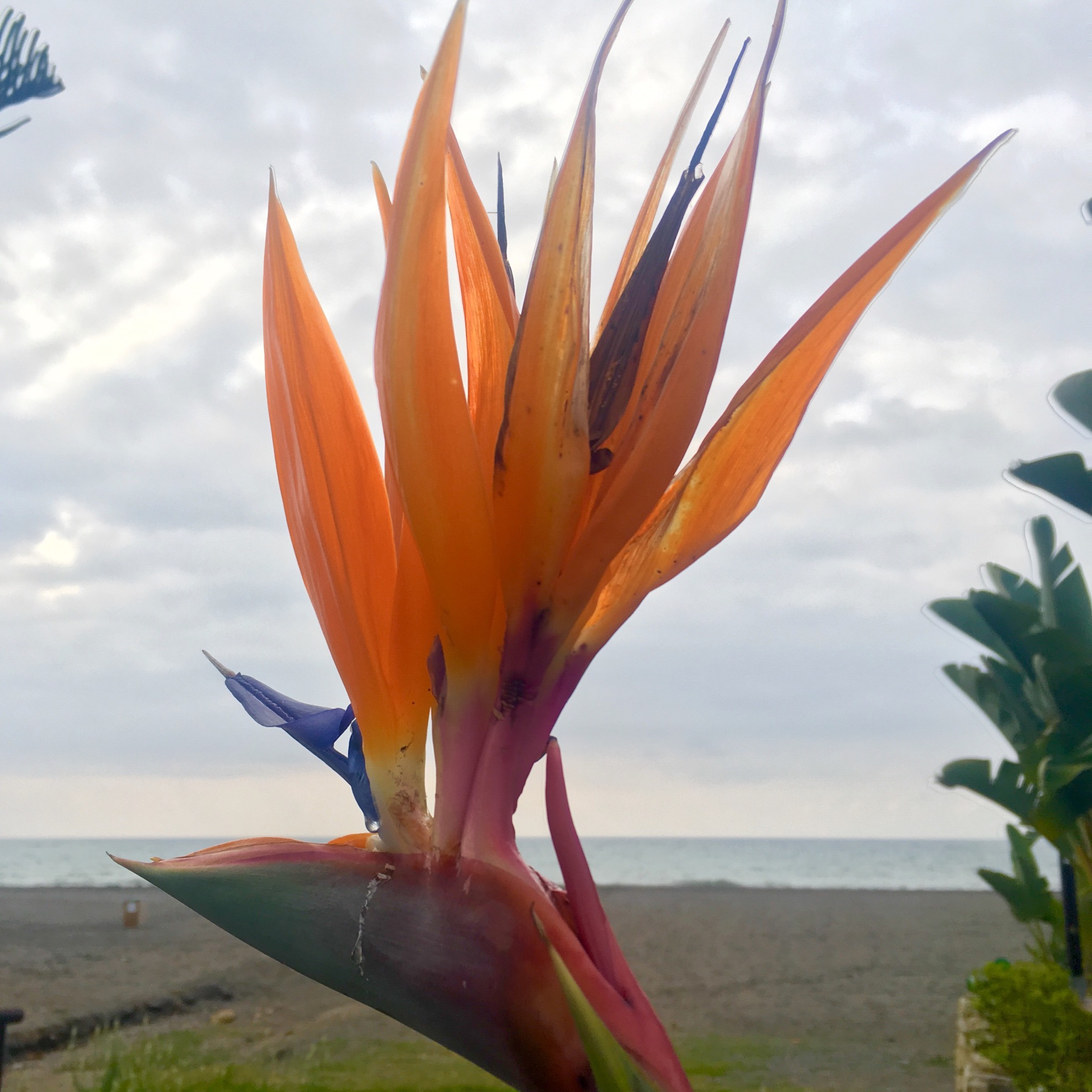
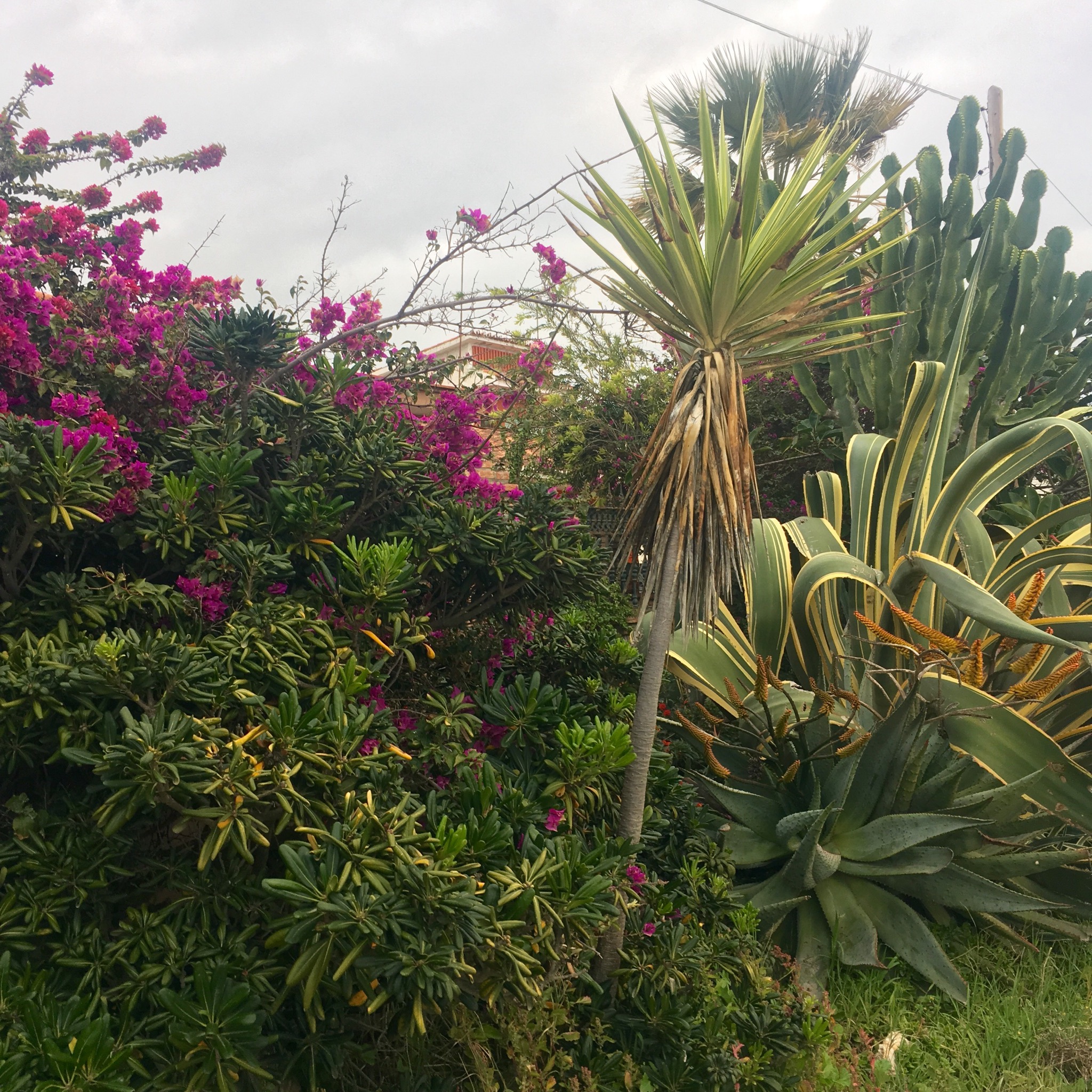
But back on the prom of the town proper I admired the exotic plantings and the creative pruning.

Just before the lighthouse was a strange construction with a glass floor built out over the ancient ruins of a necropolis and fish salting factory where they also made the unappetising sounding ” Garum sauce” whose chief ingredient was “guts”.
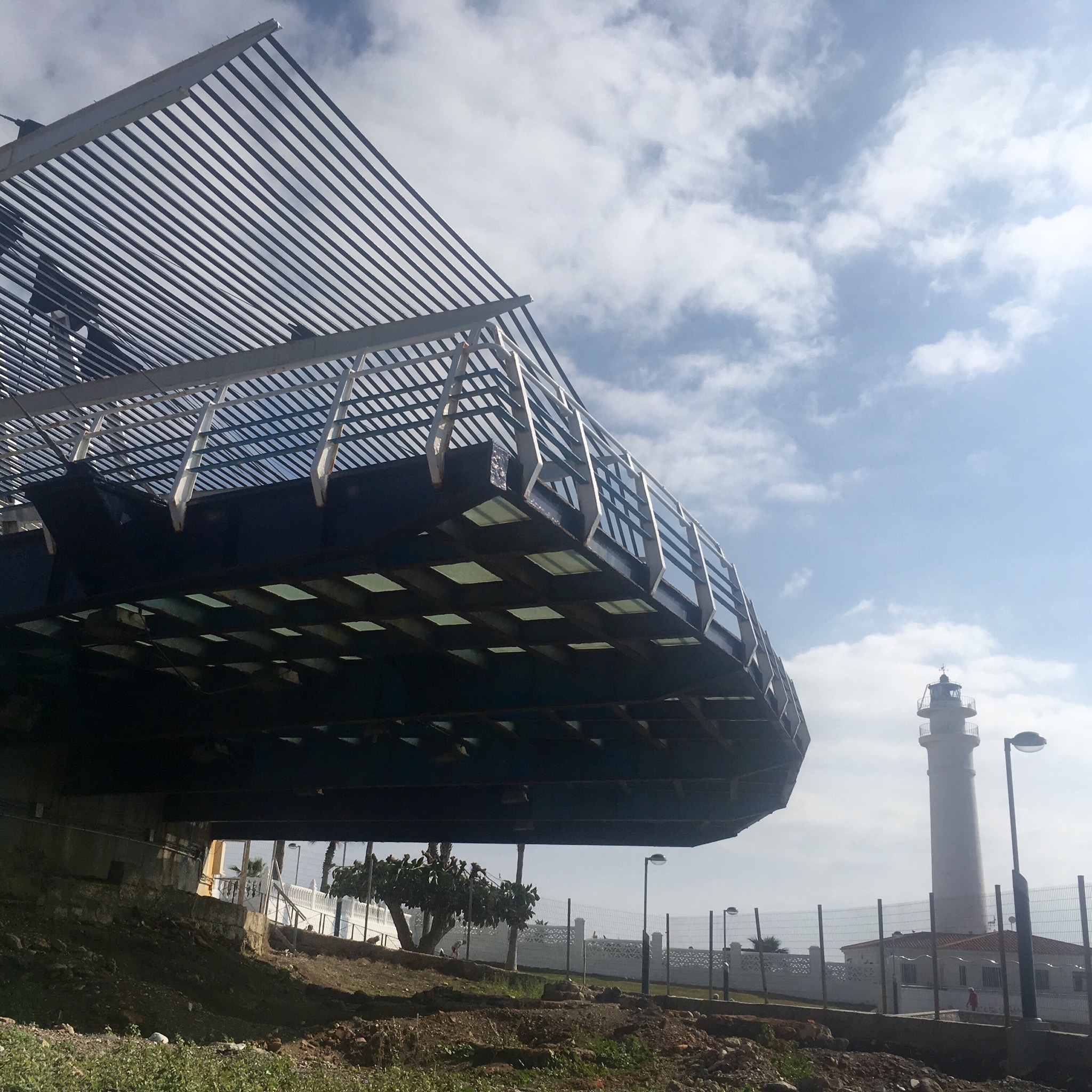
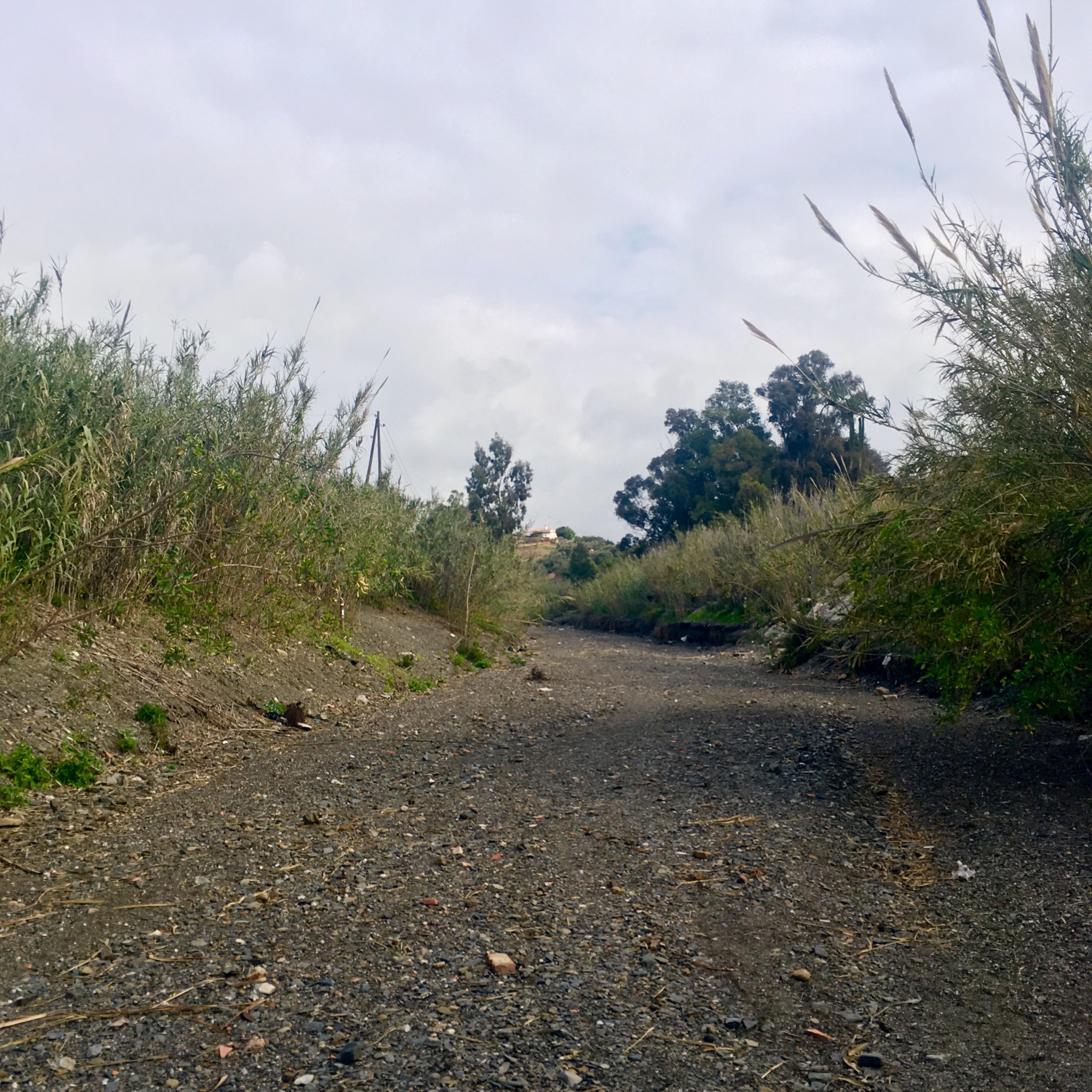
This was the point where I finally left the Costa behind and headed for the hills. I started up a track beside the dryish river bed with irrigated fields to one side.
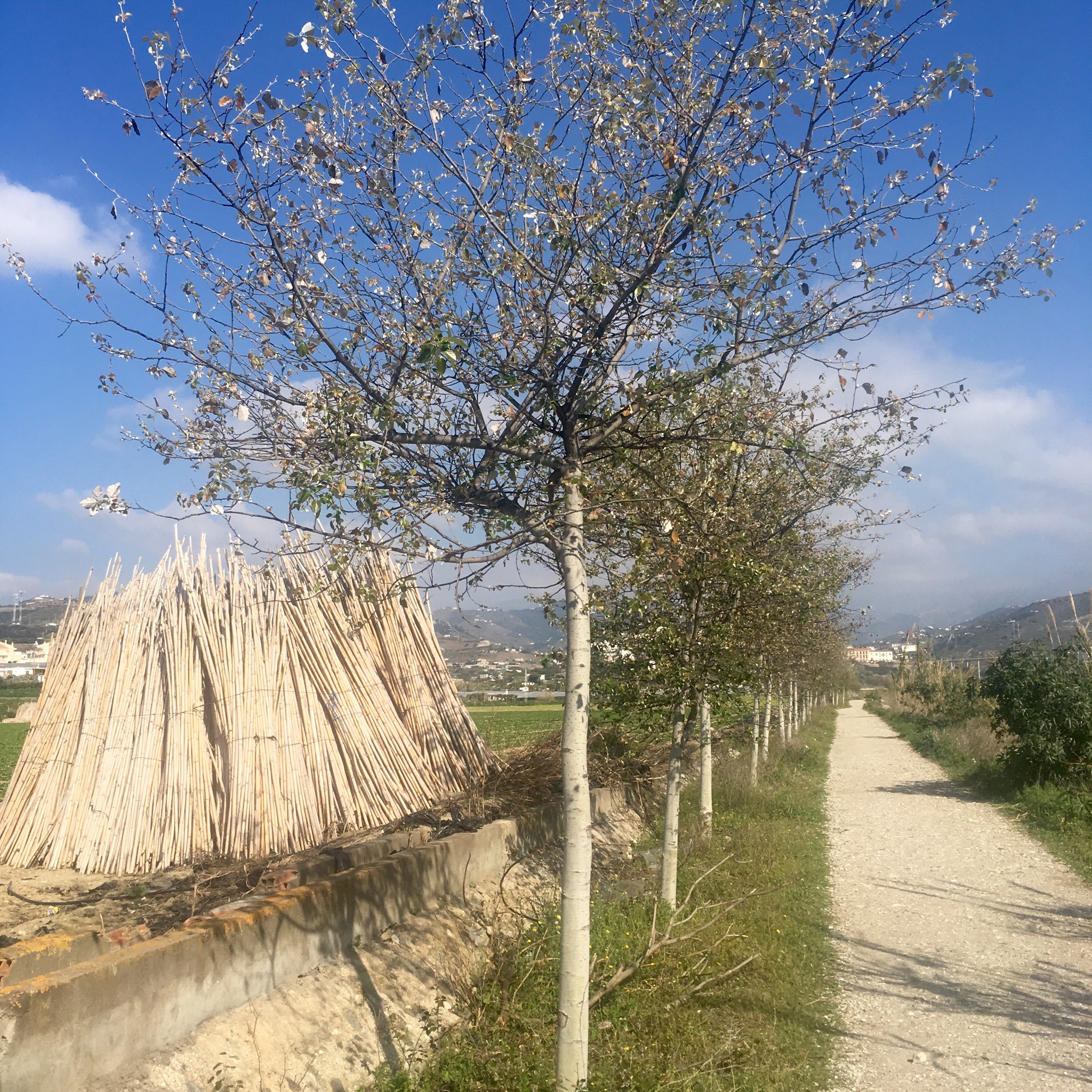
Before long I had to make my first river crossing, described in my translated guide as wading.
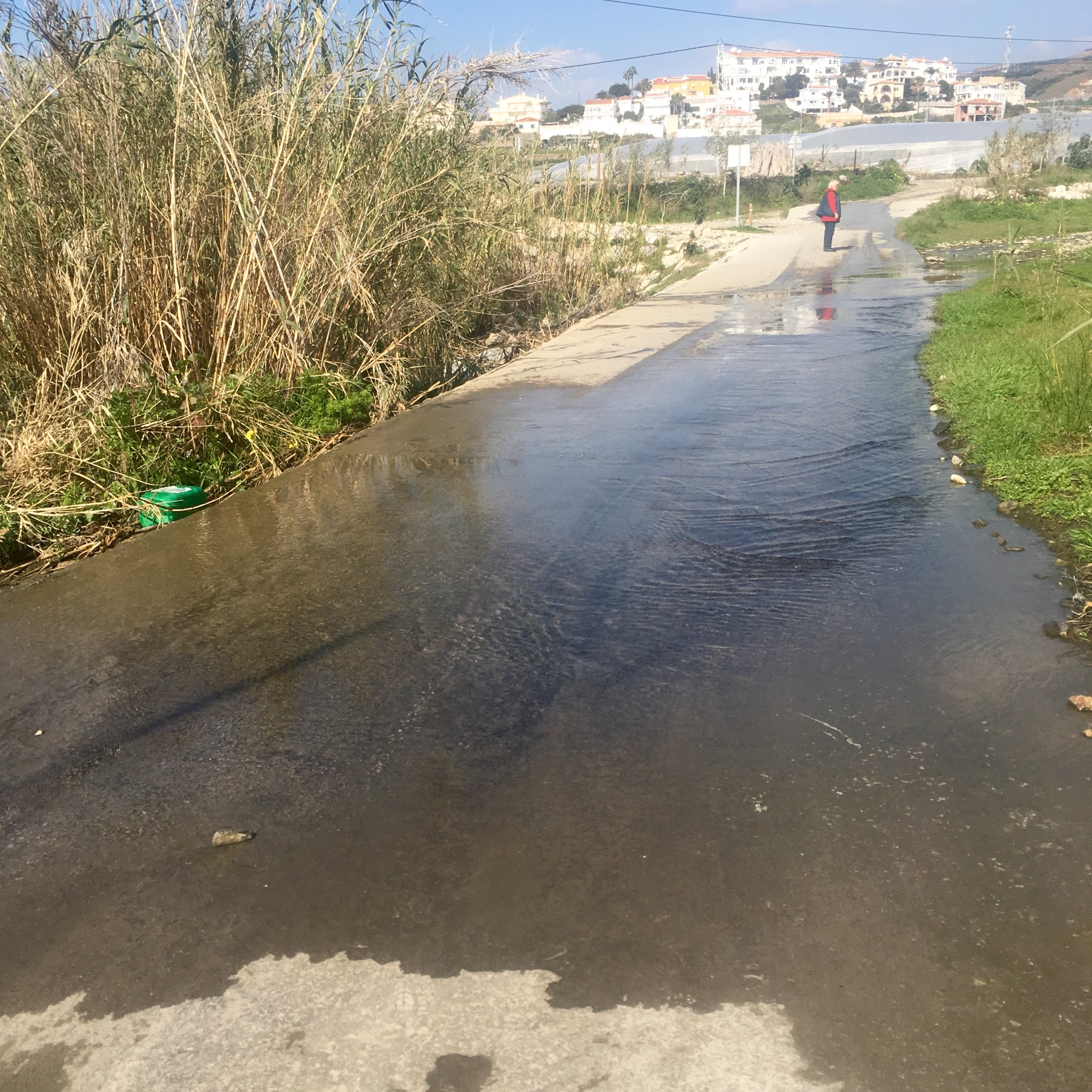

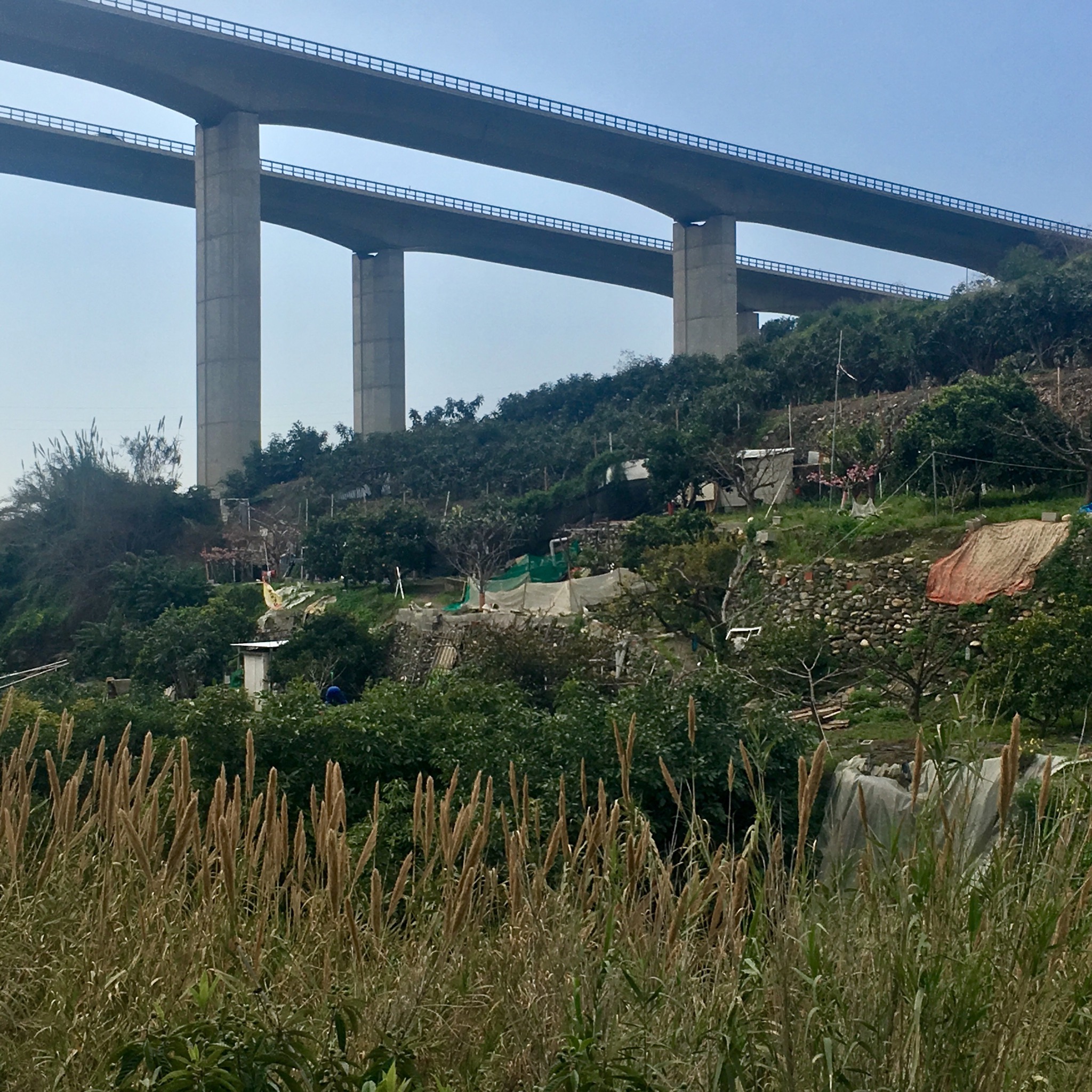
I climbed up and up, the track getting smaller and smaller towards the humming edifice of the A7 motorway that strode across the valley on giant concrete legs.
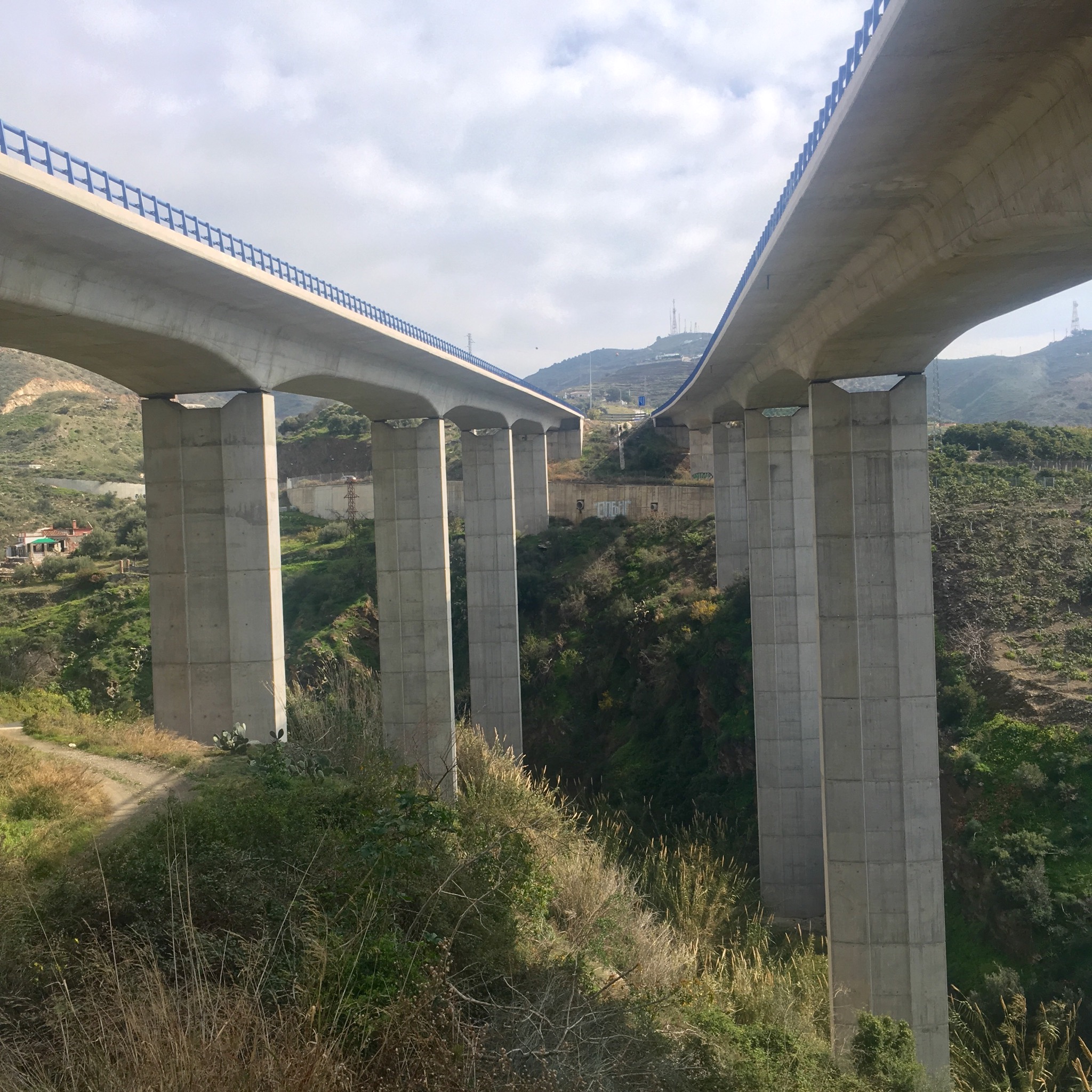
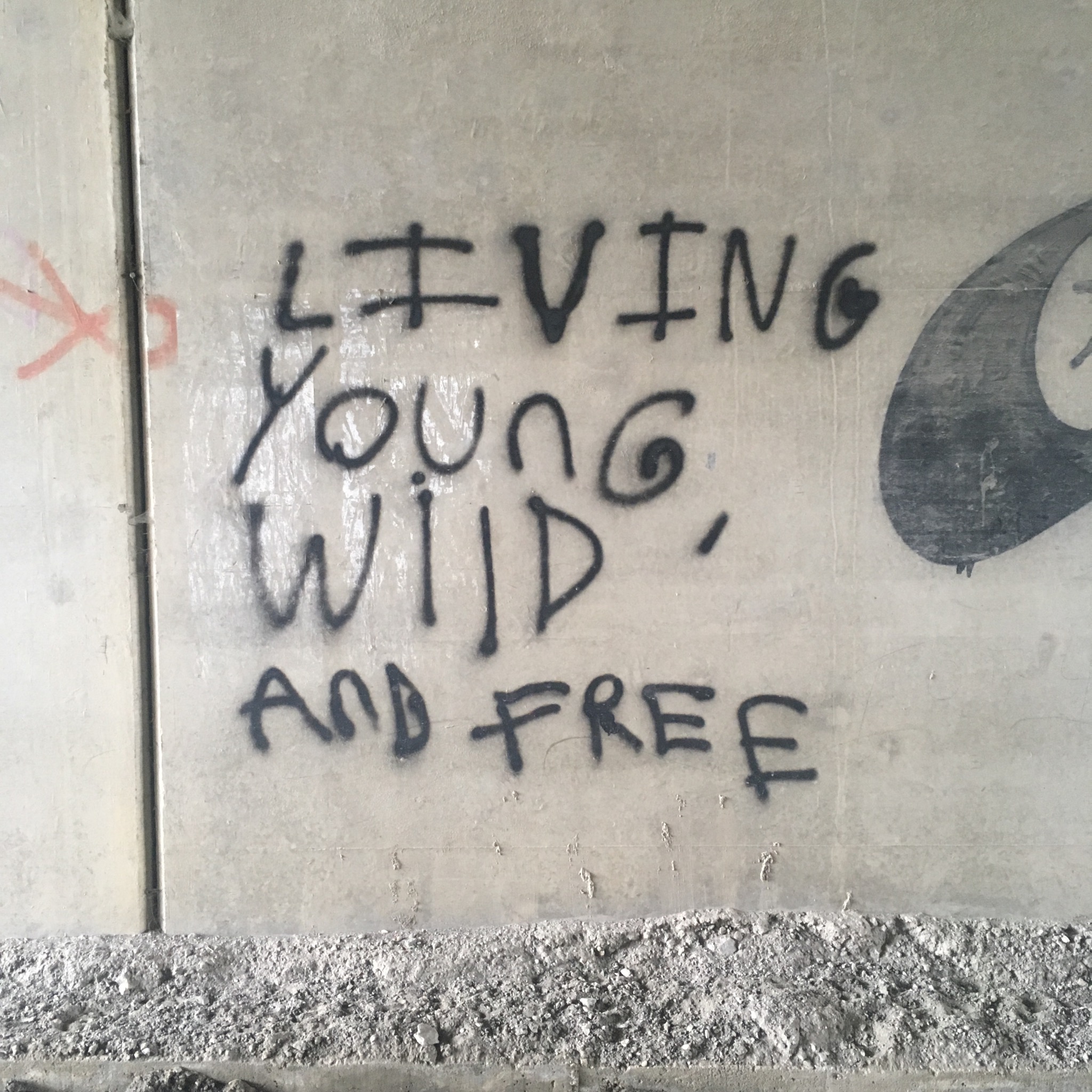
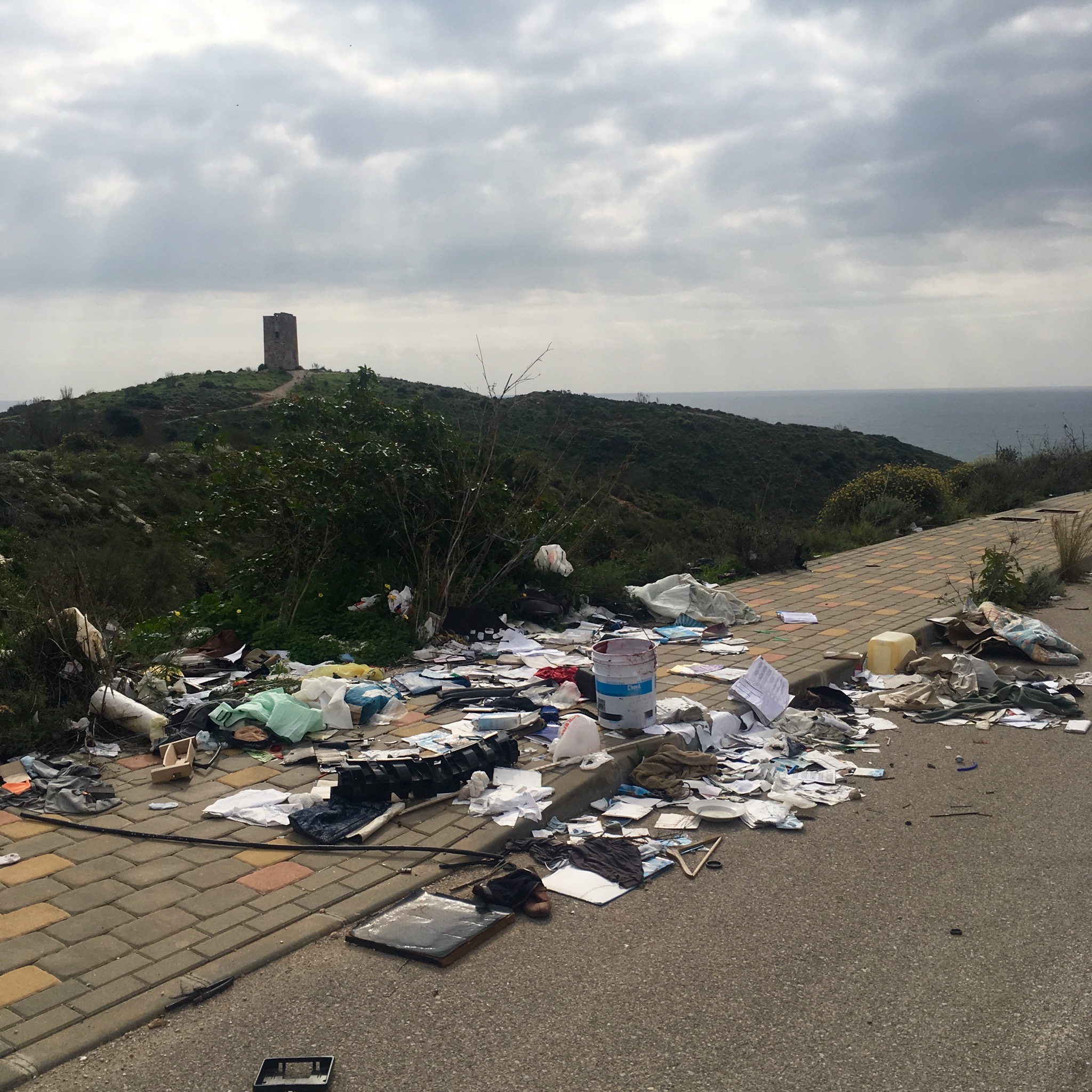
Strangely some youth had decided that the undercarriage of this alien environment was a good place to have a good time and declare so in graffiti.
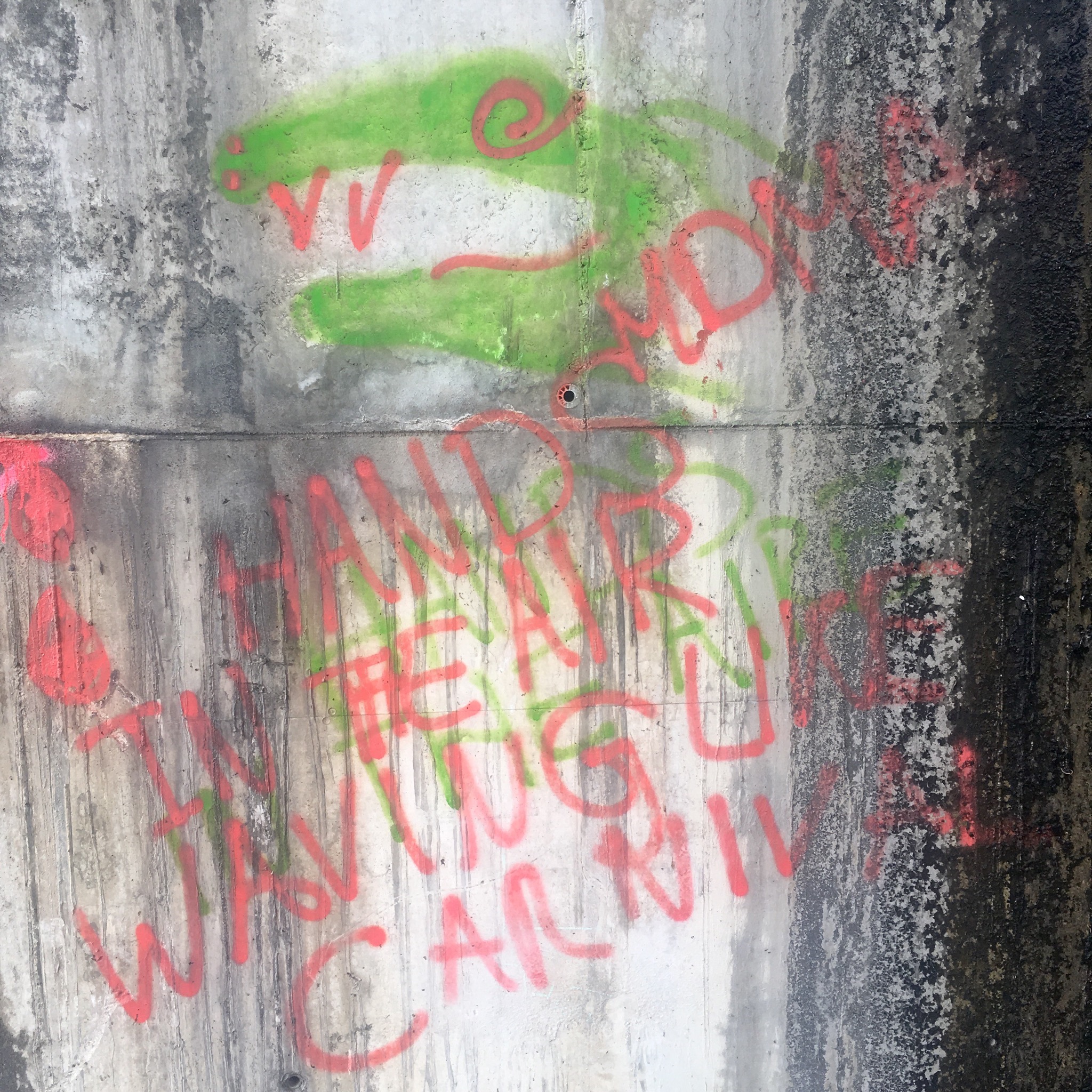
Incongruously, as I passed under the most modern transport route I started down the days oldest, a mule and walkers track that wound down to the valley bottom and over a tiny old stone bridge.

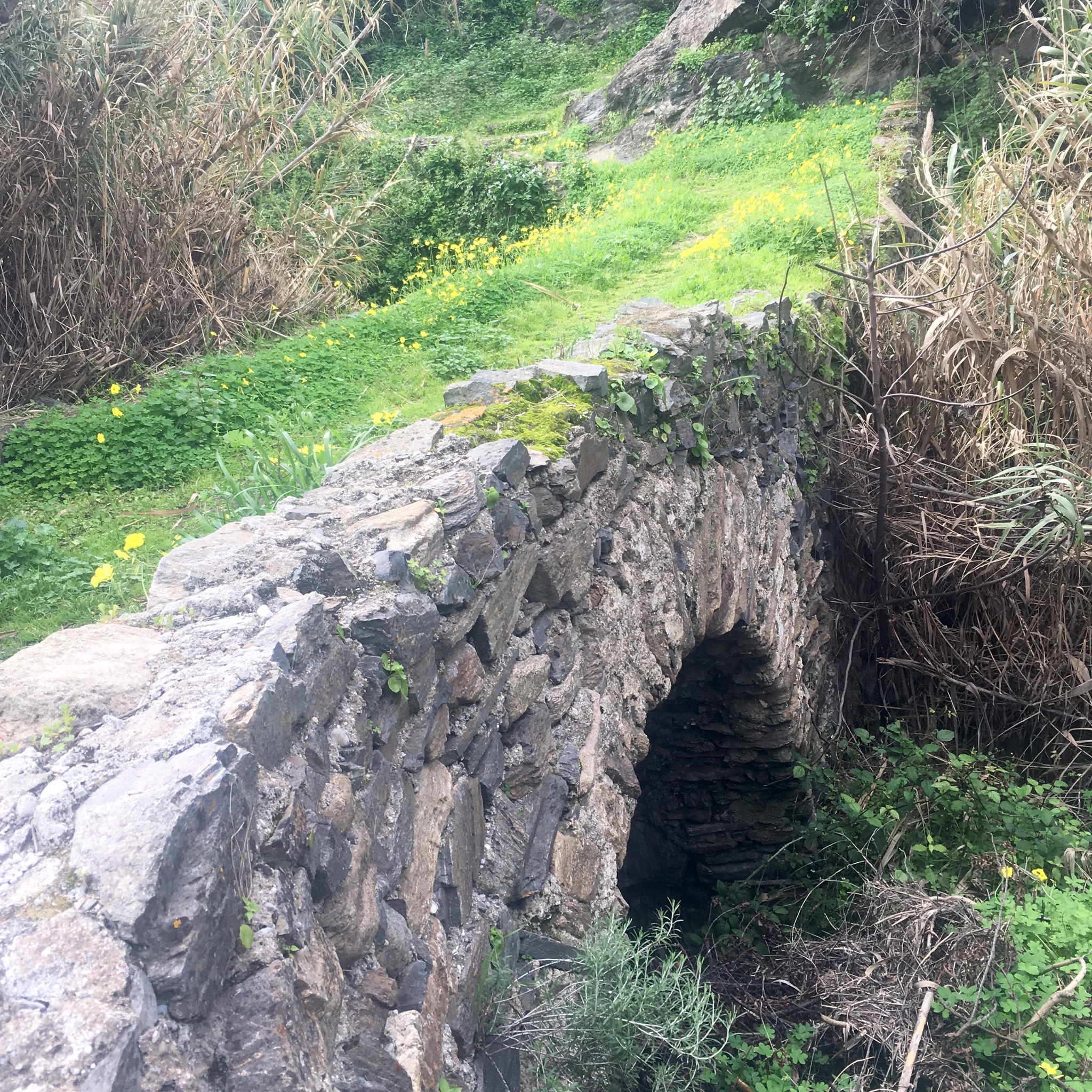
The vegetation was lush and small little subsistence farms plots were still tended in the shadow of the gigantic motorway structure, the slow movements of the gardener in contrast to the rushing traffic above.
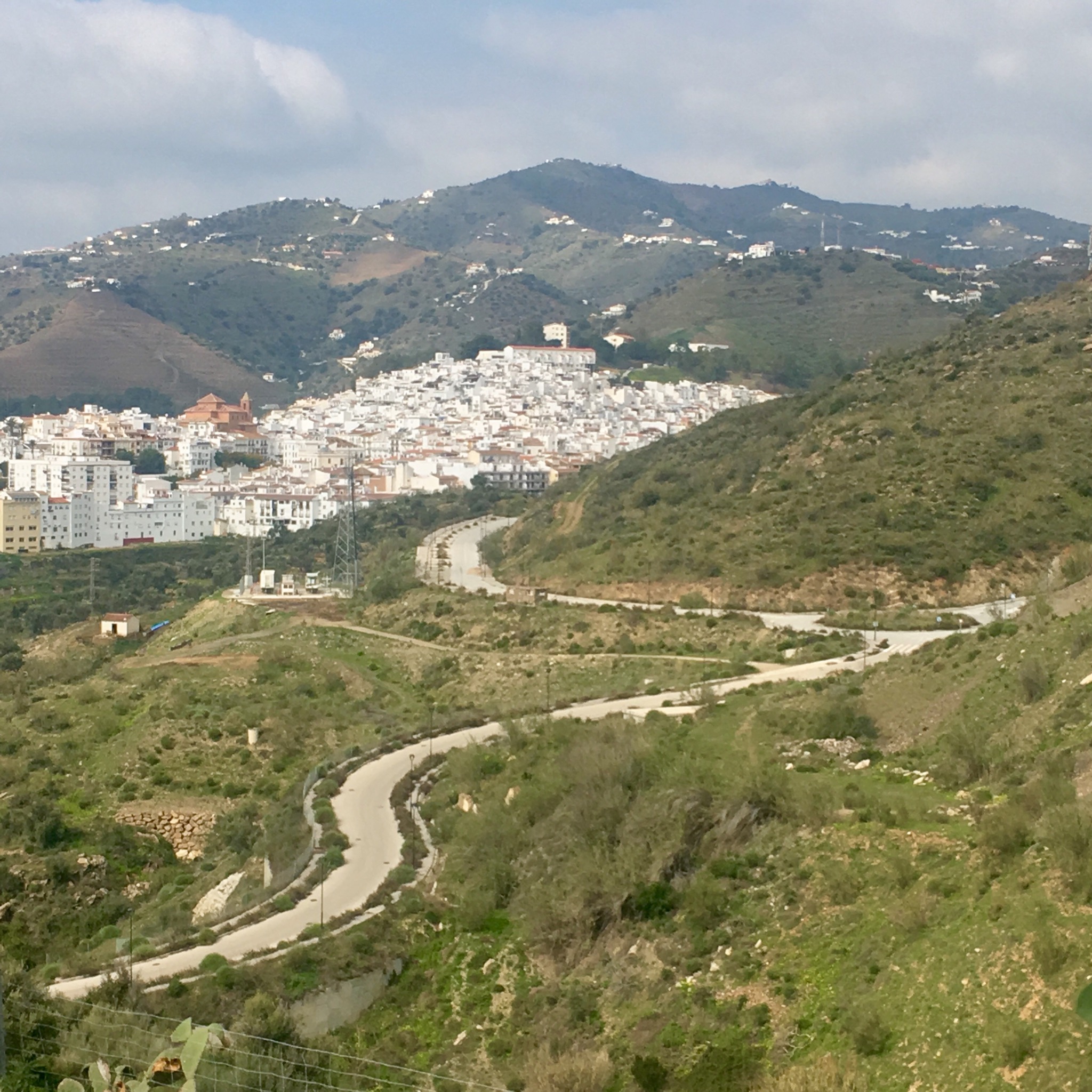
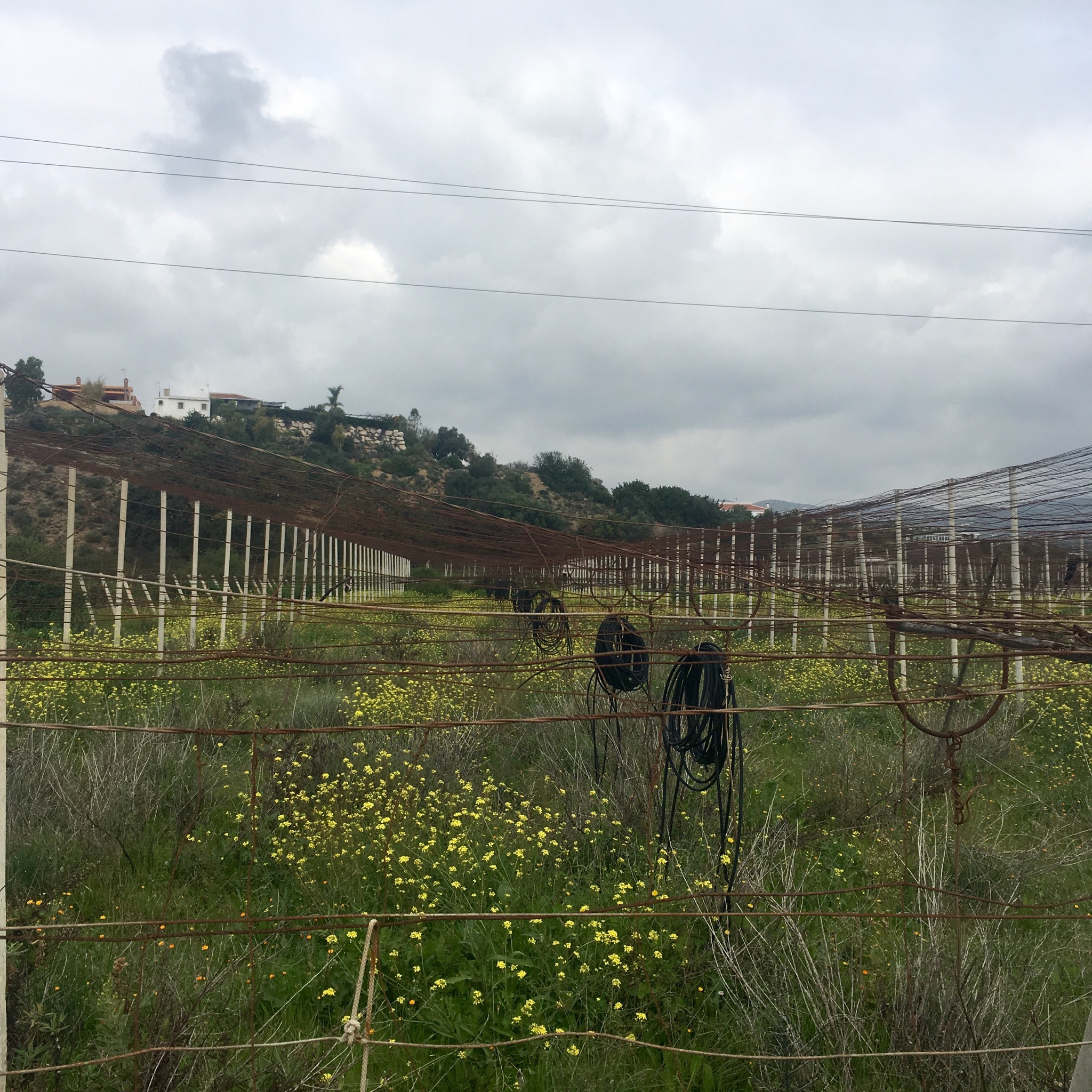
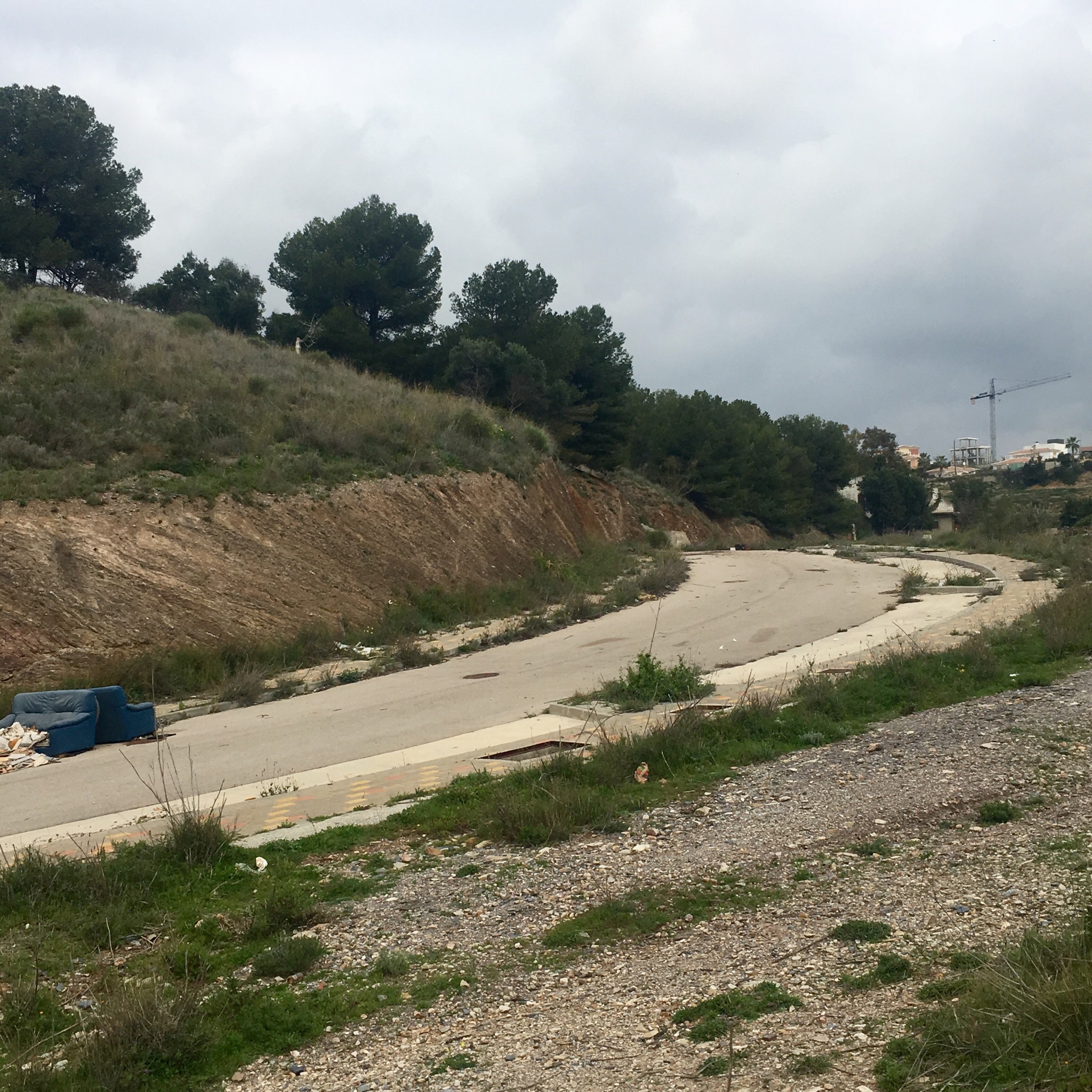
Climbing back under the A7 on the other side of the valley I rose up on higher ground until I was looking down across it, to another huge area of unfulfilled property speculation. We’d seen the signs for years as we sped down the motorway, advertising houses that never got built, but now I could see the extent of infrastructure that had been put in. Roads to nowhere.
I’d been hearing the noise of the motorway for too long and was relived when the traffic was swallowed up by the gaping mouths of tunnels that I climbed high above.

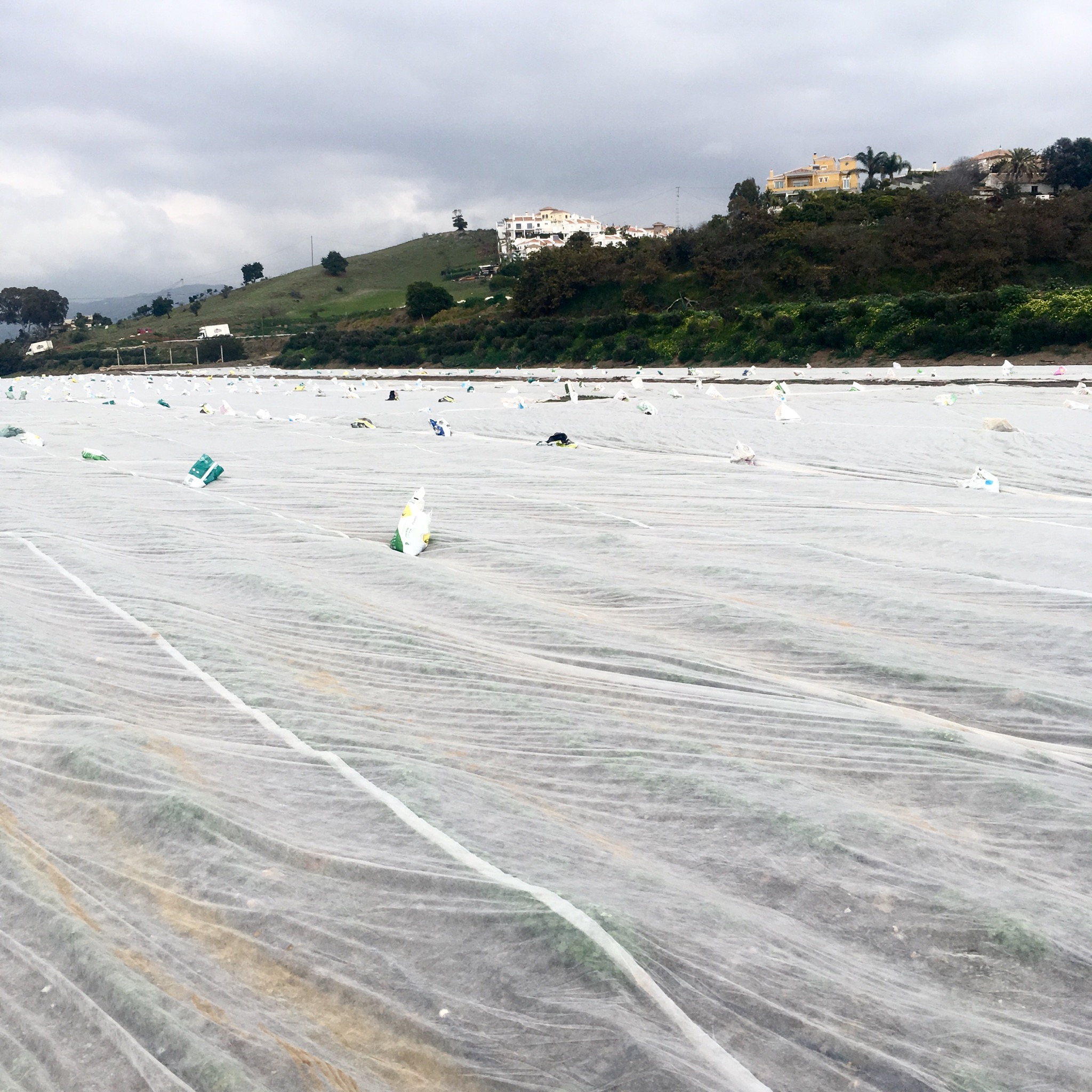
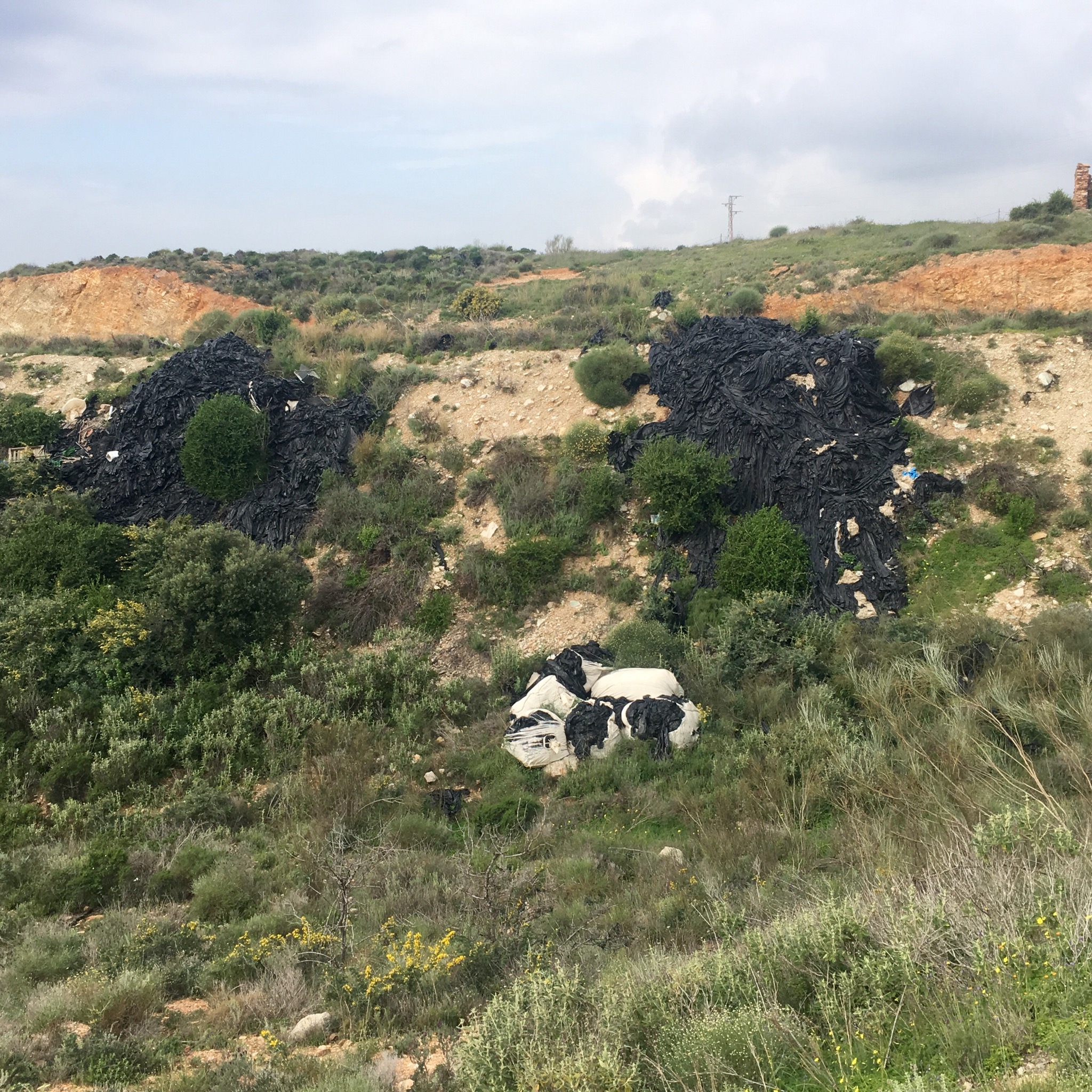
Passing by a hill seemingly held together by lines of plastic webbing
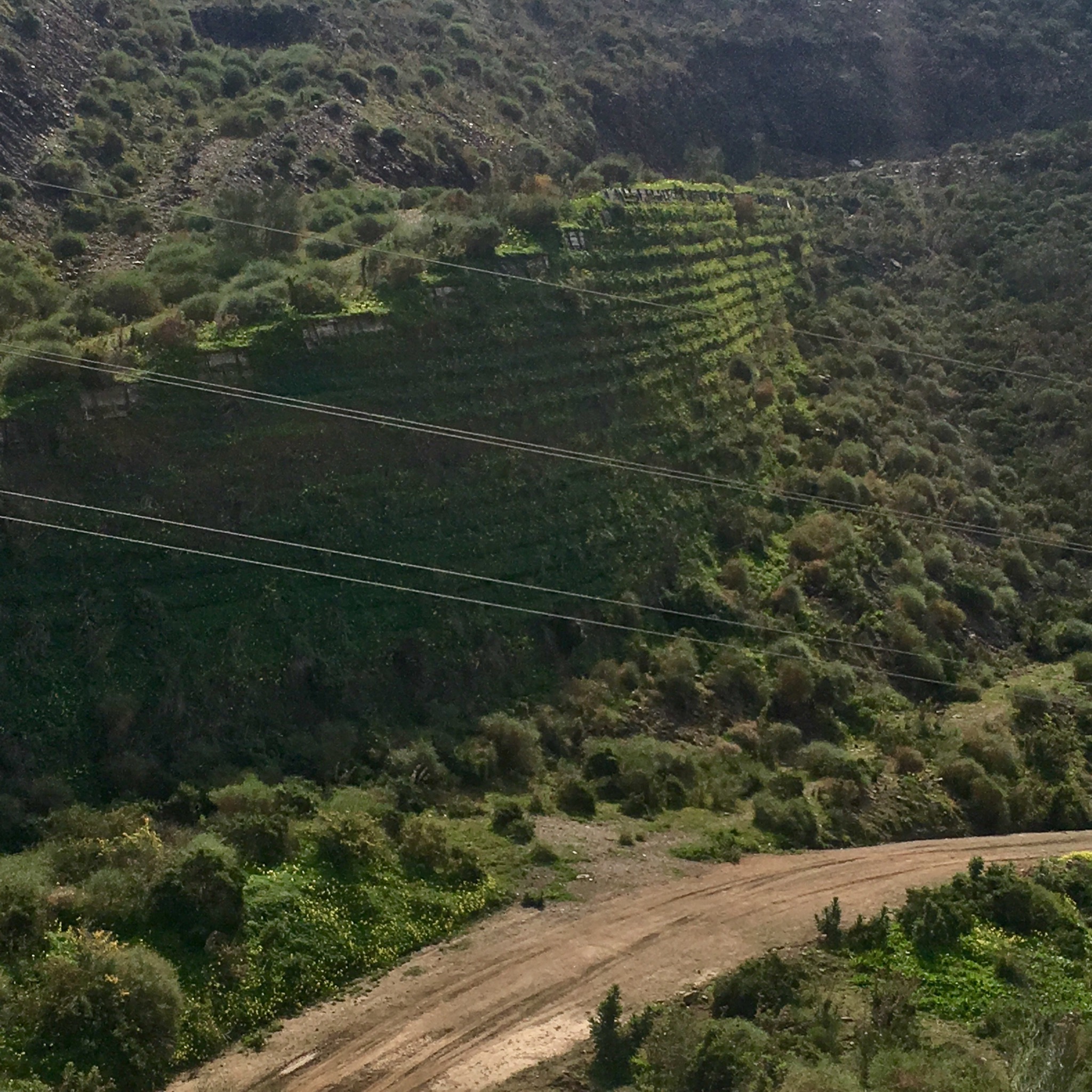
 I finally came to the peak of El Puerto at 265m where I sat by an ants nest and had my lunch gazing at my destination , Nerja , a long way below me.

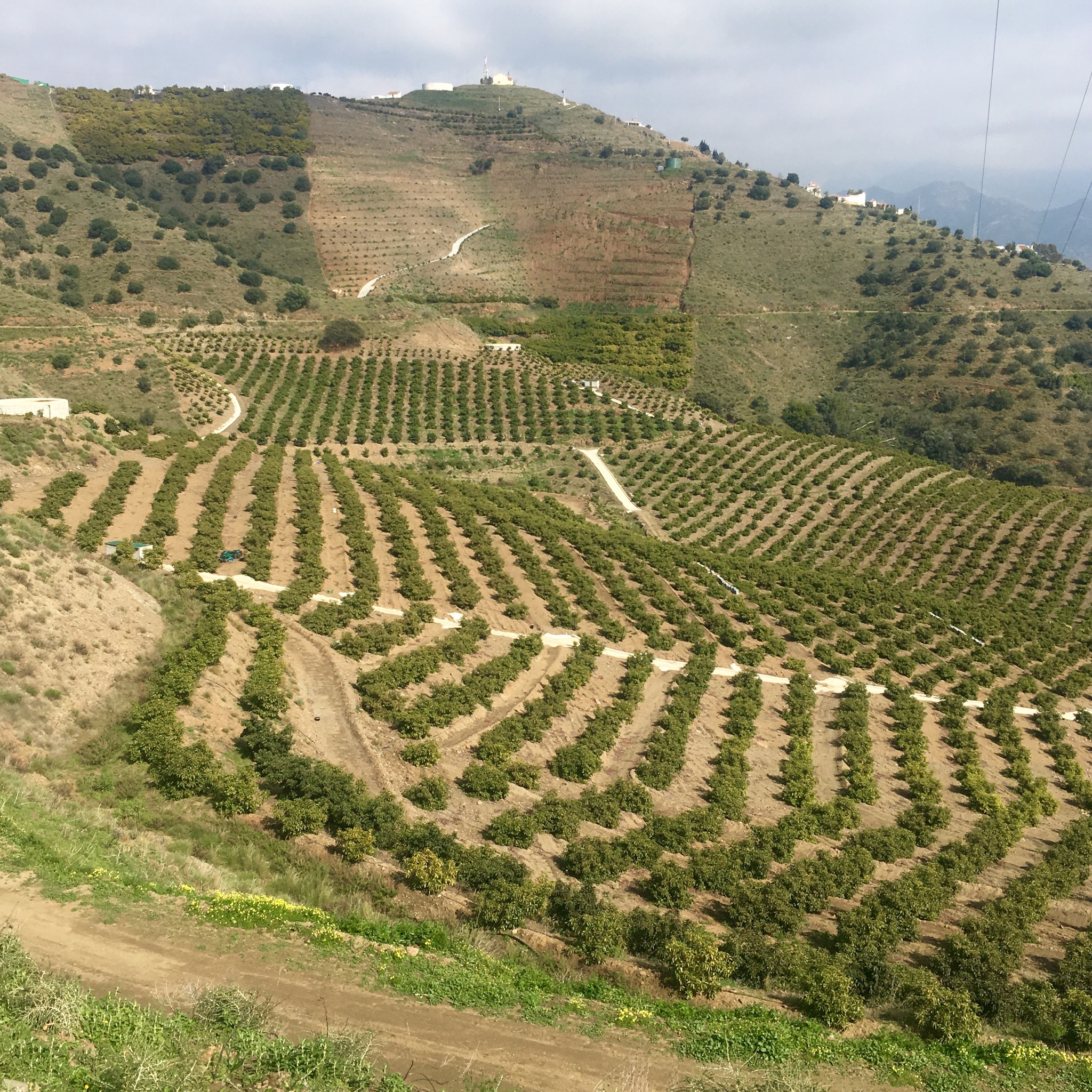
The landscape changed again as I started down the long descent with a vista of avocados before me.
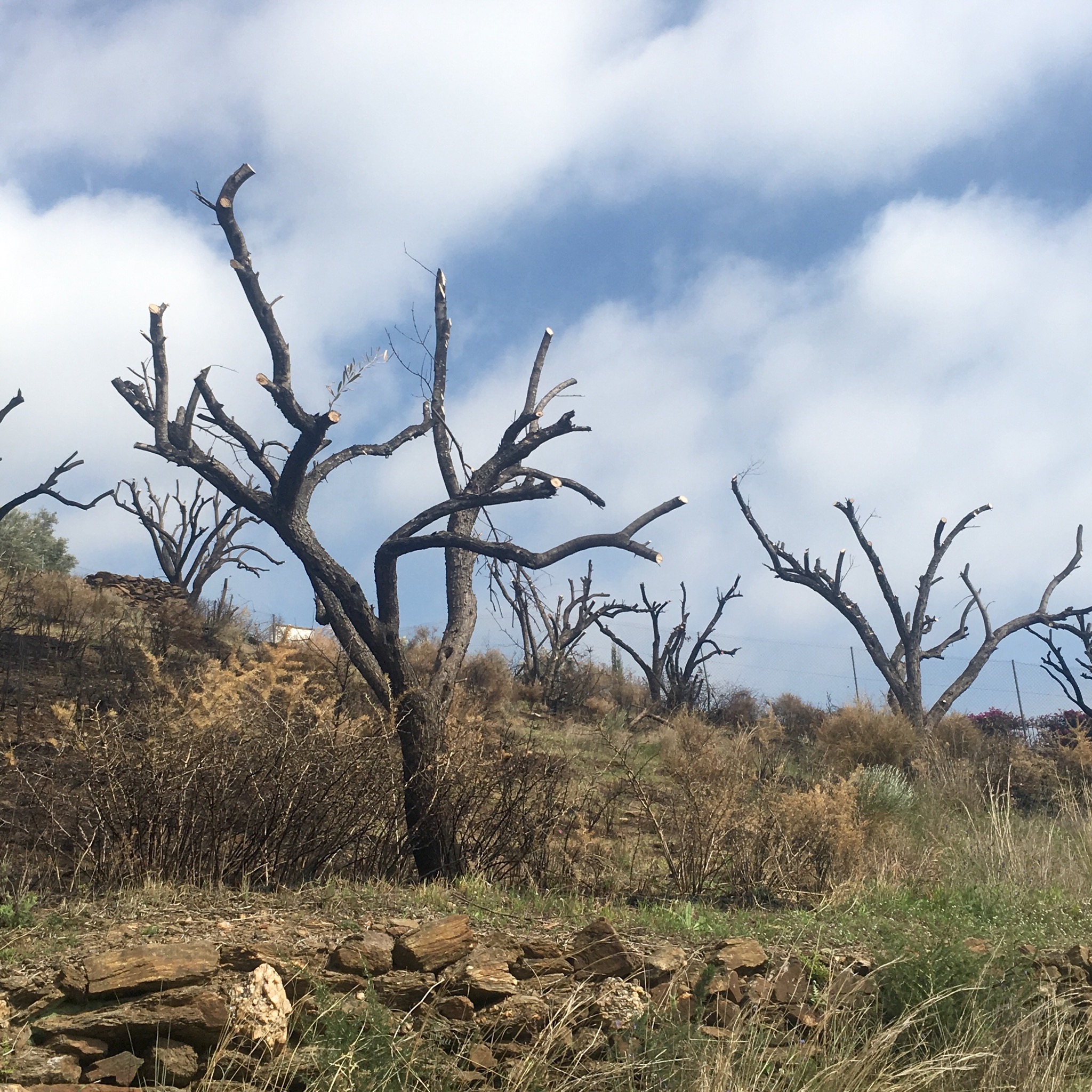
A little later I came across a grove of the most radically pruned olive trees I’ve ever seen.
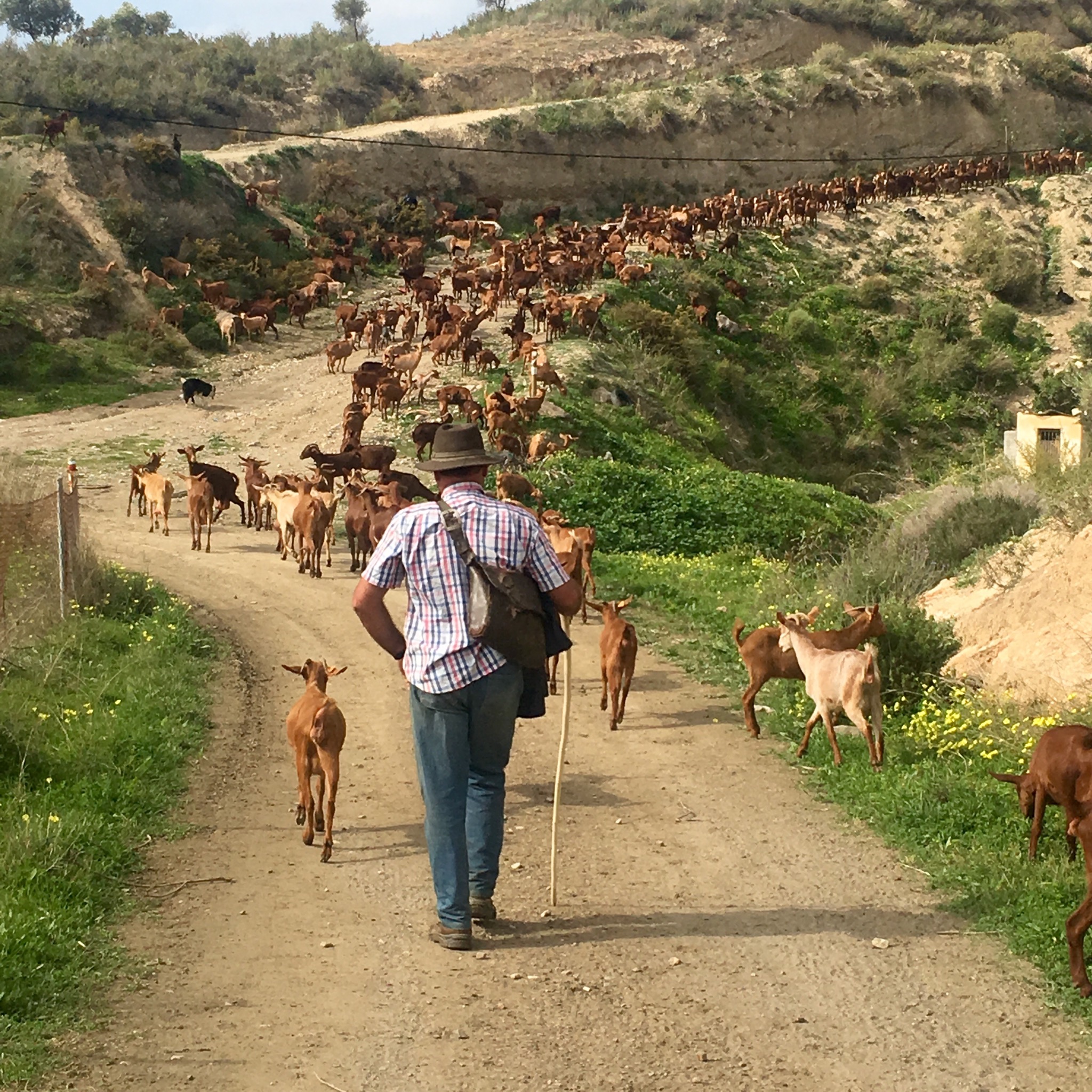
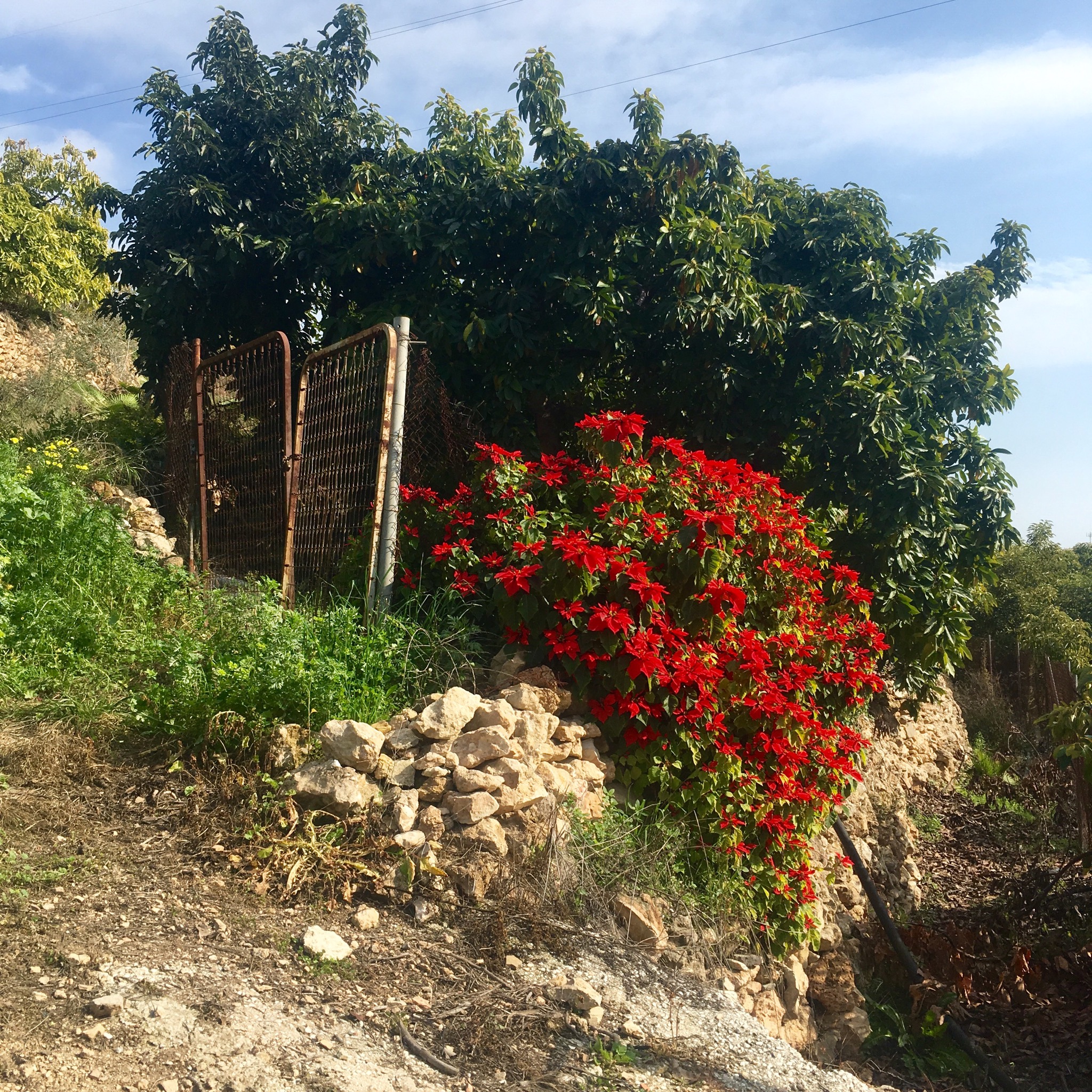
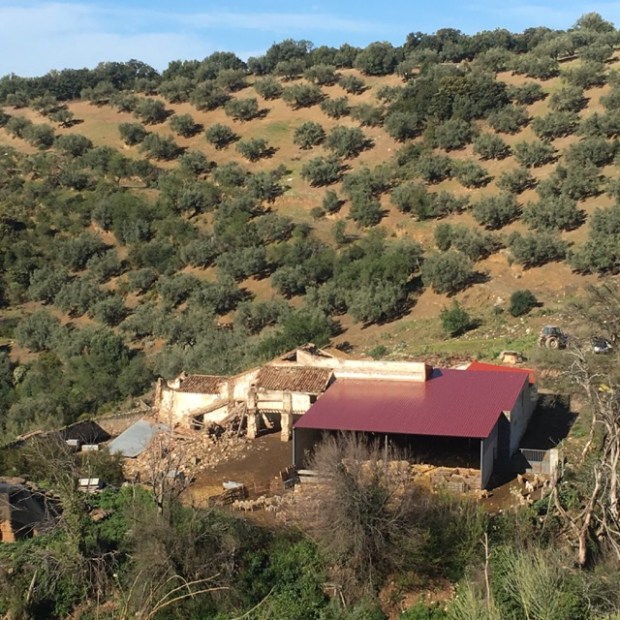
There were some spectacular villas on the hills here with sea views and very wealthy inhabitants but alongside that , a simpler lifestyle continued.
As I walked through a tunnel under the motorway for the last time I found more graffiti evidence of youth seeking freedom in unlikely places
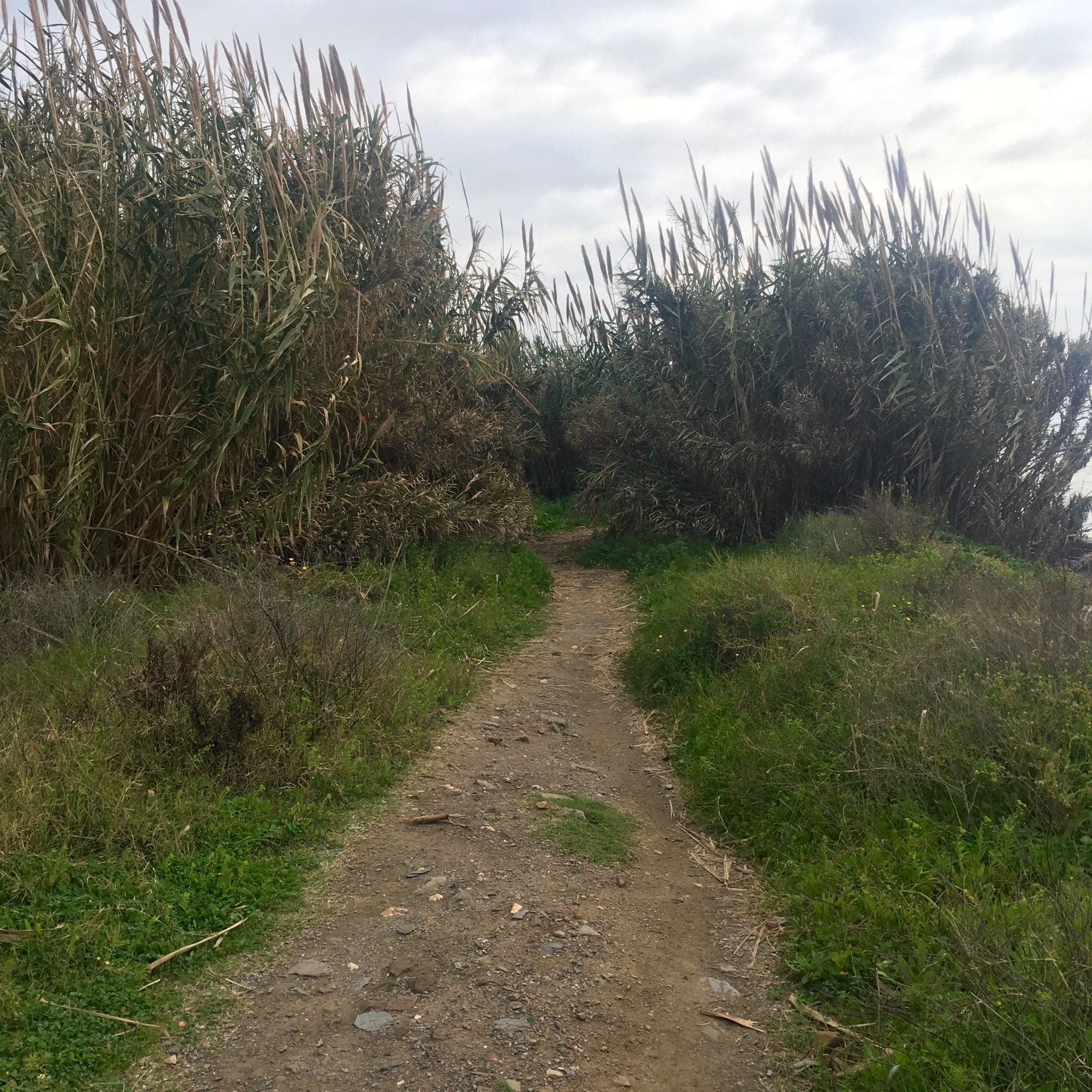
 before approaching Nerja on a labyrinth of tiny lush tracks through the crops.

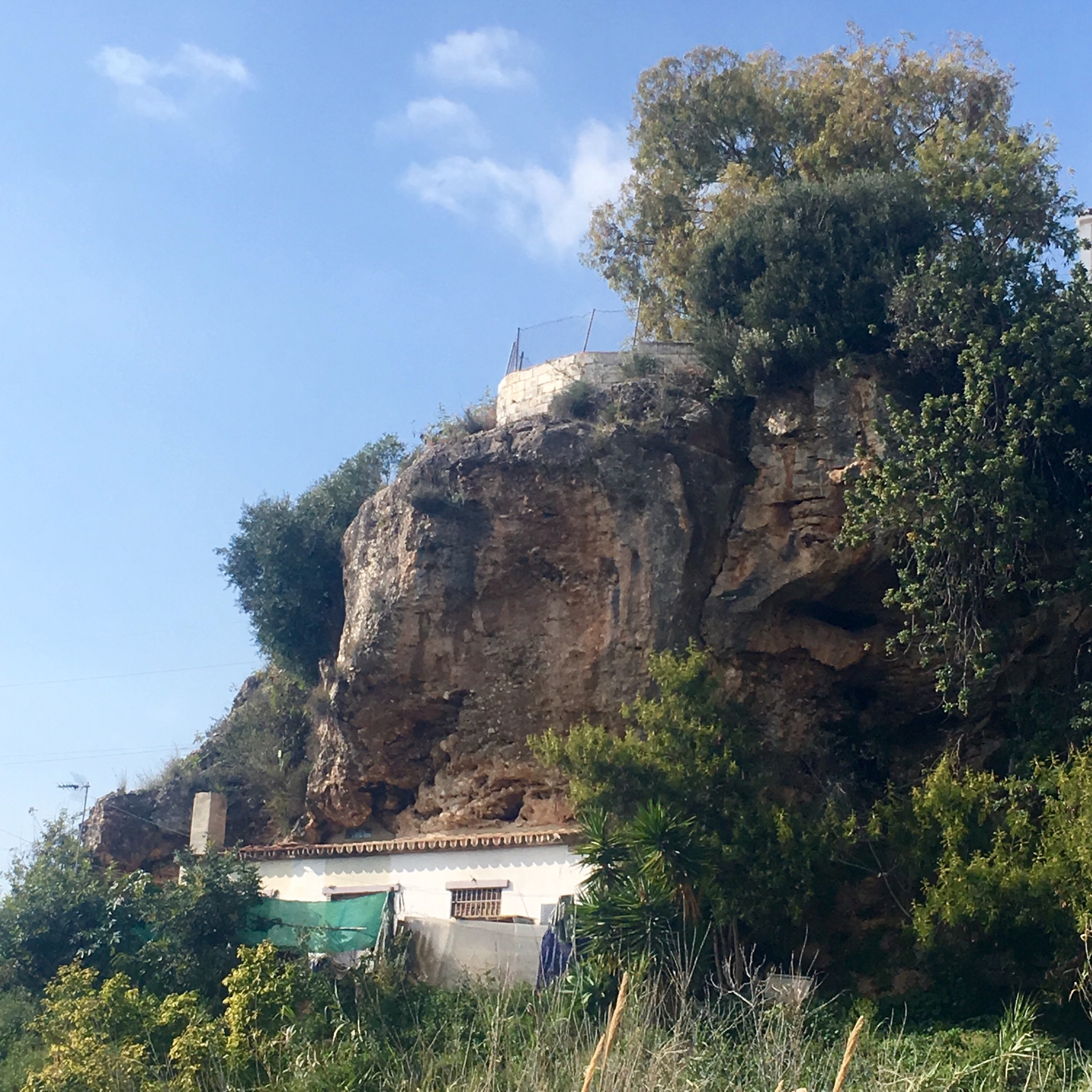
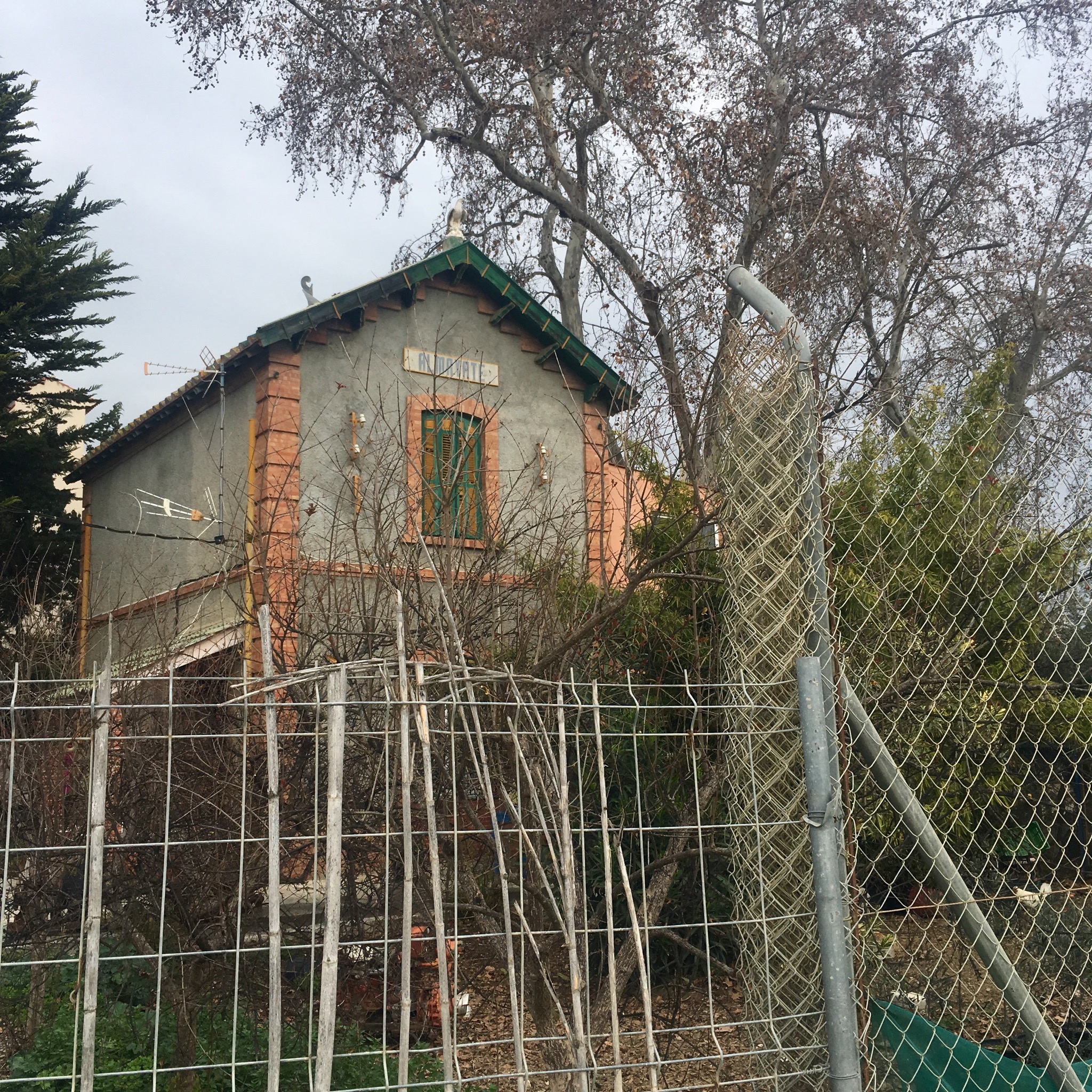
Just before I emerged into the town proper with its roundabouts, shops , bars, and general busy 21st century life I passed another reminder of simpler times, one that is still managing to co exist with the present.


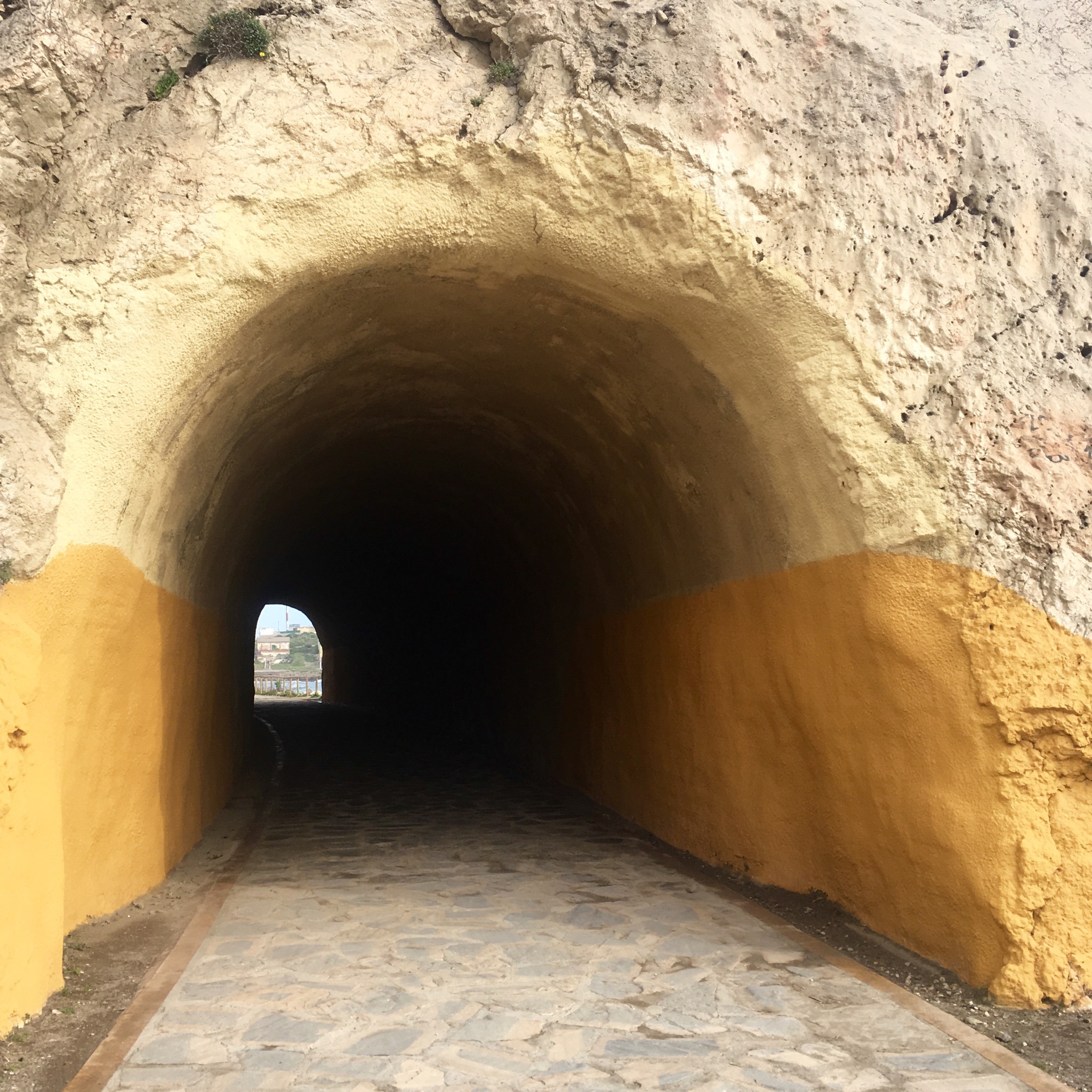
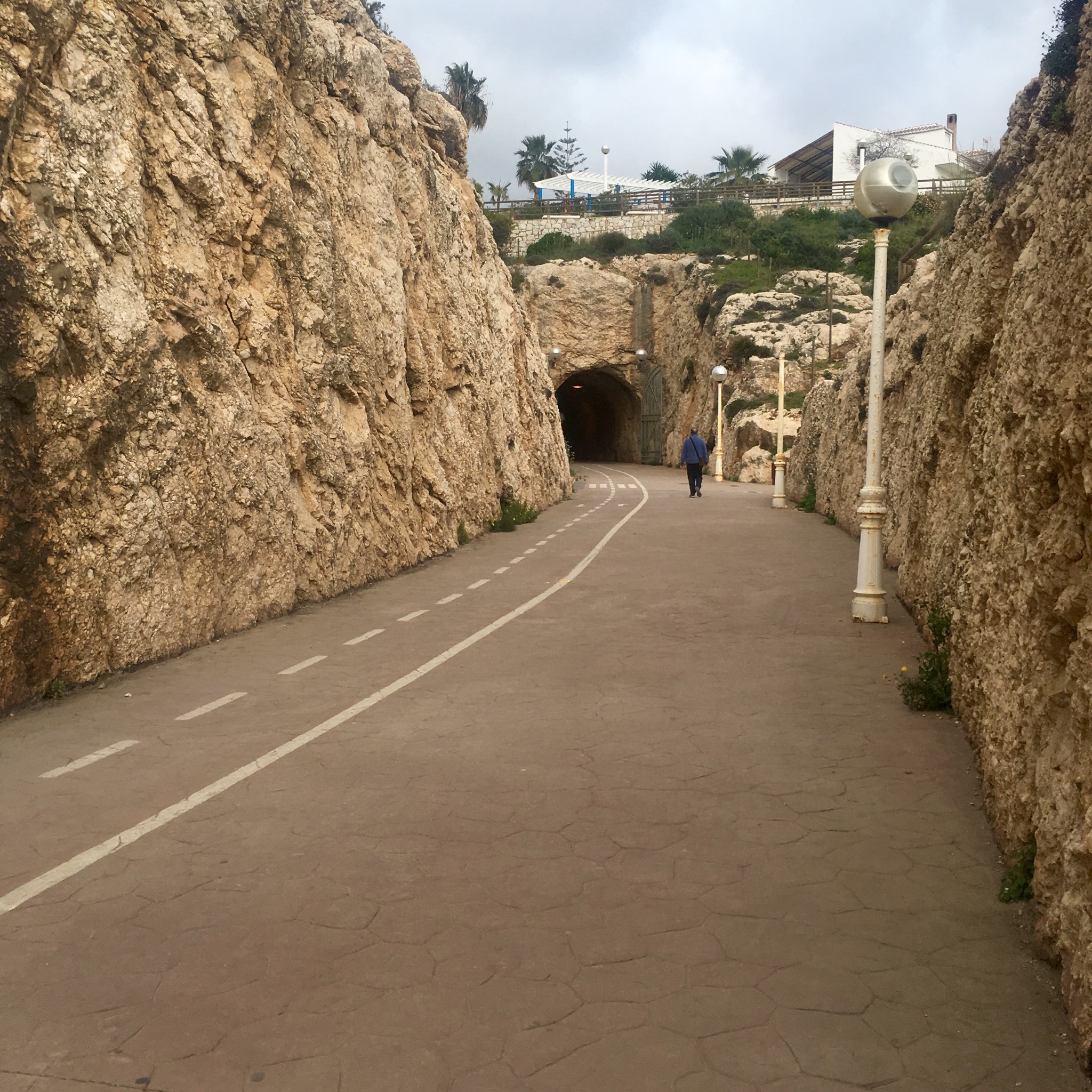




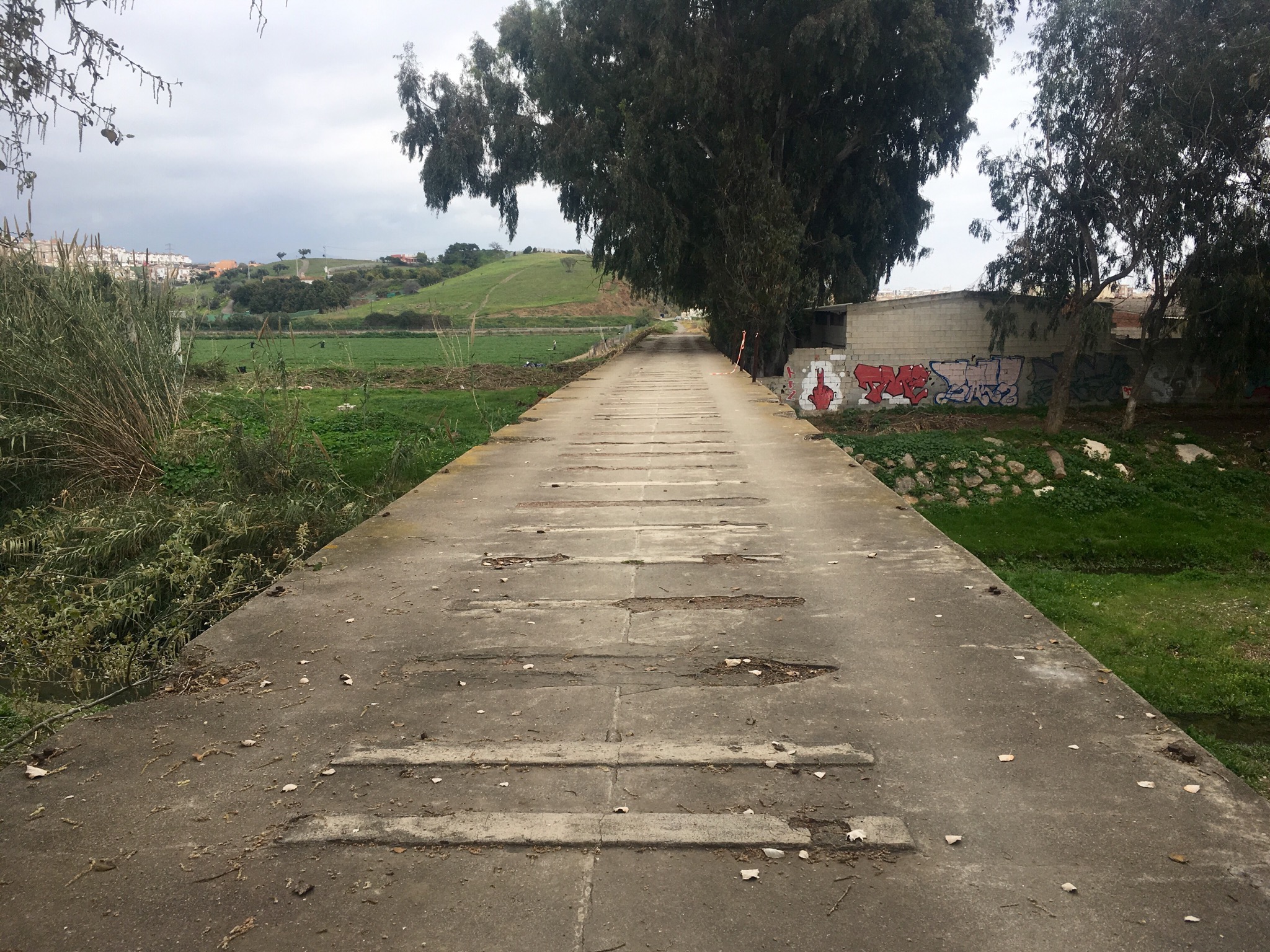



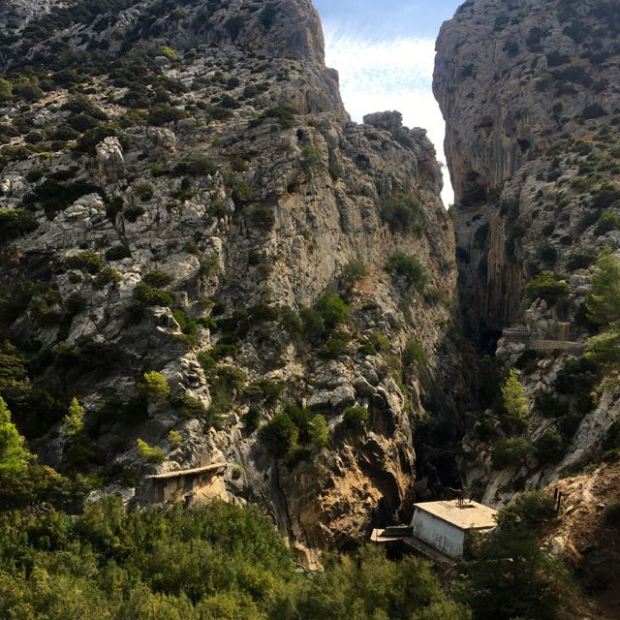
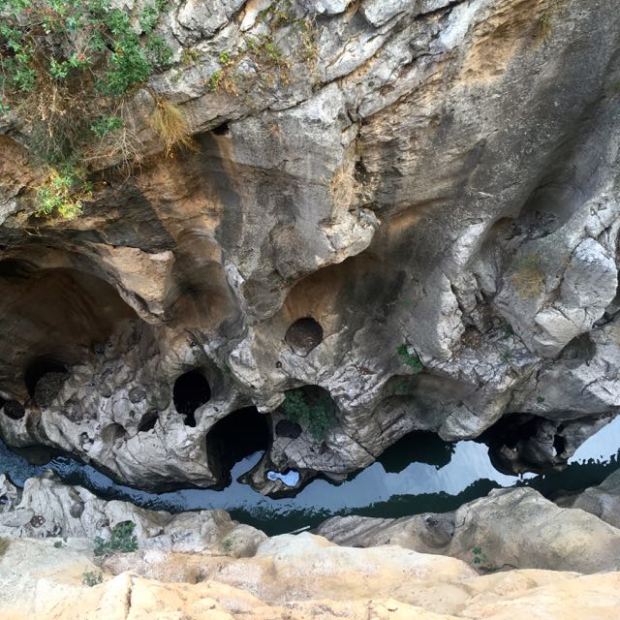
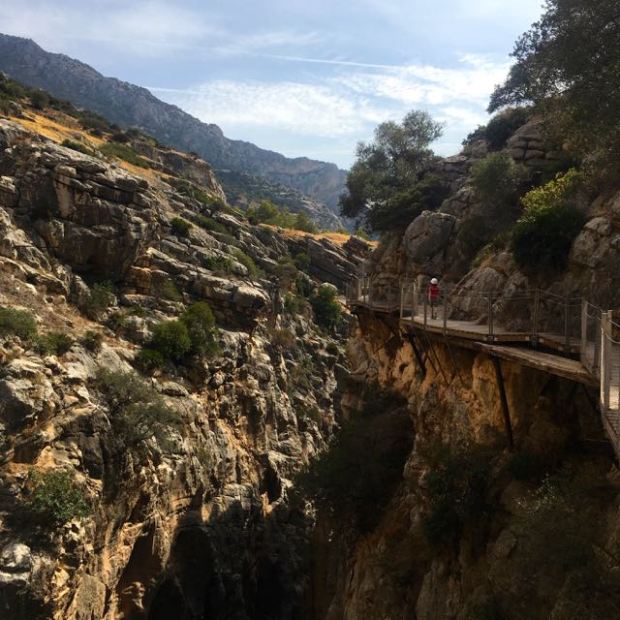
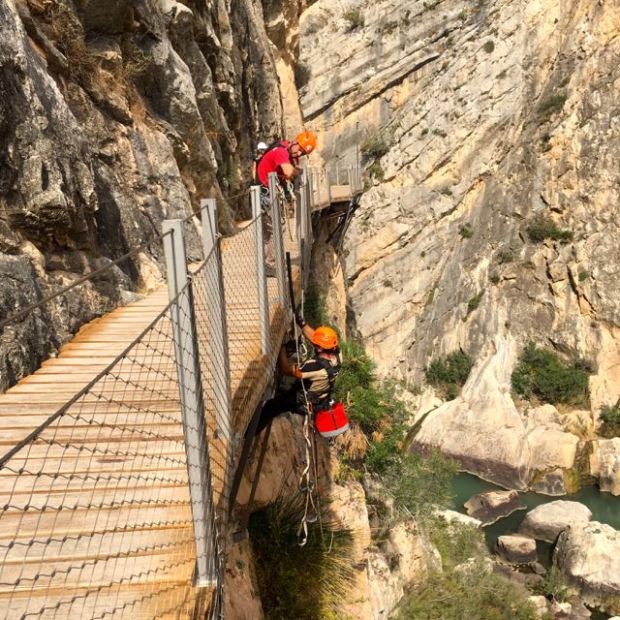
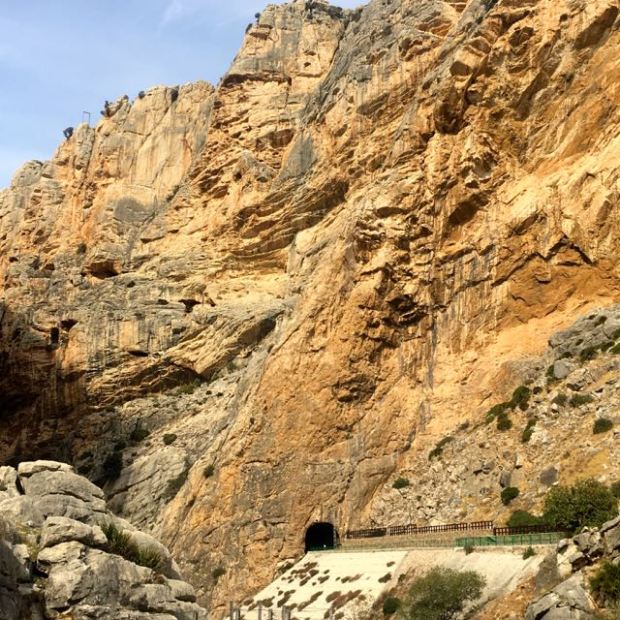
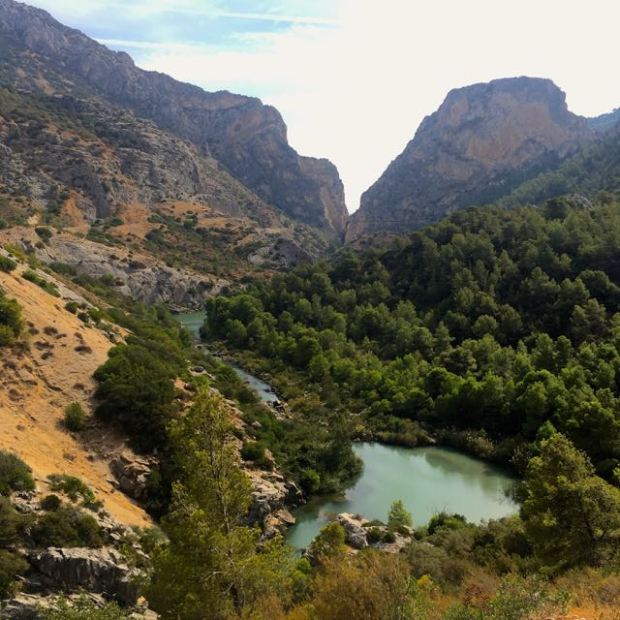
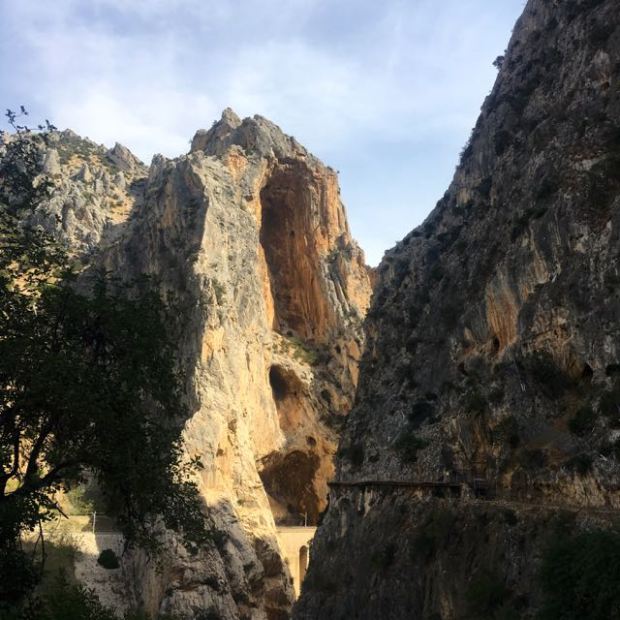
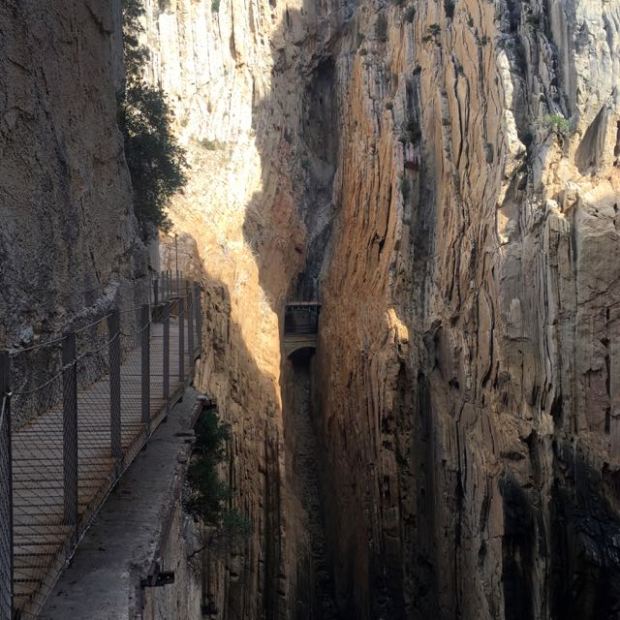
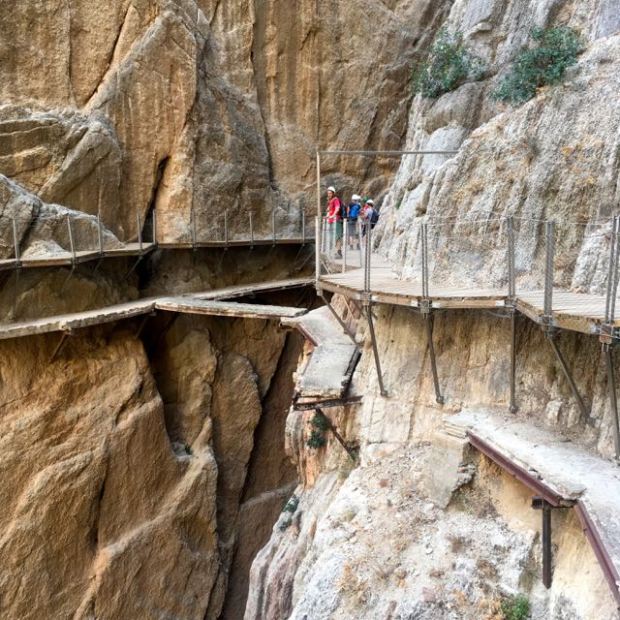
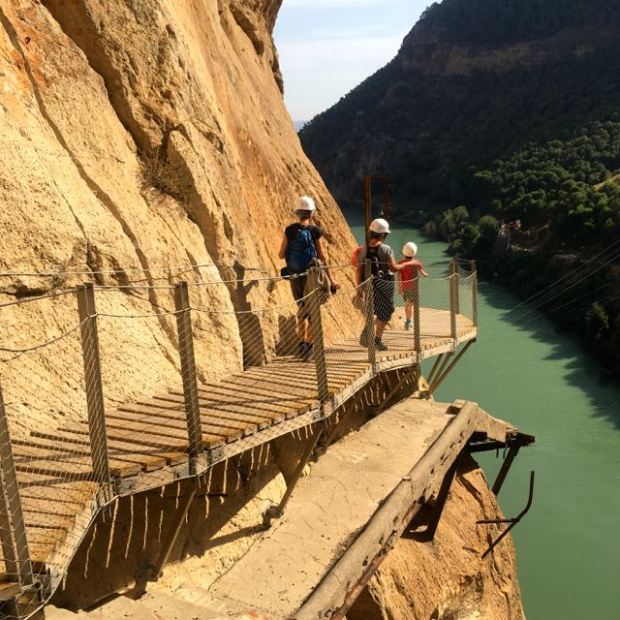
 Following a string of fatalities around the millennium , 30m of the walkway were demolished next to the bridge making access much harder. But still they came, and so plans were made to provide a safer, money making, route to satisfy the obvious demand and it was reopened last year after a €3million refit and we were keen to experience this magnificently engineered path under less nerve racking conditions.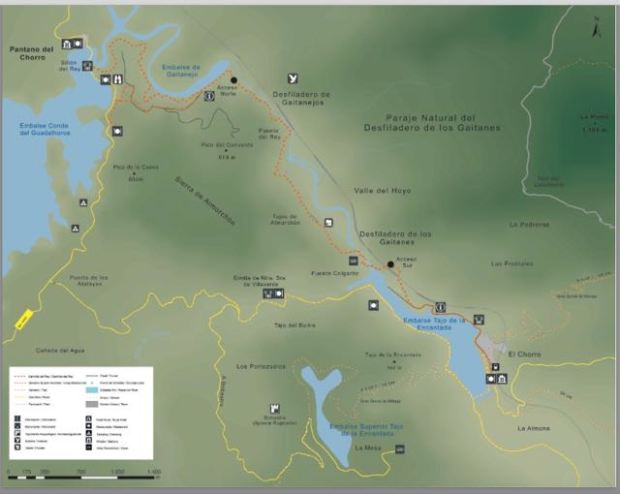
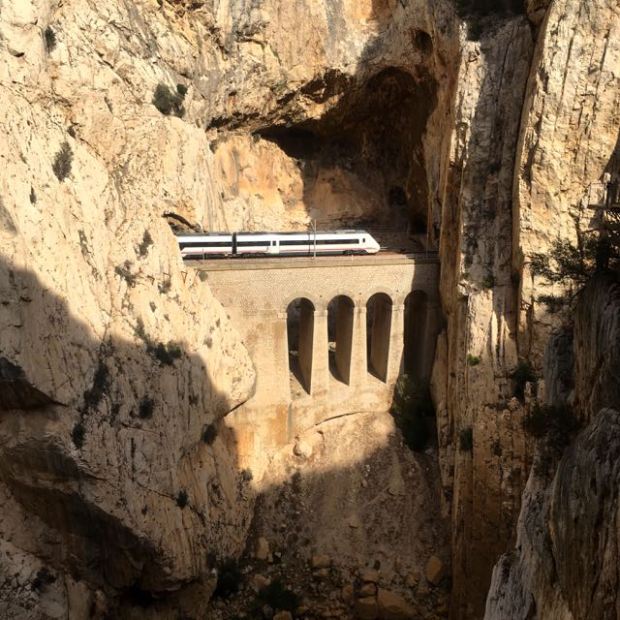
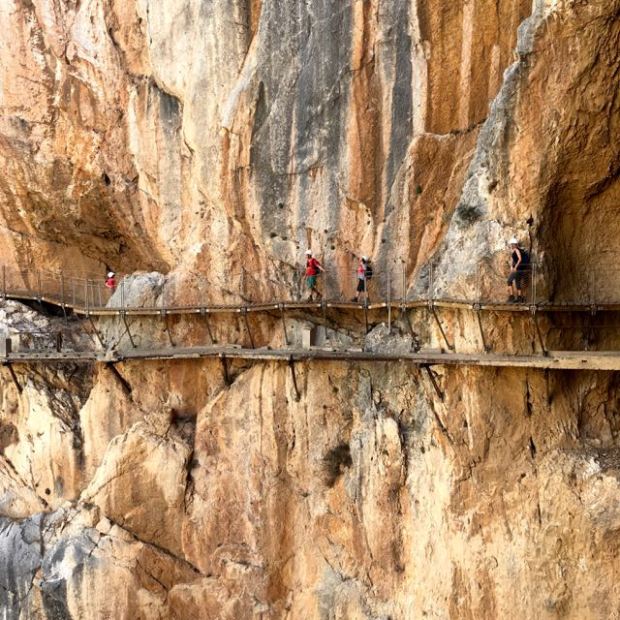


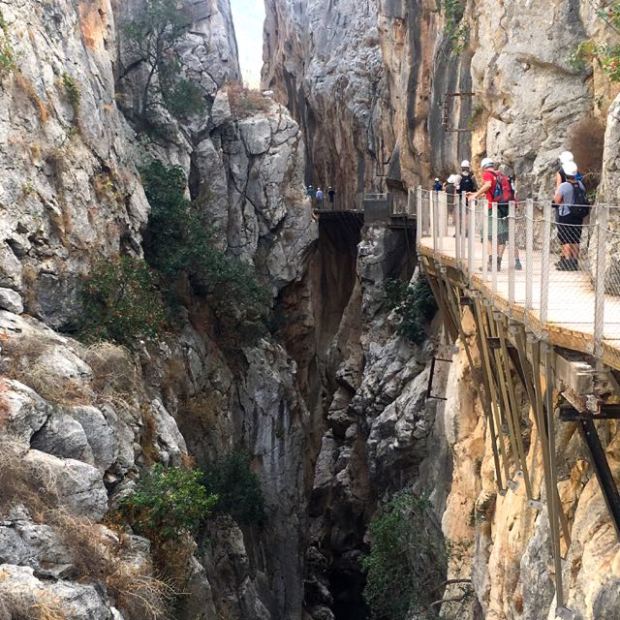














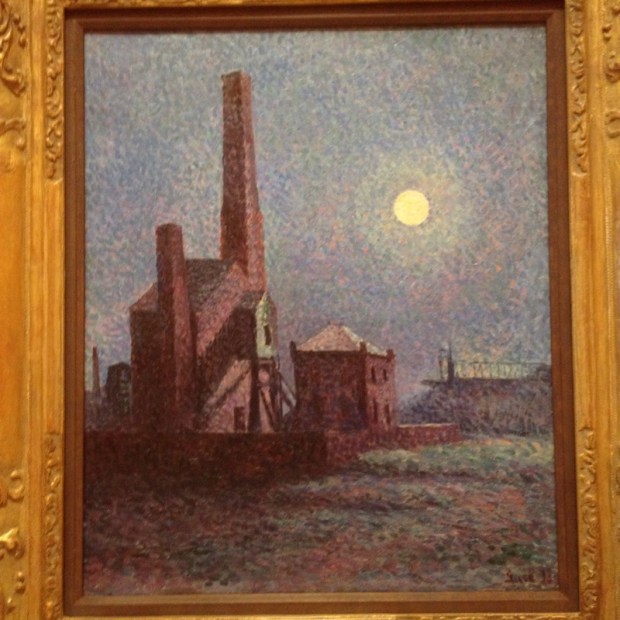

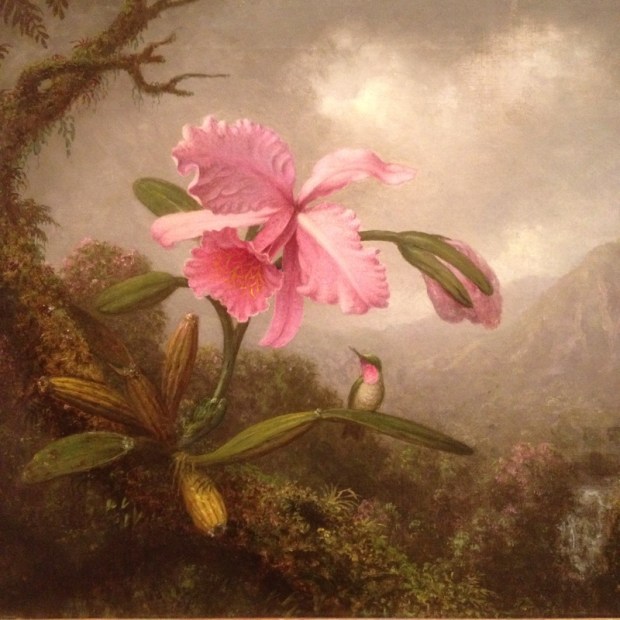

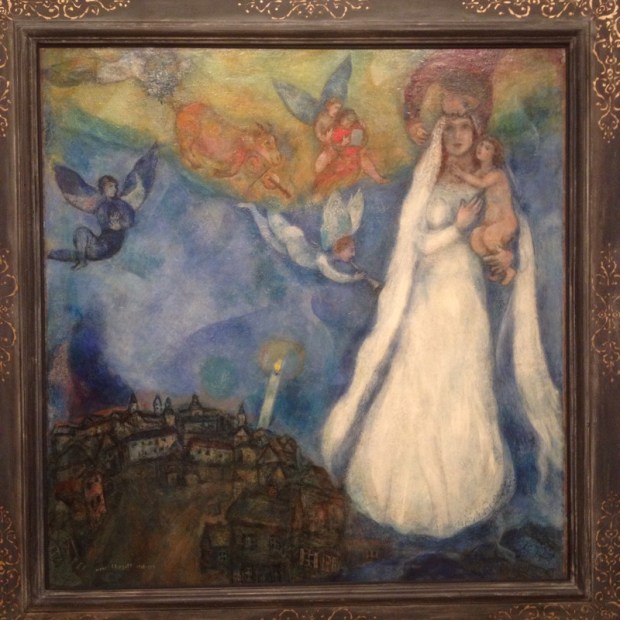





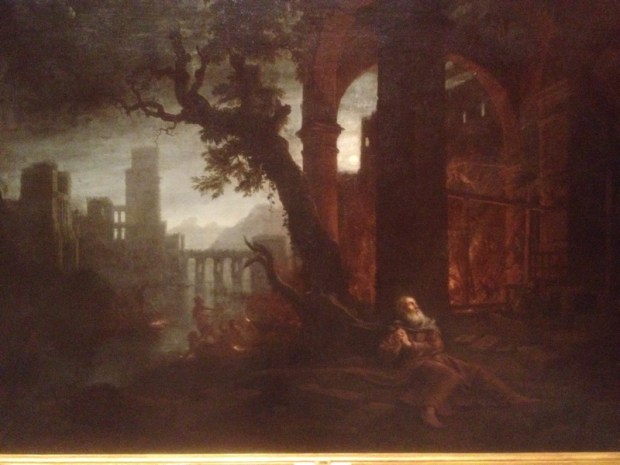
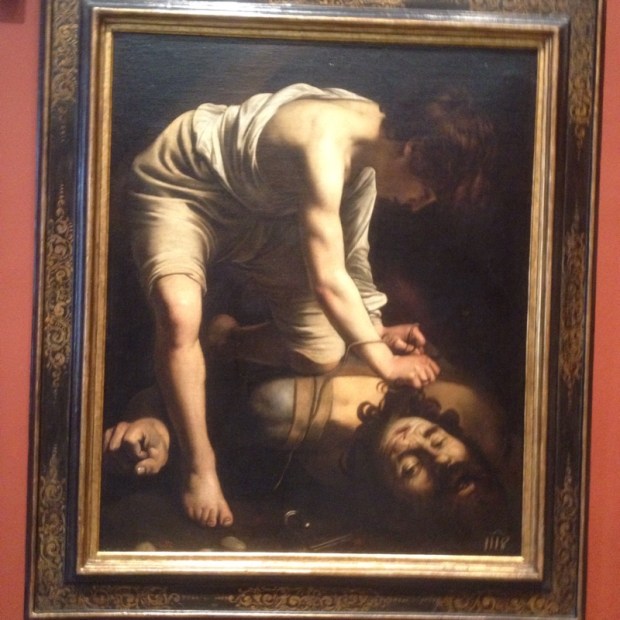
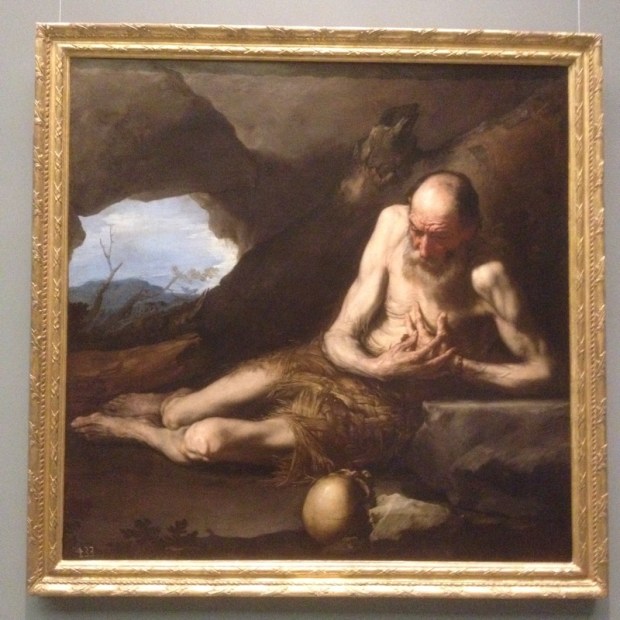


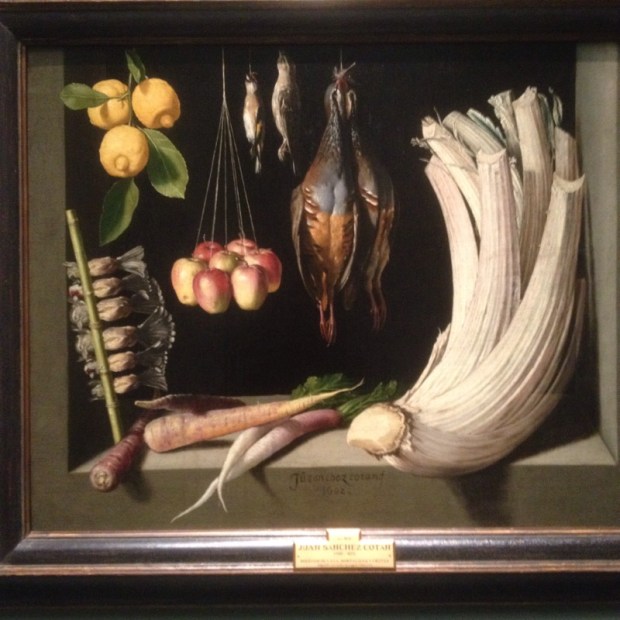
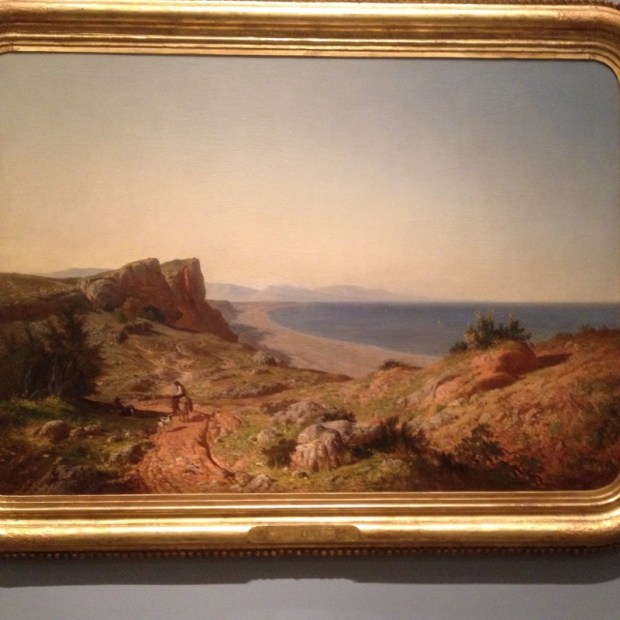 How things have changed! The galleries had quite a few artists working on their own copies of masterpieces.
 Into the greenhouses to admire the cactus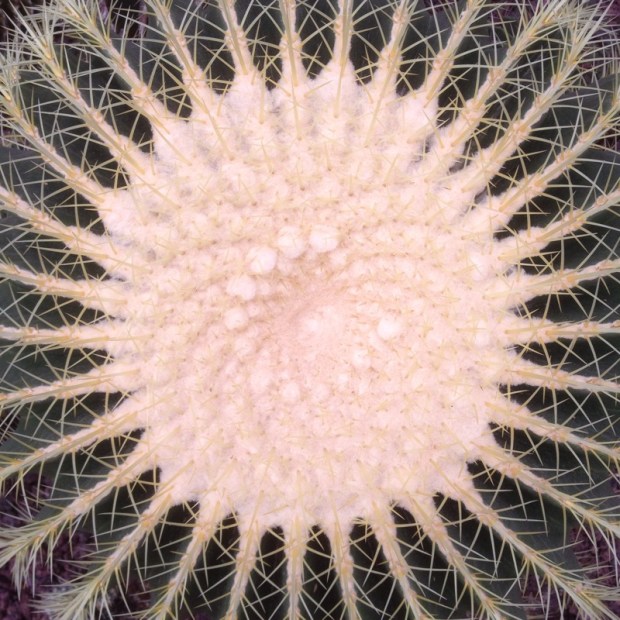

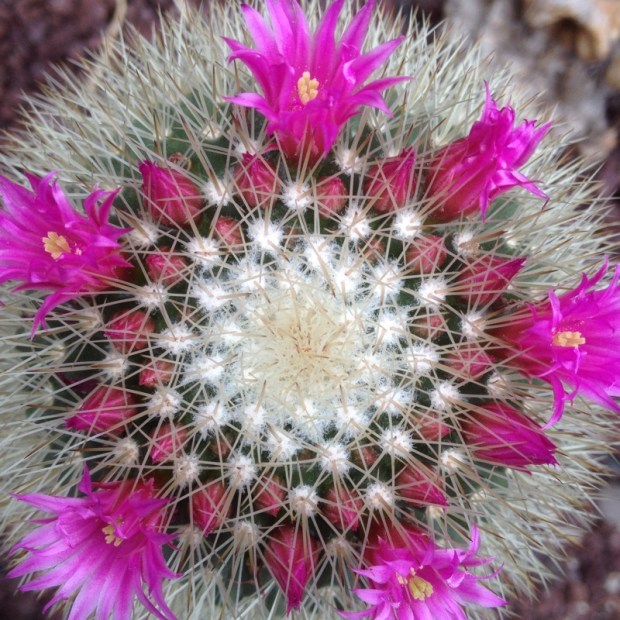
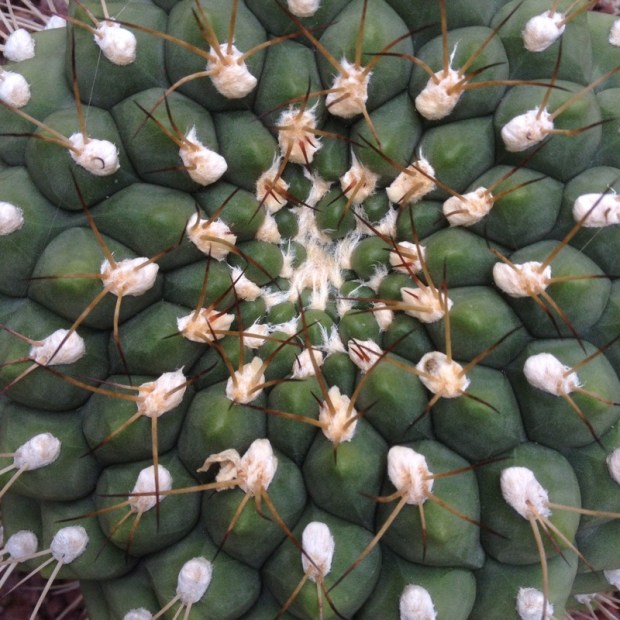 and the rainforest complete with jungly soundtrack.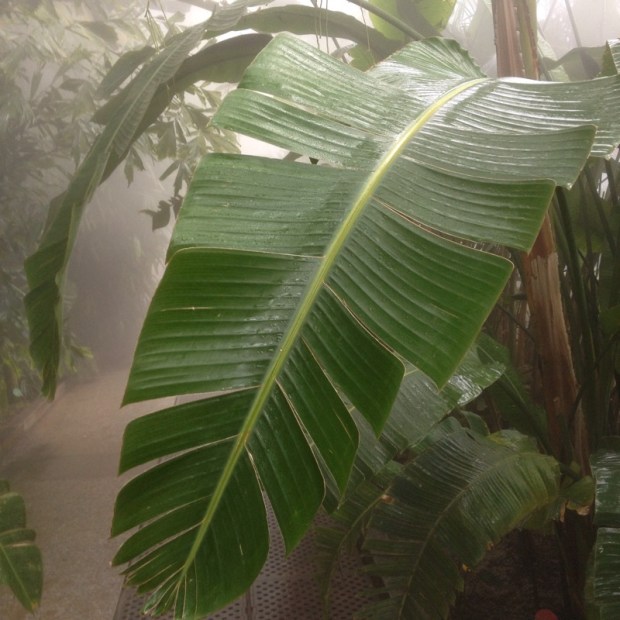

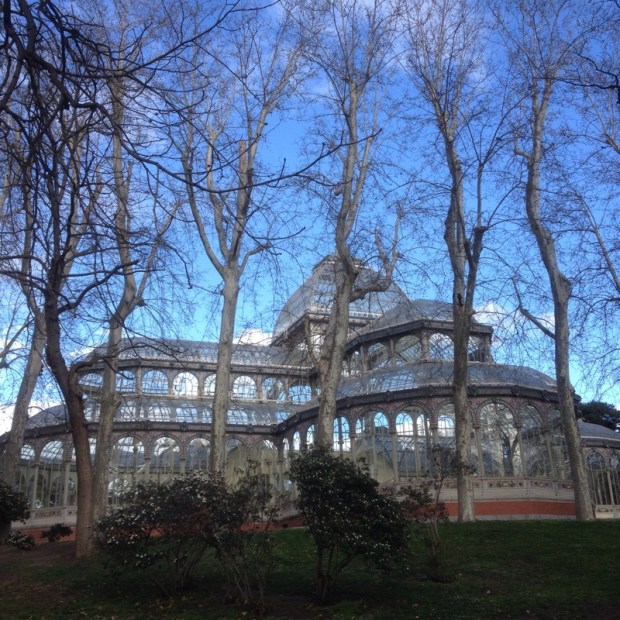
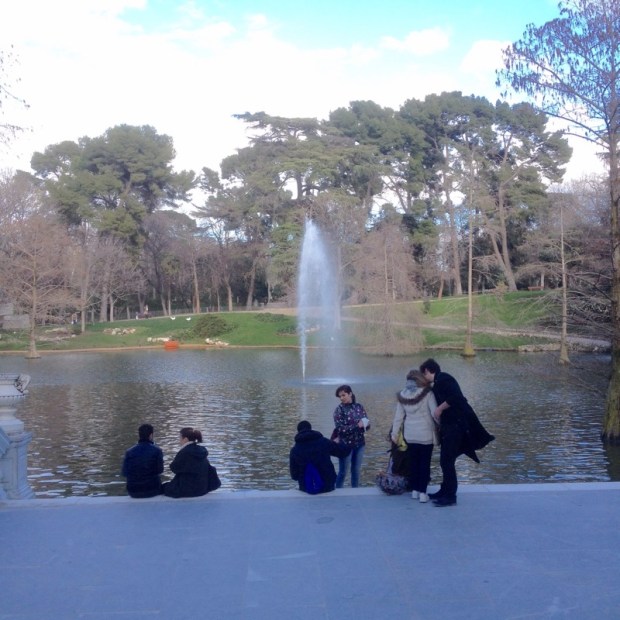

 Where I discovered more art in the palace of Velaquez showing modern sculpture by Italian Luciano Fabro.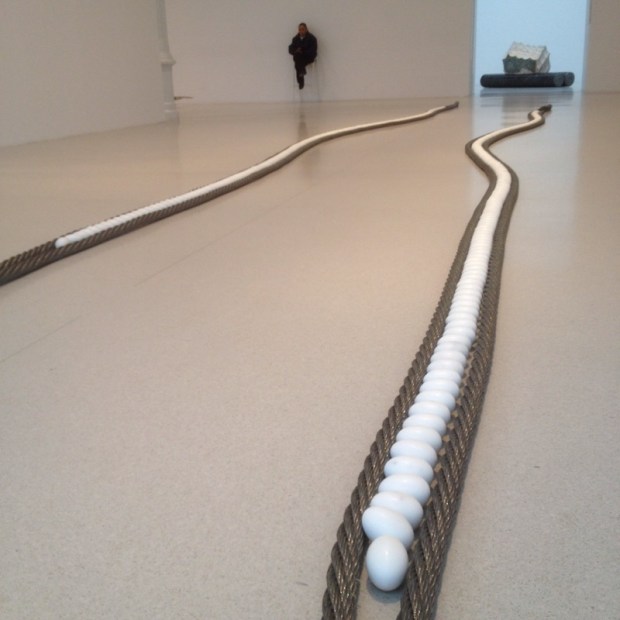
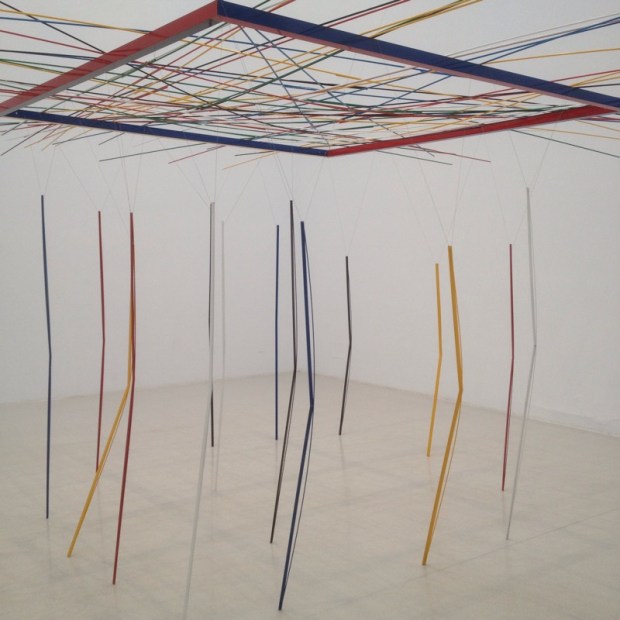
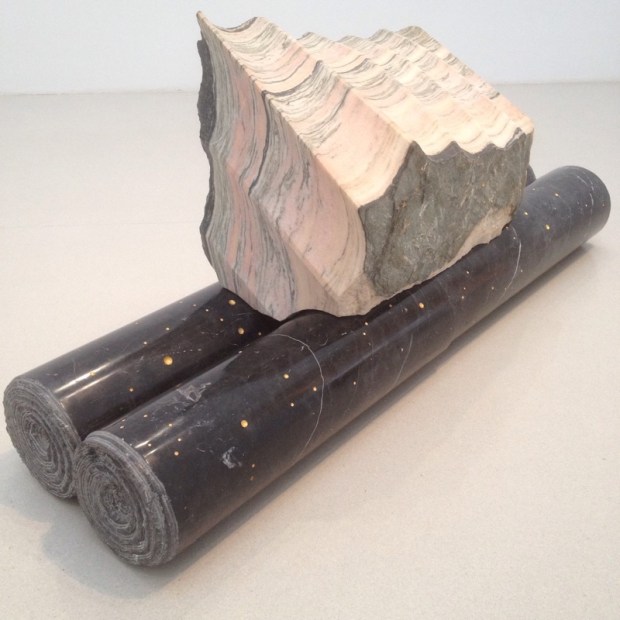

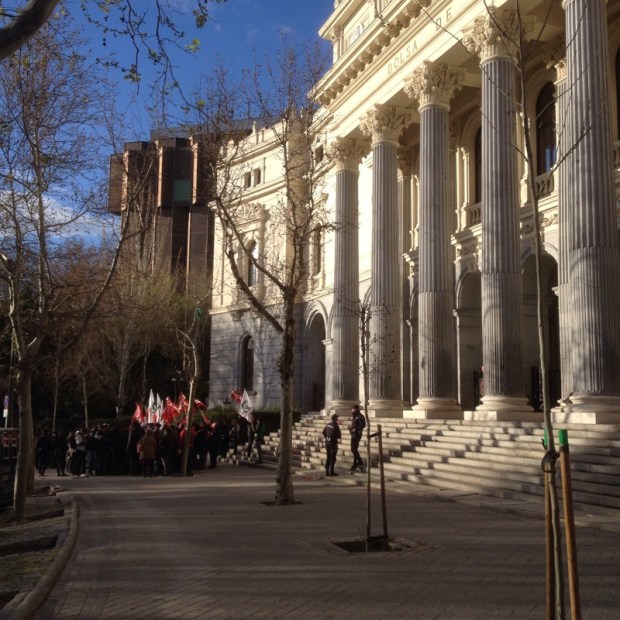
 Inside there were 4 floors of this huge building given over to art displays and a restaurant and bar above.
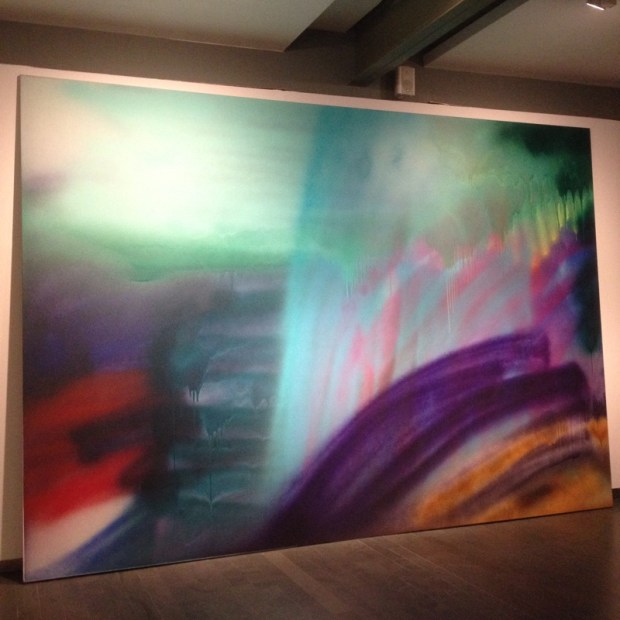
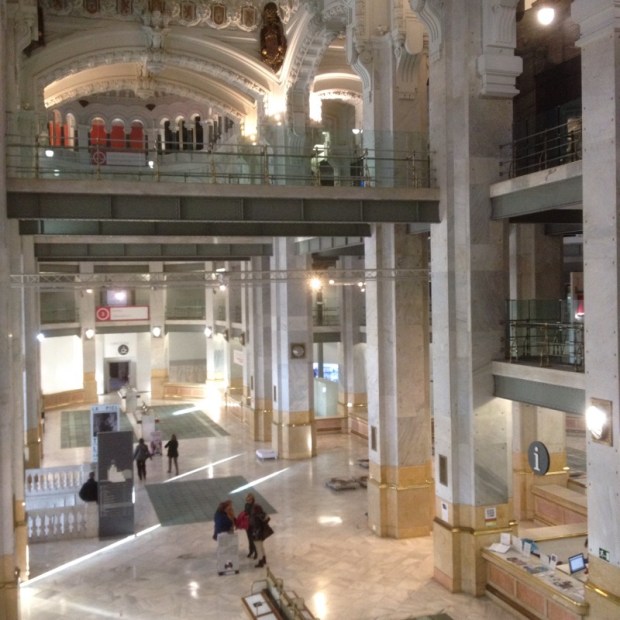 One show was strictly no photos another was not ??


 And I have to hand it to the civic authorities because they know how to deal with it in a organised fashion. The police controlled the movement of the crowd that was followed by ambulances and civic defence vehicles and bringing up the rear were the clean up crew in formation.
 It looked like they had run the train track through the Roman viaduct.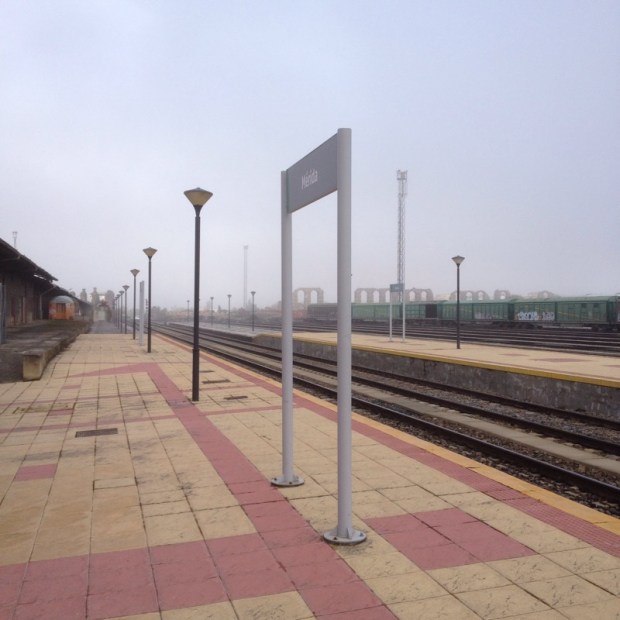
 The old terminus building has been transformed into a botanical garden and still manages to deal with the high speed trains.
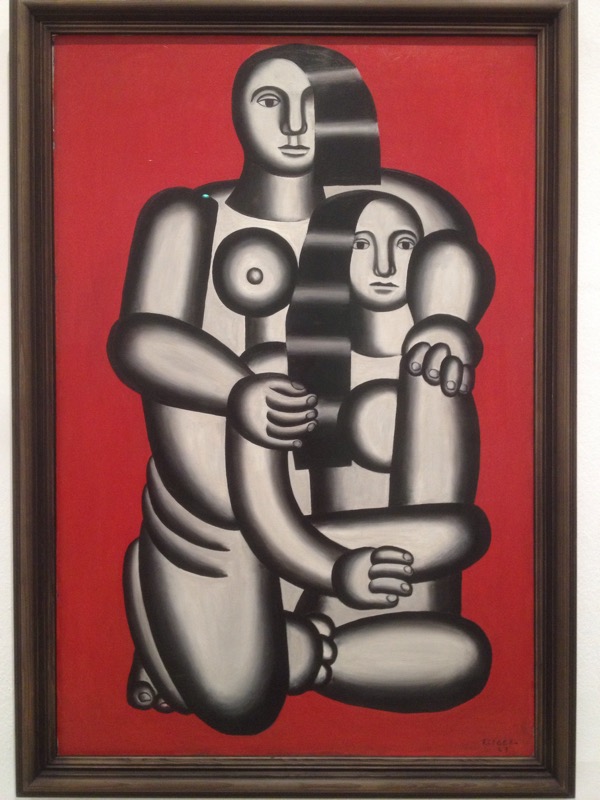
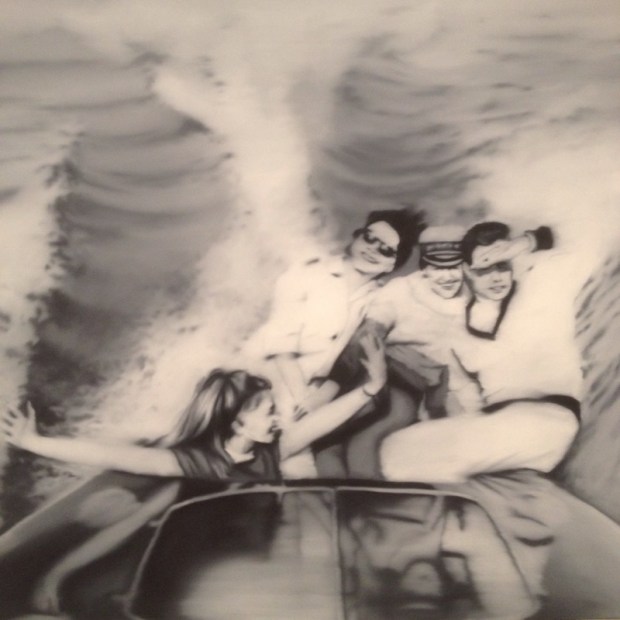
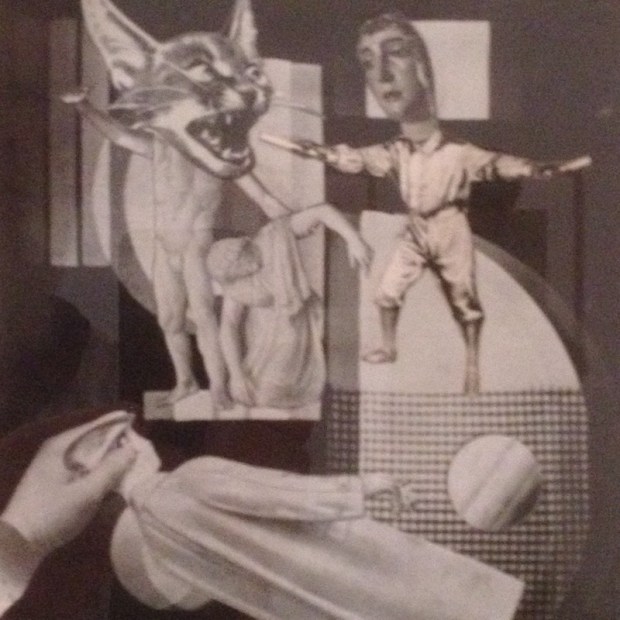 and
and

 also
also
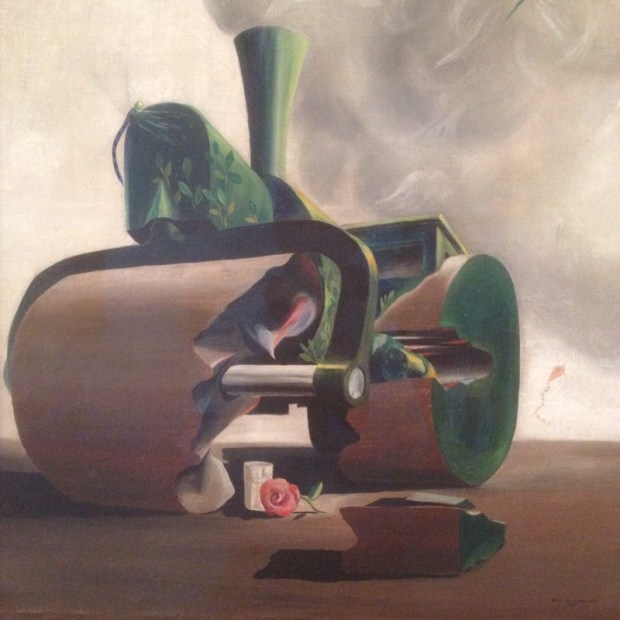
 and so many more
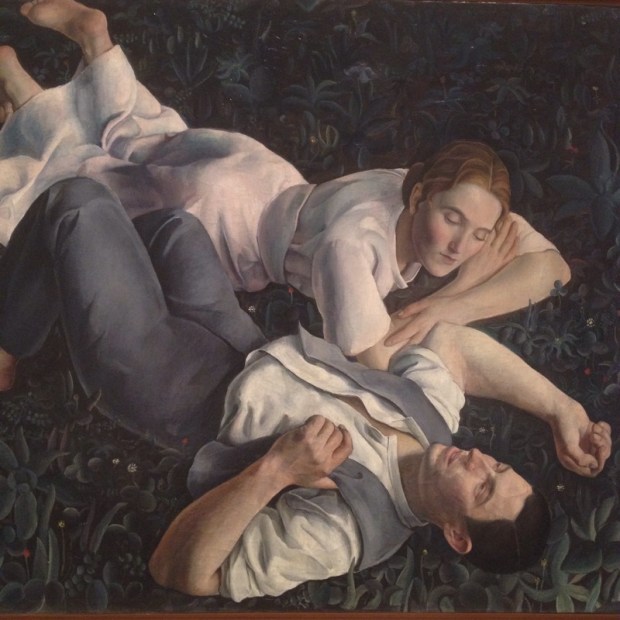
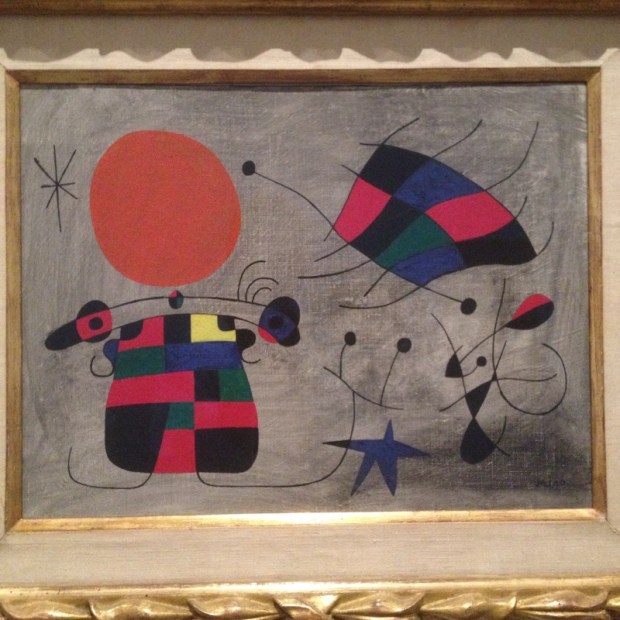
 A police car window had been smashed outside and it took a few hours for quiet to return.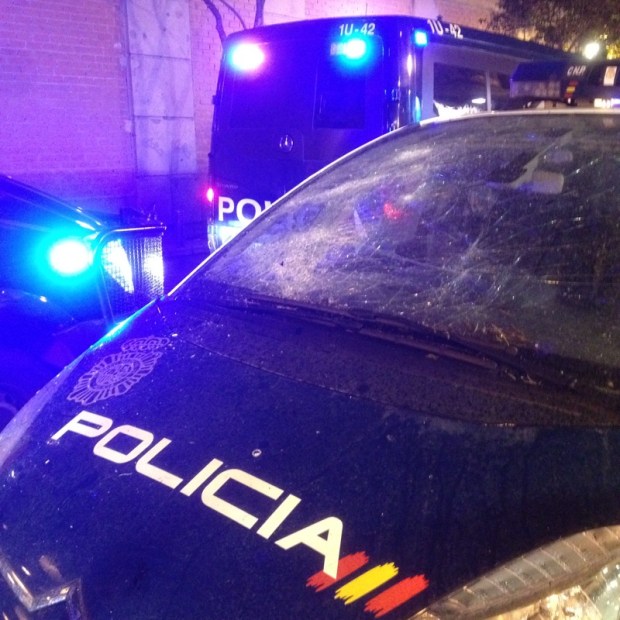



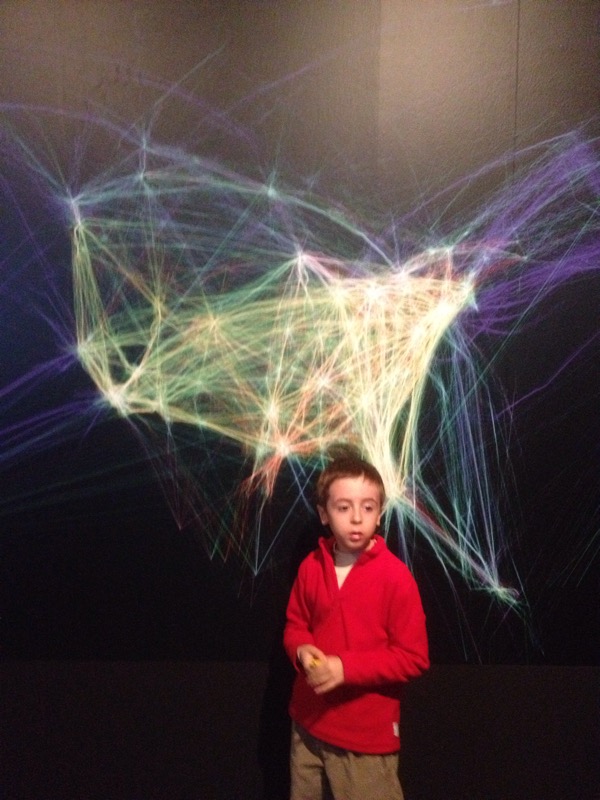 Real time flights over USA
  Amount of photographs uploaded to Flickr everyday.
  A huge wall of babbling video diaries.
  Different globes different data
 And a good interpretation of the data world.
  Where a notice on the comment board was from someone who had completely by surprise came upon a picture from 1964 of his mother and brother!


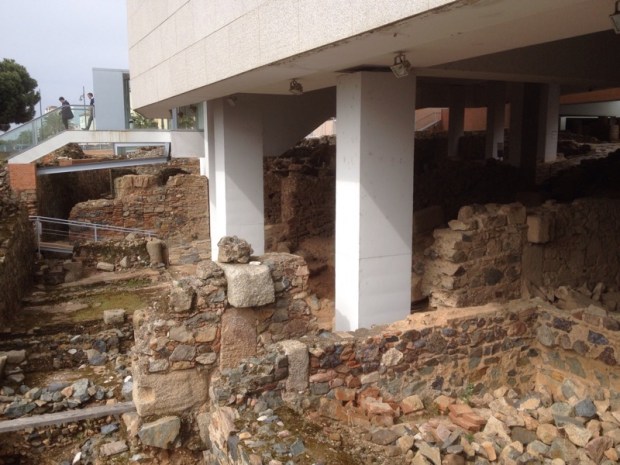
 before moving on to the Museo de arts Romano, a building that incorporates a 2000 year old housing estate in its basement.
  Just around the corner was the Ampiteatro with ahead of its time street lighting
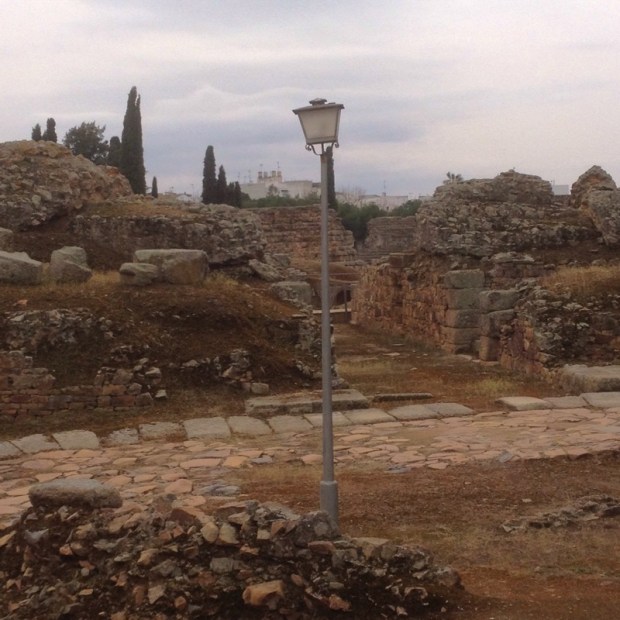 past some baths
 and the Portico del Foro
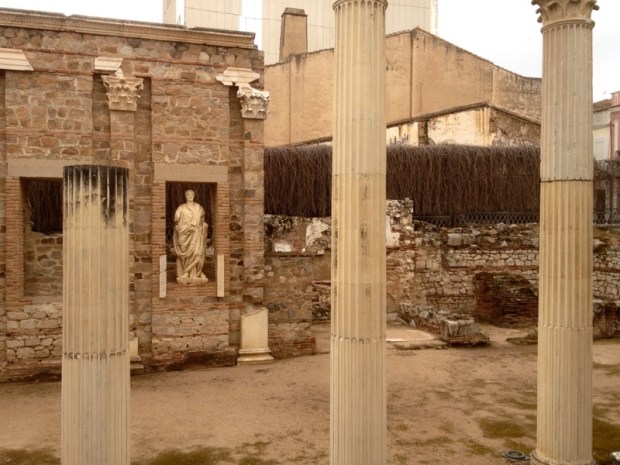 to the temple of Diana
 is pretty impressive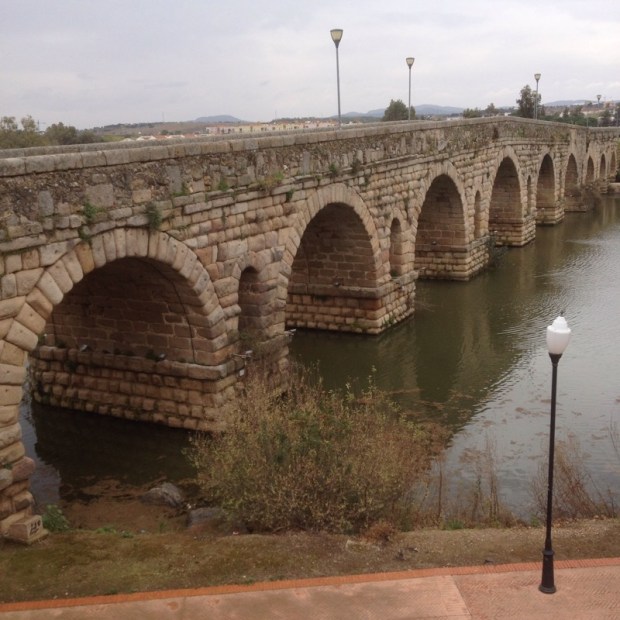


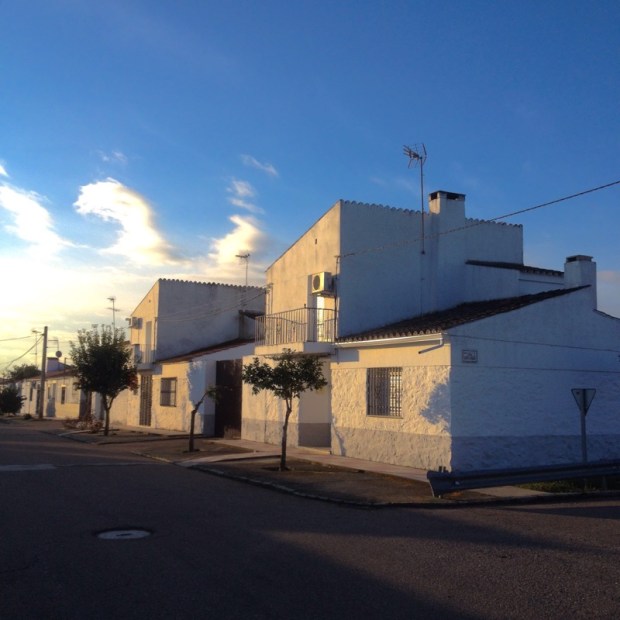
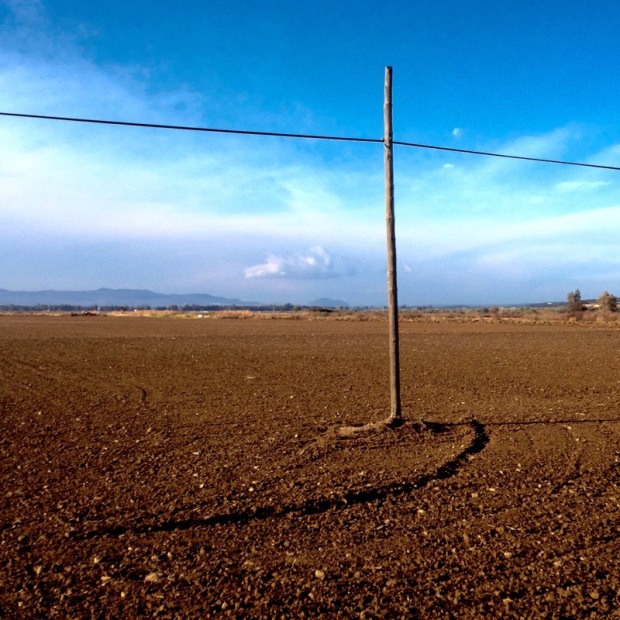
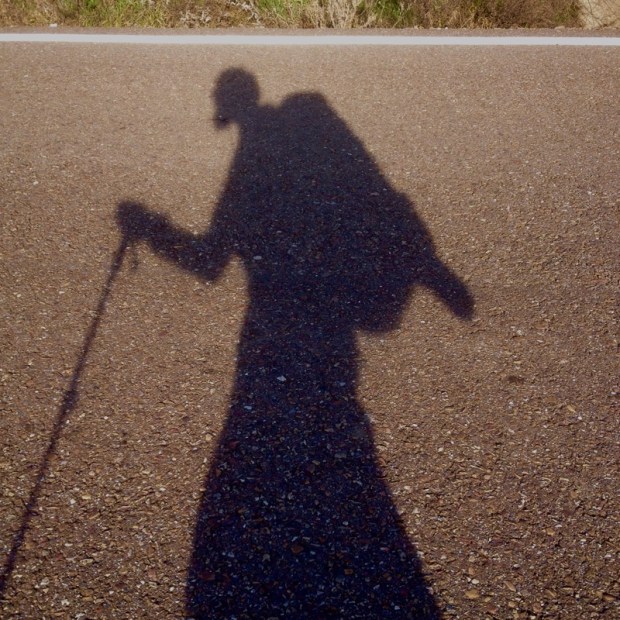
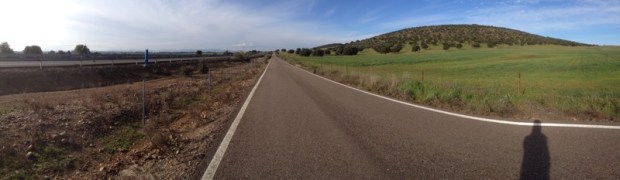 and the storks nesting on the pylons between the fruit trees

 and on through more “countryside”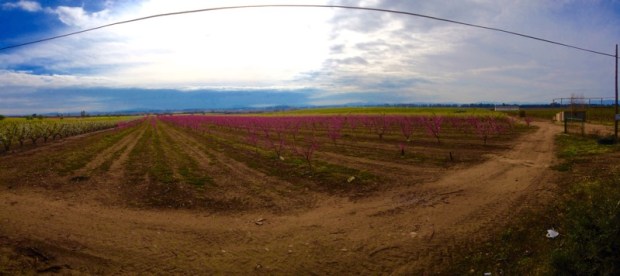
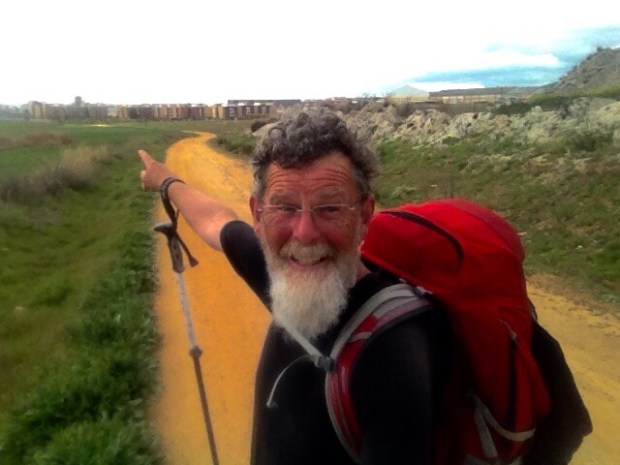

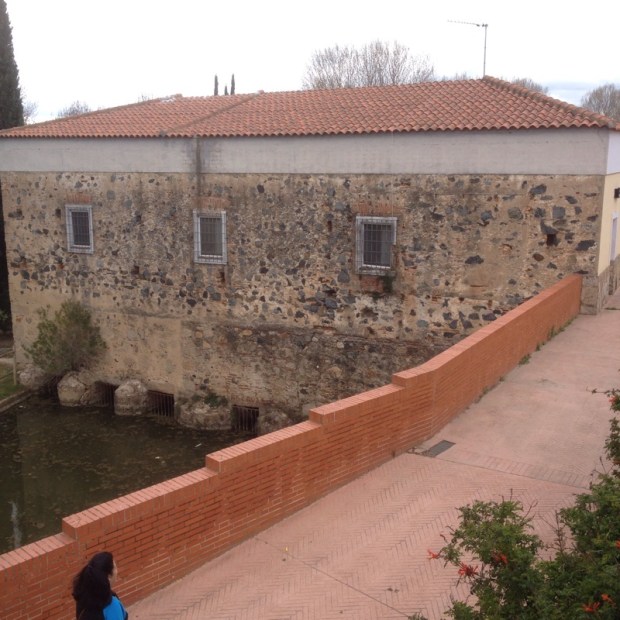


 and here’s the reality
  and the hilltop fortress from the river
 then it was back to intensive farming around Santa Amalia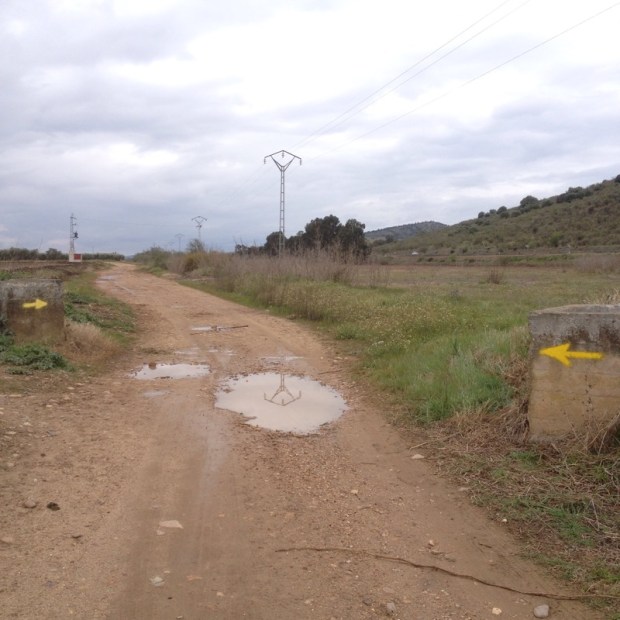

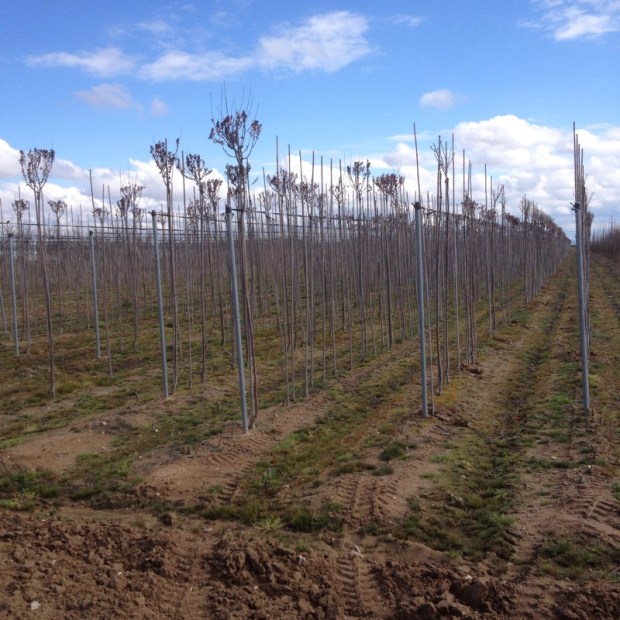


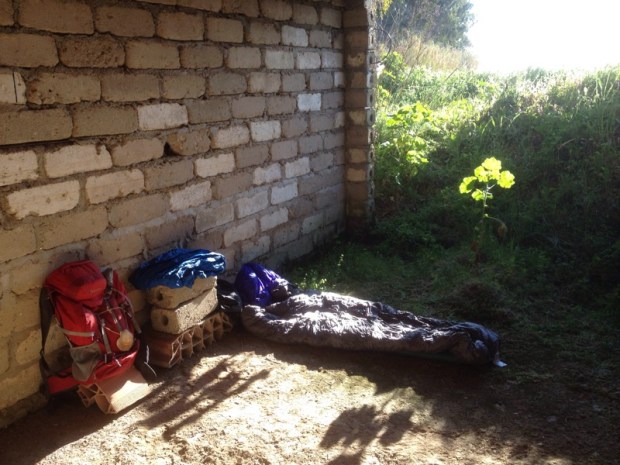
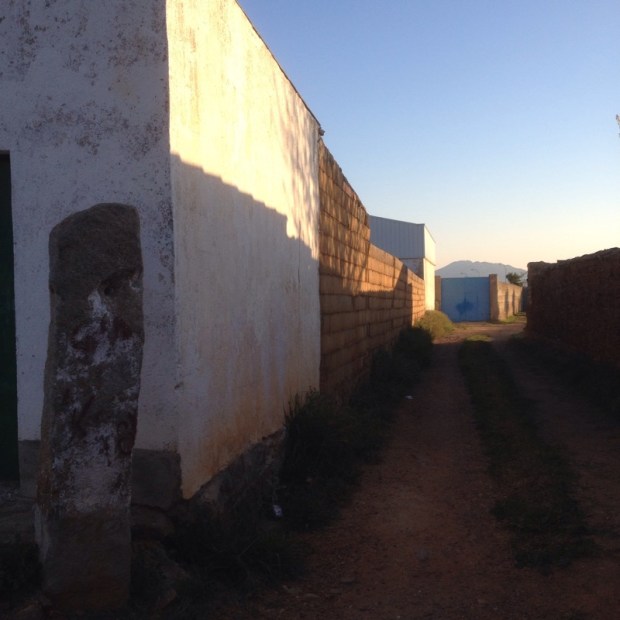 The olives had returned and been painted white.
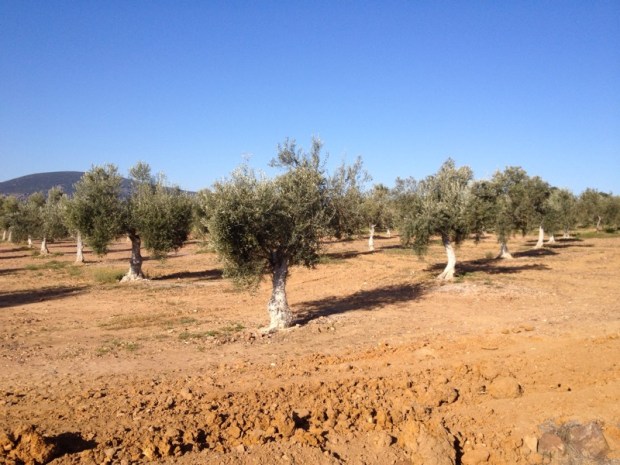 But mostly it continued to be a mix of holm oak and granite
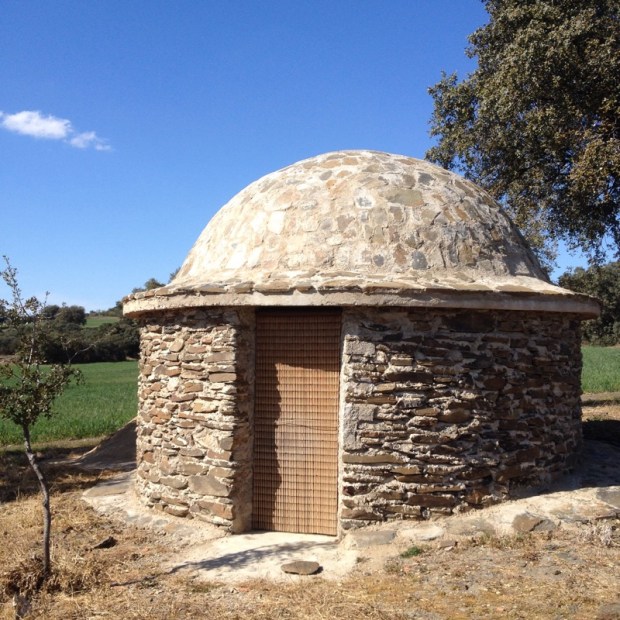
 before climbing up to a high plain of grain fields dotted with round stone wells.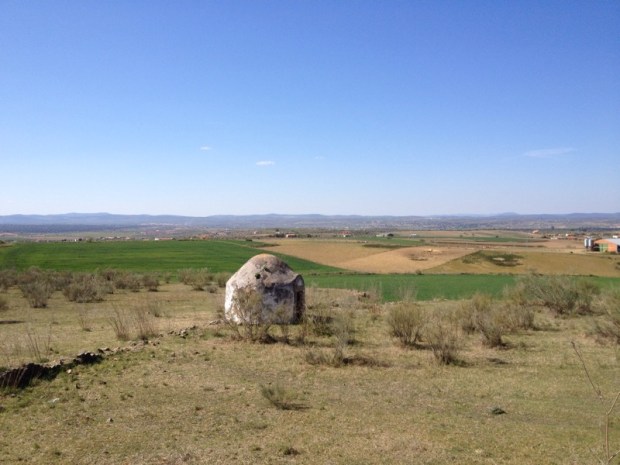
 Some of the paving on the outskirts of town looked a bit nougat ish.
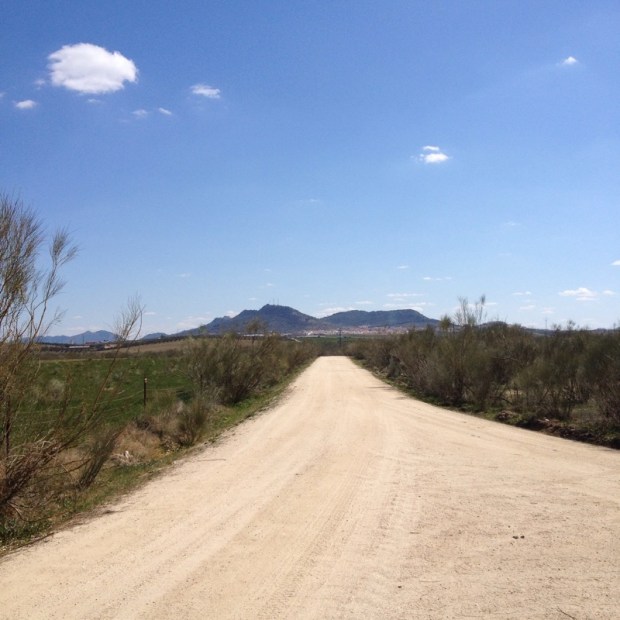
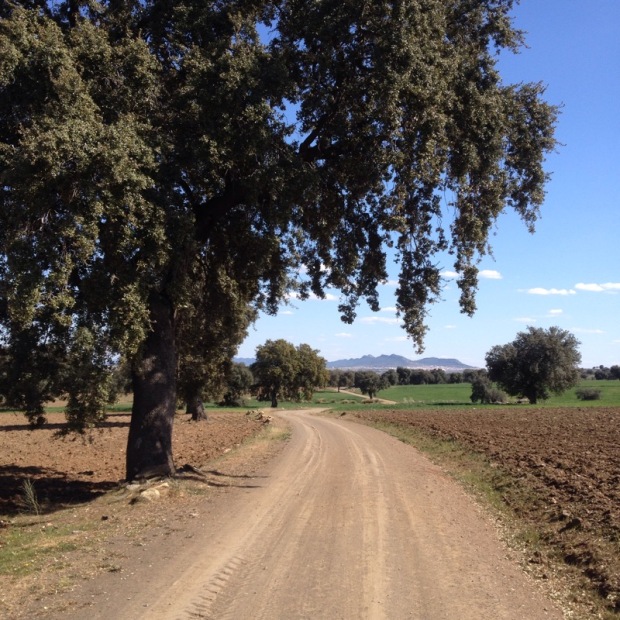

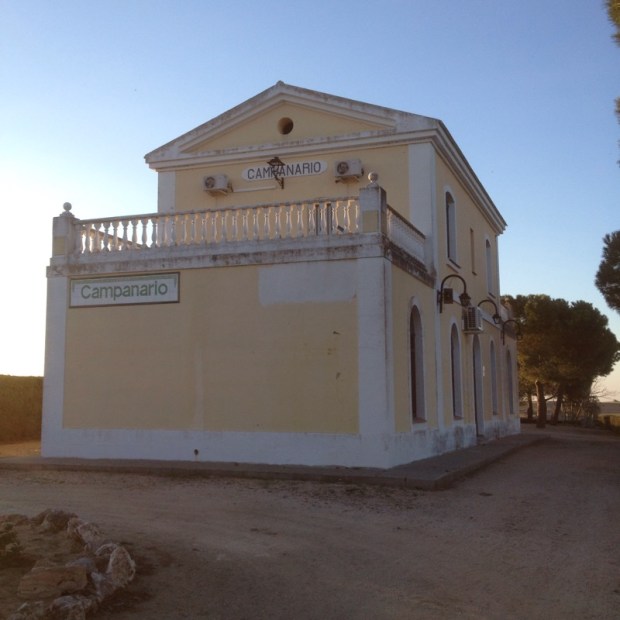
 until finally after 40km I walked through Campanario only to discover that the Albergue was another couple of km out of town on the converted railway station.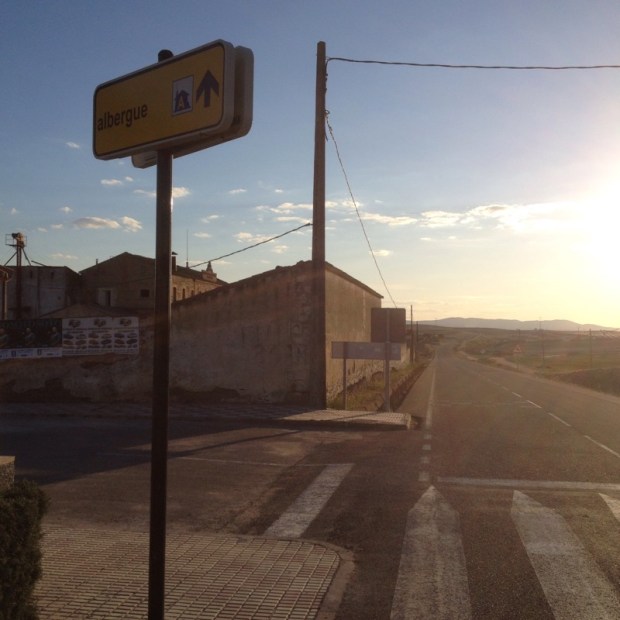
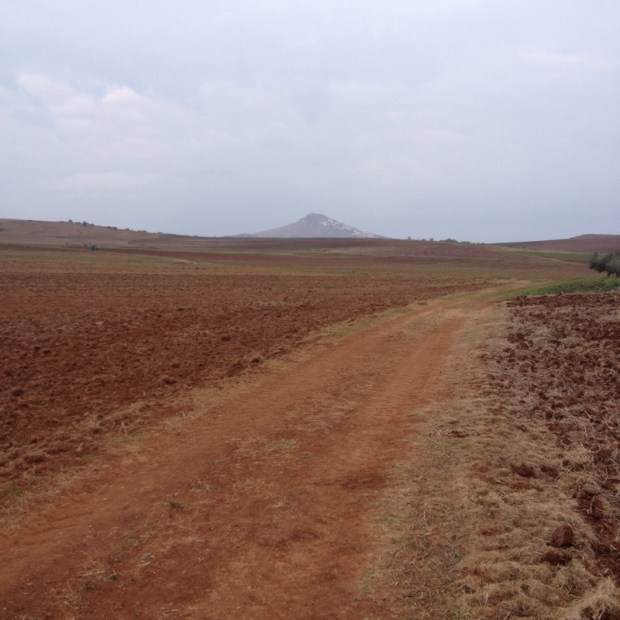

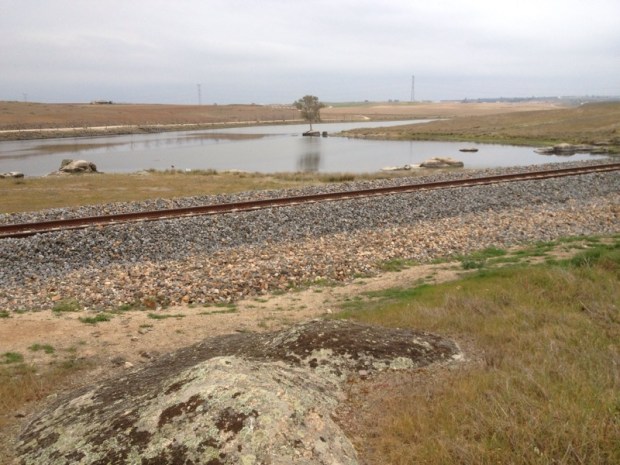 And some fields that would keep the stone pockets busy.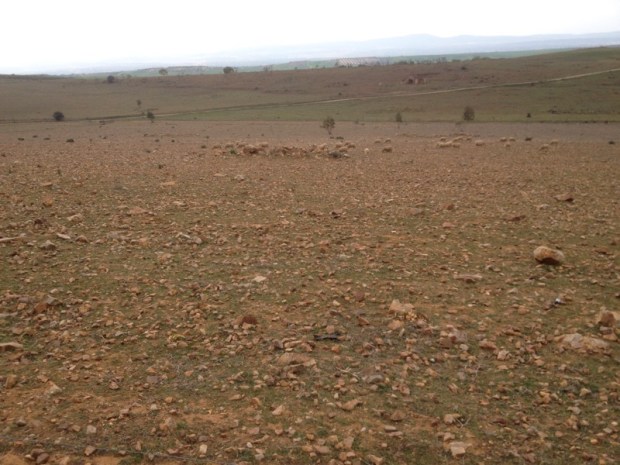




 Steve Barham